Viral TikTok Reveals What Restaurant Servers Actually Give You When They Run Out Of Ginger Ale
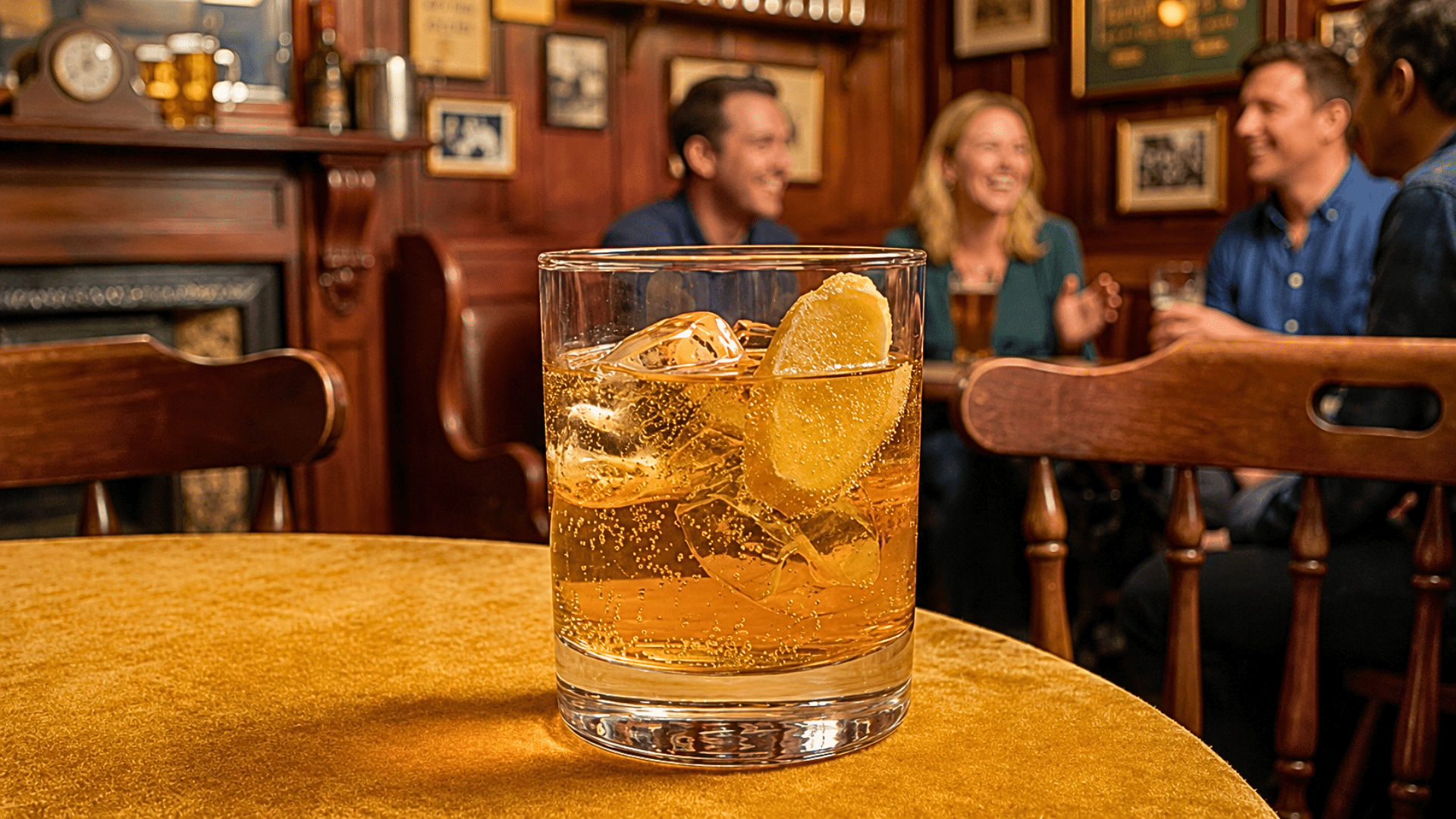

The next time you order a ginger ale at a crowded restaurant, you might want to take a close look at the color of your drink. A viral TikTok video has pulled back the curtain on a widespread industry secret, revealing that when a soda fountain runs dry, some servers turn to a “do it yourself” chemistry project rather than telling the customer the item is out of stock. The clip has ignited a massive debate across America regarding transparency in the service industry and the hidden shortcuts taken during a busy dinner rush.
In a video that has amassed over 2.5 million views, TikTok creator willa•mina (@hydee624) demonstrated the common “hack” used by restaurant staff nationwide. When the ginger ale is “86ed”—industry lingo meaning an item is no longer available—some servers simply mix Sprite with a small splash of Coca-Cola or Diet Coke. The result is a light brown, carbonated beverage that visually mimics ginger ale but lacks the actual ginger flavoring or botanical properties many customers expect.
While the trick is intended to keep service moving quickly without disappointing a guest, the revelation has left many diners feeling deceived. For servers, ginger ale is often a “deceptively annoying” request because it is frequently not included on the main soda gun or fountain, requiring a trip to the bar or a search through back storage for cans. In a fast paced environment, the Sprite and Coke mixture becomes a path of least resistance for a worker managing multiple tables at once.
The Rise of #ServerTok and Industry Secrets
The video has become a flagship moment for #ServerTok, a massive digital community where restaurant employees share the humor, frustrations, and behind the scenes realities of the service industry. This niche of social media has turned into a digital breakroom for workers who are often navigating high stress shifts, understaffing, and burnout. For many Americans who have never worked in a kitchen, these videos provide a shocking look at how their food and drinks are actually handled.
Under the #ServerTok hashtag, creators use comedy to cope with the emotional exhaustion of “staying cheerful” while balancing demanding customers and chaotic kitchen staff. The ginger ale hack is just one of many shortcuts discussed in the comments, where other workers admitted to similar practices with different menu items. This transparency has created a sense of solidarity among workers who feel that their labor is often undervalued or misunderstood by the general public.
However, the humor of the “86 ginger ale” joke often masks the deeper pressures of the industry. The lingo used in the video, such as “Not in my section,” refers to a server’s refusal to let a missing item slow down their specific area of responsibility. When a server “86es” an item, it usually signals a breakdown in supply chain or communication with the kitchen, forcing the front of house staff to manage the fallout with hungry and thirsty patrons.
Health Risks and Customer Backlash

While many in the service industry viewed the hack as a harmless prank, the comment section quickly filled with stories from customers who say this practice can have real world health consequences. Because ginger ale is a caffeine free staple often used to settle upset stomachs, substituting it with a mixture that contains caffeinated cola can be problematic for certain individuals. Pregnant women and people with specific sensitivities warned that they often drink ginger ale specifically for the lack of stimulants.
“Hiiiii when I was pregnant I ordered ginger ale because it was caffeine free… someone pulled this on me and it made my feet and hands swell so bad,” one user shared in the viral comments. “Please don’t do this, I swear no one drinks ginger ale because they like it, it’s because they have to.”
Other commenters pointed out that customers with blood sugar issues or those trying to avoid specific ingredients rely on the accuracy of their orders. Beyond the health risks, many diners simply expressed a preference for honesty, stating they would much rather be told a restaurant is out of ginger ale than be served a “fake” version. The consensus among many unhappy viewers was that if they are paying for a specific beverage, they expect to receive exactly what is listed on the menu.
Navigating the Modern Dining Experience
The viral controversy serves as a reminder of the growing gap between customer expectations and the reality of modern restaurant operations. As restaurants continue to face rising costs and supply chain fluctuations, “86ing” items has become more common. For diners, the best way to ensure an accurate order is to be specific or ask if the ginger ale is coming from a can or a fountain gun, as fountain versions are more likely to be subject to improvisation.
From the server’s perspective, the backlash highlights the need for better communication between the front of house and the bar. Many young workers enter the industry without being taught the proper terminology or the potential risks of ingredient transparency. When a server feels they will be overwhelmed by a missing item during a rush, they are more likely to resort to these types of shortcuts to keep their service flow uninterrupted.
The “fake ginger ale” saga is a small window into a much larger conversation about the state of American hospitality. As social media continues to expose the inner workings of professional kitchens, both staff and customers are being forced to rethink the unspoken rules of the dining room. Transparency, rather than clever hacks, may be the only way to maintain the trust that is currently bubbling over on TikTok.