Premium Bottled Water Recalled Over Possible Glass Shards Contamination

Bottled sparkling water sold under the Waitrose No1 label has been recalled after concerns that glass shards could be present inside some bottles. Food safety officials warned consumers not to drink the affected products after identifying a risk of injury linked to opening the bottles
The Product Being Recalled
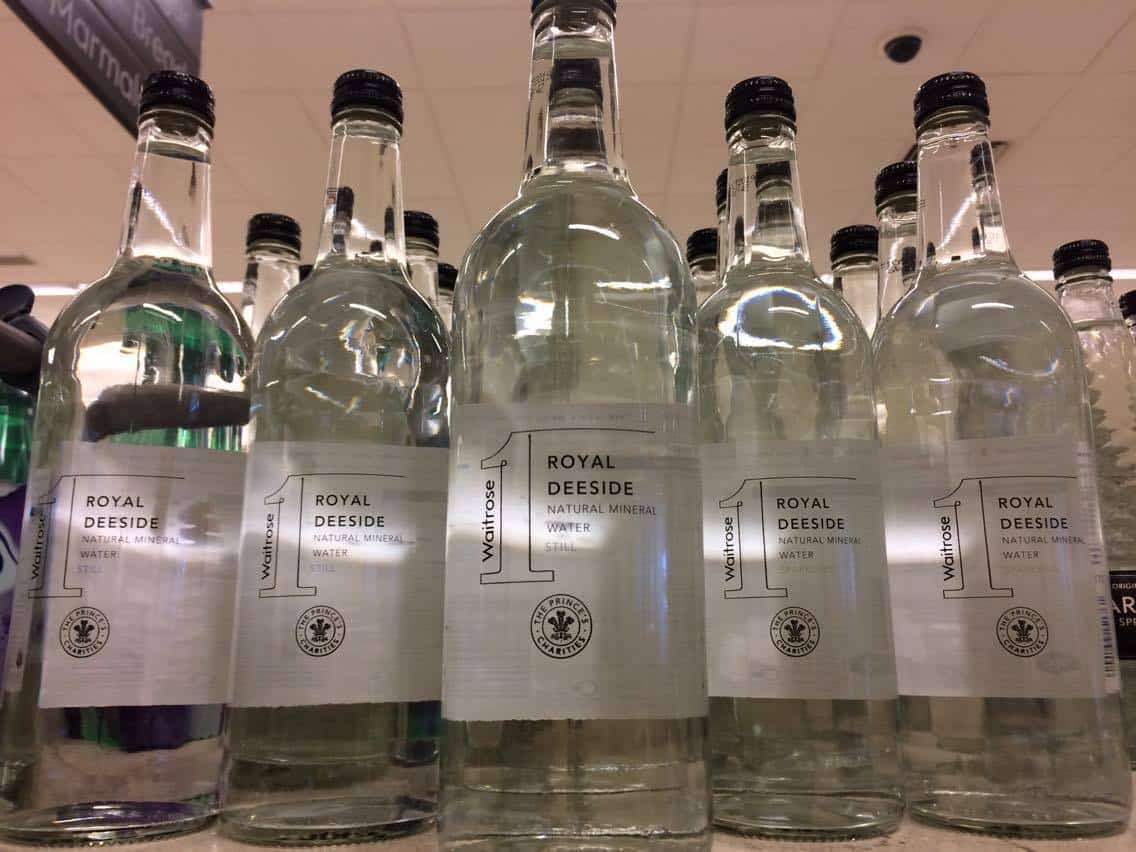
The recall reported by the Food Standards Agency (FSA) applies to Waitrose No1 Royal Deeside Mineral Water and Waitrose No1 Royal Deeside Sparkling Water, both sold in 750ml glass bottles and sold in Waitrose. The waters are sourced from Deeside, Scotland, and marketed as premium bottled products.
Specific Batch Details
Multiple batch codes are affected, with best-before dates ranging from November 2027 to December 2027. Waitrose, a British supermarket chain, published a full list of batch numbers so customers can check whether their bottles are included in the recall.
What Prompted the Recall
The issue was identified after concerns that glass fragments could be released when bottles are opened. The presence of glass makes the products unsafe to drink, even if the water appears clear.
How Glass Can Enter Bottled Water
Glass contamination can occur during bottling, filling, or capping if containers chip or crack. Contact between bottles on production lines can also cause small fragments to break off and fall inside.
Why Glass Shards Are Hard to Spot
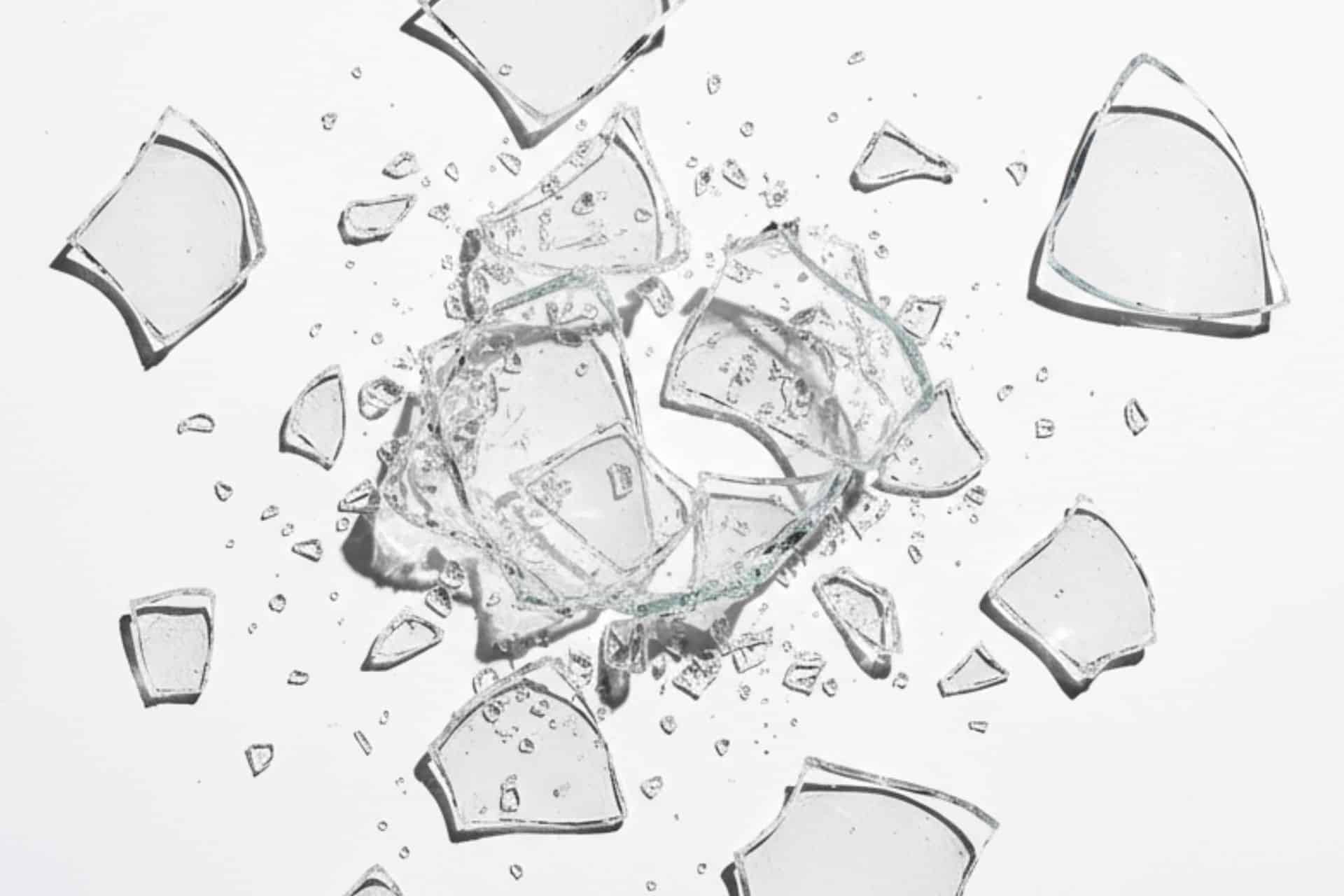
Detecting glass inside a glass bottle is technically challenging because the materials share similar density. Manufacturers rely on advanced X-ray inspection systems to detect thin or irregular shards that are invisible to the naked eye.
Health Risks If Glass Is Ingested

Swallowing glass is considered a medical emergency due to the risk of cuts, bleeding, and internal injury. Sharp fragments can damage the throat, stomach, or intestines and may cause complications hours or days later.
Symptoms That Require Medical Attention

Possible signs of glass ingestion include pain when swallowing, abdominal discomfort, nausea, or blood in saliva or stool. Doctors often use imaging scans to locate fragments and determine whether removal is necessary.
What Waitrose Is Telling Customers
Waitrose has advised customers not to drink the affected mineral or sparkling water and to return bottles to the store for a full refund. Point-of-sale notices have been placed in stores, and customer care lines are available for further guidance.
Why Recalls Like This Matter
Recalls involving glass contamination highlight the risks associated with bottled beverages sold in glass containers. They also show how rapid reporting and clear product details help reduce the chance of consumer injury.