Walmart Shoppers Now Face Stricter Self-Checkout Rules, Furious Customers Say ‘Enough’
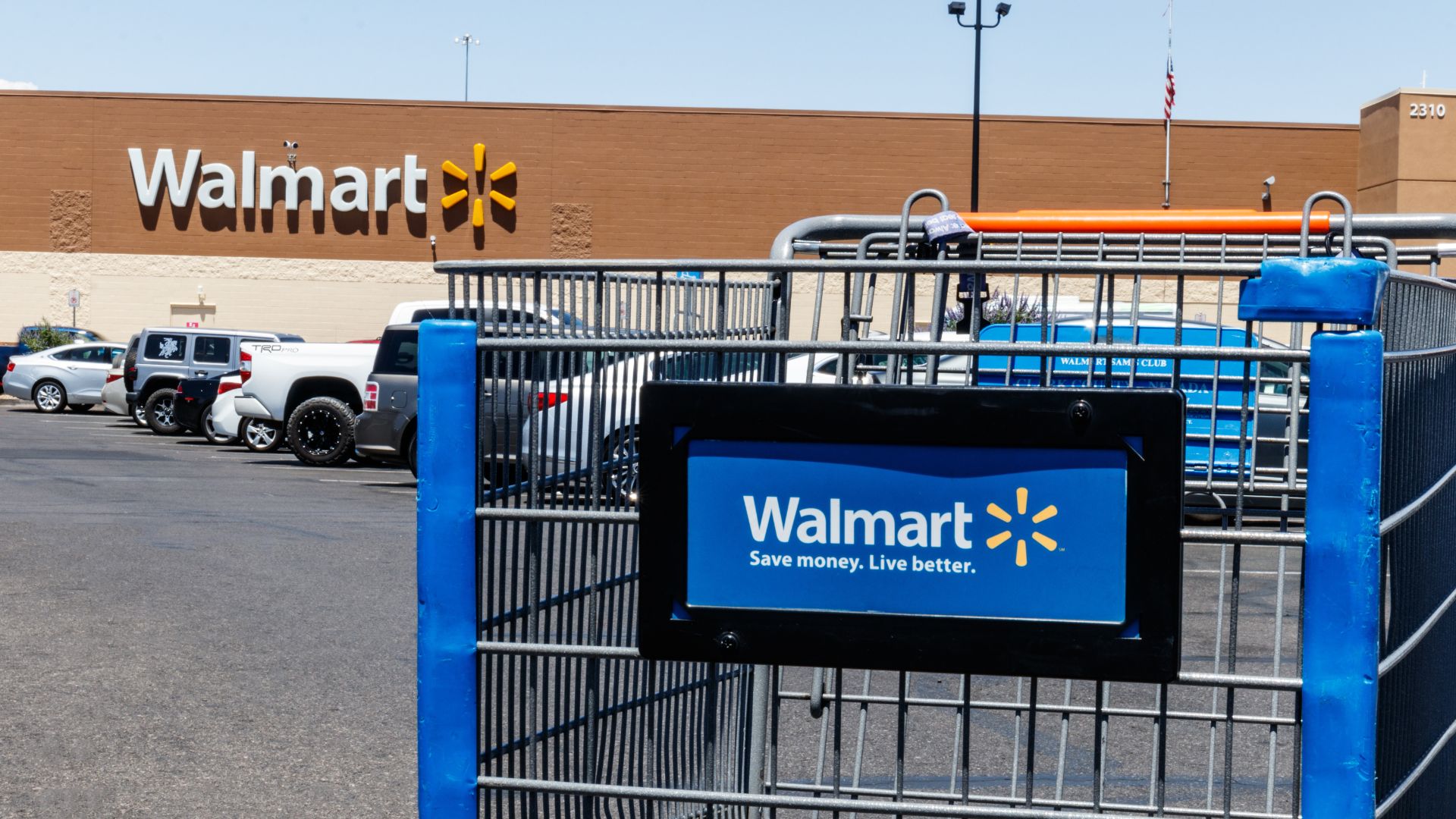

Some Walmart locations across the country have started capping self-checkout lanes at 12 items or fewer, and shoppers are responding with threats to walk out mid-shop. The restrictions come as the New York City Council weighs legislation that would force supermarkets and pharmacies to limit self-checkout purchases to 15 items maximum. One customer described arriving at her local Walmart to find all self-checkout lanes marked express only, with just two regular registers open and lines stretching through store aisles.
The backlash has been immediate and loud. Reddit threads and social media posts show customers venting about canceled transactions, being turned away at kiosks for exceeding item counts, and watching quick errands turn into 20-minute waits. Some have threatened to load their carts, hit the limit, and abandon everything on the way out. The anger centers on a simple complaint: stores cut staffed checkout lanes while simultaneously restricting who can use self-checkout.
Retail theft sits at the center of the debate. The industry loses roughly $100 billion annually to shoplifting and inventory shrinkage, according to industry estimates. Retailers argue that limiting self-checkout transactions makes theft easier to monitor and reduces losses. Critics of the restrictions, however, point to understaffing as the real issue, not the checkout method itself. The tension between loss prevention and customer convenience has reached a breaking point at checkout counters nationwide.
NYC Bill Would Mandate 15-Item Caps and Employee Supervision
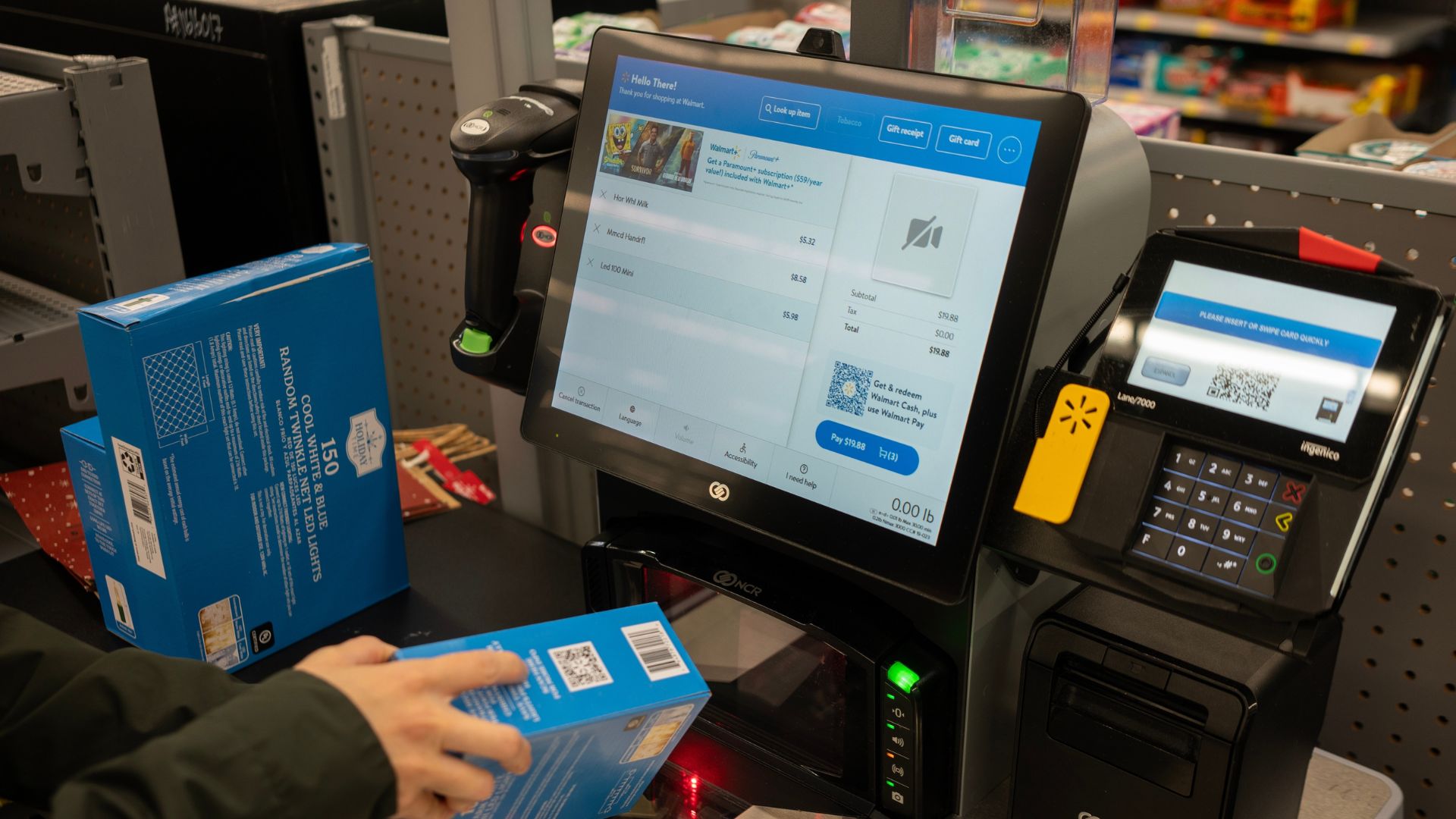
The proposed New York City legislation, introduced by Councilwoman Amanda Farias, would require supermarkets and pharmacies to enforce a 15-item maximum at self-checkout lanes. Stores would also need to staff one employee for every three active kiosks, ensuring supervision whenever self-checkout operates. Farias says the measures tackle issues facing neighborhoods, including theft, job preservation, and safety concerns that have emerged as stores reduce human oversight at checkout.
Retailers failing to comply would face civil penalties of at least $100 per employee at the location, with penalties escalating for each day the violation continues. The bill has been referred to the Council’s Committee on Consumer and Worker Protection but has not yet undergone public hearings, committee approval, or a full Council vote. Whether it reaches the mayor’s desk for signature remains uncertain amid intensifying debate.
Farias argues that fewer workers create more opportunities for theft, which drives up prices for consumers. She pointed to Target’s decision to roll back self-checkout access and similar moves in other states as evidence that the approach works. Farias says the legislation protects jobs while creating accountability at checkout. Critics, however, see the proposal as addressing symptoms rather than root causes, particularly around prosecuting retail theft and enforcement.
Business Owners and Politicians Call the Plan Misguided
Republican Councilwoman Joann Ariola opposed the measure, telling the New York Post that lawmakers have their priorities backward. Rather than punishing criminals, she said, the Council is adding burdens to businesses and shoppers. The criticism extends beyond party lines. Jason Ferraira, a board member for the National Supermarket Association, called the idea horrible and insisted it would not prevent theft in any meaningful way.
Ferraira, who operates Foodtown supermarkets in Queens, explained that shoplifting happens through multiple methods. Some steal at self-checkout, others at regular cashier lanes, and some bypass checkout entirely by walking straight out. Requiring specific employee ratios does not address those varied theft tactics, he argued. Self-checkout provides customer choice and reduces the need to staff multiple registers. He argues that those benefits outweigh the risks when stores use adequate security rather than arbitrary transaction limits.
John Catsimatidis, owner of the Gristedes supermarket chain, suggested the bill’s real motivation ties to ongoing efforts to raise New York City’s minimum wage from $17 to $30 per hour. He told reporters he believes Council members want to prevent stores from replacing workers with self-checkout as labor costs climb. Gristedes has never installed self-checkout lanes and likely never will, citing concerns about shoplifting vulnerability regardless of new regulations.
Target Already Rolled Out Limits, Other Retailers May Follow
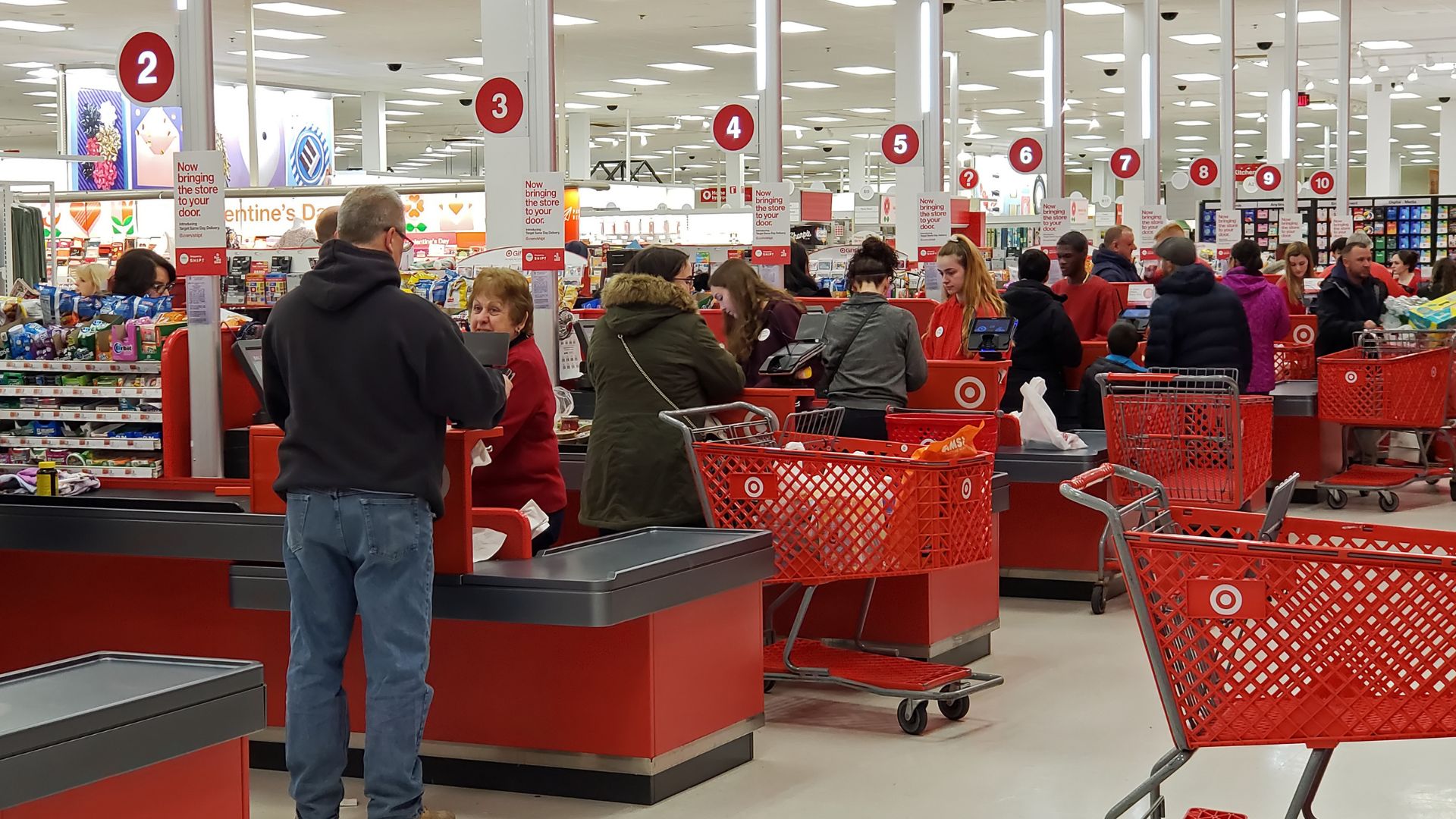
Walmart is not alone in experimenting with checkout restrictions. Target tested a 10-item limit at self-checkout in roughly 200 stores during 2023, then expanded the policy nationwide in 2024. A company spokesperson told Fox Business at the time that internal testing showed the change increased customer satisfaction. The chain reported nearly $500 million in shrinkage losses during 2023, though it has not released data connecting the item limits to reduced theft.
Costco also falls under the proposed New York City legislation, meaning the warehouse retailer would need to enforce the 15-item cap and staffing ratios at its Big Apple locations. Dollar General and Five Below have taken more drastic steps at some stores, removing self-checkout entirely in locations experiencing high shoplifting rates. The varied approaches reflect retailer uncertainty about balancing theft prevention, labor costs, and customer experience at checkout.
Shoppers see the same result no matter the retailer: longer waits and fewer checkout options. The question is whether stricter limits actually reduce theft enough to justify customer frustration, or if the real solution involves prosecution, security measures, and adequate staffing levels. As the New York City Council debates the legislation, shoppers and business owners alike are waiting to see which approach to loss prevention ultimately wins out at the register.