Warning Issued After Study Finds Undercooked Beans Contain Hidden Toxin
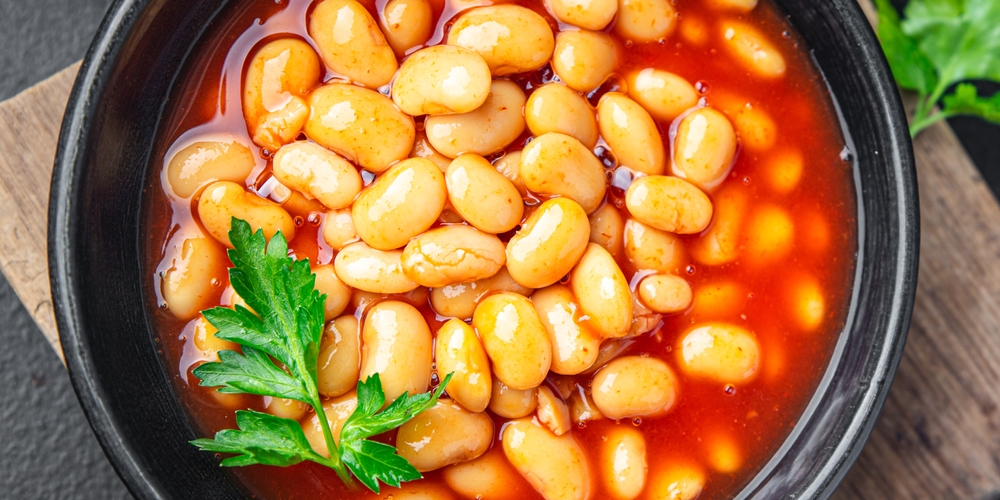

Beans are a staple in kitchens around the world. They are affordable, filling, and packed with fiber and protein. For many families, they are a go to ingredient for soups, stews, salads, and plant based meals. But food safety experts are warning that if beans are not cooked properly, they can make people seriously ill.
In January 2026, the European Food Safety Authority released an assessment warning that undercooked beans can contain active lectins at levels that pose a health concern. The agency reviewed cases of foodborne illness linked to raw or poorly cooked pulses and concluded that even partial survival of certain lectins may cause harm across all age groups.
The concern centers on a specific toxin found in beans called phytohemagglutinin, or PHA. Symptoms can start just hours after eating and may include nausea, vomiting, stomach pain, and diarrhea. In households where a large batch of beans is prepared and shared, that means an entire family could become sick at the same time.
The Hidden Toxin in Raw and Undercooked Beans
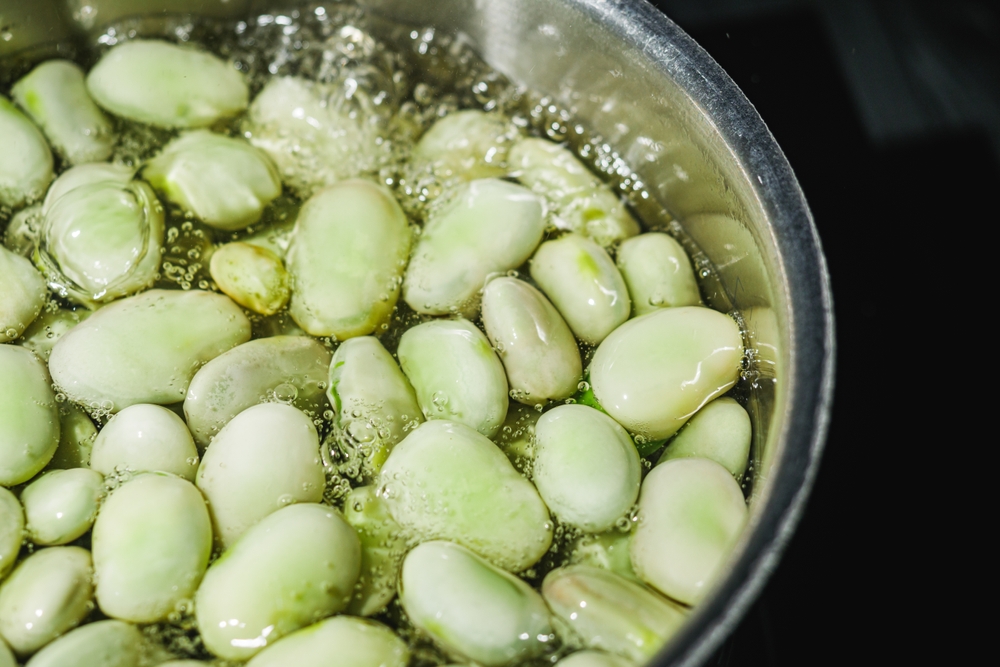
Lectins are naturally occurring proteins found in many plants. They help protect plants from pests and disease. Most lectins are harmless in normal amounts, but some found in raw pulses can interfere with digestion and irritate the gut.
According to EFSA’s 2026 assessment, PHA is the most toxic lectin commonly found in edible beans. In their acute exposure scenario, scientists looked at a situation in which beans were not cooked long enough and about half of the lectins remained active. They concluded that this scenario represents a health concern for all age groups.
Food safety guidance explains that eating as few as four or five raw red kidney beans can trigger symptoms. These effects typically appear within a few hours and may last several hours. In more severe cases, people may need medical attention due to dehydration from vomiting and diarrhea.
Why Some Cooking Methods Are Not Enough
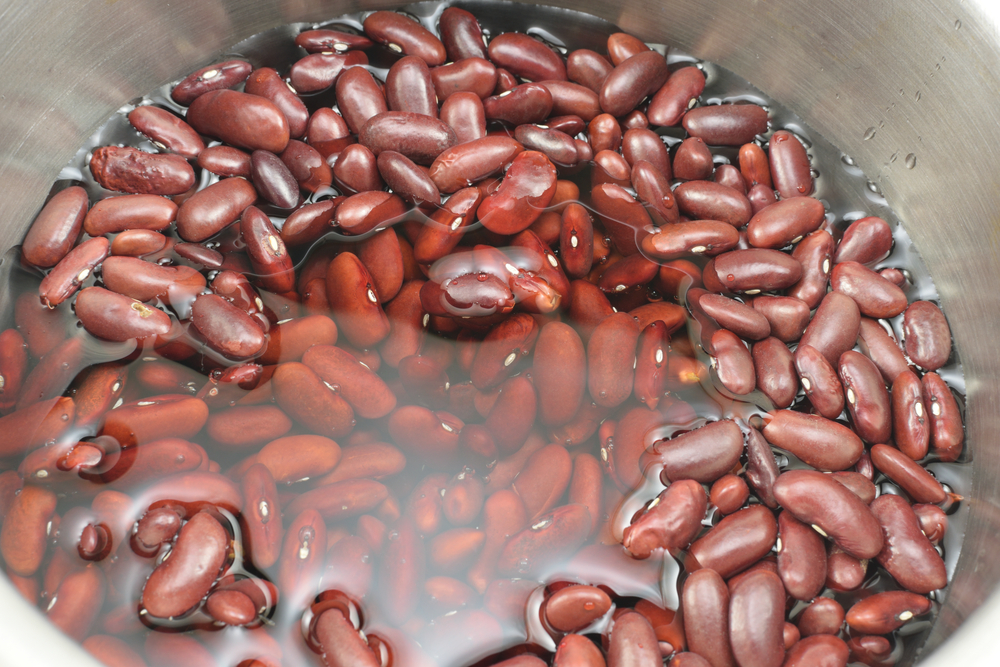
One reason this issue continues to surface is that not all cooking methods reach temperatures high enough to deactivate lectins. EFSA states that properly soaking and boiling beans is the most effective way to reduce risk. Beans should be soaked for six to twelve hours, the soaking water discarded, and then boiled for at least 30 minutes at 100 degrees Celsius.
Slow cookers can pose a particular problem. On lower settings, many slow cookers do not reach temperatures high enough to destroy lectins. This means that beans prepared in a slow cooker without prior boiling could still contain active toxins.
Microwaving, steaming, or lightly roasting beans are also considered less effective compared to thorough boiling. Experts advise cooking beans until they are fully soft. If the skins begin to curl or peel back, that is often a sign they are properly cooked.
What Families Should Know Before Serving Beans
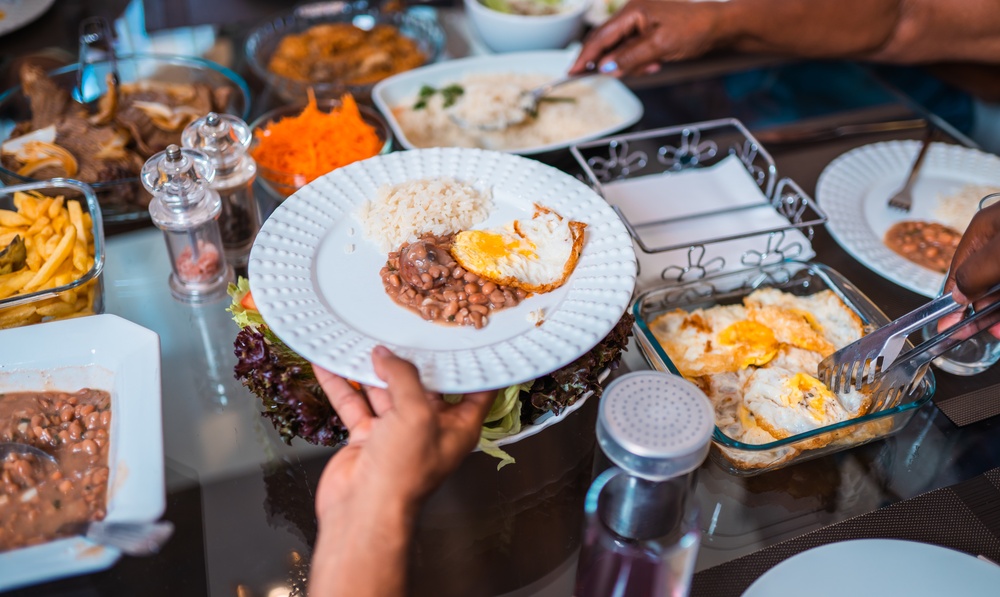
The good news is that the risk is preventable. EFSA makes clear that properly processed and prepared pulses do not pose a health risk related to lectins. The key is following safe preparation steps every time, especially when using dried beans.
Canned beans are generally safe because they have already been cooked at high temperatures during processing. The main concern applies to dried beans that are soaked and cooked at home. Skipping steps or cutting cooking time short to save time can increase risk.
For families, the takeaway is simple. Beans remain a nutritious and valuable part of a balanced diet. However, they should never be eaten raw, and they should not be undercooked. By soaking, discarding the soaking water, and boiling thoroughly, home cooks can enjoy the benefits of beans without exposing themselves or their loved ones to avoidable illness.