Wealthy Americans are Now Shopping at the Dollar Store for Basic Needs


Dollar stores used to be a symbol of tight budgets, now they’re a stop for households making six figures. Recent earnings from Dollar Tree, Dollar General, and Walmart all point to the same thing: even affluent Americans are trading down for essentials like food and cleaning supplies. Inflation has cooled compared to peak years, but the cost of living hasn’t reset.
And when grocery bills keep climbing faster than incomes, the “where” of shopping starts changing across every income bracket.
The U.S. is still in an affordability crunch: inflation in 2025 has remained above the Federal Reserve’s target, and basic needs have risen sharply since 2019. Groceries alone have jumped by roughly a third since 2019, while incomes haven’t kept pace at the same rate, forcing households to spend more of their budget on necessities. The result? People across the spectrum are changing how they shop; not for fun, but for survival math.
What the numbers say about “trading down”
Surveys show grocery stress is widespread. About half of Americans say buying food is harder now than a year ago, and a meaningful share report shrinking meals or skipping them to stretch budgets. When even middle-class families feel the pinch, higher-income households notice too. It’s less about “can they afford it?” and more about “why pay more if the same basics are cheaper elsewhere?”
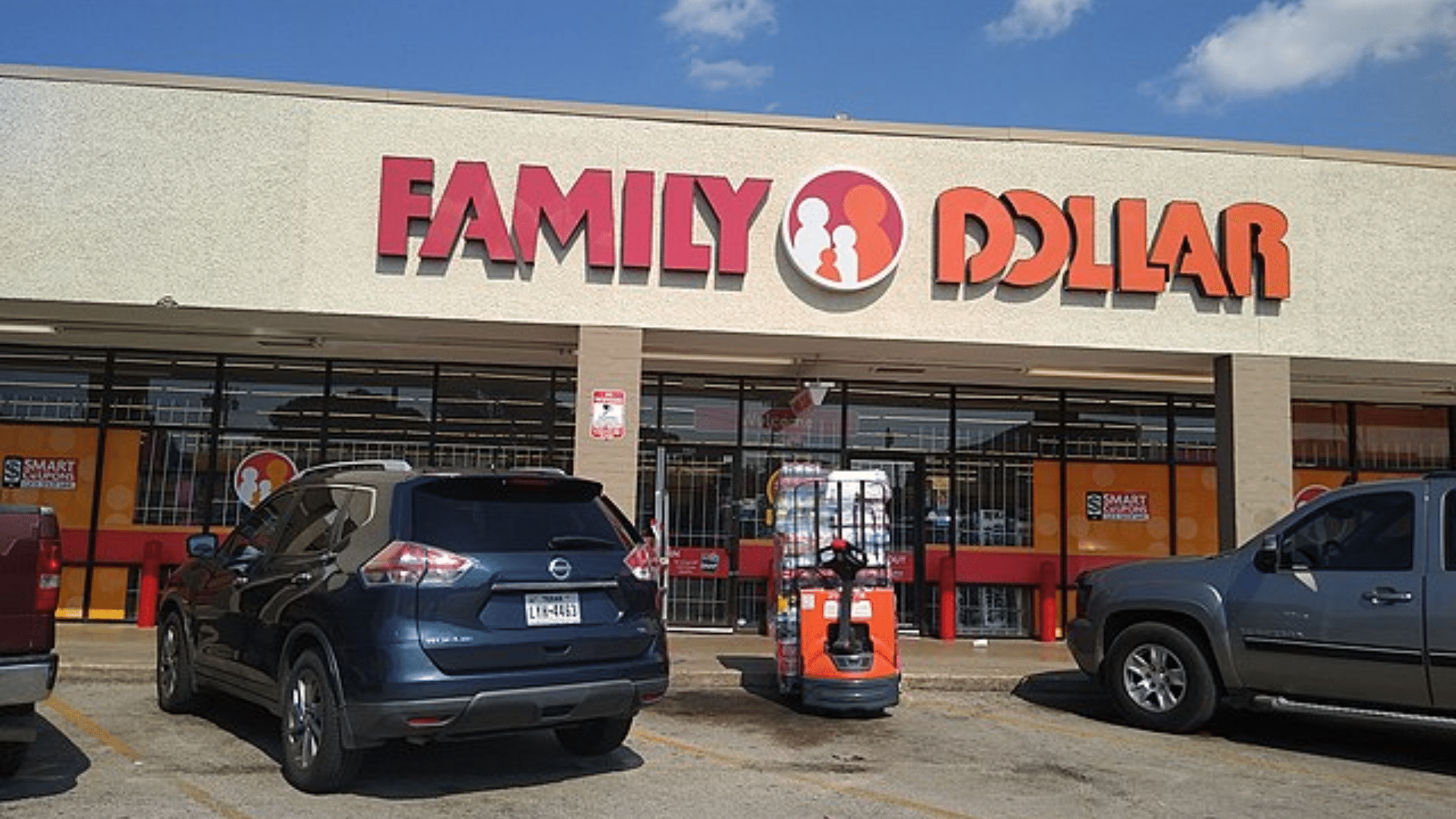
Dollar Tree’s latest quarter made the shift impossible to ignore: net sales rose about 9% year over year to roughly $4.75 billion, and millions of new households walked through the doors. The surprise detail? Around 60% of those new shoppers came from households earning over $100,000. Dollar Tree says it’s now serving a much broader mix of customers; value seekers, yes, but also people with comfortable incomes making deliberate spending cuts.
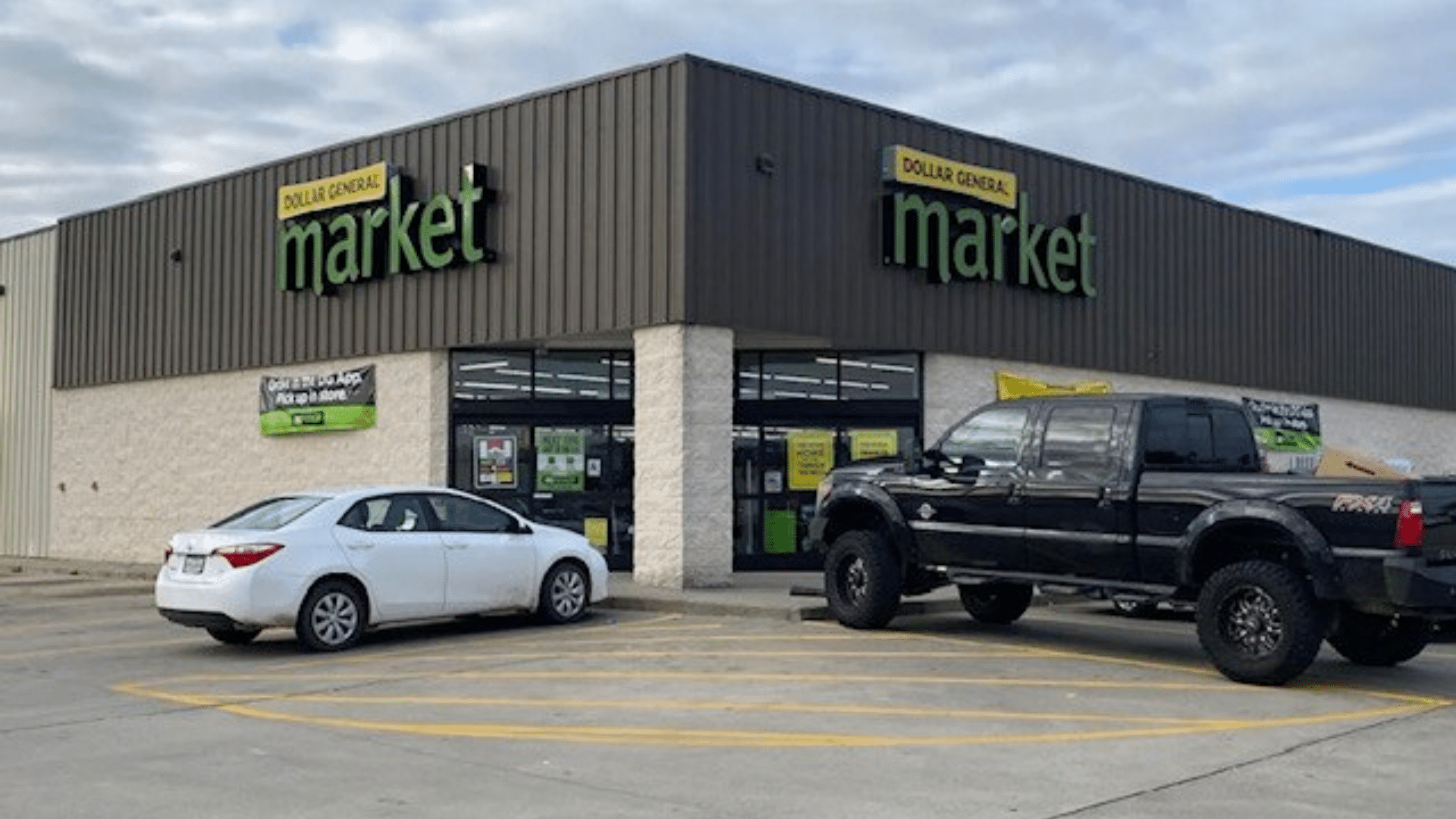
Dollar General’s third-quarter results echoed the pattern. Sales climbed mid-single digits, driven by higher traffic, and executives pointed to disproportionate growth from higher-income customers. The chain is expanding its grocery reach and delivery options, which makes it easier for time-pressed, higher-earning shoppers to stock up on basics without paying premium-store prices. The takeaway is blunt: DG growth isn’t only coming from the traditional base anymore.
Why richer households are choosing dollar stores now
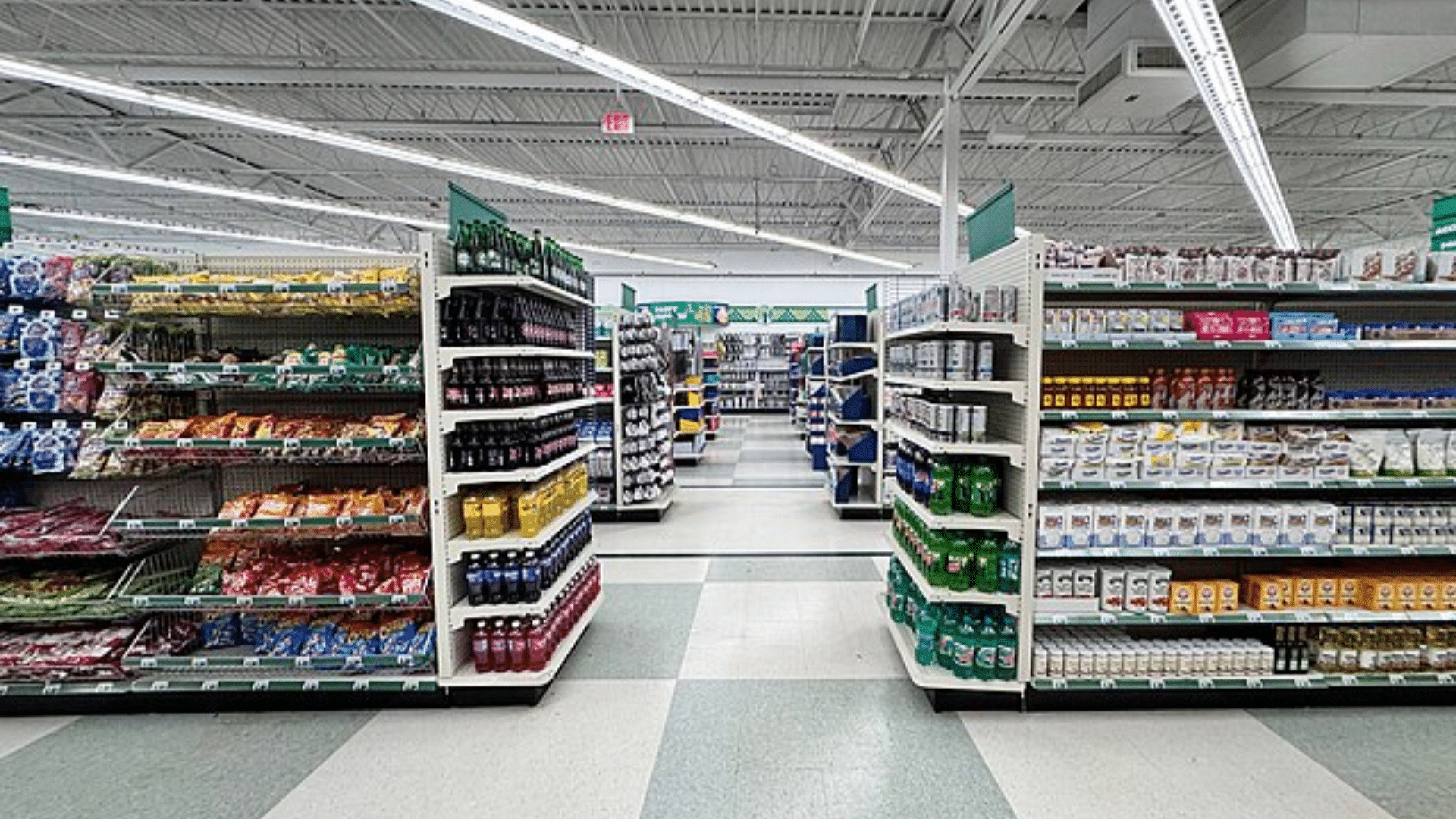
For wealthier shoppers, dollar stores are less about desperation and more about strategy. When staples cost noticeably more at supermarkets and big-box rivals, the appeal of a cheaper stop is obvious. Many higher-income consumers are still buying premium items, they’re just choosing where to save on boring essentials like paper goods, snacks, and cleaning products. Value shopping isn’t a stigma anymore; it’s a tactic.
Dollar chains have changed. They’re opening new locations, improving store formats, and offering more multi-price inventory, which lets shoppers grab both $1–$2 basics and slightly higher-ticket convenience items in one trip. Add faster delivery partnerships and expanded grocery sections, and these stores aren’t just cheap — they’re easy. That combination pulls in shoppers who value time as much as money.
Walmart’s recent performance points to the same trading-down wave. The company has said stronger traffic and grocery share are increasingly supported by higher-income families shopping there more often. The dynamic is simple: when budgets get tight, people consolidate trips around places with reliable low prices. Walmart is benefiting from that mindset shift especially among shoppers who once saw it as a backup, not a first choice.
What this trend really signals
When dollar stores thrive across every income bracket, economists often read it as a stress signal: households are adapting to prices that feel out of sync with paychecks. Lower-income families are leaning on discounters more than ever, while higher-income families are choosing them more often. That overlap says something bigger than a retail win; it hints that “affordable living” is shrinking for everyone.
So yes, it’s surprising to see six-figure households shopping dollar aisles for basics, but it’s also logical. Essentials cost more, incomes haven’t fully caught up, and value retailers are now built to serve far more than one demographic.
The real question isn’t whether wealthy Americans will keep shopping there. It’s whether this becomes the new normal for the entire country, and what happens if even discount prices stop feeling safe.