Well-Known Restaurant Chain Shrinks to 484 Locations as CEO Calls It ‘Right-Sizing’

Red Lobster is getting smaller on purpose, and the company wants everyone to know that’s actually the plan. As of this week, the seafood chain’s website lists 484 locations nationwide, down from 520 at the end of 2025. That’s a 7 percent drop in less than a year alone. Rather than frame the closures as a sign of trouble, the company is calling this deliberate shrinkage “right-sizing.”
The Chain Is Now a Quarter Smaller Than It Was in 2023
The scale of this contraction becomes clearer against a longer timeline. Red Lobster’s current footprint is roughly 25 percent smaller than it was at the end of 2023, before the wave of closures that preceded its May 2024 bankruptcy filing even began. The chain has continued shedding locations steadily since then, according to data from restaurant industry research firm Technomic.
A 55-Year-Old Location and a Times Square Icon Both Closed This Year
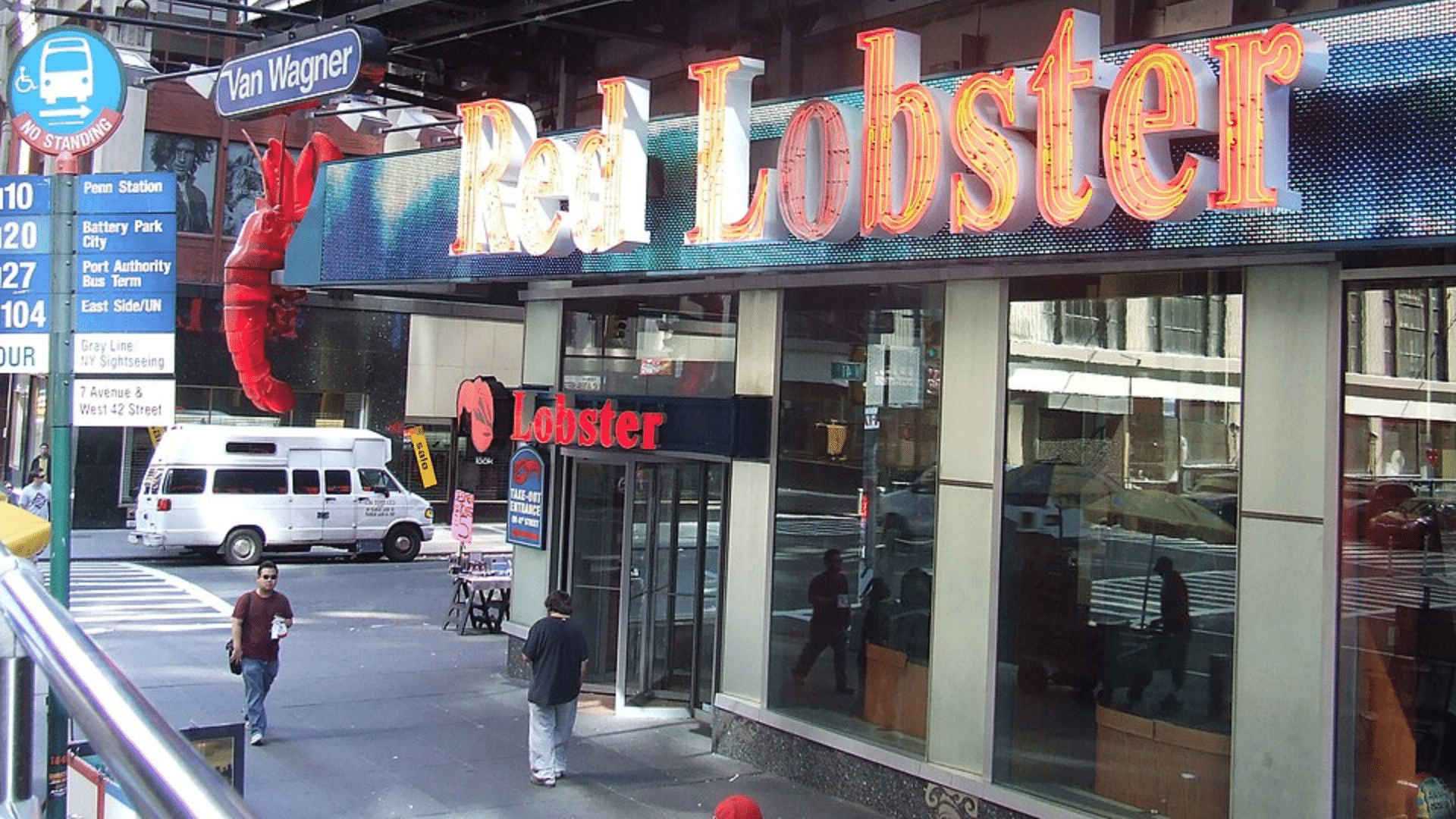
Several of the closures this year weren’t ordinary underperforming locations, they were genuine landmarks with decades of history behind them. The Red Lobster in Columbus, Georgia, closed last month after 55 years in business. In June, the chain’s Times Square location shut down after a 23-year run in one of the most visible and recognizable restaurant spots in the entire country.
The Quieter Closures Are Adding Up Across Multiple States
Beyond the high-profile closures, Red Lobster has been quietly trimming locations across multiple states in recent weeks. Local media reports confirm the chain closed three restaurants in Alabama, two in Illinois, and one in California during this same stretch. None of these individual closures made major national news on their own, but together they add up to the broader pattern driving the countdown.
The CEO Warned This Was Coming Back in February

None of this comes as a surprise to anyone tracking the company closely this year. CEO Damola Adamolekun told The Wall Street Journal back in February that Red Lobster needed to get smaller as part of its turnaround strategy. The company reiterated that same message this week, framing continued closures of underperforming restaurants as a core part of its long-term growth plan rather than a retreat.
“This Isn’t a Step Back, It’s How We Build Forward”

Red Lobster’s own public statement leaned directly into the reframing effort. “This isn’t a step back, it’s how we build forward,” the company said. It went further in a separate statement, arguing that “right-sizing our footprint strengthens the brand and enables things like more restaurant refreshes and a stronger guest experience at the locations built to carry this brand’s future.”
The Chain Has Shrunk by Nearly 200 Locations Since Its 2019 Peak
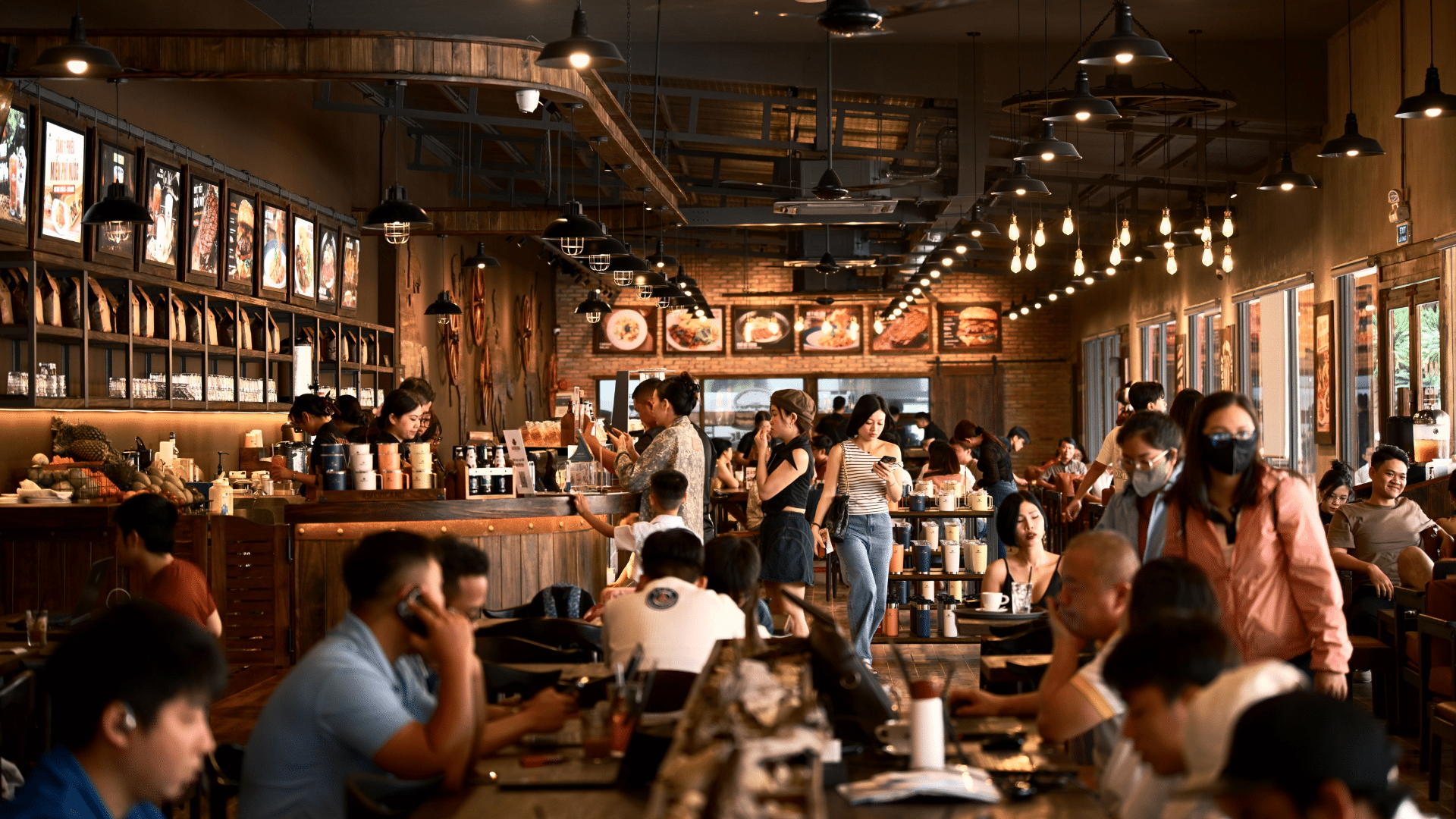
Red Lobster’s current size looks dramatically different from where the chain stood at its actual peak. The Orlando-based company reached 679 locations in 2019, according to Technomic, before beginning a steep decline. In its bankruptcy filings, Red Lobster explicitly acknowledged that it had overexpanded, a decision the company said directly contributed to its sales and traffic troubles in recent years.
A 2014 Real Estate Deal Still Haunts the Company’s Rent Bills

Expensive leases have compounded the chain’s financial pressure well beyond simple overexpansion alone. Then-owner Golden Gate Capital sold much of Red Lobster’s real estate back in 2014, then leased those same properties back from the new buyers. That sale-leaseback arrangement left the company paying rent on buildings it once fully owned, adding a persistent cost burden that outlasted that particular ownership era entirely.
Closing Stores Hasn’t Stopped Red Lobster From Investing in the Rest
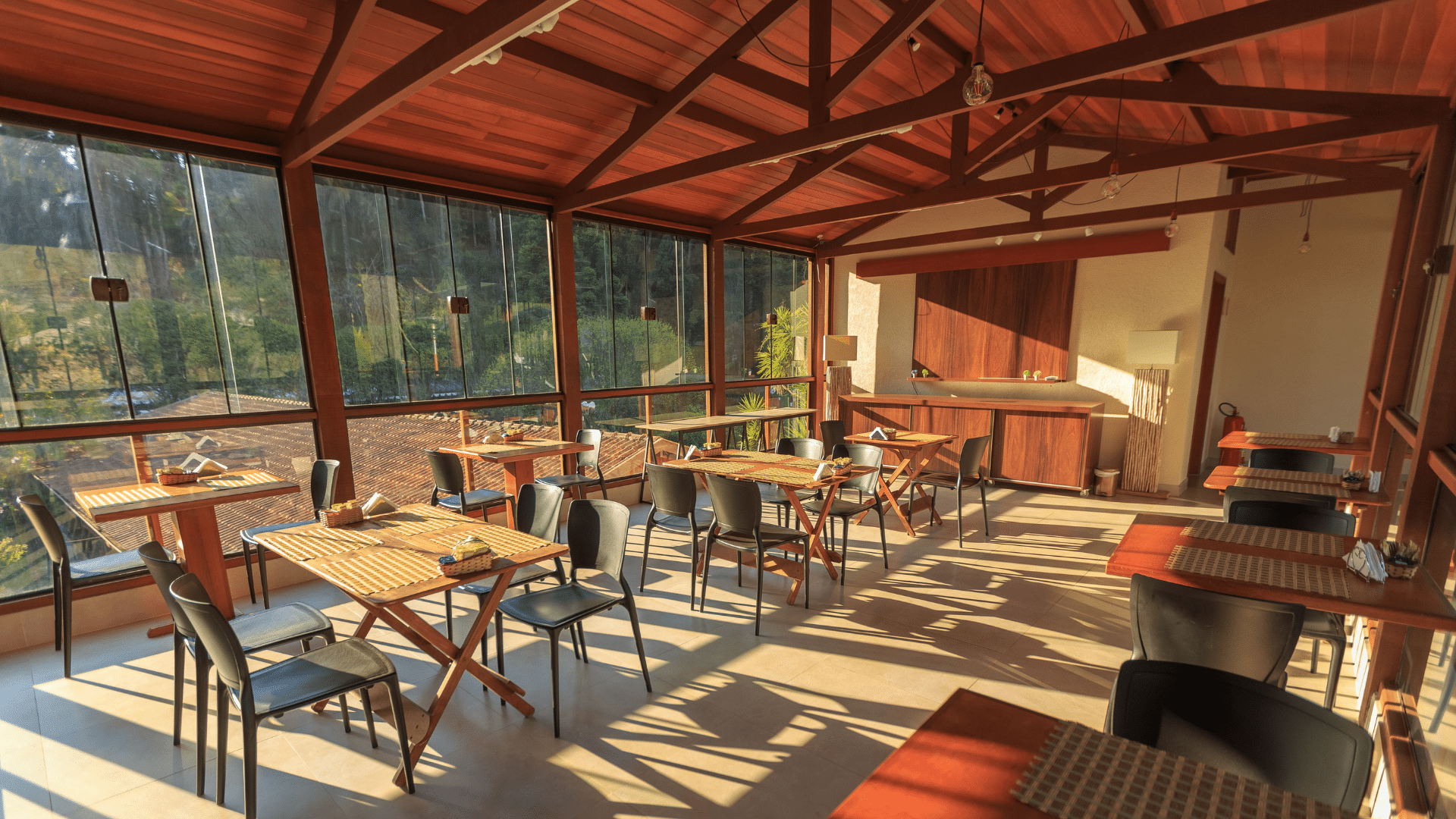
While closing weaker locations, Red Lobster has simultaneously been investing in the restaurants it plans to keep open long-term. The chain revived Endless Shrimp, a reworked version of the all-you-can-eat promotion that originally helped push it into bankruptcy, alongside a service initiative called Red Carpet Hospitality and a restaurant remodel program featuring a fresher, more contemporary look throughout its remaining locations.
New Restaurants Are Still Part of the Plan, Just Not Yet

Despite the ongoing contraction, Red Lobster insists new restaurant openings remain part of its future plans, just not its immediate focus. “As we continue building momentum, we absolutely expect new restaurants to be part of Red Lobster’s future,” said Kristen Briede, the company’s chief global development officer, in a July interview. For now, though, getting the existing footprint right clearly comes first.