What Farmers Wish Consumers Knew About “Organic” Claims

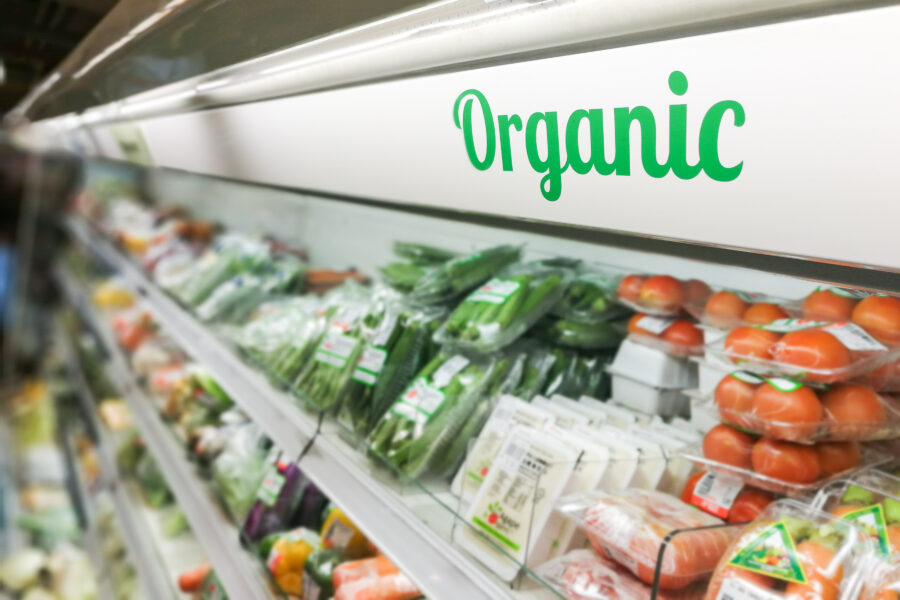
For many shoppers, the word “organic” has become a shorthand for “healthy, safe, and environmentally friendly.”
Sales of organic products have skyrocketed in recent years, with consumers often paying premium prices for produce, dairy, and meat that carry the USDA’s organic seal.
But farmers and researchers say the reality is more complicated. While organic farming has benefits, many common beliefs about what “organic” means don’t always match the facts. Here are eight things farmers wish consumers better understood about organic claims.
The Price Premium Isn’t Always About Quality

Many consumers believe the higher cost of organic food guarantees better quality or health benefits. But farmers point out that much of the premium price comes from the added costs of certification, paperwork, and stricter farming practices, not necessarily from superior nutrition. As Harvard researcher Robert Paarlberg argues in his book, Resetting the Table: Straight Talk about the Food We Grow and Eat, studies show that organic doesn’t consistently deliver better health outcomes compared to conventional produce.
Food Safety Depends on Farming Practices, Not Just Labels
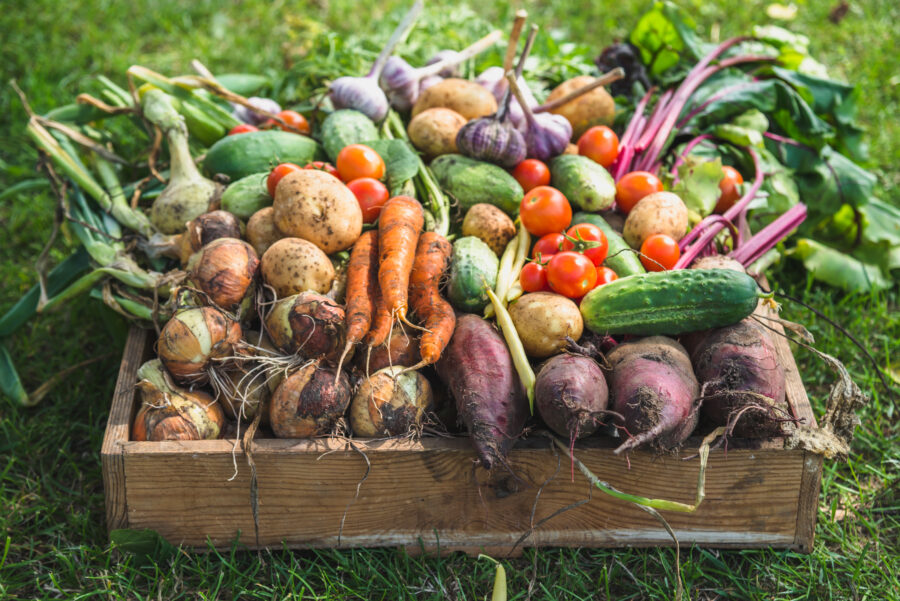
A University of Minnesota study found that organic produce wasn’t more likely than conventional produce to carry dangerous pathogens like Salmonella or E. coli O157:H7. However, organic crops were more likely to show signs of manure-related contamination, especially when farms used fresh or cattle manure as fertilizer. Certified organic farms, which follow strict rules on manure handling, had far lower contamination rates. Farmers stress that it’s farming practices, not the organic label alone, that determine food safety.
Organic Doesn’t Mean Pesticide-Free
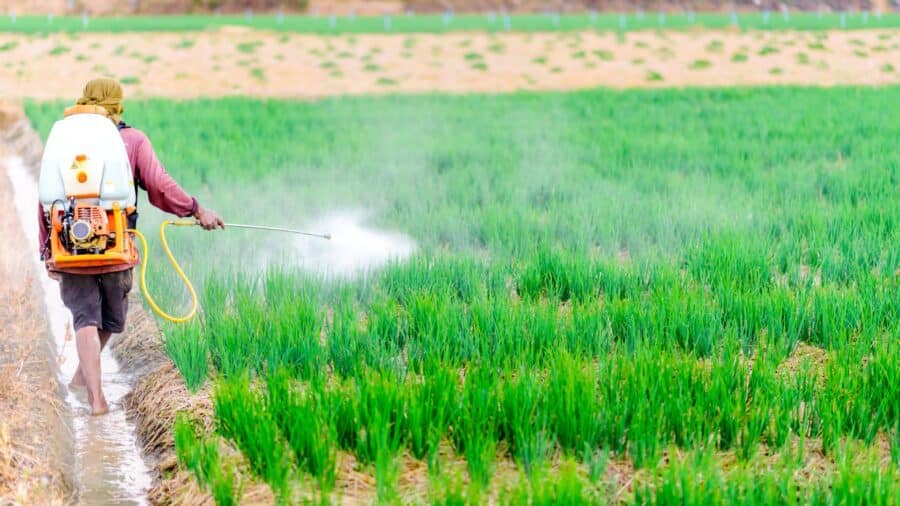
A common misconception is that organic farming avoids all pesticides. In reality, organic farms do use pesticides—but they must be derived from natural sources and approved for organic use. While these chemicals are often less persistent than synthetic ones, they can still impact ecosystems and must be carefully managed. Farmers argue that the idea of “no chemicals” in organic food is misleading.
Yields Are Lower, Land Use Is Higher
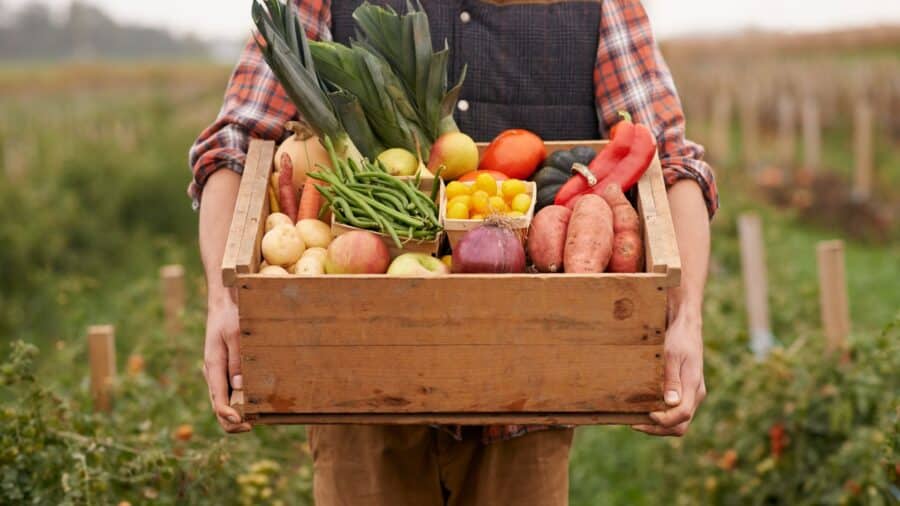
Research has shown that organic farming often produces lower yields compared to conventional methods. That means more land is required to produce the same amount of food. Some studies warn that scaling up organic farming without efficiency improvements could lead to unintended consequences for the environment, such as higher land use and increased pressure on natural habitats.
Conventional Farmers Aren’t Cutting Corners
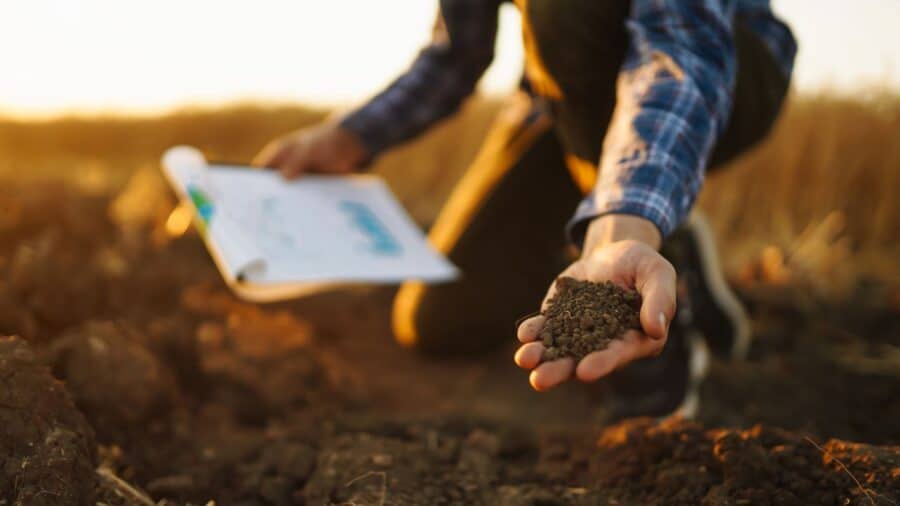
Many farmers take pride in sustainable practices, whether they are certified organic or not. Conventional farms also follow strict safety and environmental guidelines, and many integrate conservation strategies like crop rotation, integrated pest management, and soil health monitoring. Farmers wish consumers knew that organic is just one of many approaches to sustainability, not the only one.
“Organic” Doesn’t Guarantee Superior Nutrition
Consumers often assume organic food is more nutritious. But multiple reviews have found only small differences in nutrient content, such as slightly higher antioxidant levels in some organic produce. Farmers caution that freshness, ripeness at harvest, and storage conditions often have a much greater impact on nutrition than whether food is labeled organic.
Certification Is Costly and Complicated
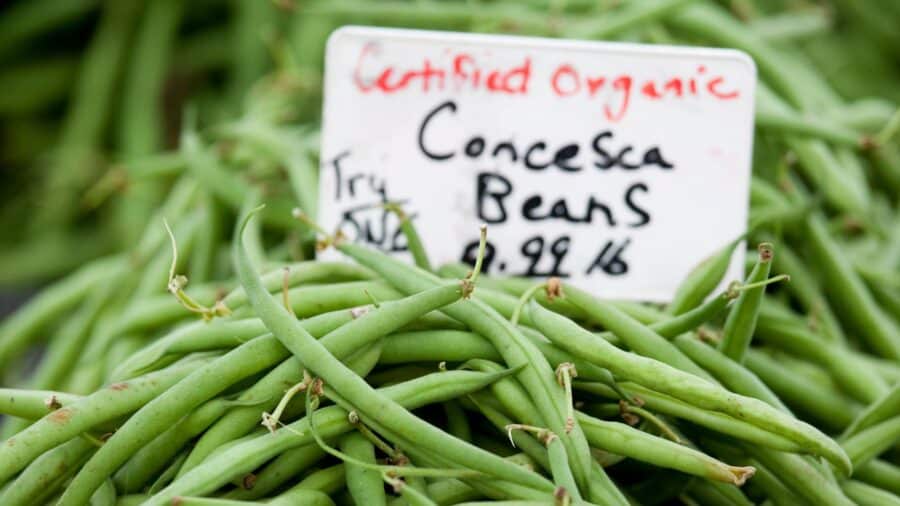
For small-scale farmers, the process of becoming USDA-certified organic can be expensive and bureaucratic. Some choose not to certify, even though they use organic practices, simply because the paperwork and fees outweigh the benefits. This creates confusion for consumers who equate certification with trustworthiness, when in reality, many uncertified farms are equally committed to safe and sustainable practices.
Labels Can Be Misleading
Farmers point out that marketing often oversimplifies “organic” into “good” and “conventional” into “bad.” In reality, both systems have trade-offs. Organic farming reduces synthetic chemical use but requires more land. Conventional farming can achieve higher yields with fewer acres but often relies on synthetic inputs. Understanding these nuances helps consumers make informed decisions without being swayed by marketing buzzwords.
Final Take: Farmers Want Transparency, Not Myths
At the end of the day, farmers—both organic and conventional—say they want consumers to understand what the labels really mean. Instead of assuming that “organic” equals healthier, safer, or more sustainable, they encourage people to ask questions about farming practices, talk to local growers, and recognize the trade-offs involved in producing food at scale.