What Food Safety Experts Say What They Won’t Order When Dining Out At Restaurants and Why


Food safety professionals spend their careers studying outbreaks, contamination risks and the small mistakes that can lead to foodborne illness. When they dine out, their menu choices are often shaped by what they know happens behind the scenes in kitchens. Some foods carry higher risks because of how they are processed, stored or served. Understanding what experts avoid can help diners make safer decisions when eating at restaurants.
Why Certain Restaurant Foods Raise Red Flags
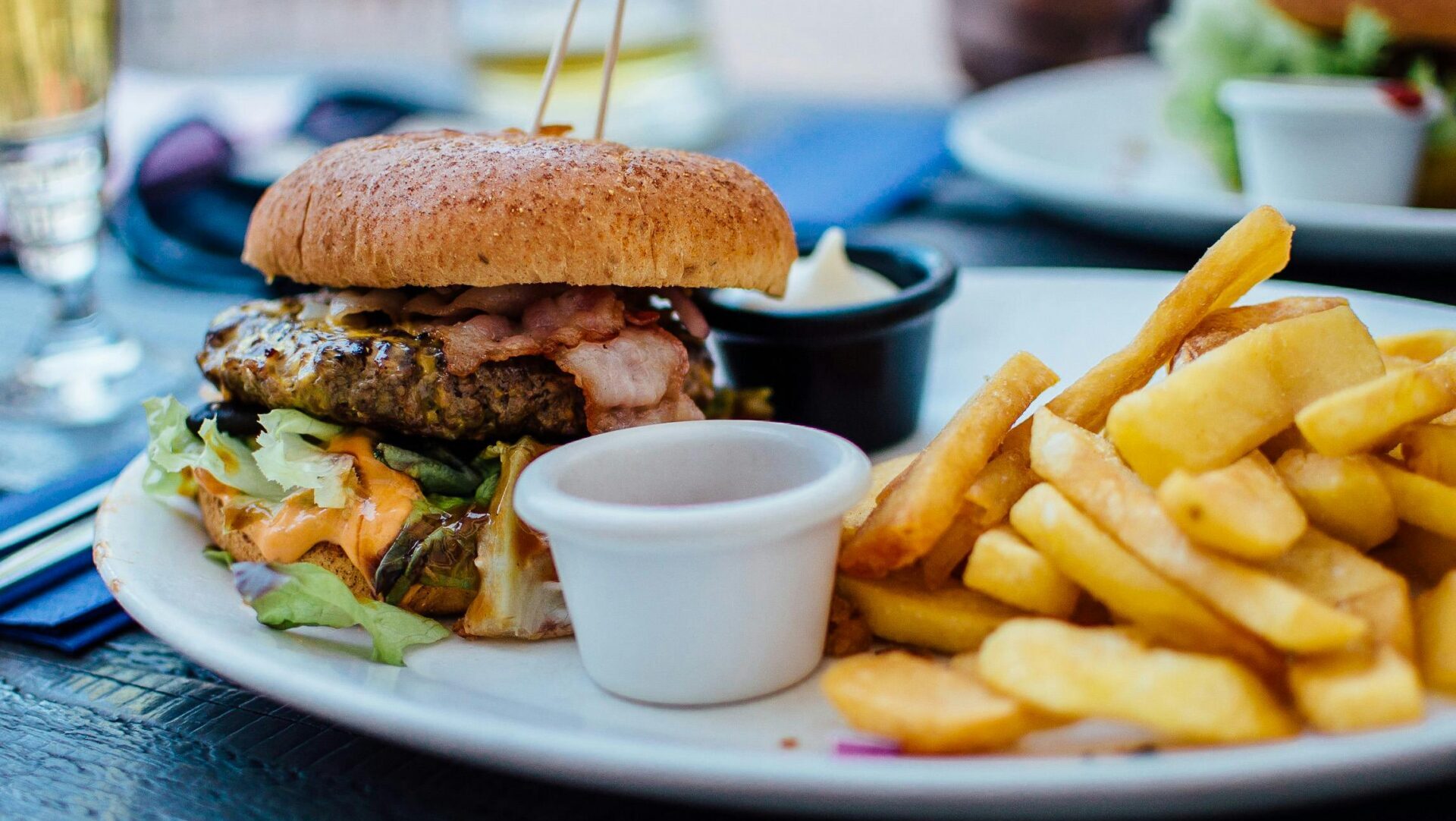
According to the CDC, roughly 48 million Americans get sick from foodborne illness each year. Many of these cases are linked to foods that are eaten raw or handled extensively before serving. Experts say that cooking, proper storage and careful preparation are critical safety barriers. When those safeguards are missing, the risk increases.
Bagged Salads and Leafy Greens
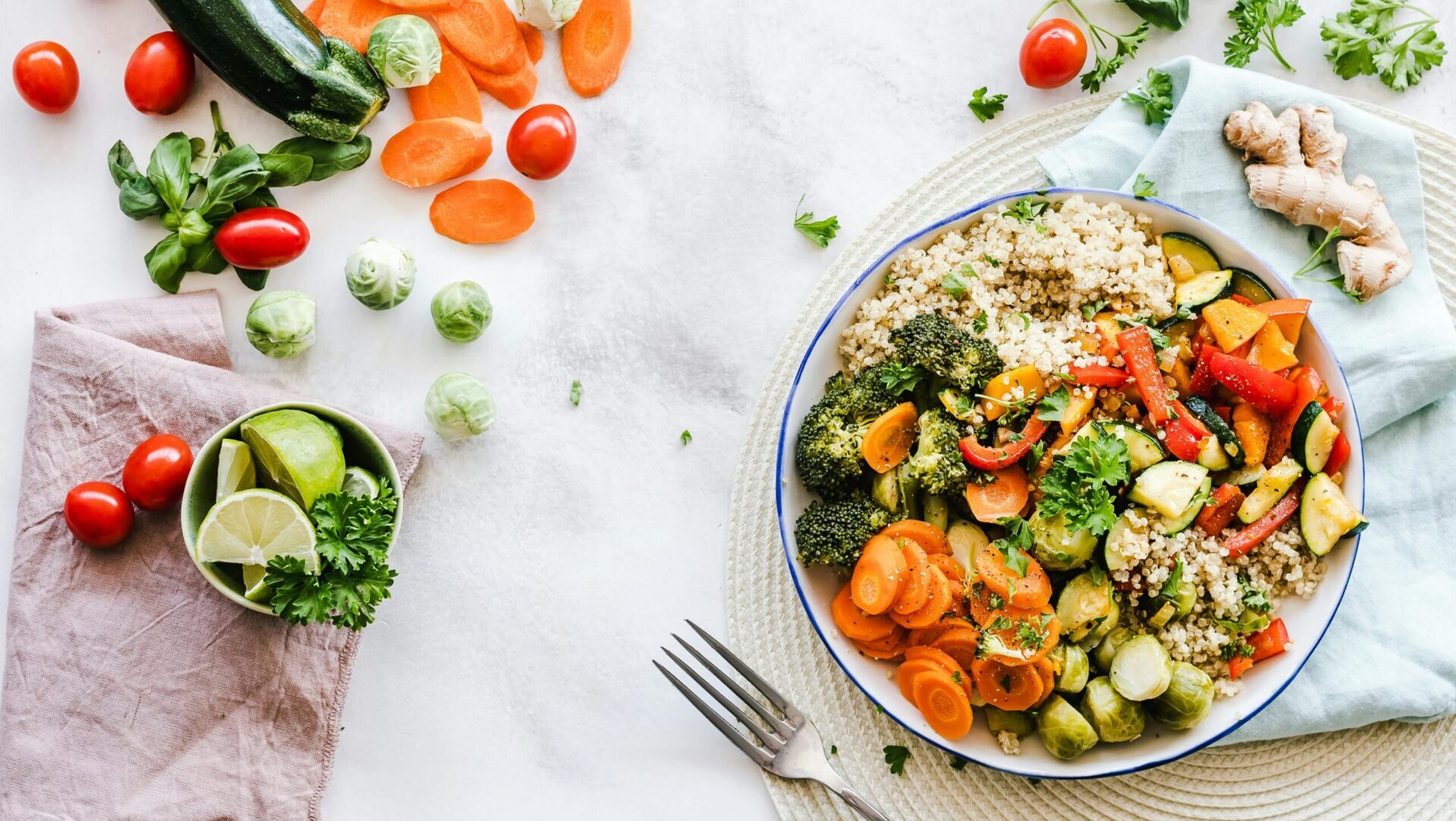
Leafy greens are frequently linked to outbreaks because they are often eaten raw. Large batches processed in centralized facilities can spread contamination widely if bacteria are present. Without cooking to kill pathogens, any contamination may go straight to the plate. For this reason, many food safety professionals skip raw greens when dining out.
Raw Sprouts
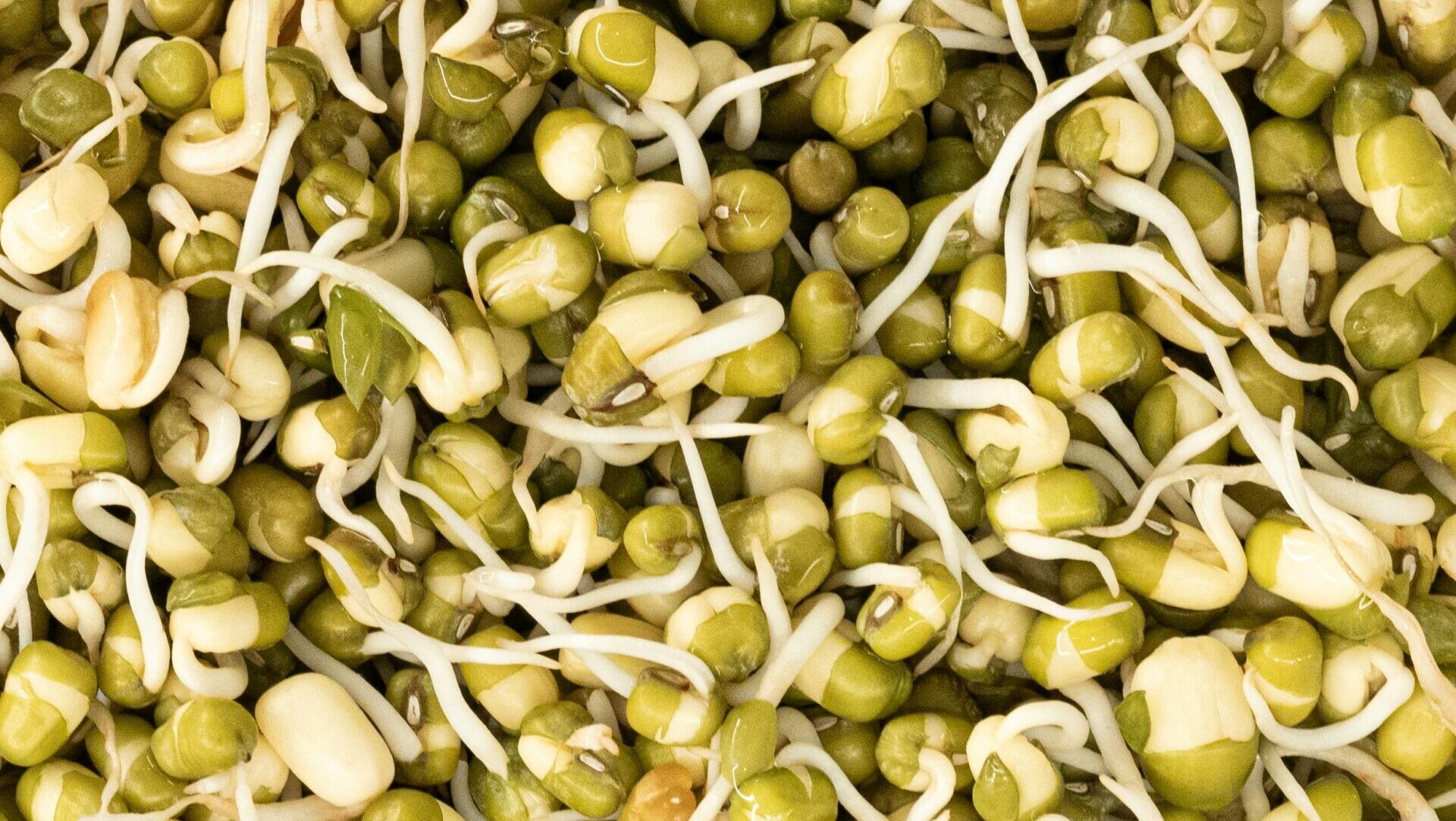
Sprouts such as alfalfa and bean sprouts grow in warm, moist environments that can also encourage bacterial growth. Since they are typically served raw, there is no cooking step to eliminate harmful microbes. Even thorough rinsing does not reliably remove all contamination. Experts often avoid them entirely in restaurant meals.
Undercooked Ground Meat
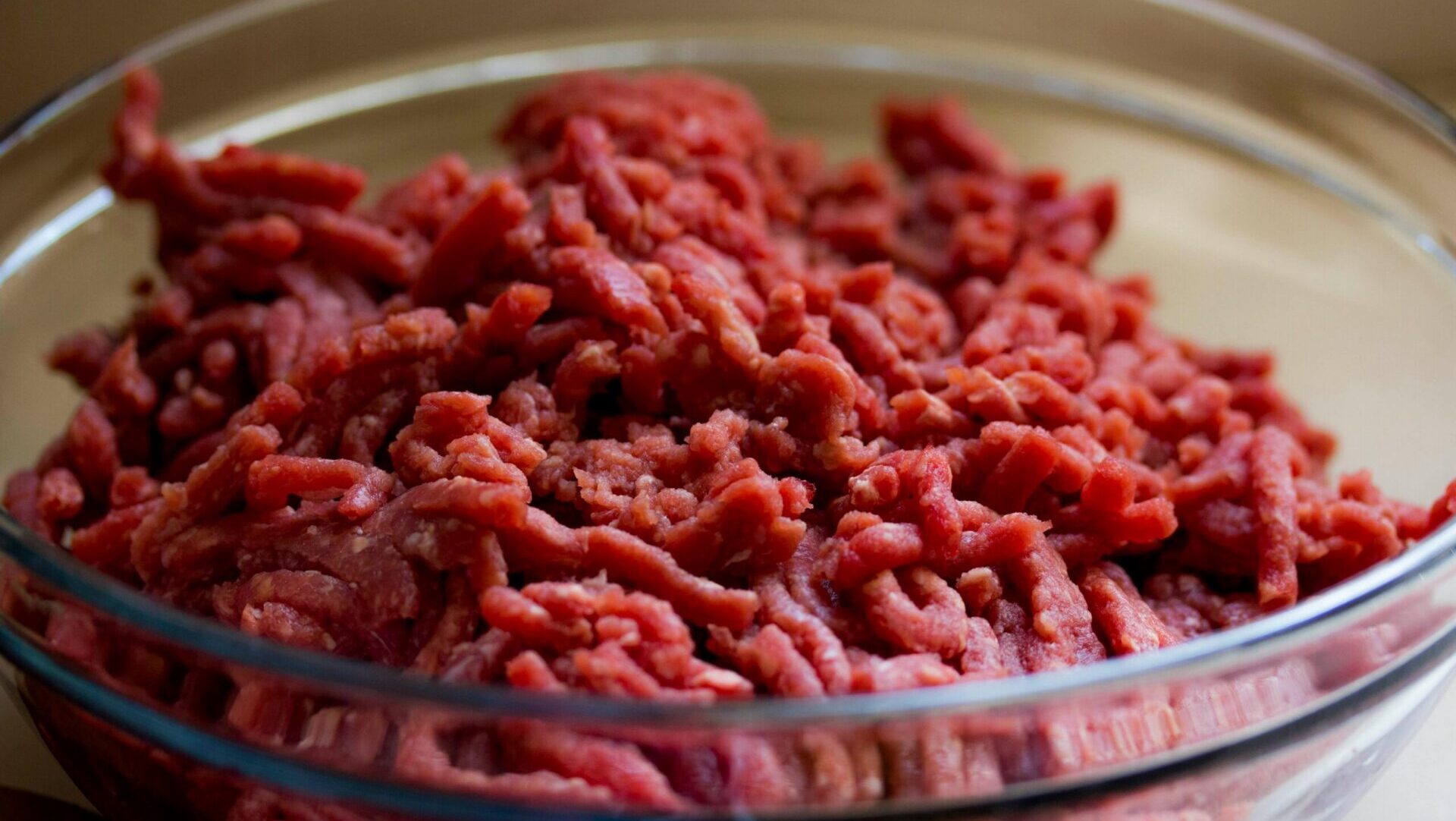
Ground meat carries added risk because bacteria on the surface become mixed throughout during processing. Unlike whole cuts of meat, it must reach a safe internal temperature all the way through. Ordering burgers rare or medium rare can increase exposure to pathogens such as E. coli. Many specialists either order ground meat well done or avoid it.
Deli Meats and Ready to Eat Items
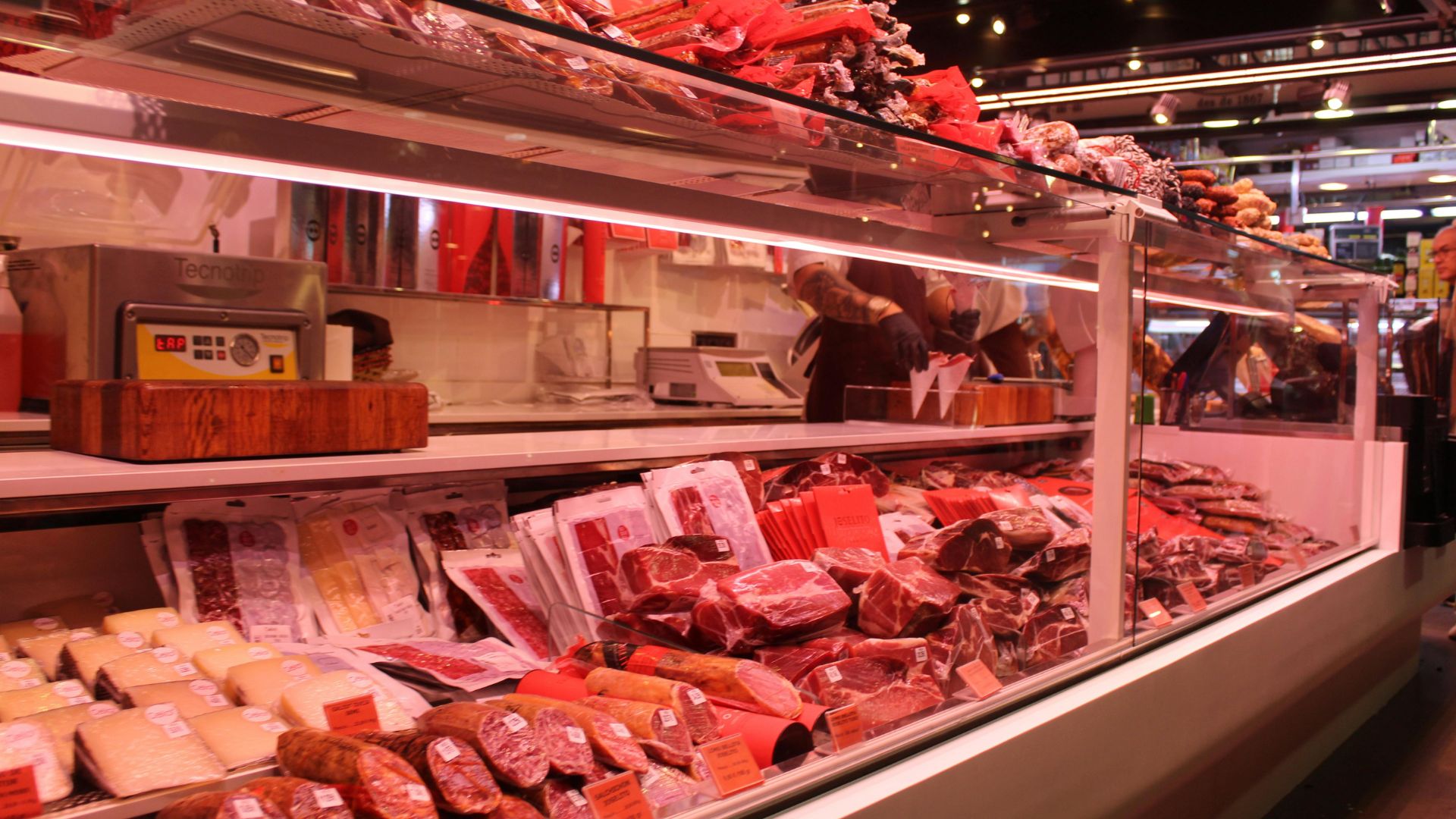
Cold cuts and ready to eat meats rely heavily on proper refrigeration and handling rather than heat to kill bacteria. Listeria has been linked to these foods in past outbreaks. Vulnerable groups such as pregnant women and older adults face higher risks from this pathogen. As a result, food safety experts are cautious about ordering them.
Pre Cut Fruit and Produce
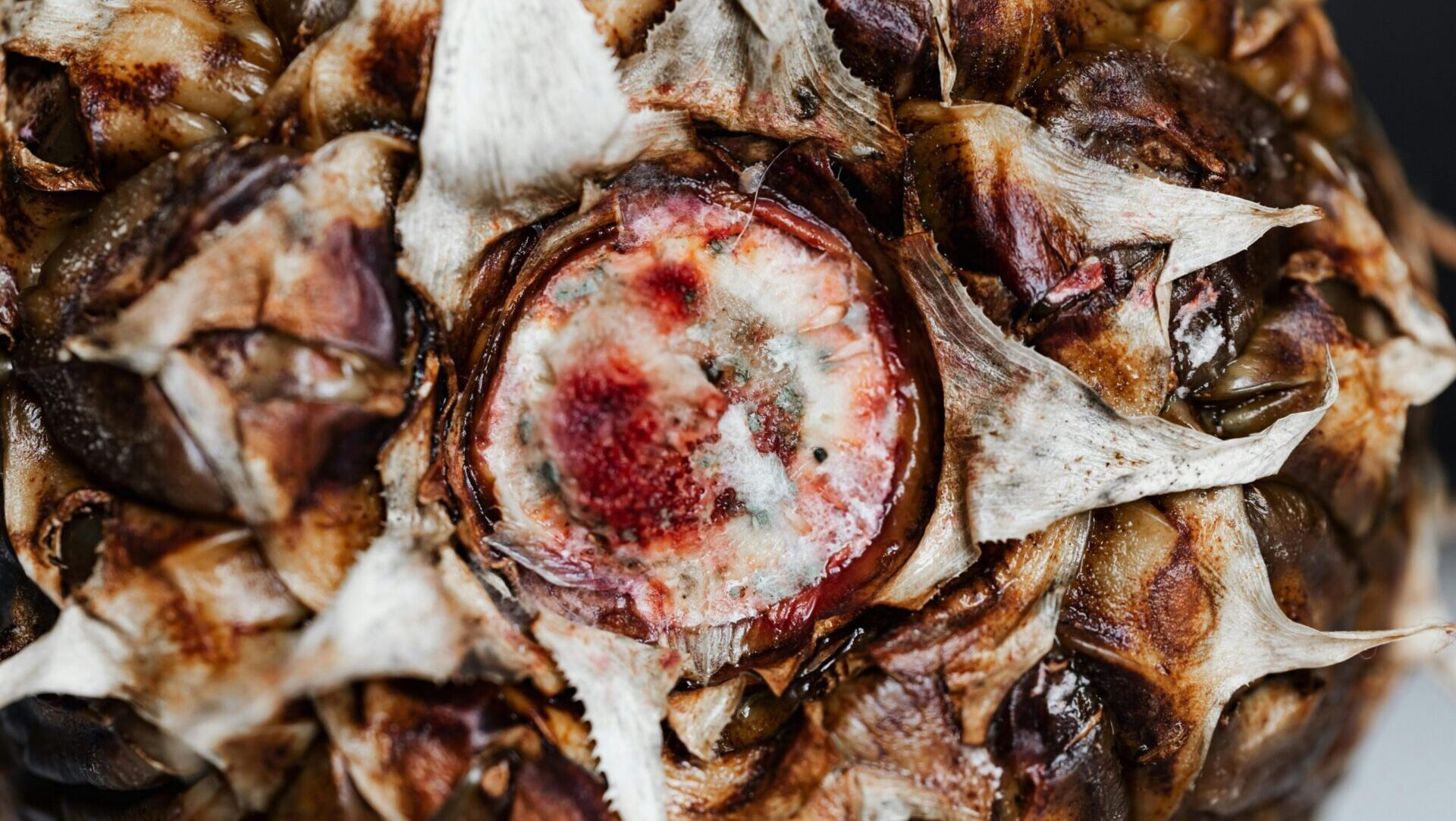
Fruit that has been sliced or diced undergoes extra handling steps before reaching the table. Each step introduces potential for contamination. Since fruit is not cooked before serving, bacteria are not destroyed. Experts often prefer whole fruit they can peel themselves.
Buffet and Self Serve Foods
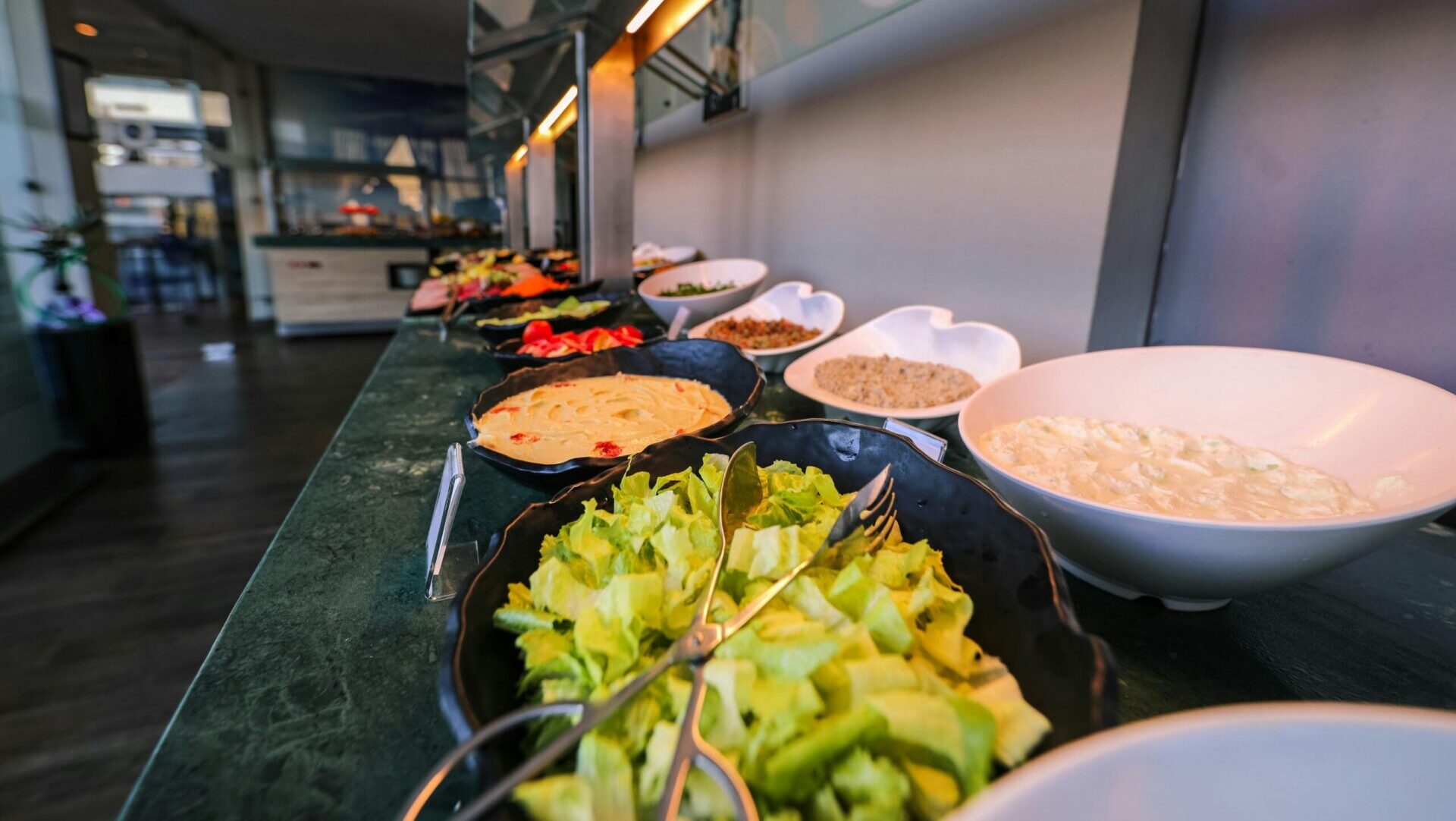
Buffets may involve prolonged holding times at improper temperatures. Food may also be exposed to multiple diners and utensils. Temperature control is crucial for preventing bacterial growth. Professionals say that inconsistent monitoring can increase risk in these settings.
Raw Seafood and Unpasteurized Items
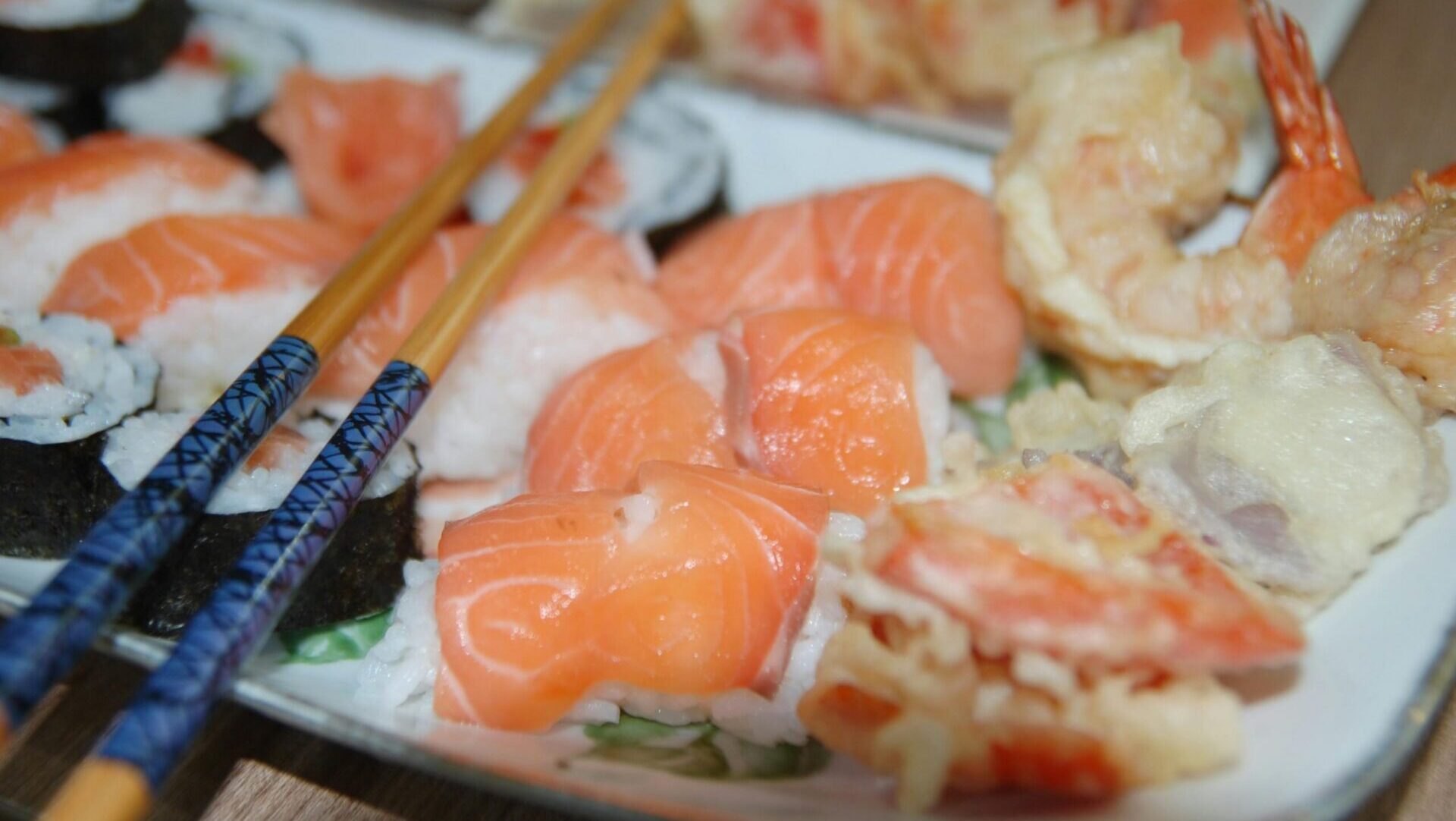
Raw oysters, sushi and unpasteurized dairy products can carry harmful microorganisms. While many establishments follow strict safety standards, raw products always carry some risk. Cooking and pasteurization significantly reduce bacterial and viral threats. That extra layer of protection is why many experts avoid these options.
What Safer Choices Look Like
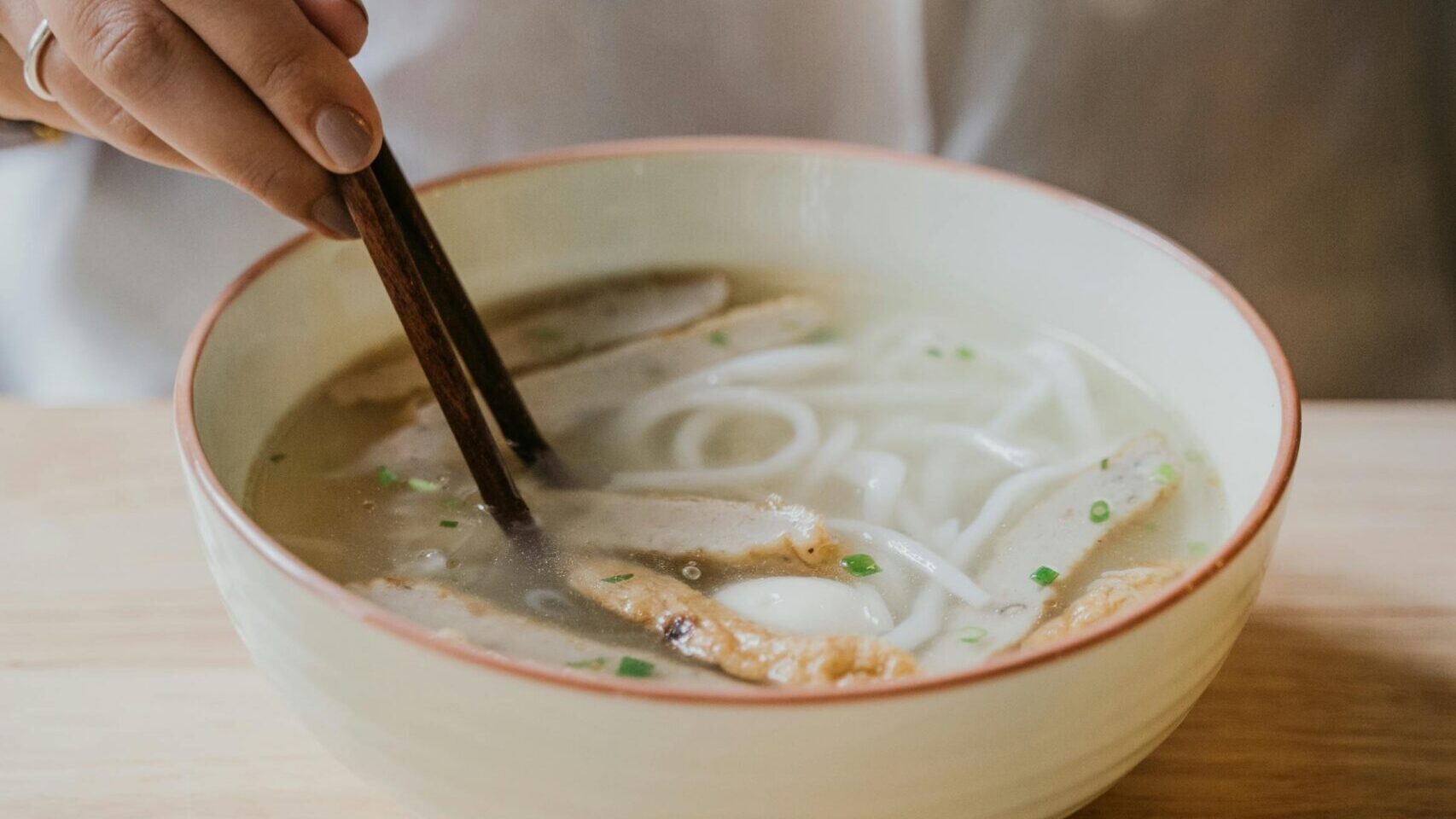
Food safety professionals are not avoiding restaurants altogether. Instead, they favor thoroughly cooked dishes served hot and freshly prepared. Asking about preparation methods and choosing simple menu items can reduce risk. By following similar principles, diners can enjoy eating out with greater confidence.