What to Know About the Parasite Outbreak Affecting Taco Bell’s Menu
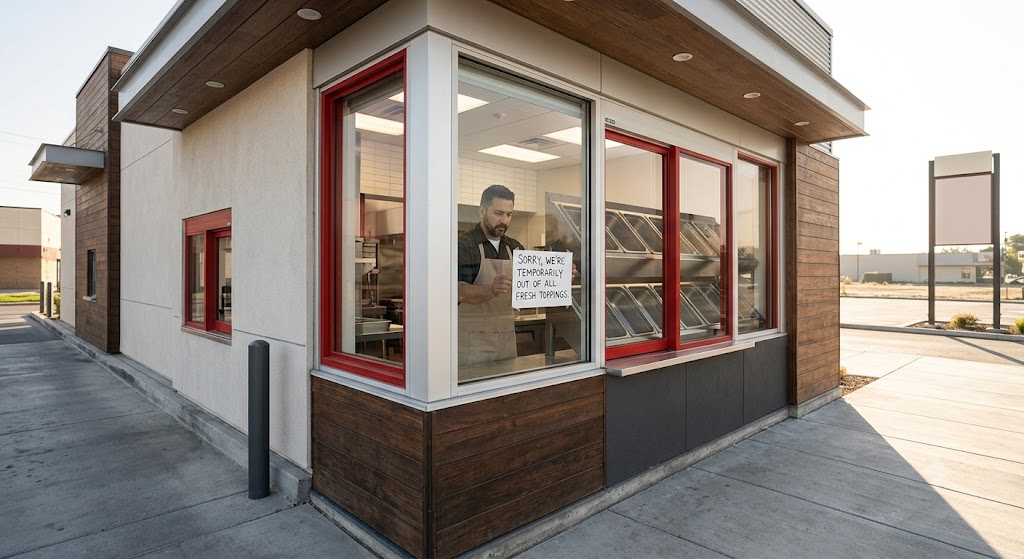

Taco Bell has temporarily pulled several fresh ingredients from menus at select locations across the country. The move comes as health officials investigate a growing outbreak of cyclosporiasis, an intestinal illness tied to contaminated produce. Signs posted at some restaurants in Michigan told customers the chain was unable to sell lettuce, cilantro onion, pico de gallo, and guacamole due to a nationwide recall. The company says the step is a precaution, not an admission of fault. For millions of regular customers, it raises a simple question: what exactly is going on, and should diners be worried the next time they order a burrito or a taco?
This article was created with the assistance of AI and reviewed by our editorial team for accuracy and clarity.
The Illness Behind the Headlines
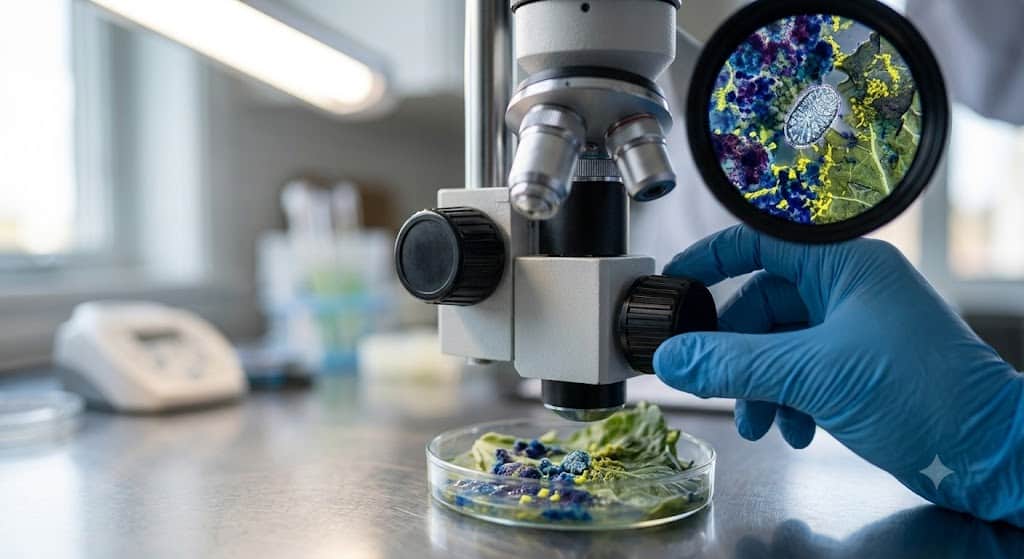
The outbreak is caused by Cyclospora cayetanensis, a microscopic parasite that infects the small intestine. It is not new. Cyclosporiasis shows up most summers in the United States, usually linked to imported fresh produce. What makes this case notable is its scale. The Centers for Disease Control and Prevention has confirmed more than 1,600 cases across 34 states, and officials believe the real number is likely higher since many mild cases go unreported. The illness spreads through contaminated food or water, never person to person, which is an important distinction from viruses like norovirus that circulate more easily in group settings.
Symptoms Can Last for Weeks

Cyclosporiasis is unpleasant and, in some cases, debilitating. The CDC describes watery diarrhea that can become frequent and, in blunt terms, explosive. Other symptoms include loss of appetite, stomach cramps, bloating, nausea, and fatigue. Unlike a typical stomach bug that clears up in a day or two, this illness can drag on for weeks if untreated, and symptoms may come and go in cycles. Some people also experience significant weight loss. Anyone with prolonged diarrhea lasting more than a few days is generally advised to seek medical care, since prescription antibiotics are often needed to fully clear the infection.
Investigators Have Not Pinned Down One Culprit
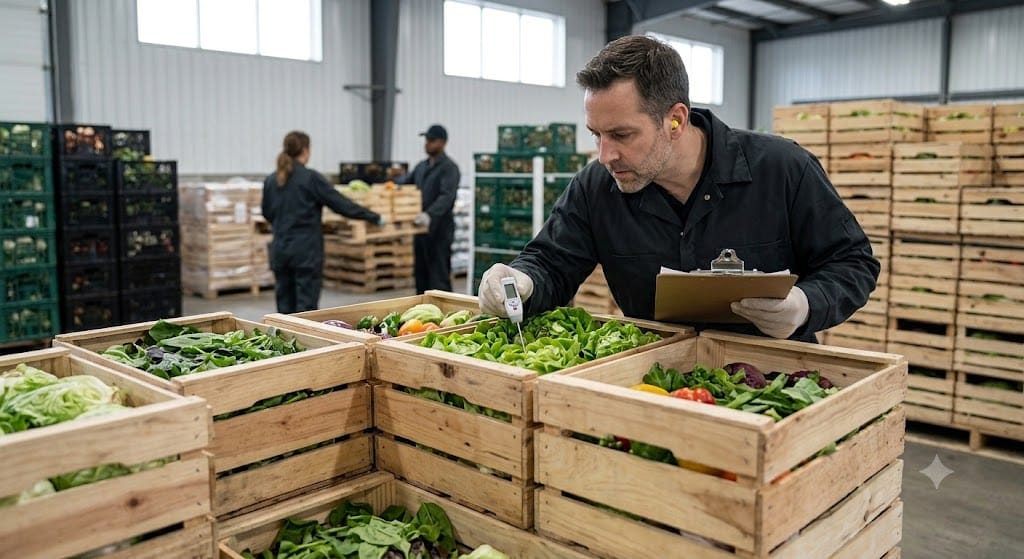
Despite the attention on Taco Bell, health officials have been careful not to name a single confirmed source. Michigan’s health department pointed to lettuce or other salad greens as a possible link, but noted that some infected people never ate at Taco Bell at all. That detail matters. It suggests the outbreak may involve more than one contaminated ingredient or supplier, spread across multiple restaurants and grocery products. In past years, cyclospora has turned up on items ranging from bagged salad kits to fresh basil, raspberries, snow peas, and green onions, showing how many different foods can carry the parasite.
Taco Bell’s Official Response
Taco Bell has confirmed it voluntarily and temporarily removed limited ingredients at select restaurants as a precaution while the investigation continues. In a statement, the company emphasized that public health officials have not confirmed a link between the outbreak and any specific ingredient, supplier, or location tied to the brand. A spokesperson said guest health and safety remain the company’s top priority and that it is working with suppliers to verify new produce sources before reintroducing the affected items. No firm timeline has been given for when lettuce, guacamole, and other items will return to menus nationwide.
Prices Are Staying the Same
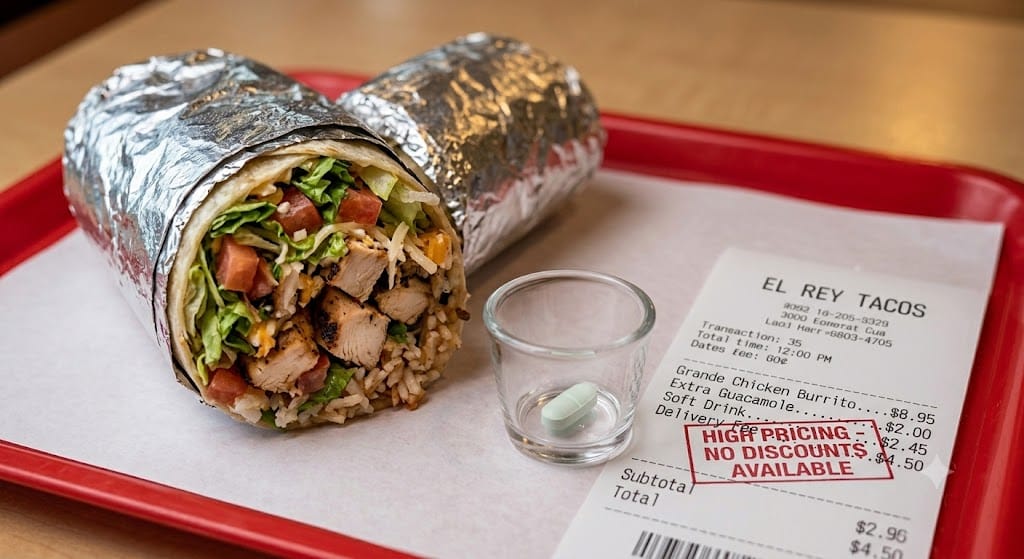
One detail has caught customers off guard. Even with lettuce, guacamole, and pico de gallo missing from many orders, Taco Bell has not lowered prices on affected items. Burritos, tacos, and bowls are still being sold at their usual cost, minus the ingredients in question. This is common practice in the food industry during ingredient shortages or recalls, since suppliers and menu pricing are typically set well in advance. Still, it is a useful reminder for diners to check what is actually included before ordering, especially at locations directly affected by the removals.
This Is Not Limited to One Chain
Taco Bell is far from the only business responding to the outbreak. Sweetgreen, a chain built around fresh salads, saw its stock drop sharply as investors worried about its reliance on leafy greens. Smaller restaurants have taken similar precautions on their own. A cafe in Maryland pulled certain menu items, a bar in Michigan removed lettuce entirely, and a small vegan restaurant chain in Florida dropped lettuce from every location as a preventive measure. The pattern shows how a single contamination event in the produce supply chain can ripple across the entire food service industry, not just one brand.
Why Produce Is So Often the Source
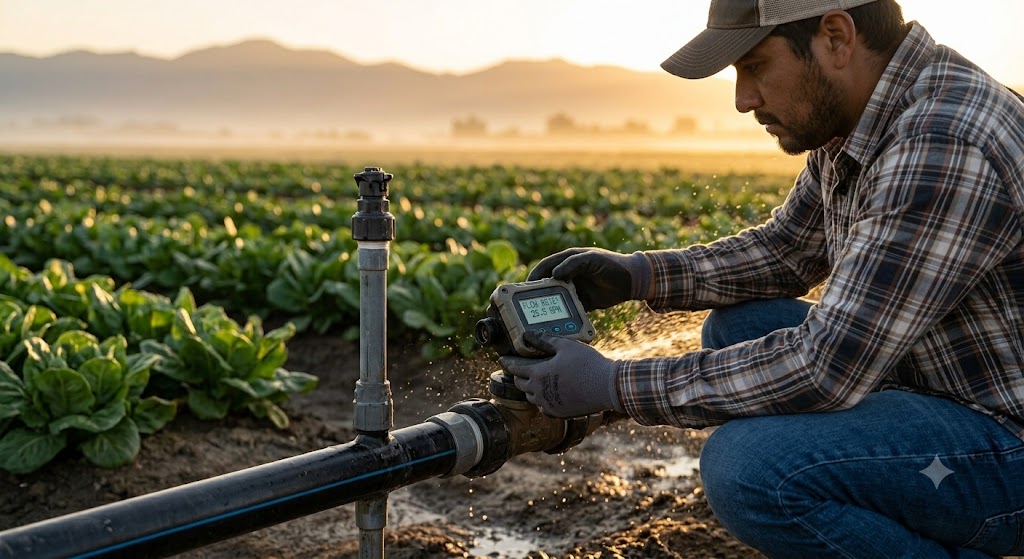
Cyclospora tends to target fresh, unwashed, or minimally processed produce because the parasite survives standard rinsing. It often enters the supply chain through irrigation water or handling practices in regions where it is more common, and imported produce has historically been linked to past U.S. outbreaks. Because fresh vegetables and herbs are eaten raw, there is no cooking step to kill the parasite before it reaches a plate. This is why health officials frequently focus on greens, herbs, and berries first when tracing an outbreak, even before a specific source is confirmed.
What Diners Can Do in the Meantime
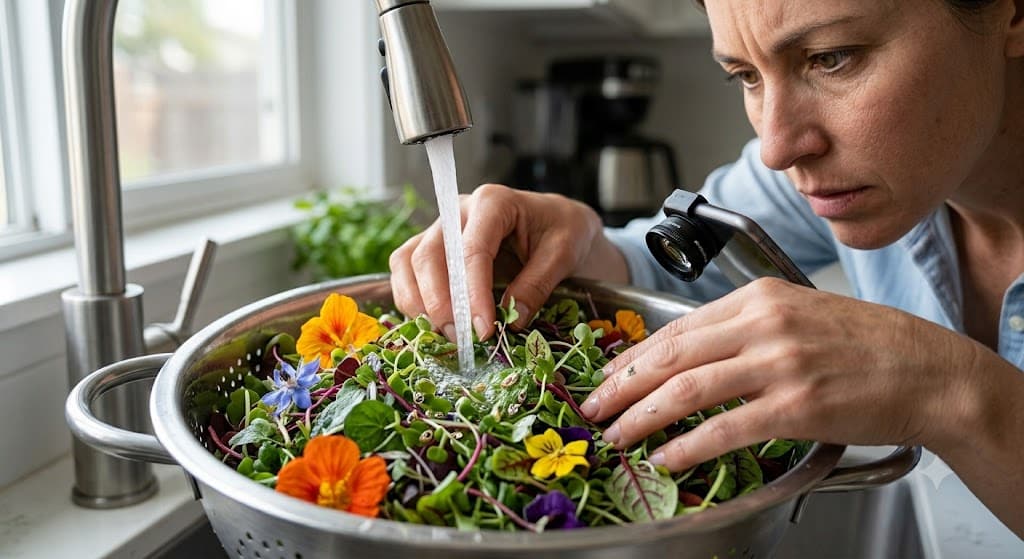
There is no way for customers to visually detect contaminated produce, since cyclospora is microscopic and does not change how food looks, smells, or tastes. During an active outbreak, food safety experts generally recommend washing produce thoroughly at home, staying informed about recalls in your area, and seeking medical attention promptly if diarrhea persists for several days. Most healthy adults recover fully with proper treatment, though the process can be uncomfortable. Checking with a doctor early, rather than waiting out prolonged symptoms, tends to shorten the illness significantly.
The Bigger Picture

This outbreak is a reminder of how interconnected the food supply chain really is. A single contamination point, whether at a farm, a processing facility, or a distributor, can affect grocery stores and restaurant chains at the same time, regardless of how careful any individual business is. Taco Bell’s decision to pull ingredients before a confirmed link was even established reflects a broader shift toward caution in the food industry following past high profile outbreaks. As investigators continue narrowing down the source, the situation offers a useful takeaway for everyone: even trusted, everyday foods carry some risk, and quick action from both companies and consumers plays a real role in limiting how far an outbreak spreads.