Why Americans Still Panic-Buy Bread, Milk, and Eggs Before Winter Storms
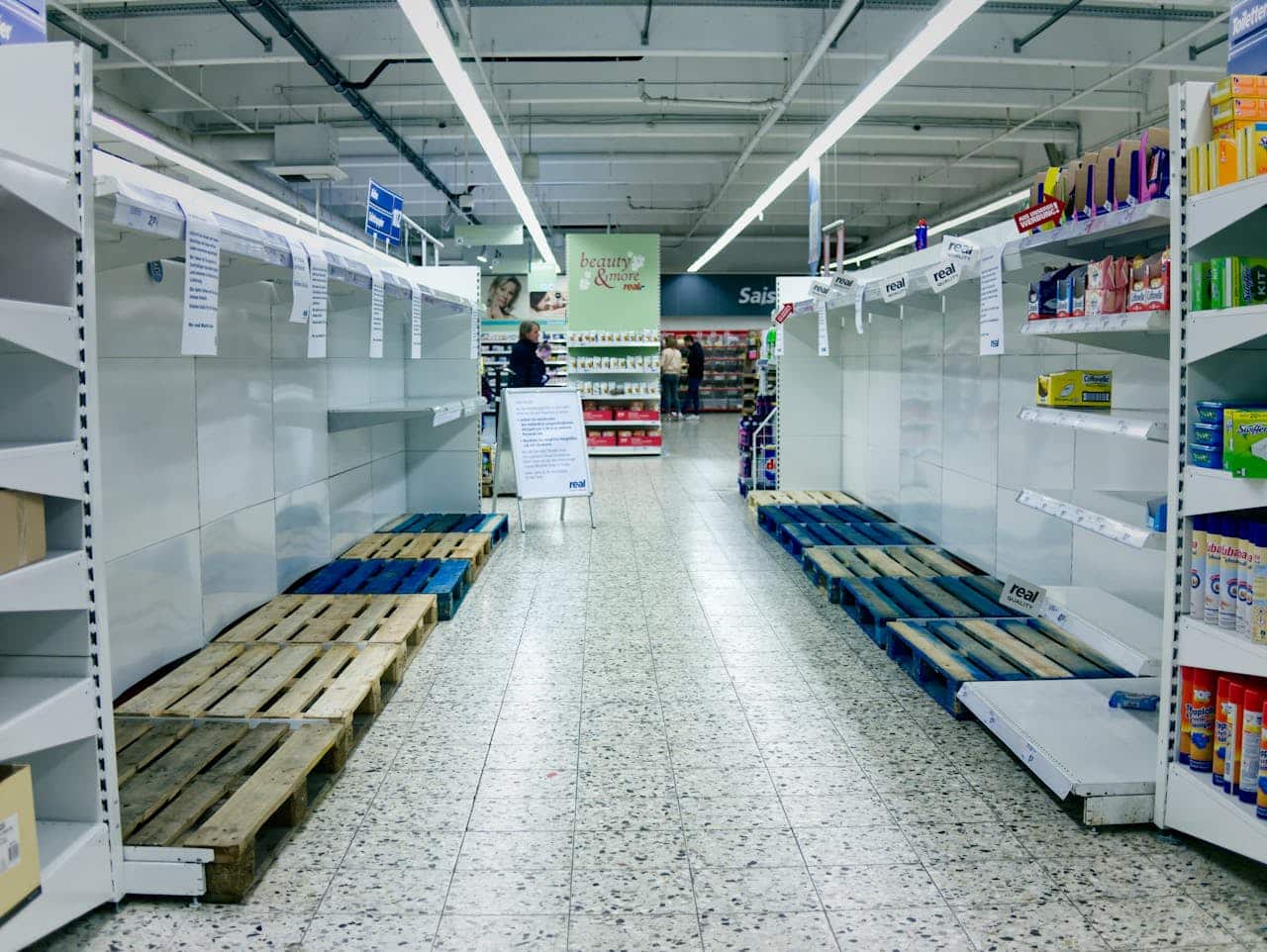

Every time a major storm looms, a familiar ritual unfolds. Grocery aisles empty, carts overflow, and ordinary items suddenly feel scarce. Milk, eggs, bread, and toilet paper become symbols of survival rather than simple household goods.
This pattern is not unique to any single crisis. From hurricanes to blizzards to labor strikes, panic buying resurfaces whenever uncertainty enters daily life. The behavior often appears irrational, especially when forecasts suggest disruptions will be temporary.
Psychologists argue that what drives this behavior is not logic or careful planning, but emotion. In moments of perceived threat, fear reshapes how people assess risk, scarcity, and their own preparedness.
The Psychology of Fear and Catastrophic Thinking
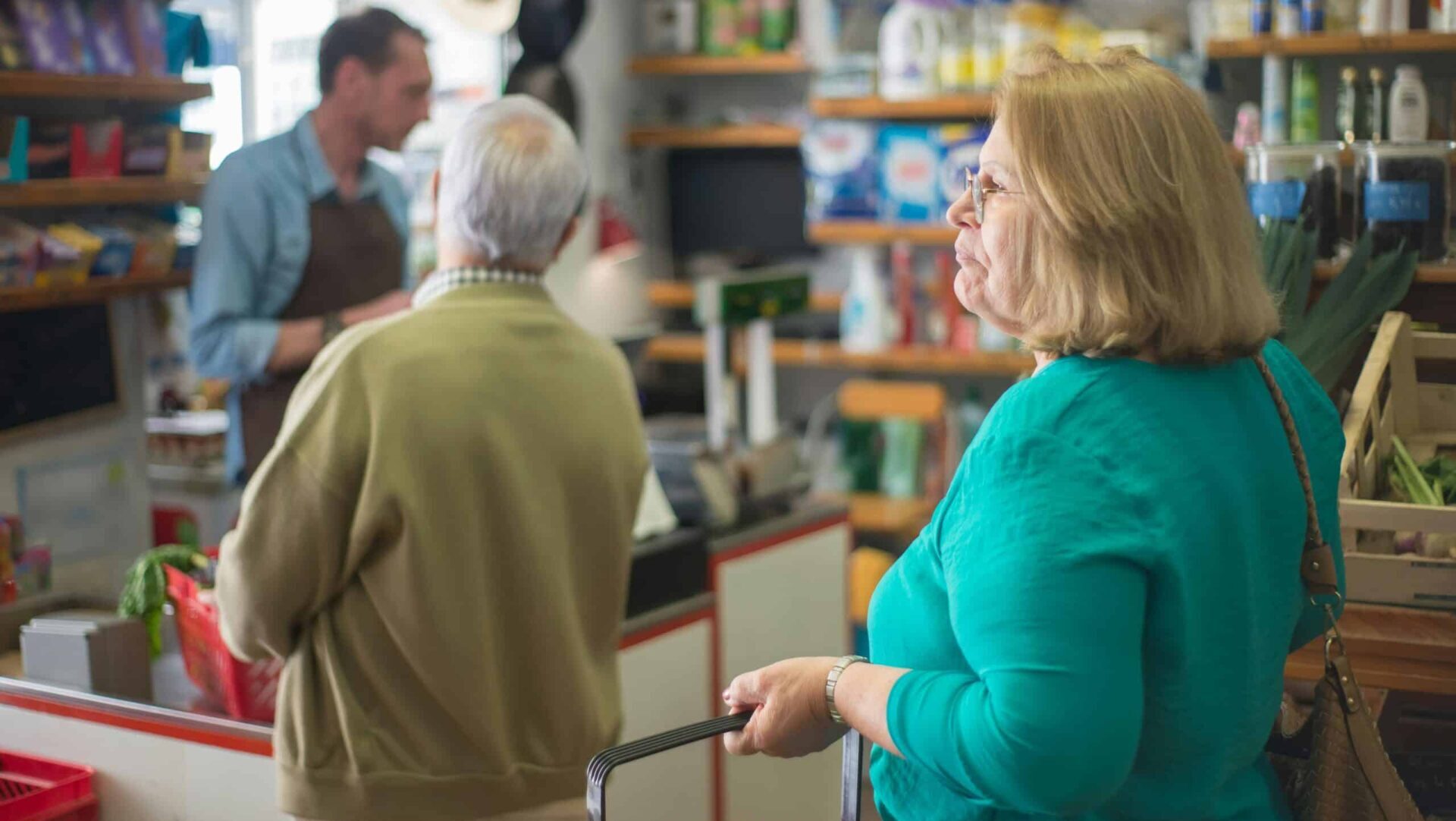
Fear narrows perception. When people anticipate extreme weather or supply disruptions, their minds gravitate toward worst case scenarios, imagining prolonged isolation or total loss of access to essentials.
Behavioral research shows that fear encourages excessive pessimism. Even modest threats can feel existential, prompting people to behave as though survival itself is at stake rather than short term inconvenience.
This emotional response explains why shoppers stockpile items that may not even be practical for the situation at hand. Panic buying is less about what is truly needed and more about soothing anxiety through action.
Social Signals, Peer Pressure, and the Illusion of Scarcity
Panic buying rarely begins in isolation. It accelerates when people observe others doing the same. Empty shelves act as visual proof that danger is imminent, even if supply chains remain intact.
Psychologists describe this as availability bias. When images of shortages dominate news feeds and social media, the threat feels more immediate and unavoidable, regardless of actual risk.
There is also a social dimension at play. Many people fear being the only ones left unprepared, worried not just about scarcity but about appearing careless or foolish compared to neighbors who stocked up early.
When Panic Buying Creates the Shortage It Fears
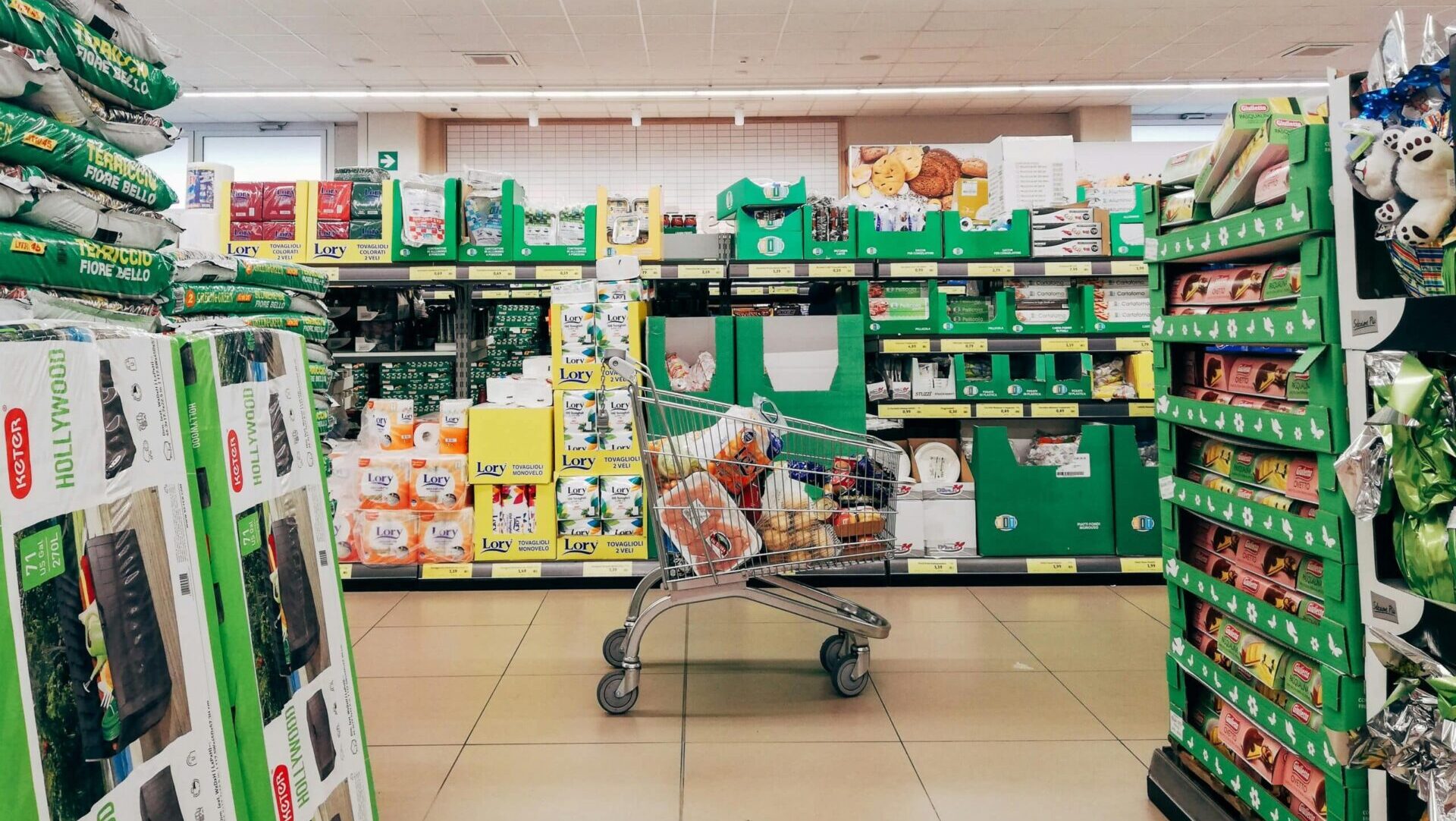
Ironically, panic buying often manufactures the very shortages people fear. A rumor of limited supply can spark mass purchasing, overwhelming stores that were otherwise adequately stocked.
As demand spikes artificially, shelves empty faster than they can be replenished, reinforcing the belief that buying in bulk was necessary all along. The cycle feeds itself through visibility and repetition.
Understanding the psychology behind panic buying reveals a deeper truth about human behavior under stress. In uncertain moments, fear spreads faster than storms themselves, shaping collective action long before any real scarcity arrives.