Why Does McDonald’s Food Can Sit Out for Days Without Even Rotting?
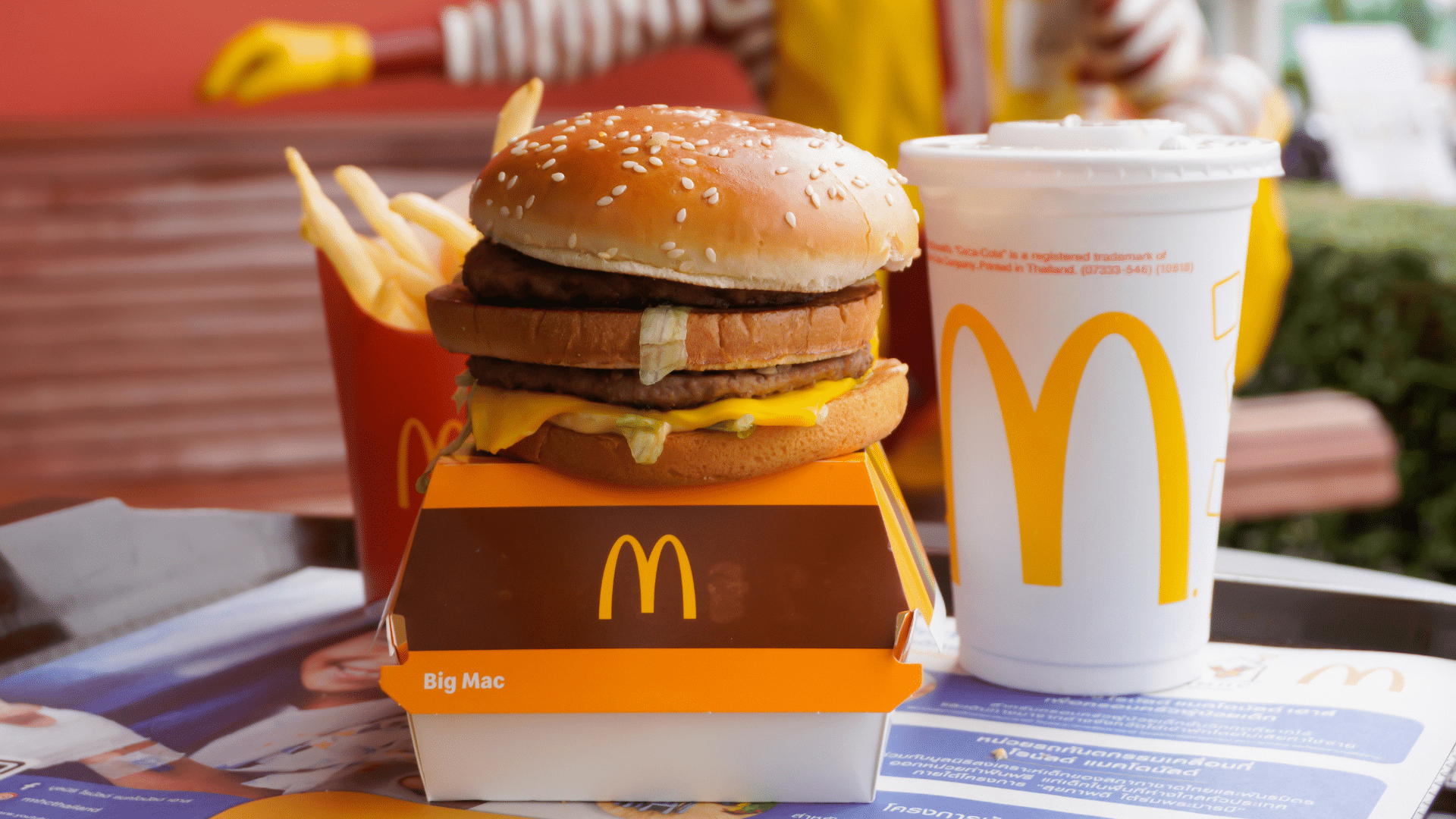

It’s a viral claim that has circulated online for years, with photos and videos showing McDonald’s burgers and fries sitting out for days, weeks, or even years without visibly rotting. Many people assume this means the food is filled with preservatives or chemicals, but food scientists say the real explanation is much simpler and rooted in basic science rather than anything unusual about the ingredients.
In reality, McDonald’s food does eventually break down like any other food, but under certain conditions it may not look like it is “rotting” in the way people expect, because decomposition depends heavily on moisture, environment, and how the food is stored.
Instead of rotting, the food often goes through a different process entirely, one that can preserve its shape and appearance for a surprisingly long time, leading to the widespread misconception that it never decays.
The Real Reason: It Dries Out Before It Can Rot
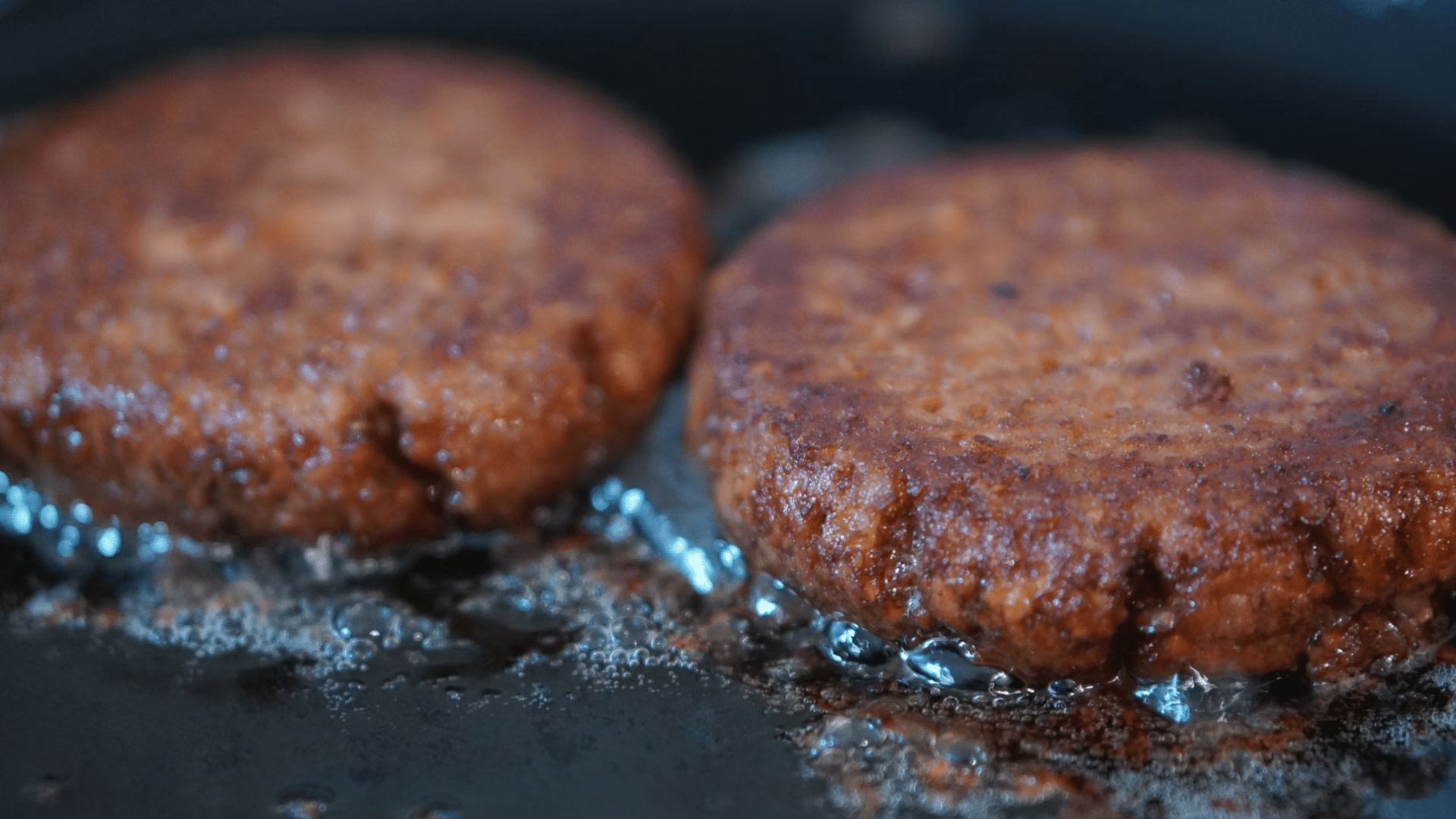
The main reason McDonald’s food can sit out without rotting is dehydration, meaning the food loses moisture very quickly, which prevents bacteria and mold from growing and breaking it down. Since microorganisms need water to thrive, a dry environment essentially stops the typical rotting process before it can even begin.
McDonald’s burgers are designed in a way that encourages this drying effect, as the patties are thin, cooked at high temperatures, and have a large surface area, all of which allow moisture to escape rapidly after cooking. This means that instead of decomposing, the burger essentially “mummifies,” similar to how beef jerky is preserved.
Salt and airflow also play a role, as salt can draw out additional moisture and open-air environments allow the food to dry even faster, creating conditions where bacteria cannot easily survive or multiply.
Why It’s Not About Chemicals or Preservatives
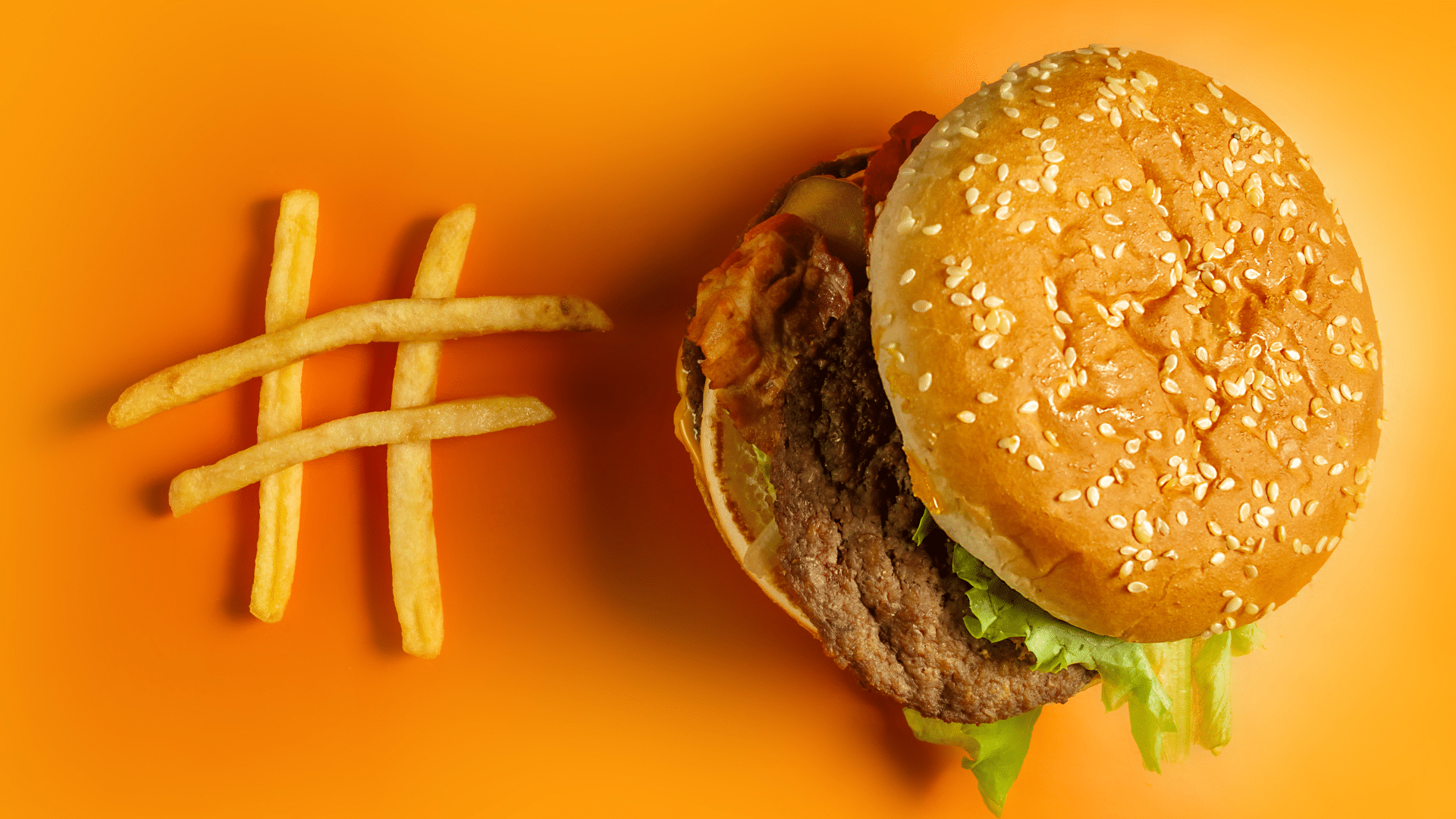
Despite popular belief, the lack of visible rot is not due to excessive chemicals or preservatives in the food, as McDonald’s has stated that its burger patties are made from 100% beef with no added preservatives, and independent experiments have shown similar results with homemade burgers prepared in the same way.
In fact, researchers have demonstrated that even homemade burgers can behave the same way if they are thin, well-cooked, and left in a dry environment, reinforcing the idea that this phenomenon is not unique to fast food but rather a general principle of food science.
However, when the same food is placed in a humid environment or sealed container where moisture is trapped, it will begin to grow mold and decompose just like any other meal, proving that the conditions, not the ingredients, determine what happens over time.
What This Really Means About The Food
The idea that McDonald’s food “never rots” is largely a misunderstanding, as what people are actually seeing is dehydration rather than preservation, where the food dries out before bacteria have a chance to break it down.
This process may make the food look unchanged on the outside, but it does not mean it is safe to eat, as dried-out food can still spoil in ways that are not always visible, especially if conditions change over time.
Ultimately, the phenomenon says more about how food decomposes than about McDonald’s itself, showing that under the right conditions, many foods can resist visible decay, not because they are unnatural, but because they have simply lost the moisture needed for rot to occur.

