Why “Grass-Fed” Labels May Be Misleading Consumers
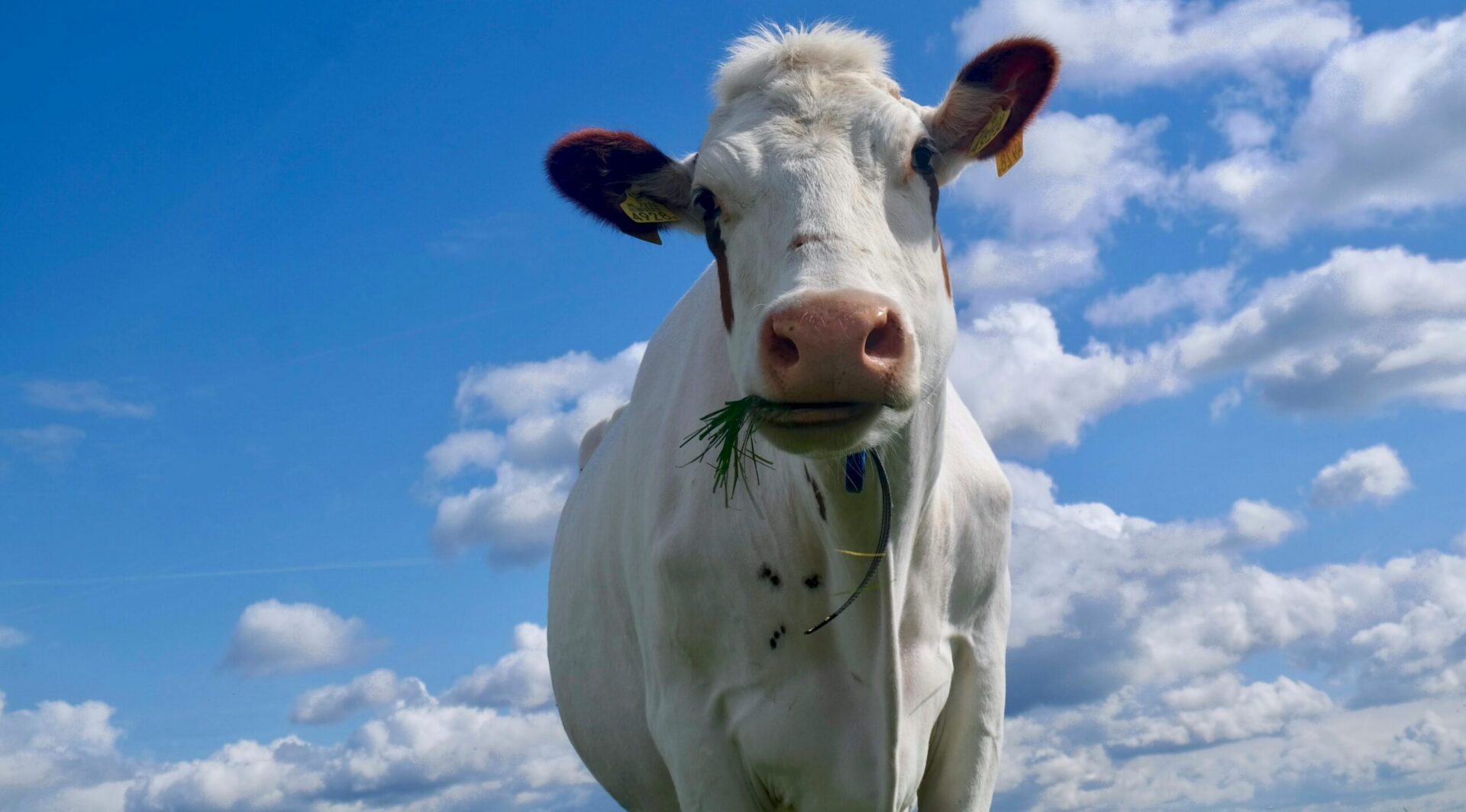

You have seen the label stamped in green, framed by rolling hills and sunlit pastures, promising something purer. “Grass-fed.” It sounds wholesome, ethical, healthier. It carries the quiet assurance that you are supporting better farming practices and perhaps even your local rancher. And so you pay more, convinced that the premium secures both quality and principle.
But the comforting image on that package often rests on a fragile foundation. The term “grass-fed” exists in a murky regulatory space, one shaped less by clarity than by convenience. What appears straightforward at the meat counter is, in reality, an intricate web of loopholes and blurred definitions.
The modern beef marketplace rewards perception. And perception, as it turns out, is remarkably easy to manipulate.
The Vanishing Standard That Left Consumers Vulnerable
In 2016, the U.S. Department of Agriculture quietly withdrew its official “USDA Grass-fed” marketing claim standard. With that single decision, a meaningful federal definition dissolved, leaving oversight largely in the hands of producers submitting their own documentation for label approval. The result was not precision but ambiguity.
Today, a significant portion of grass-fed beef sold in American stores originates overseas. Countries such as Australia, New Zealand, and Brazil dominate global exports, thanks to temperate climates that allow cattle to graze year-round at far lower cost. Imported beef can be processed domestically and labeled in ways that obscure its origin, creating the impression of a homegrown product.
For shoppers hoping to support American farmers, the irony is sharp. Premium prices intended to bolster local agriculture may instead sustain foreign supply chains operating under entirely different economic conditions.
Third-Party Certifications: A Partial Shield
In the absence of a firm federal standard, independent organizations have stepped in to create more rigorous benchmarks. Certain certifications require that animals be born and raised in the United States, fed exclusively on grass and forage after weaning, and never treated with antibiotics or growth hormones. These programs rely on third-party audits and on-site inspections to verify compliance.
Such certifications offer a measure of reassurance. They restore some of the accountability that federal withdrawal left behind, establishing transparent criteria in a marketplace otherwise clouded by general claims.
Yet for many consumers, the abundance of logos and seals only deepens uncertainty. Distinguishing meaningful certification from marketing flourish demands research few shoppers have time to conduct in the grocery aisle.
Closing the Gap Between Image and Integrity
What, then, is left for the conscientious shopper? Begin with scrutiny. Look for clear certification standards rather than relying solely on broad claims. Check country-of-origin information. Ask questions at the butcher counter. Transparency rarely advertises itself boldly; it requires deliberate attention.
The responsibility cannot rest solely on consumers, yet informed demand exerts pressure. When shoppers insist on clarity, markets adjust. When they remain content with imagery, ambiguity thrives.
The steak on your plate carries more than flavor. It carries the weight of policy, economics, environment, and ethics intertwined. In a marketplace rich with suggestion and short on definition, vigilance becomes the most reliable ingredient of all.