The Real Reason McDonald’s Disappeared From Walmart Stores and What Quietly Took Its Place

For a certain generation of American shoppers, the memory is specific and vivid: the smell of french fries drifting through the grocery aisles, a McDonald’s counter tucked near the back of a Walmart supercenter, families finishing their shopping and sitting down for a McFlurry without moving the car. At its peak, around 1,000 Walmart locations across the United States had a McDonald’s inside. Today, that number has fallen to roughly 150. The disappearance did not happen overnight, and the reasons behind it say something larger about how American shopping habits have permanently changed.
How the Partnership Started and Why It Made Sense
The Walmart and McDonald’s partnership took shape in the mid-1990s, when both companies were operating at the center of American value culture. Walmart was already the dominant force in everyday retail. McDonald’s was the most recognized fast food brand on the planet. Placing a scaled-down McDonald’s location inside a Walmart supercenter made intuitive sense for both sides. Shoppers already spending an hour in the store had a reason to linger longer. McDonald’s gained foot traffic without the cost of a standalone location. For working families looking to stretch a budget, the combination of affordable groceries and affordable food in a single stop was a genuinely useful convenience.
The Slow Decline That Started Before COVID
The peak of around 1,000 in-store McDonald’s locations did not last. By 2012, the number had already fallen below 900, and by early 2020, only about 500 remained. The contraction was gradual but consistent, and McDonald’s itself acknowledged the trend before the pandemic arrived. According to McDonald’s via FOX Business, sales at Walmart locations had been on a steady downtrend for years before any closures were announced. The in-store format was struggling to compete with standalone locations and the growing convenience of ordering food without leaving home. The structural problems were already in place when 2020 arrived and accelerated everything.
COVID Delivered the Final Blow
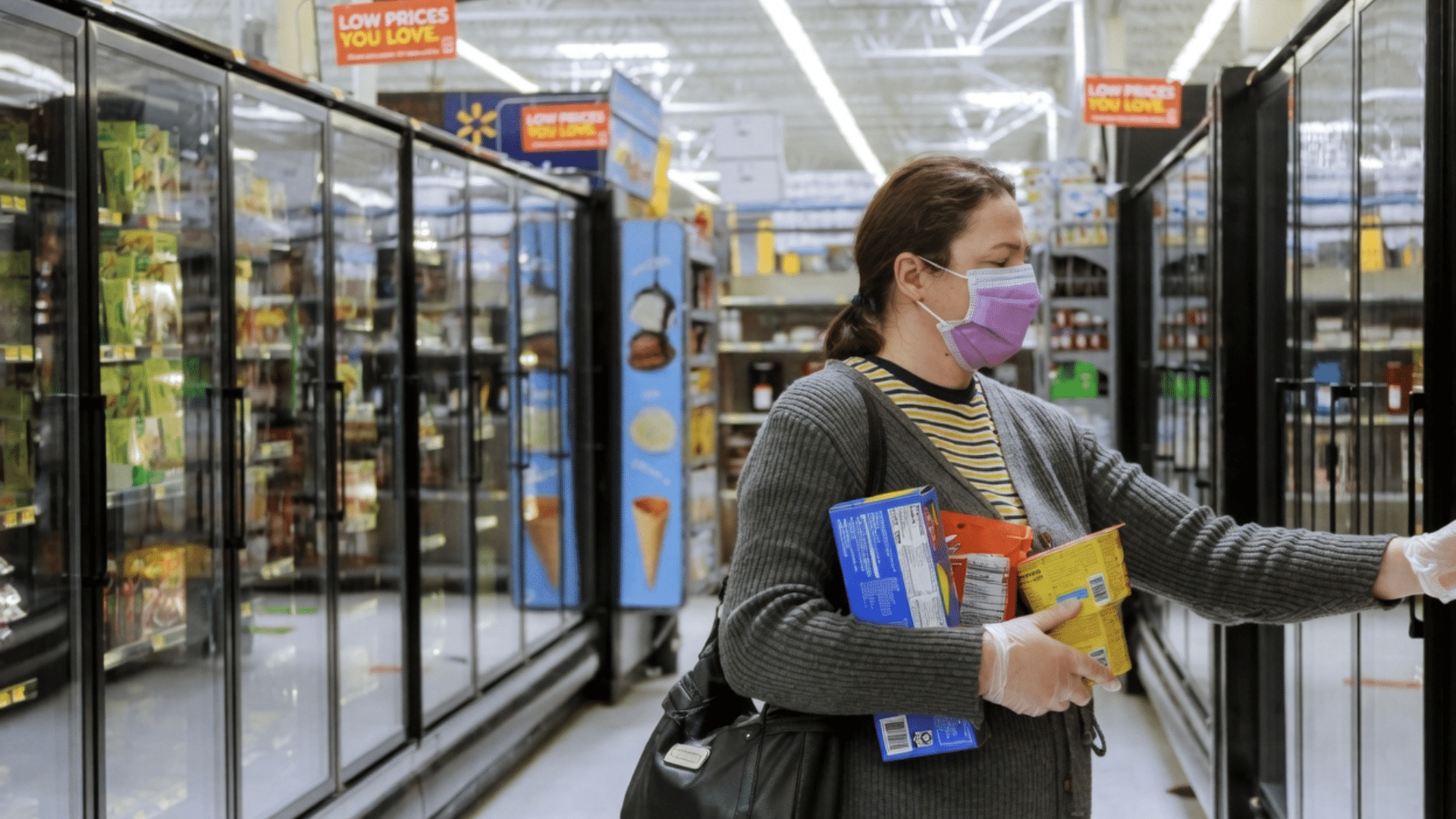
When the pandemic hit in 2020, McDonald’s announced plans to permanently close approximately 200 U.S. locations. More than half of those closures were inside Walmart stores. The decision reflected both the immediate disruption of reduced in-store retail traffic and the longer-term recognition that the Walmart McDonald’s format had been underperforming well before the crisis. Closing these locations was not a difficult financial calculation, it was the formalization of a trajectory that had been building for nearly a decade. By April 2021, only around 150 Walmart and McDonald’s combinations remained operational across the entire country, according to CNBC.
The Shopping Habits That Never Snapped Back

After the pandemic, several behavioral shifts that temporarily changed how Americans shopped became permanent fixtures. Curbside grocery pickup, which Walmart invested in heavily, removed the need to physically enter the store for millions of customers. Third-party delivery apps made ordering McDonald’s directly to a home faster and easier than ever before. The combination eliminated the two conditions that had made the in-store McDonald’s model work: people inside the building, with time to spare. During a 2024 earnings call, Walmart CFO John David Rainey noted that pickup and delivery had become a key source of growth, particularly among upper-income households, a demographic increasingly comfortable never walking through the front door.
What Moved Into the Empty Spaces
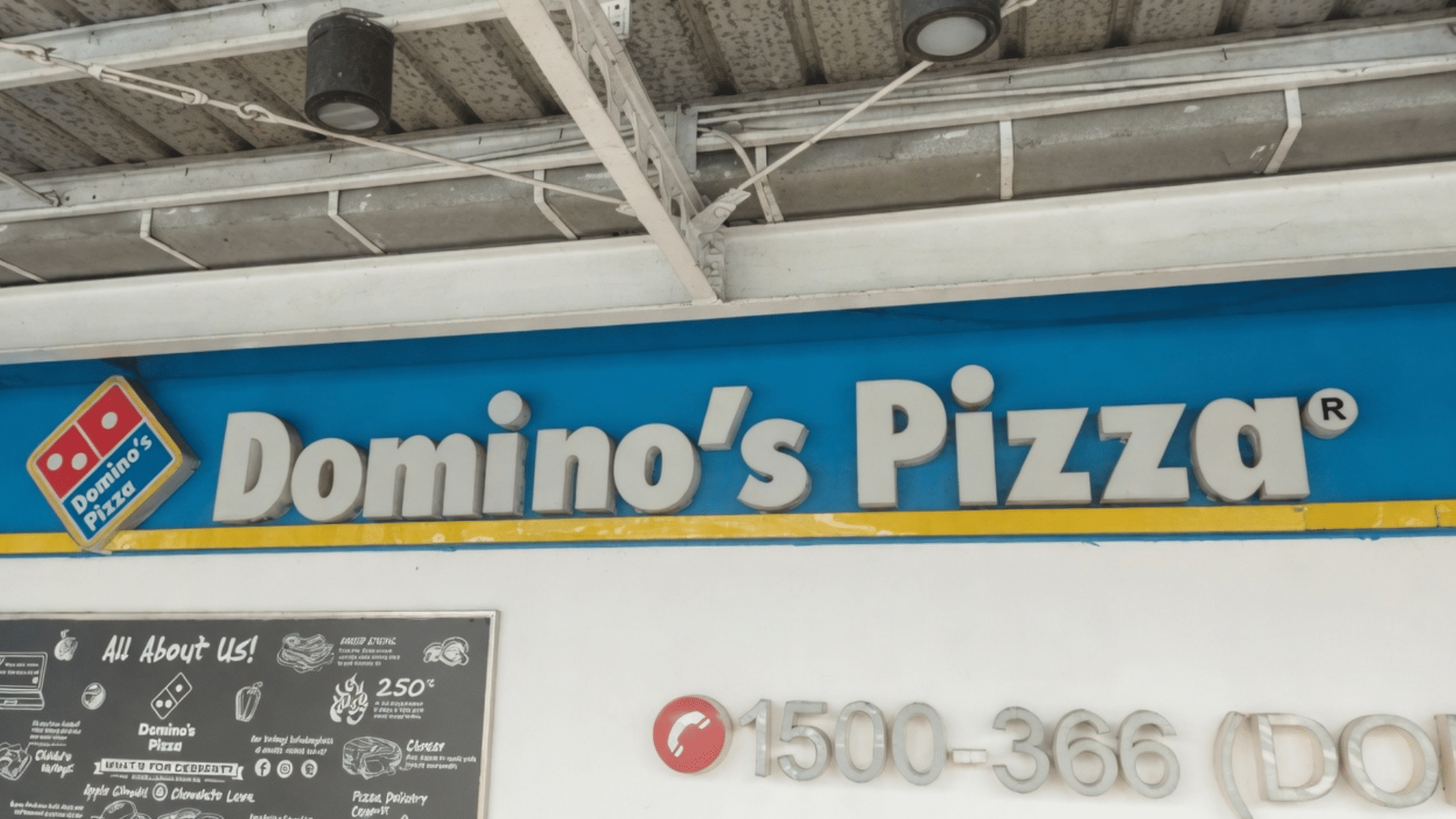
The departure of McDonald’s did not leave Walmart with blank walls and unused counters for long. A range of competitors moved into the vacated spaces, including Taco Bell, Domino’s, Subway, Burger King, and Charleys Cheesesteaks. The now-defunct pizza buffet chain Mr. Gatti’s also filled some locations during the transition period. More recently, Walmart began placing Uncle Sharkii, a poke bowl concept, into several former McDonald’s spaces. The shift toward a health-conscious food option inside a grocery store represents a deliberate attempt to attract a different type of shopper, one who might not have considered Walmart their destination of choice in a pre-poke-bowl era.
The Strategy Behind the New Food Tenants
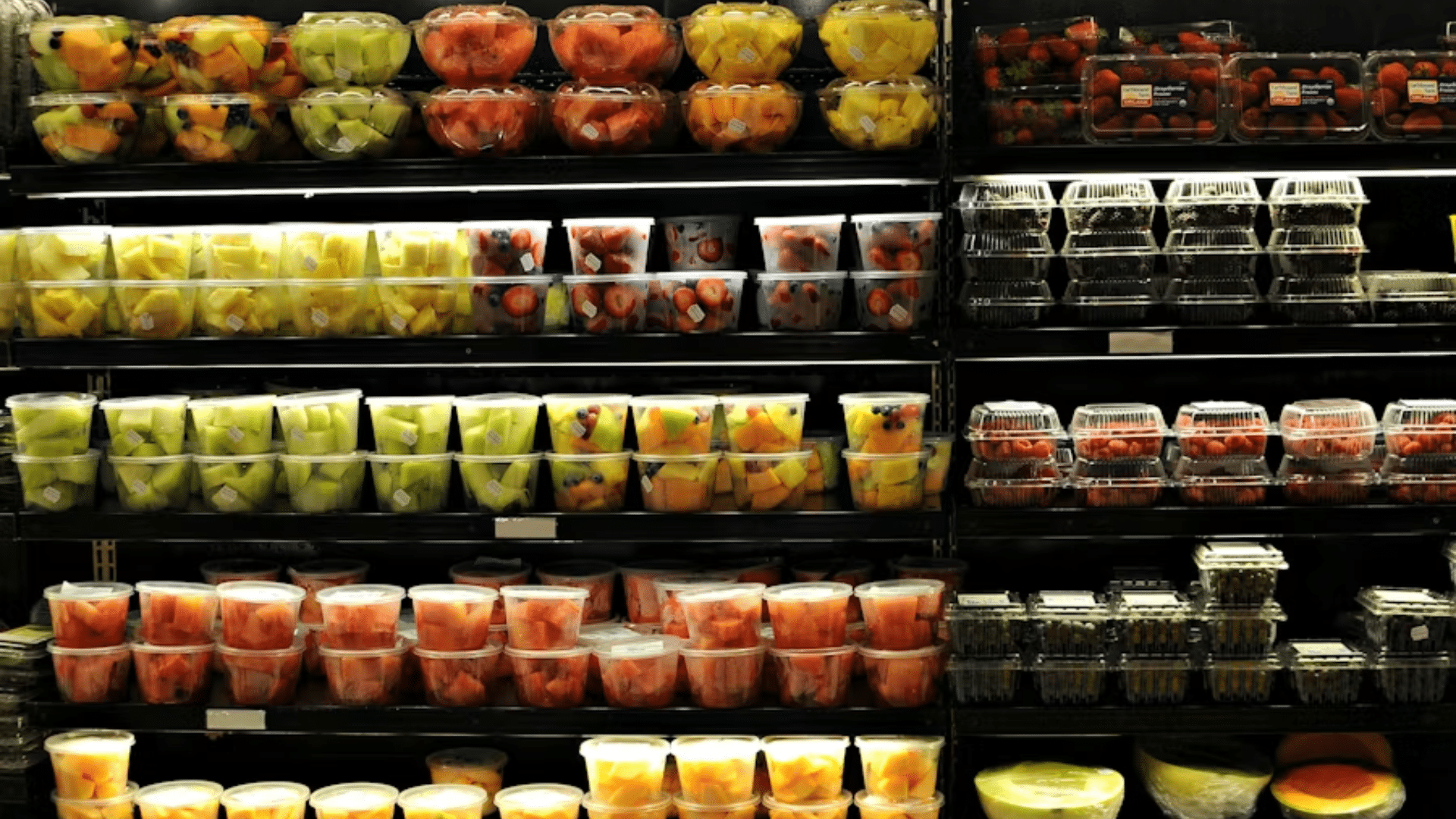
The replacement of McDonald’s with varied food options is not simply about filling square footage. It reflects Walmart’s broader effort to drive in-store traffic at a time when online and curbside shopping have reduced foot traffic. Impulse purchases; the items shoppers grab because they are already inside the store represent a significant portion of grocery revenue. A food court that gives shoppers a reason to walk in, linger, and browse has measurable value beyond the rent paid by the food tenant. Walmart’s selection of new food concepts, particularly the move toward health-conscious options, suggests the company is targeting shoppers who might currently be choosing competitors for their grocery needs.
Canadians Still Have What Americans Lost
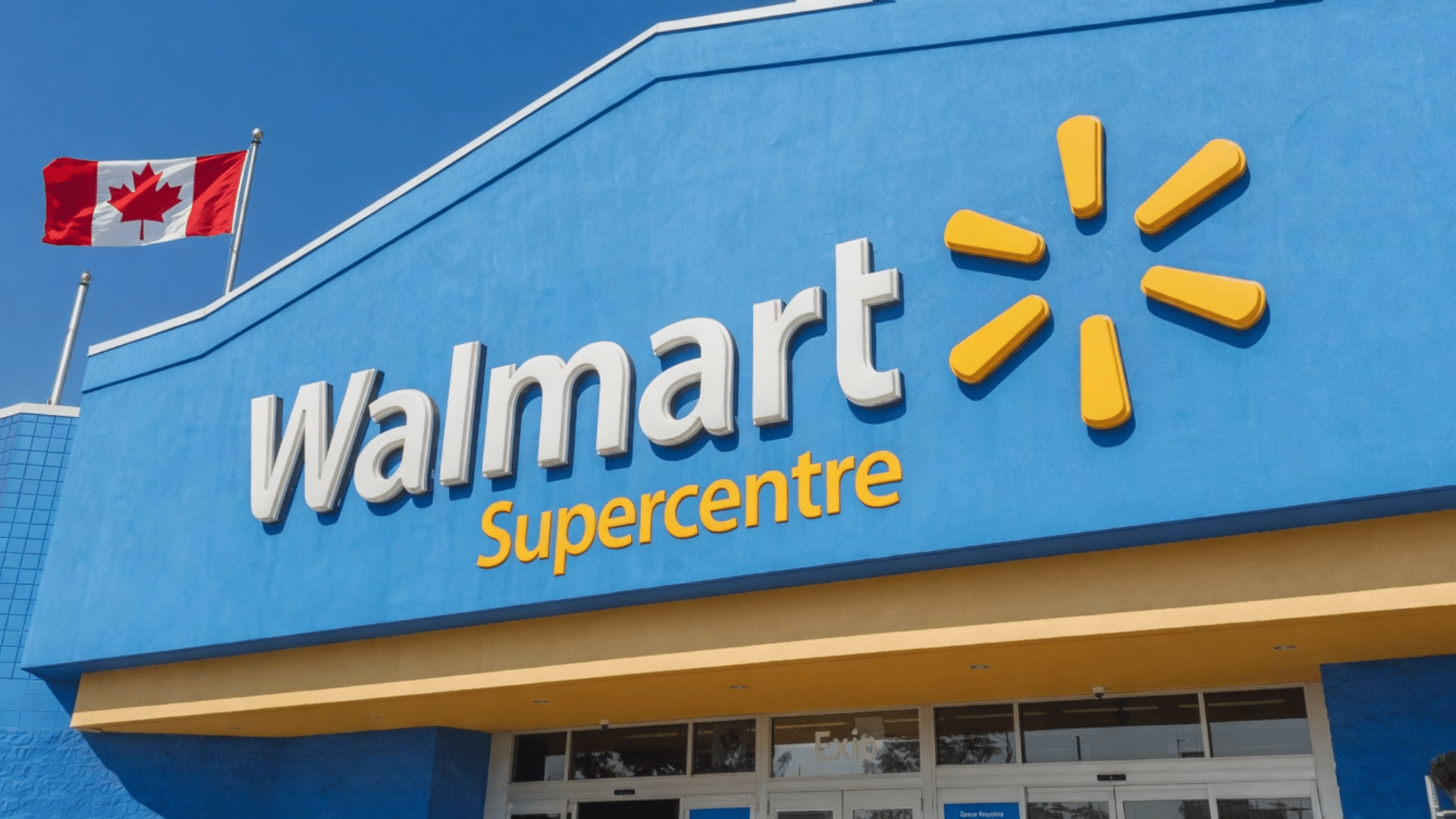
One detail that surfaces consistently in American online discussions about the Walmart McDonald’s partnership is the fact that Canadian Walmart locations still maintain active McDonald’s restaurants. For many U.S. shoppers who remember the combination fondly, the Canadian situation has become a source of mild but genuine envy. Facebook posts and Reddit threads regularly surface the comparison, with American commenters noting the absence with a mixture of humor and nostalgia. The Canadian retention of the format suggests the business model was not inherently unworkable, it was specifically the shifts in American consumer behavior that made it unsustainable in the U.S. market.
The Nostalgia Is Real and It Is Telling

The online reaction to the disappearance of Walmart McDonald’s locations has been notably emotional for a fast food arrangement. Reddit threads describe the combination with an affection typically reserved for childhood memories rather than corporate retail partnerships. One commenter recalled the specific geography of their local Walmart: cheese, butter, milk, McDonald’s, laundry detergent. Another described the smell of fries through the grocery aisles as something they can still recall. One post described the current Walmart experience, without the McDonald’s, as a grey barren hellscape by comparison. The nostalgia points to something real. The in-store McDonald’s was part of a slower, more leisurely approach to shopping that American retail has largely moved away from.
The Real Reason Was Already Written Before the Pandemic

The story of McDonald’s inside Walmart is often told as a COVID casualty, and the pandemic did accelerate the end. But the honest version of the timeline shows a partnership that had been unwinding for nearly a decade before the first lockdown. Sales were falling. Locations were closing. Consumer habits were already shifting toward delivery and pickup. COVID compressed years of gradual decline into a single decisive moment and gave both companies the cover to formalize what the data had been showing for years. The 150 locations that remain today are not a comeback. They are a remnant of a retail era that the pandemic did not end, it just finished.