Why Trendier Restaurants Are Leaving Diners Feeling Unwelcome
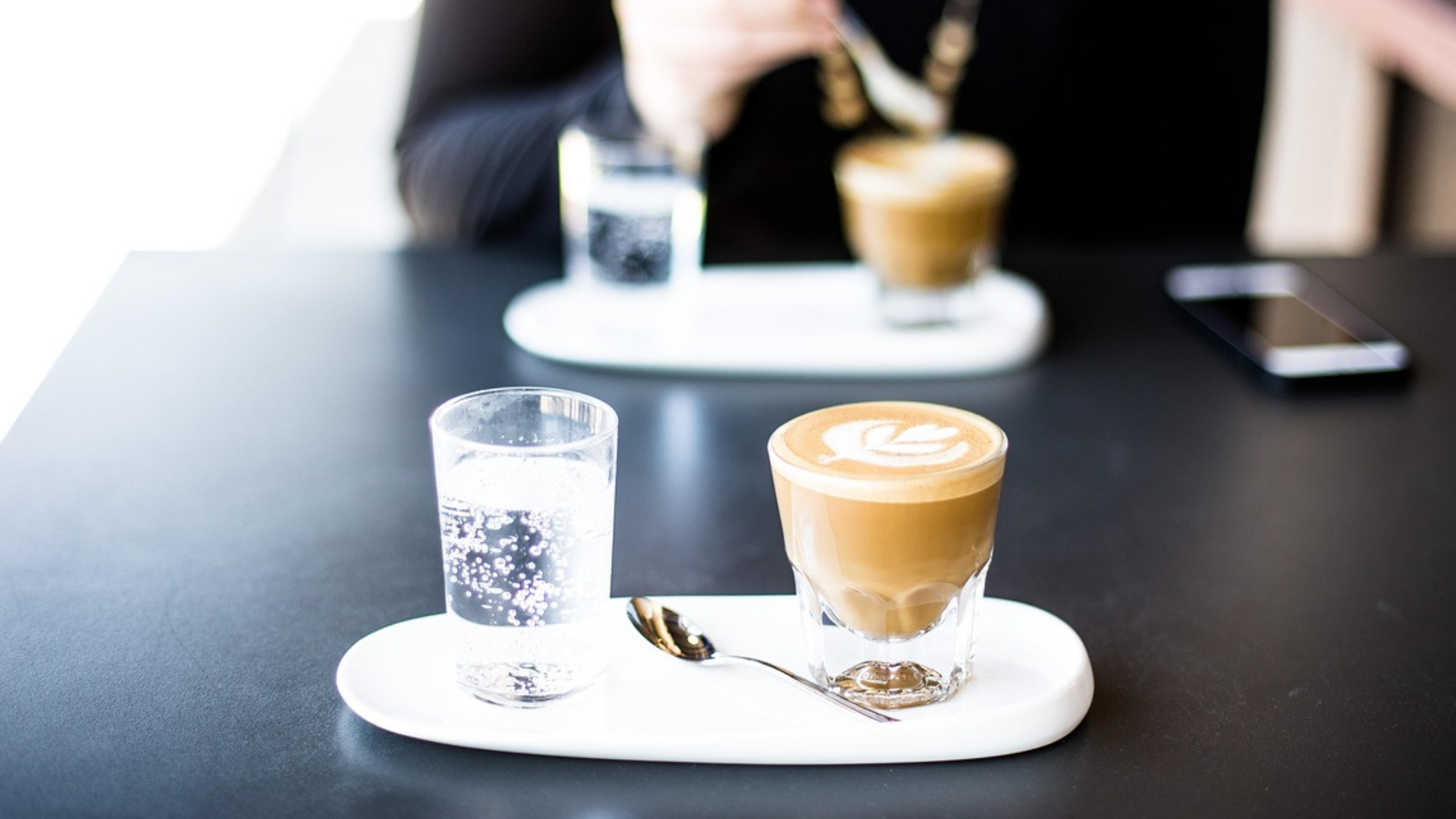

Many trendier restaurants today are drawing criticism from customers who say the once-inviting experience of dining out has given way to atmospheres that feel cold, exclusive or even intimidating, leaving some diners feeling unwelcome rather than eager to return. These shifts reflect broader changes in restaurant culture, from aesthetic-first design to rigid reservation policies and lofty price tags, and they are prompting customers to reconsider what they want from an evening out. As diners adapt to changing expectations and experiences, questions have emerged about whether “trendy” has come at the cost of comfort and hospitality.
Minimalist Decor Can Feel Impersonal
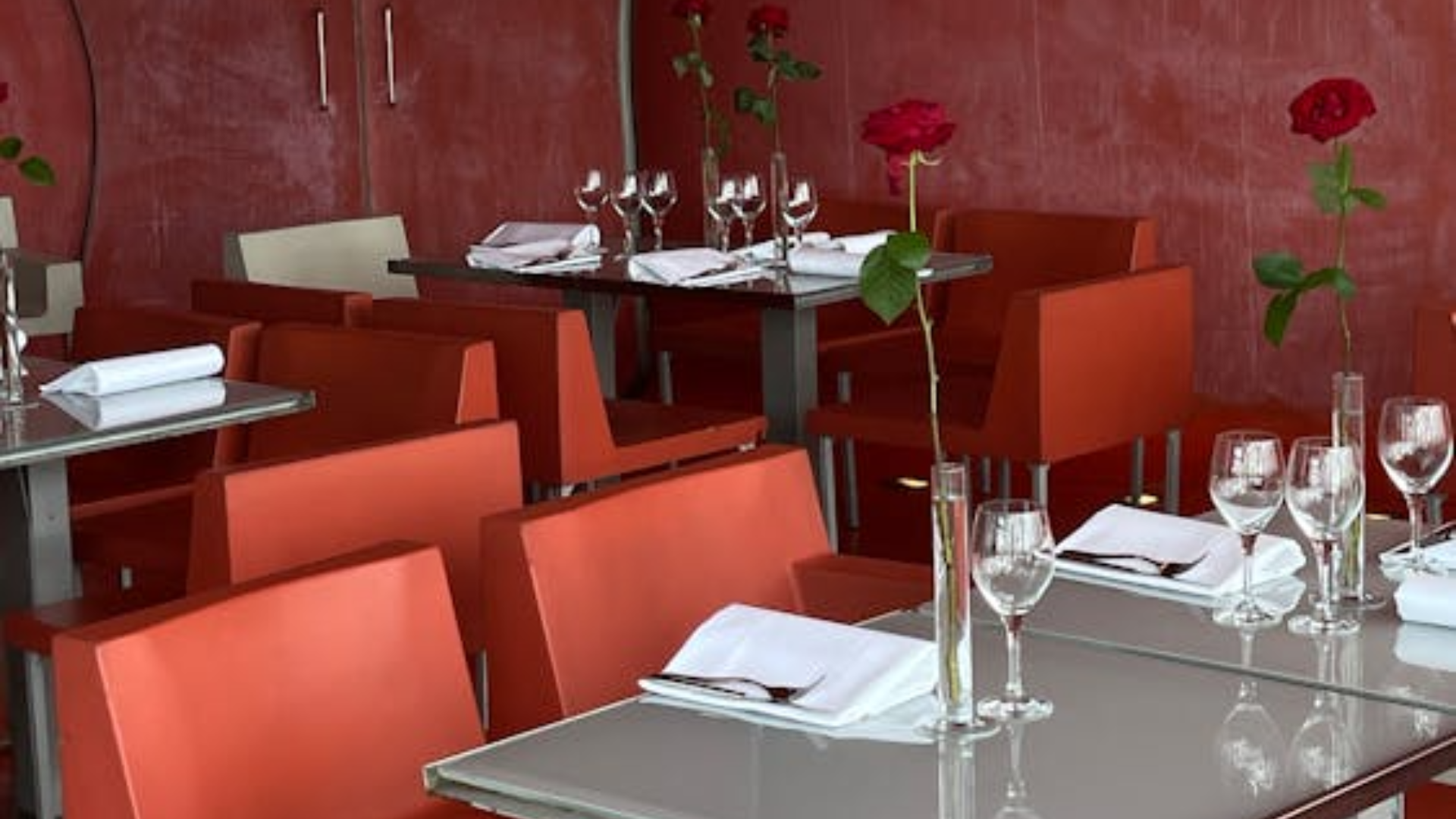
Many modern restaurants embrace minimalist aesthetics and industrial design elements that prioritize visuals over warmth, and while these spaces may appeal to social media stars and design enthusiasts, they can also feel stark and unwelcoming to diners who crave comfort and personality. Tables spaced far apart, harsh lighting and cool atmospheres intended to look “chic” can instead leave guests feeling like they are sitting in a stylish showroom rather than a place designed for relaxed and enjoyable dining.
Reservation Rules That Feel Too Rigid
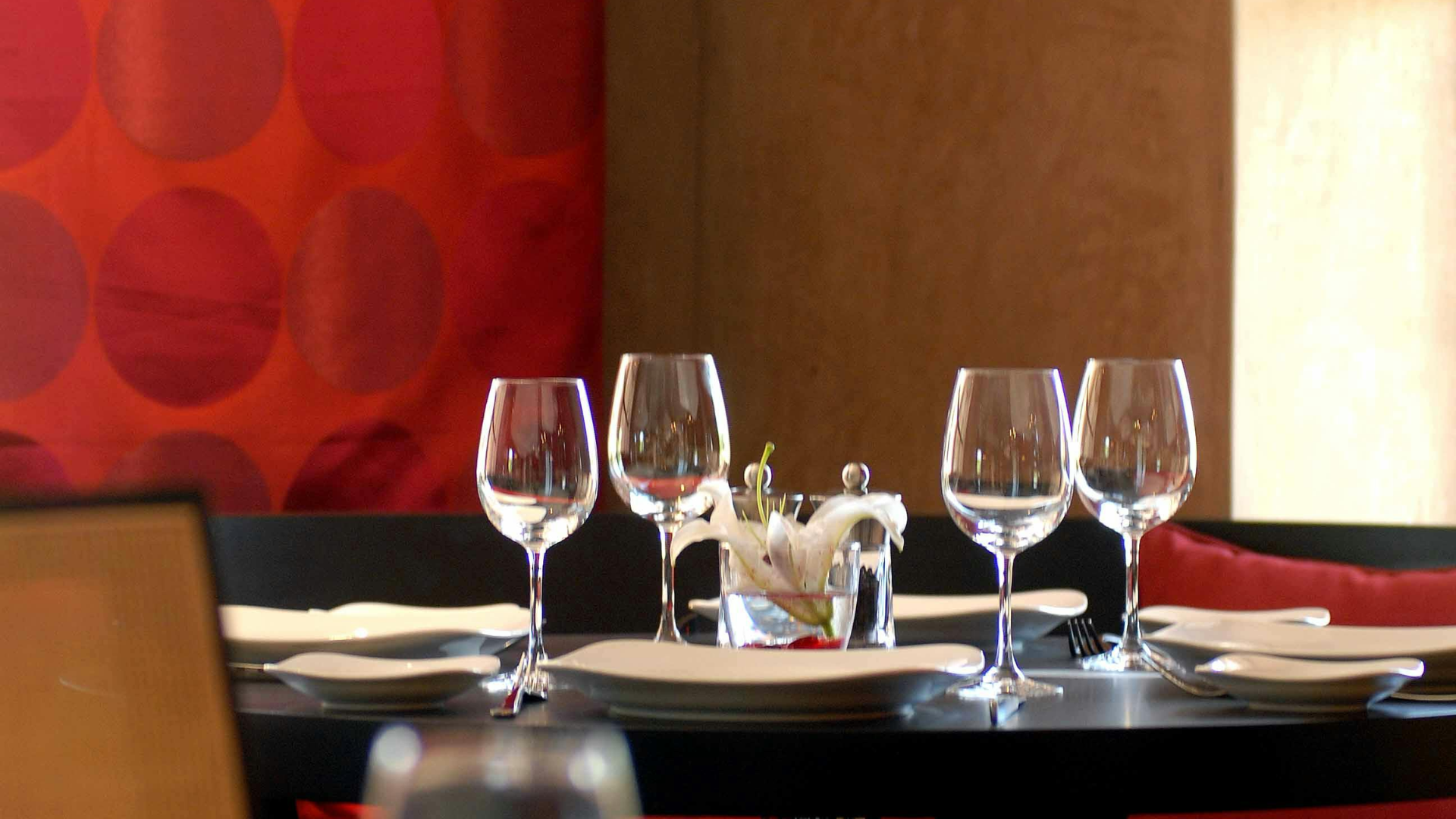
Trendier restaurants often enforce strict reservation policies and limited seating windows, sometimes requiring booking weeks in advance or only allowing online reservations. leaving spontaneous diners locked out and creating a sense of exclusivity that many find off-putting. Diners accustomed to walking in for a meal or making last-minute plans may be deterred by rigid time slots or confusing cancellation rules, which can make an evening out feel more like a transaction than an experience.
Menus That Prioritize Buzz Over Taste
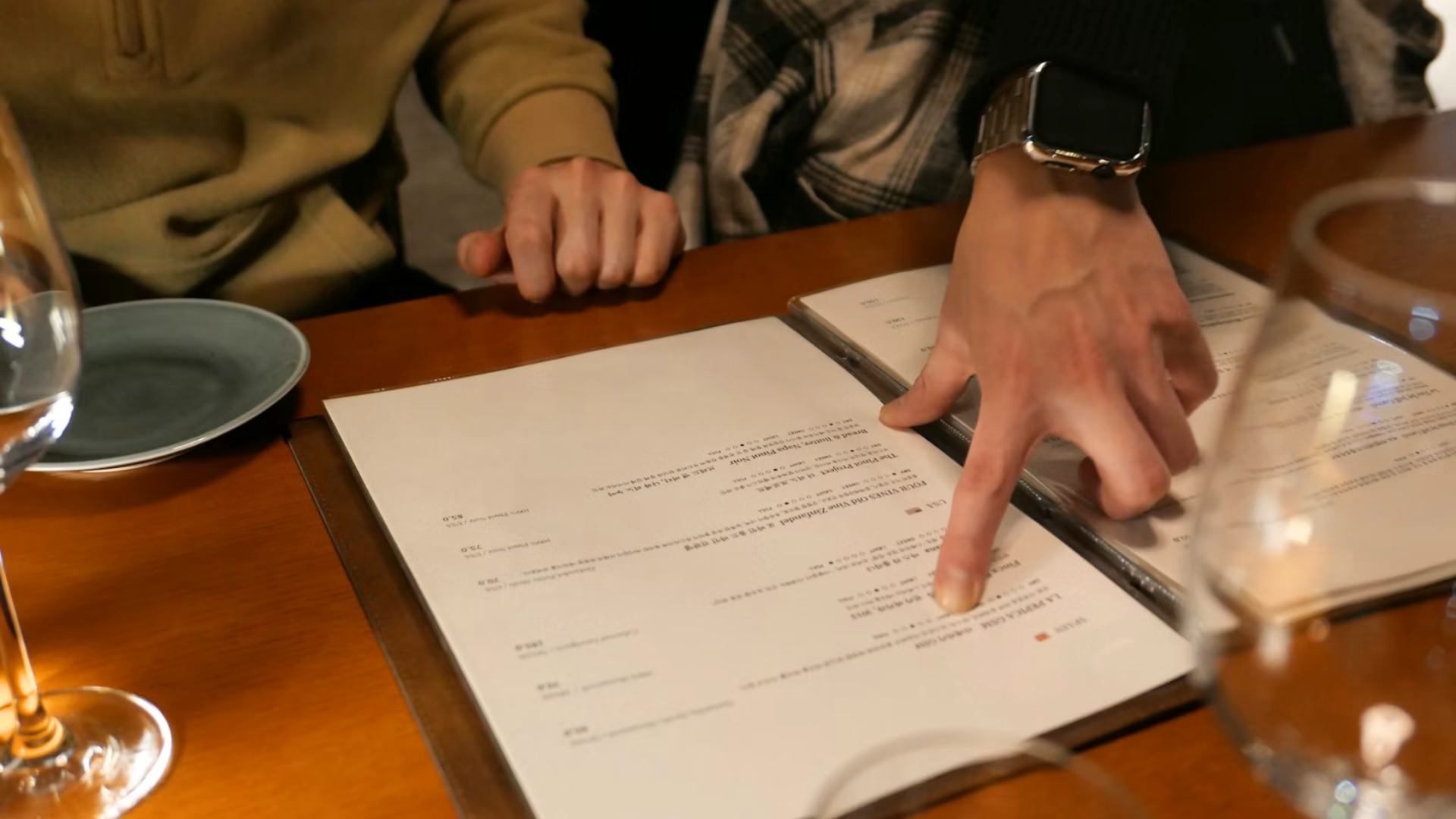
Many hip restaurants today feature elaborate tasting menus with tiny portions, unconventional pairings or high price points that draw attention from influencers and reviewers but leave ordinary diners wondering if the experience justifies the cost. This emphasis on trendiness and novelty can overshadow the joy of good food and relaxed dining, creating a divide between culinary theater and genuine satisfaction around a satisfying meal.
Staff Attitudes Can Seem Unfriendly
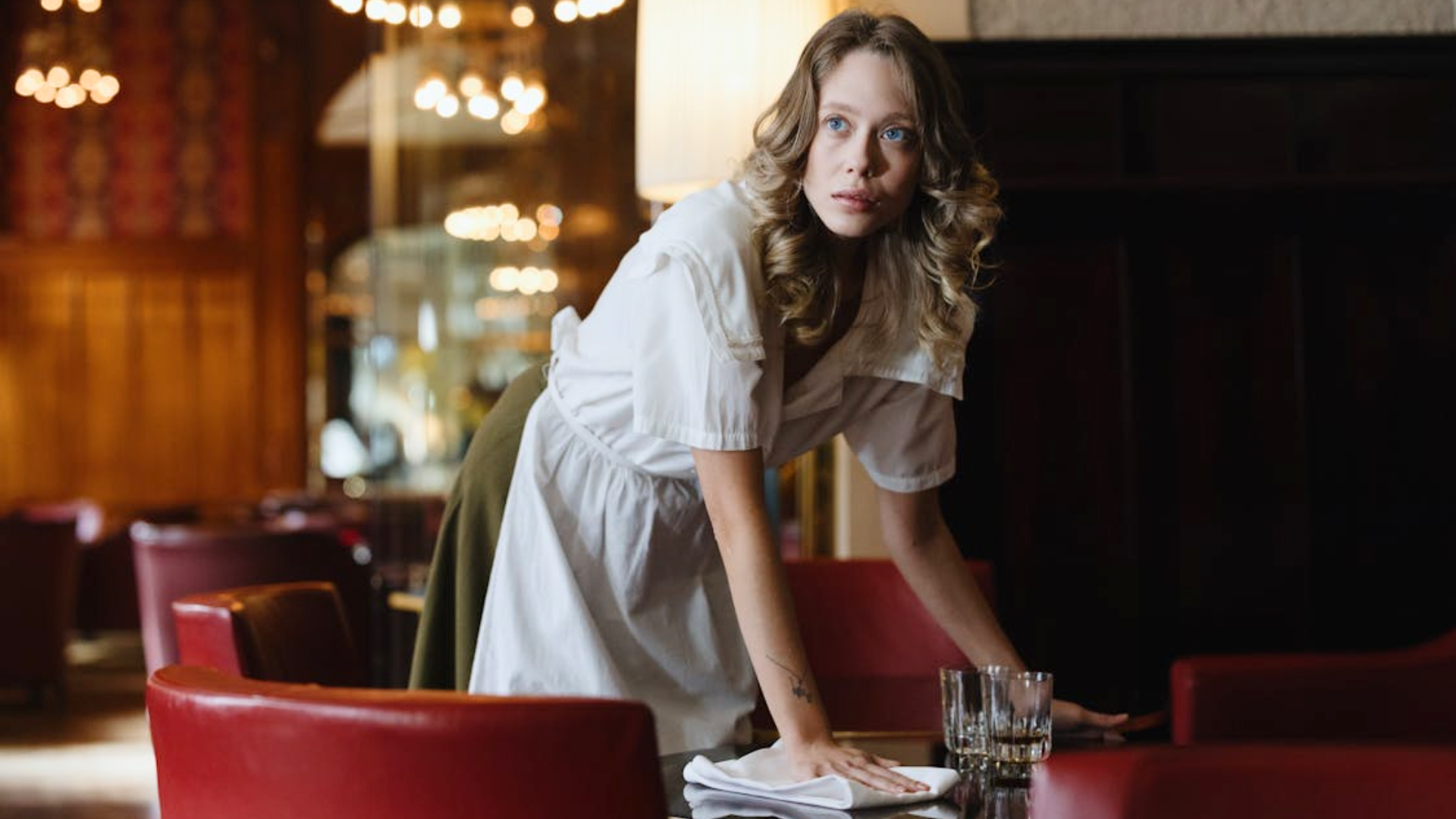
In some upscale, trendy dining spots, diner experiences are shaped by staff whose training prioritizes efficiency and image over personal connection, leading some guests to feel rushed or judged rather than cared for. What might be meant as professionalism can sometimes come across as aloofness or indifference, eroding the sense of hospitality that many diners still seek when they go out to eat. This shift in service culture contributes to the perception that trendier restaurants are less welcoming than classic neighborhood eateries once were.
Price Points That Exclude Everyday Diners
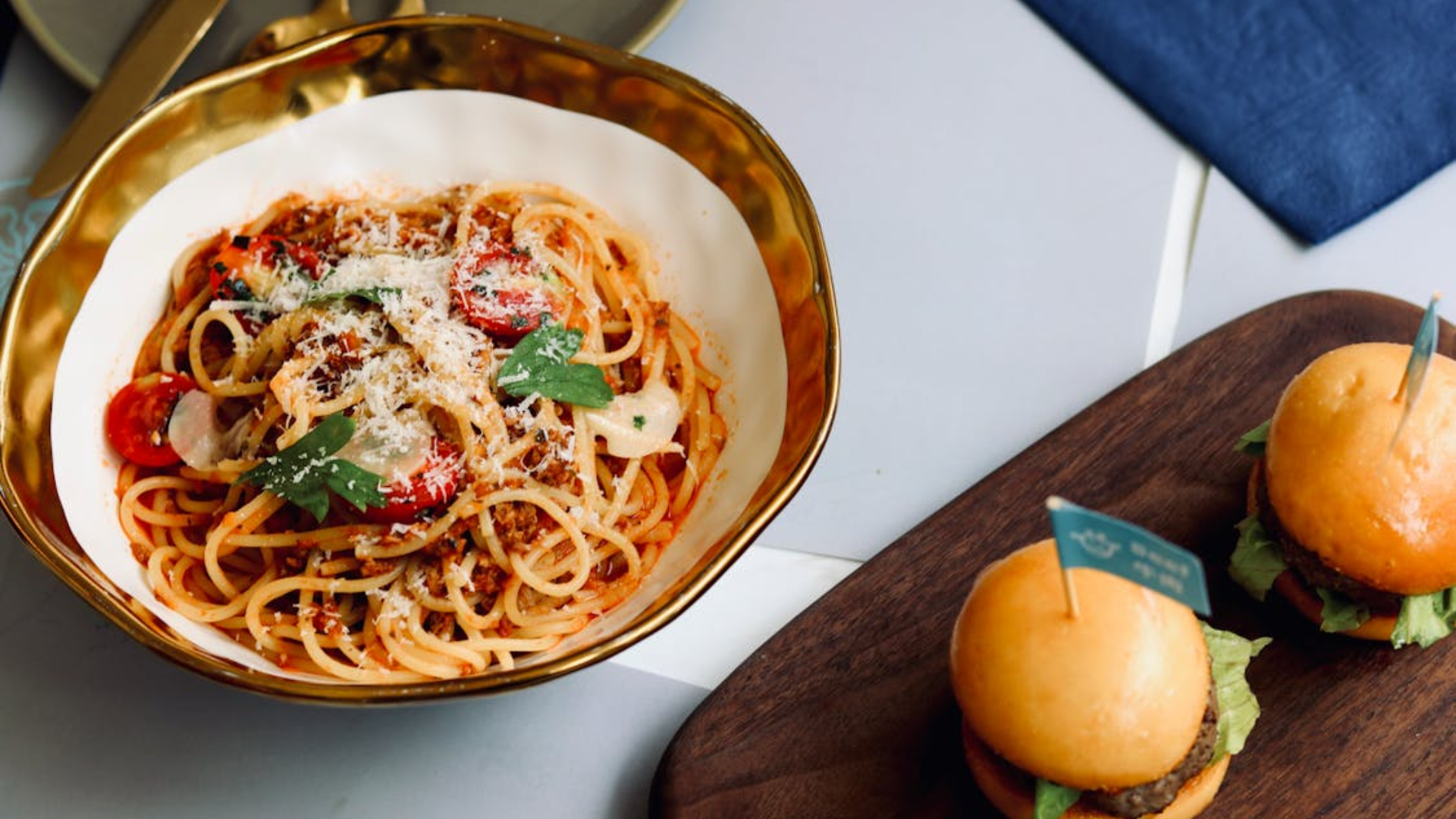
Higher prices at trendy restaurants can make regular dining outings feel out of reach for many customers, especially when small portions and multi-course menus amplify the total bill without always delivering a sense of value. Diners who once enjoyed casual meals out may feel alienated when dinner requires a sizeable budget or a mindset reserved for special occasions, leading some to seek out more approachable, affordable alternatives.
Social Media Culture Shapes Expectations
Social media has amplified the appeal of eye-catching dishes, striking interiors and curated experiences, incentivizing restaurants to design around what looks good in photos rather than what feels good to dine in. While visually striking spaces attract buzz and online attention, they can make guests feel like props within a staged environment rather than valued patrons, and this shift can undermine the genuine relational aspect of eating out.
Contrast With Classic Hospitality
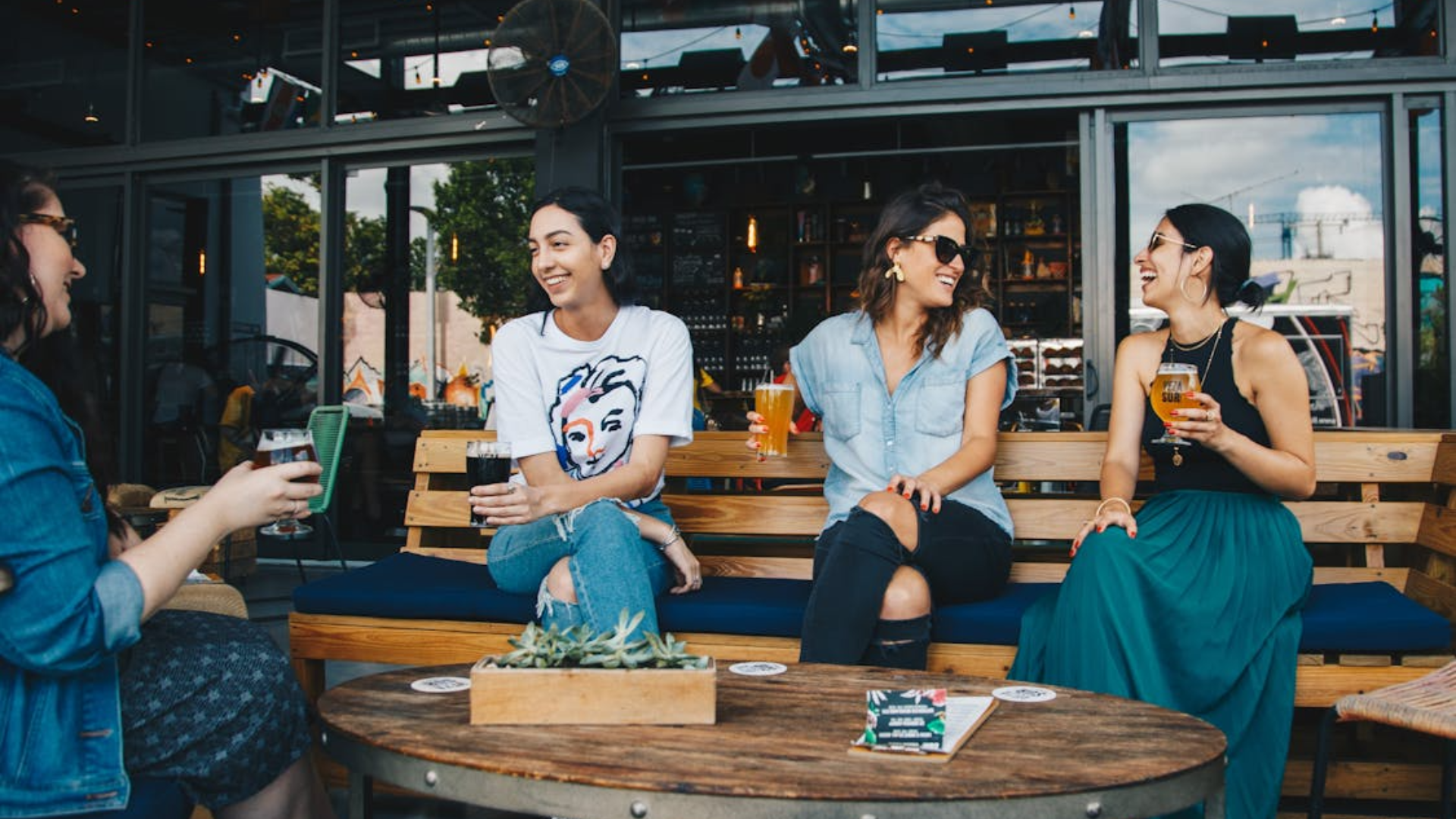
For many diners, the appeal of classic restaurants lies in their welcoming atmosphere, friendly servers and food that feels familiar and comforting, and the contrast with trendier spots can be stark. Where traditional eateries emphasize comfort, conversation and repeat business, some more fashionable venues emphasize novelty and presentation, shifting priorities away from inclusive hospitality and toward exclusivity and experience.
What Diners Want Now
Despite the buzz around trendier restaurants, many diners still crave environments that feel warm, accessible and focused on genuine enjoyment rather than performance or prestige, and increasing feedback suggests that hospitality, clear communication and value are key drivers of customer satisfaction. Restaurants that blend stylish concepts with approachable service and welcoming spaces may find broader appeal in an evolving dining landscape where comfort and connection remain essential.
Shift Toward Trendier Restaurants
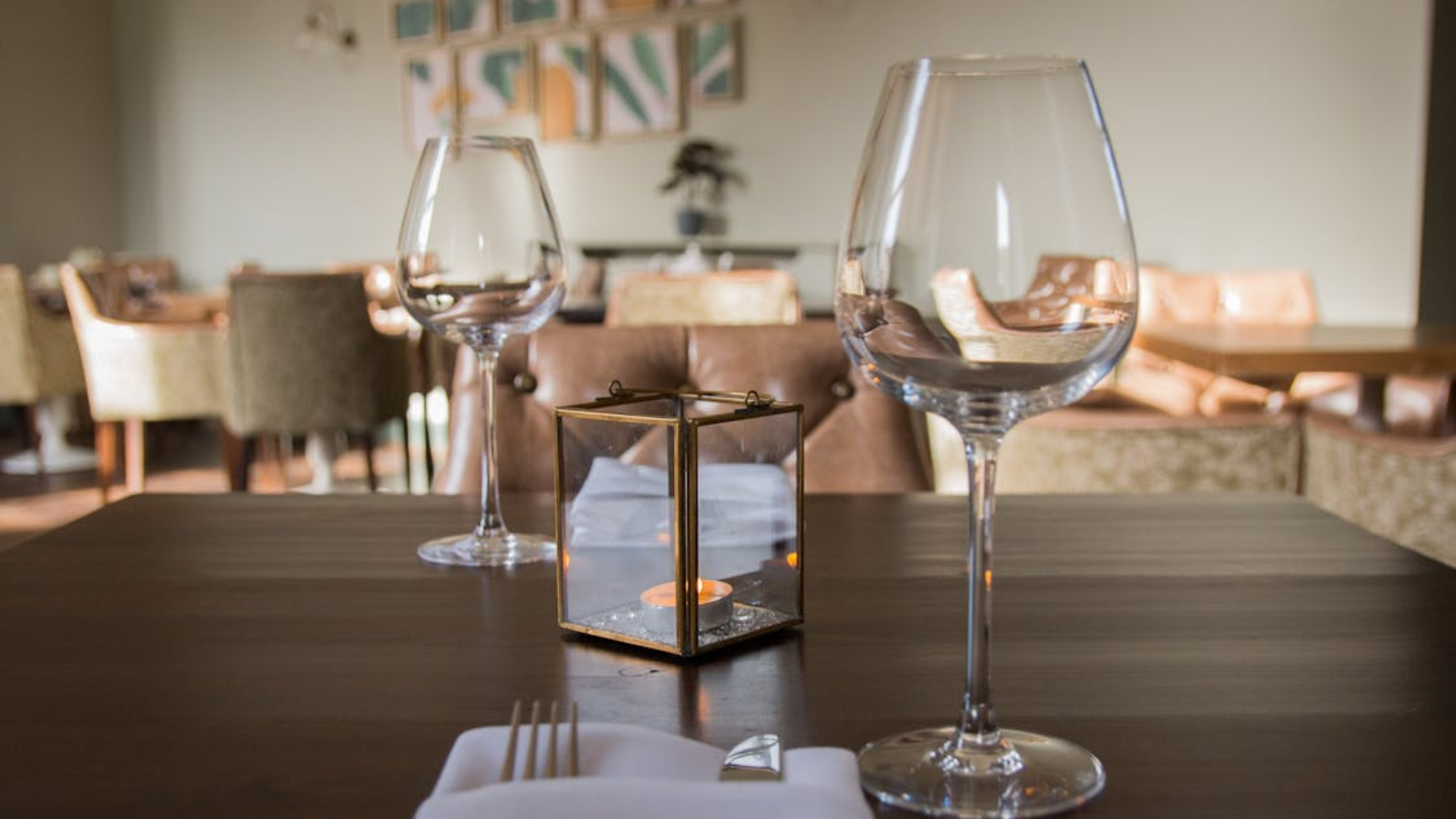
In conclusion, the shift toward trendier restaurants with minimalist decor, strict reservations, high price points and social-media aesthetics has left some diners feeling unwelcome and disconnected from the joy of eating out, and these changes highlight a cultural moment in hospitality where visual buzz and exclusivity sometimes outweigh warmth and accessibility. As diners voice a desire for comfortable, inclusive experiences, restaurants that balance innovation with genuine hospitality may set the tone for the future of dining.