The Reason Food Safety Experts Says You Should Wash Watermelon Before Cutting It
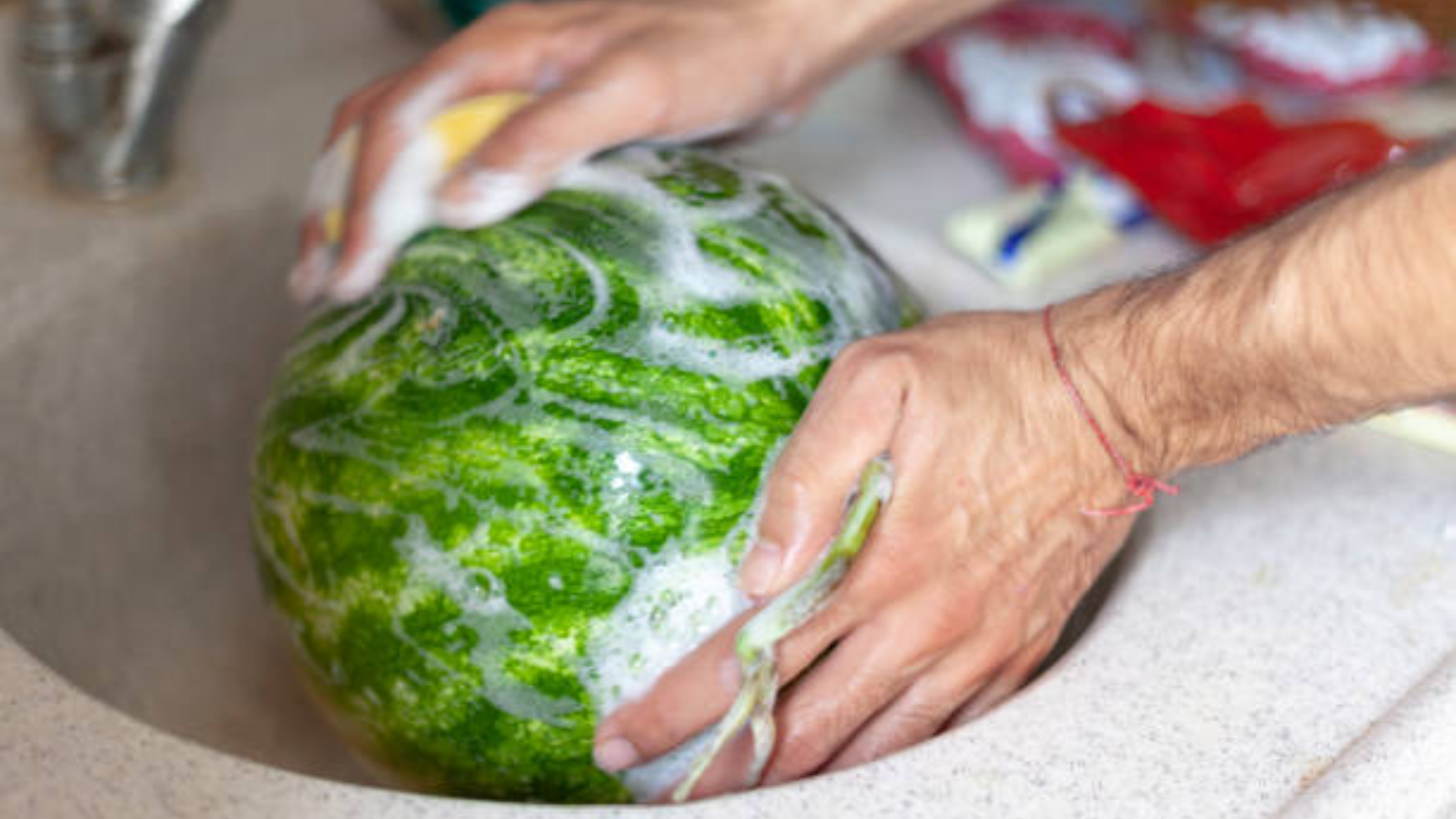

Most people never think to wash a watermelon. After all, you don’t eat the rind, so what’s the risk? According to food safety experts, that assumption is exactly the problem. The rind may look clean, but it can carry bacteria from farm fields, transport trucks, grocery stores, and even other shoppers’ hands.
Watermelons grow directly on the ground, where they’re exposed to soil, irrigation water, insects, and sometimes animal waste. Once harvested, they pass through warehouses, distribution centers, and store displays, accumulating more potential contaminants along the way.
By the time that melon lands on your kitchen counter, it may have been handled dozens of times. And while the outside isn’t eaten, the moment you slice into it, your knife can drag whatever’s on the surface straight into the edible flesh.
How Cutting a Melon Can Spread Bacteria
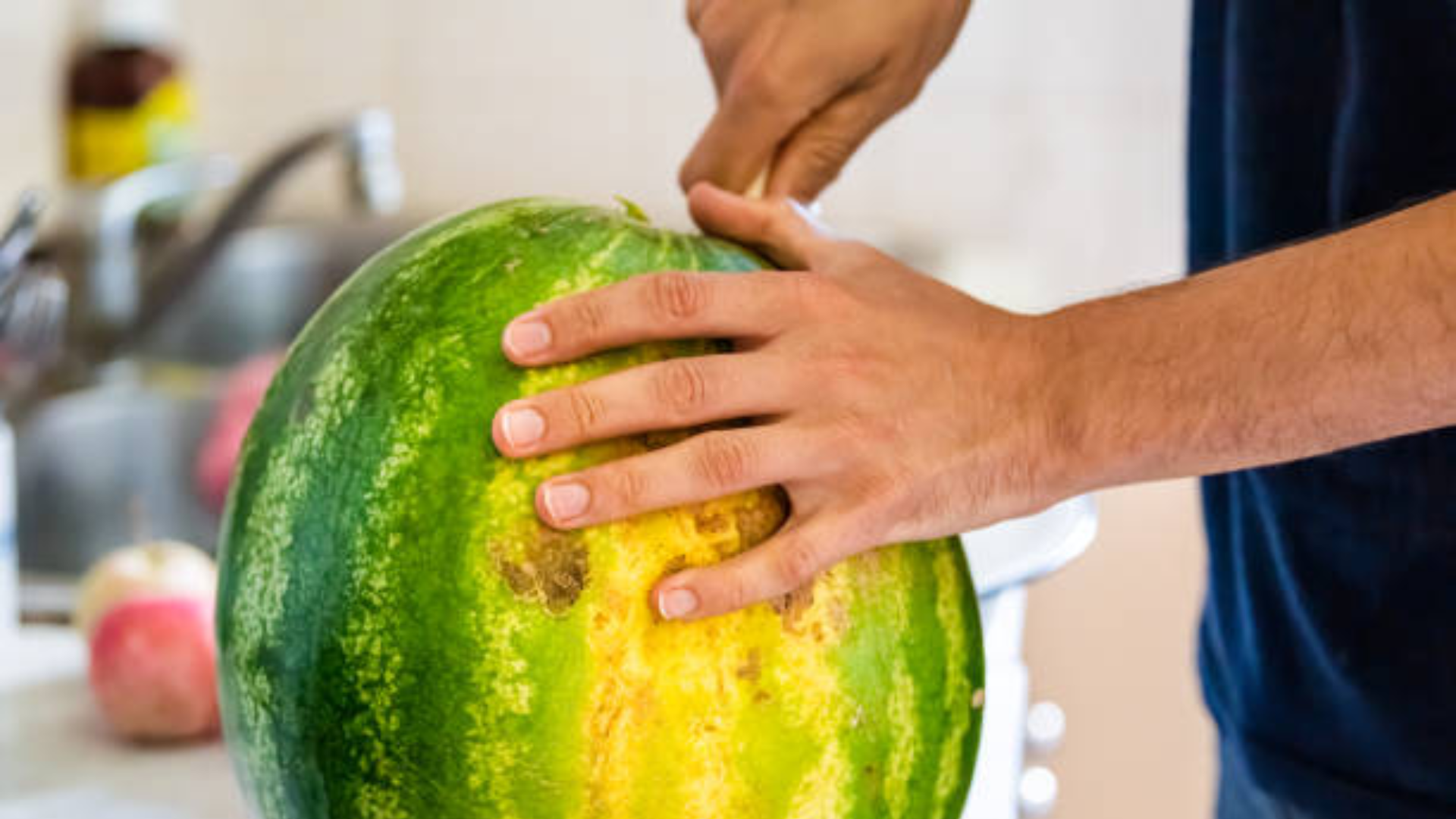
When you press a knife through an unwashed rind, you’re essentially pushing bacteria from the exterior into the juicy interior. Experts warn that pathogens like Salmonella, Listeria, and E. coli can transfer this way and watermelon has been linked to multiple Salmonella outbreaks in the U.S. over the past decade.
Unlike foods that are cooked, watermelon is typically eaten raw. That means there’s no heat step to kill harmful microbes. Once bacteria make it inside, they can multiply rapidly, especially if the fruit is left at room temperature.
Symptoms of contamination can include nausea, vomiting, diarrhea, and stomach cramps, sometimes appearing within hours. For vulnerable groups like children, seniors, or pregnant women, foodborne illness can be especially serious.
It’s Not Just Watermelon, Cantaloupe May Be Worse
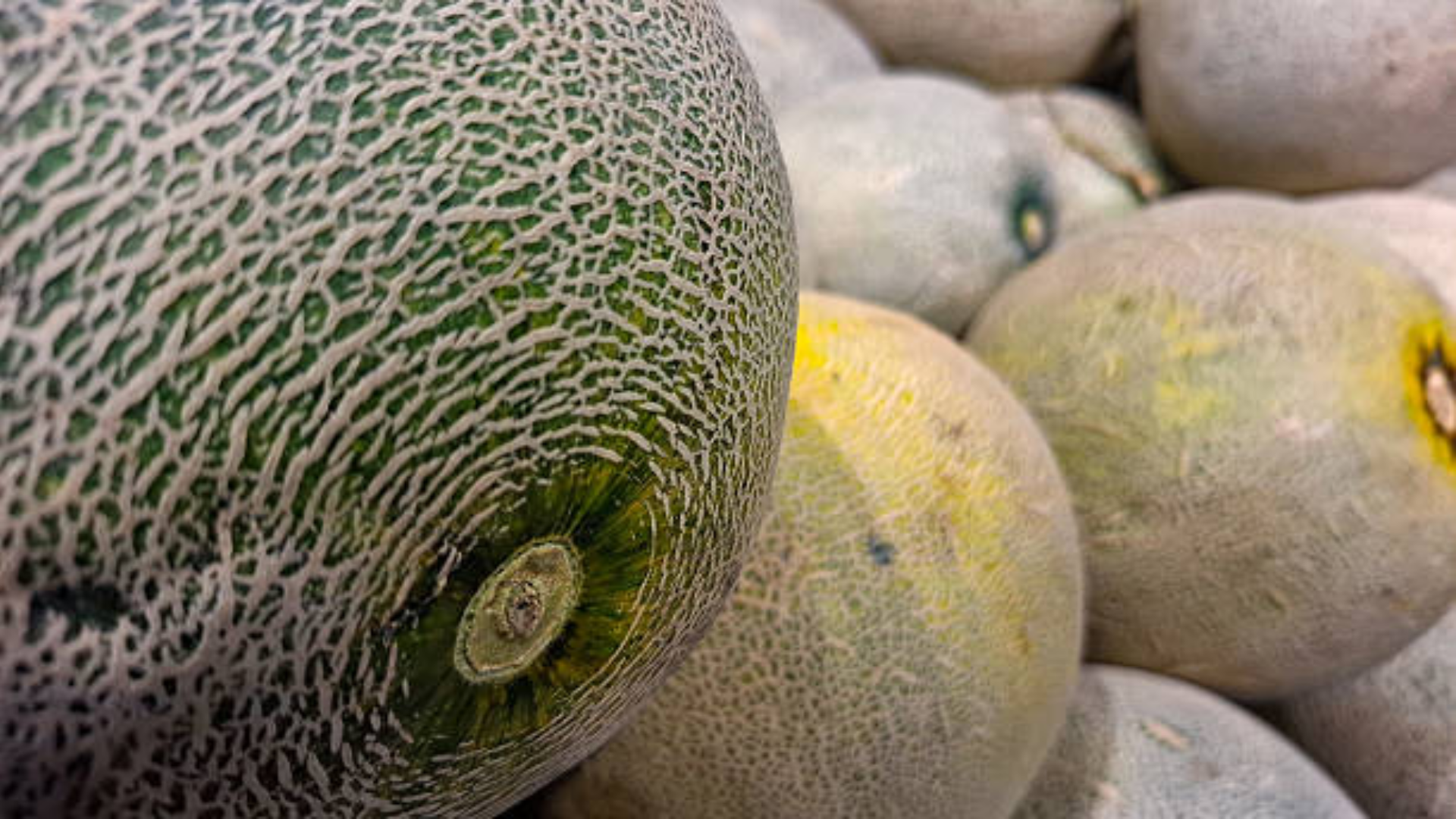
Experts emphasize that this advice applies to all melons, not just watermelon. In fact, cantaloupe may pose an even higher risk. Its rough, netted rind can trap bacteria in tiny crevices, making it harder to rinse away contaminants compared to smoother-skinned fruits.
The CDC has previously investigated outbreaks linked to cantaloupe, highlighting how bacteria can survive on the rind and spread during cutting. Even pre-cut melons in stores have been recalled due to contamination risks.
This is why many food safety professionals recommend washing whole melons at home, even if they appear clean. A quick rinse and scrub can significantly reduce surface bacteria before slicing.
The Right Way to Wash And Store Your Melon
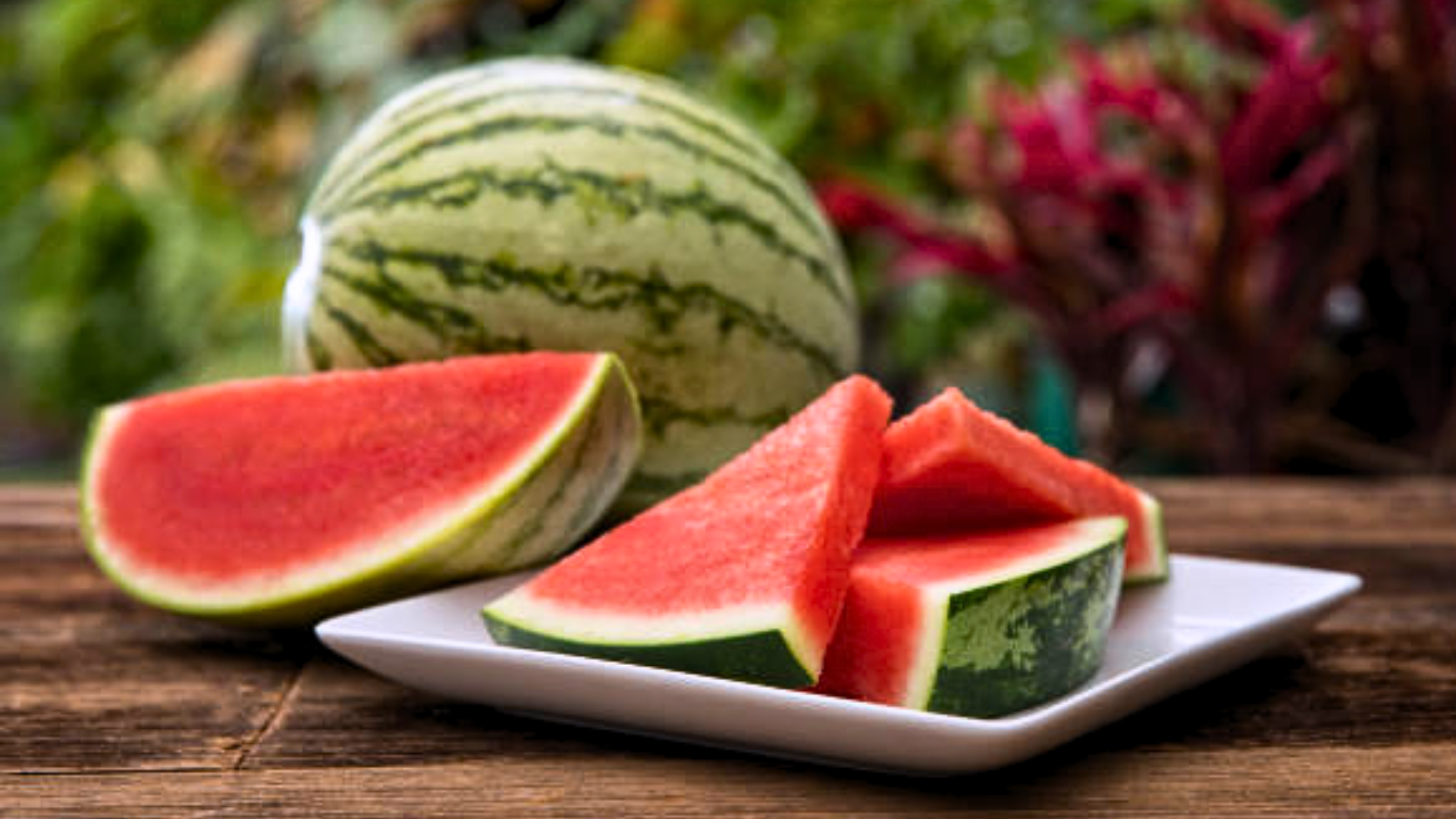
Washing a watermelon doesn’t require soap, bleach, or special sprays. Experts recommend rinsing it under cool running water, scrubbing with a clean produce brush, and drying it with a paper towel before cutting. The friction helps remove surface contaminants.
Equally important is making sure your knife and cutting board are clean. Cross-contamination from dirty kitchen tools can introduce bacteria even if you washed the rind properly.
Once sliced, watermelon should be eaten immediately or refrigerated within two hours, sooner if it’s hot outside. Store leftovers in a sealed container below 40°F and consume within three to four days to keep bacteria from multiplying.

