Woman Eats Peanut Butter for a Week and Her Blood Sugar Told an Unexpected Story
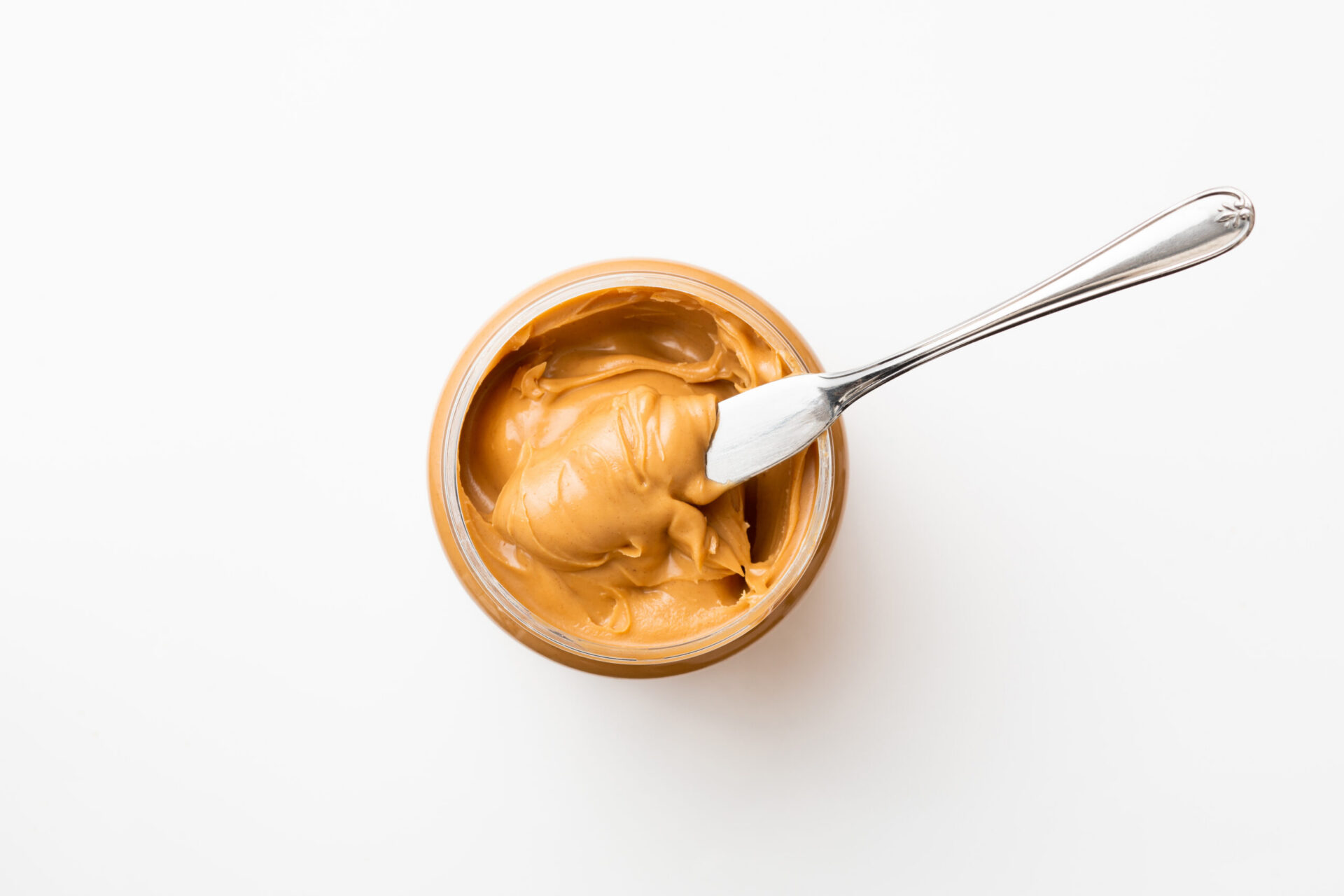

Peanut butter inspires devotion, indifference, and, for some, caution. Nutritionally dense and deeply satisfying, it is often praised as a smarter alternative to sugar-laden spreads provided it is minimally processed and free from added sugars.
Registered dietitian Lauren Manaker notes that peanuts can be a valuable addition to a balanced diet. Yet moderation matters. A typical jar contains roughly 50 grams of fat per 100 grams translating to about 450 calories making portion control essential.
So what happens when someone consumes a tablespoon every day? For one woman living with diabetes, the results proved unexpectedly encouraging.
Tracking Blood Sugar in Real Time
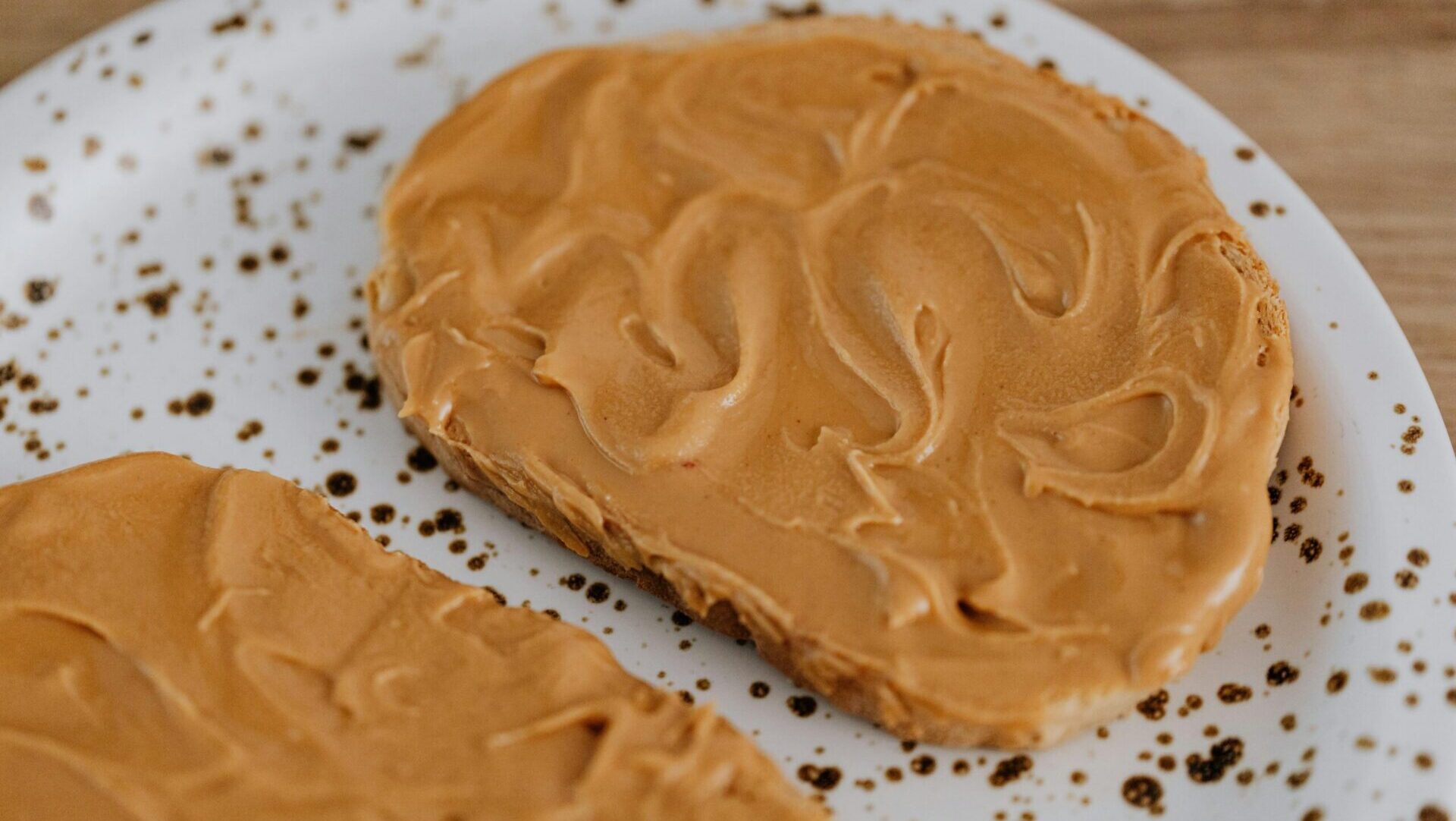
Emily Goldman, who manages her diabetes with a continuous glucose monitor, decided to test how daily peanut butter consumption would affect her system. Her approach was simple: one tablespoon straight from the spoon, blended into yogurt and granola, or paired with apple slices.
Because her CGM measures glucose levels every five minutes, she could observe precisely how different foods influenced her body. Most carbohydrate-heavy snacks triggered noticeable spikes. Peanut butter, however, told a different story.
She reported feeling fuller for longer and experiencing fewer dramatic rises in blood sugar particularly when the nut butter accompanied carbohydrate-rich foods. Even on its own, it caused minimal fluctuation.
Why the Numbers Stayed Stable
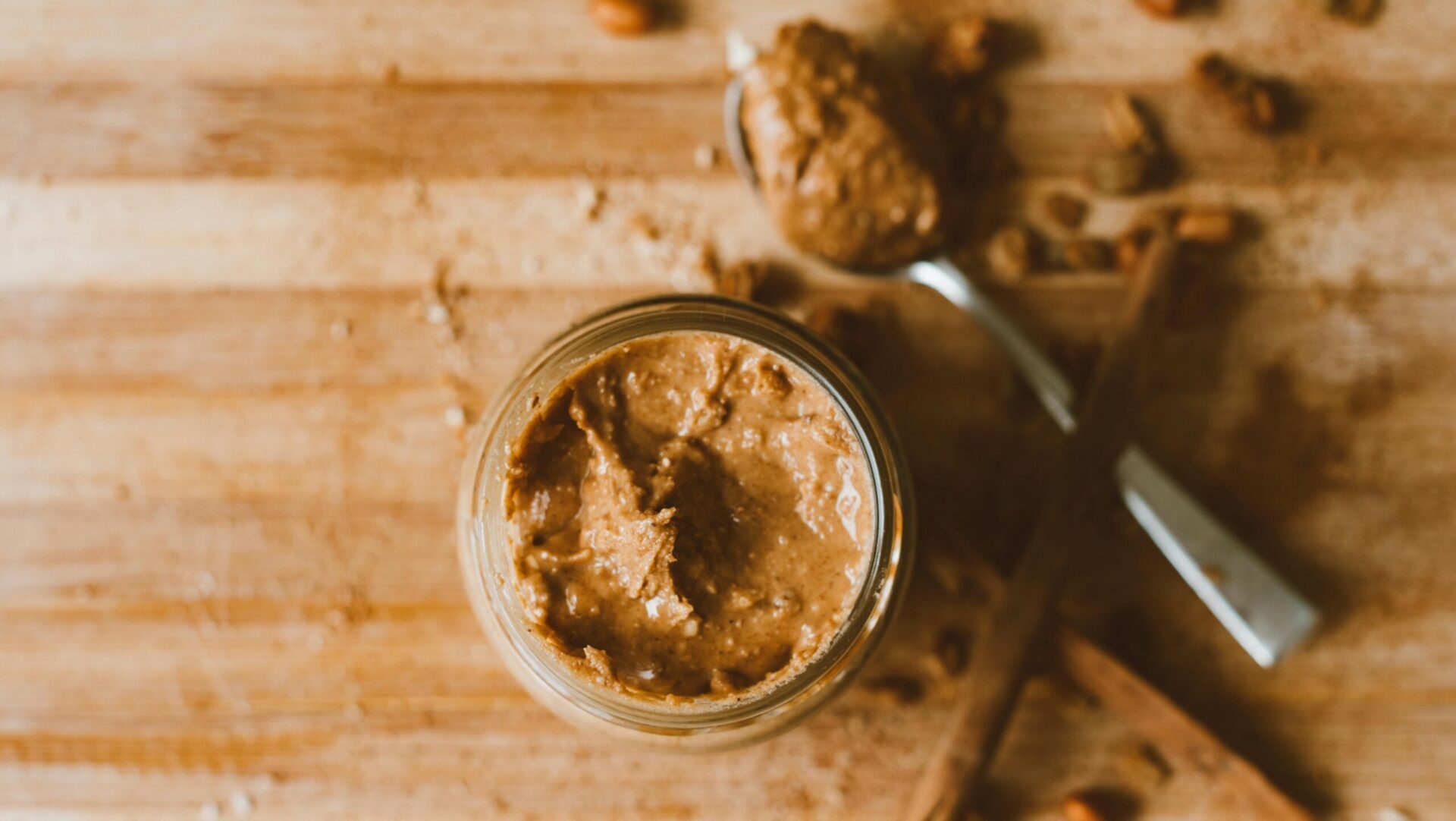
Emily used smooth Jif, which contains about eight grams of fat and roughly 80 calories per tablespoon. According to Manaker, the steady glucose response was hardly surprising.
Peanut butter is low in carbohydrates while rich in fats and protein. That combination slows the digestion of carbs consumed alongside it, reducing the likelihood of rapid blood sugar spikes. For people monitoring insulin response, this buffering effect can be significant.
In practical terms, adding a healthy fat to bread, fruit, or crackers can moderate the metabolic aftermath. The result is sustained energy rather than a sharp rise and fall.
Beyond Blood Sugar: A Nutrient-Dense Staple

The benefits extend further than glycemic control. Peanut butter contains vitamin E, magnesium, and potassium nutrients linked to heart health, bone strength, muscle function, and blood pressure regulation.
When made without added sugars or excessive hydrogenated oils, it can support cholesterol management and provide plant-based protein in an accessible form. Its versatility spread, blended, or spooned only increases its appeal.
For Emily, the weeklong experiment reinforced a simple lesson: when thoughtfully incorporated, even a calorie-dense food can serve a strategic purpose. Sometimes, wellness is less about elimination and more about intelligent pairing.