Woman Frees Crayfish From Restaurant Tank After Believing It Was Meant to Be Cooked, ‘Misguided’ Rescue Ends in Court
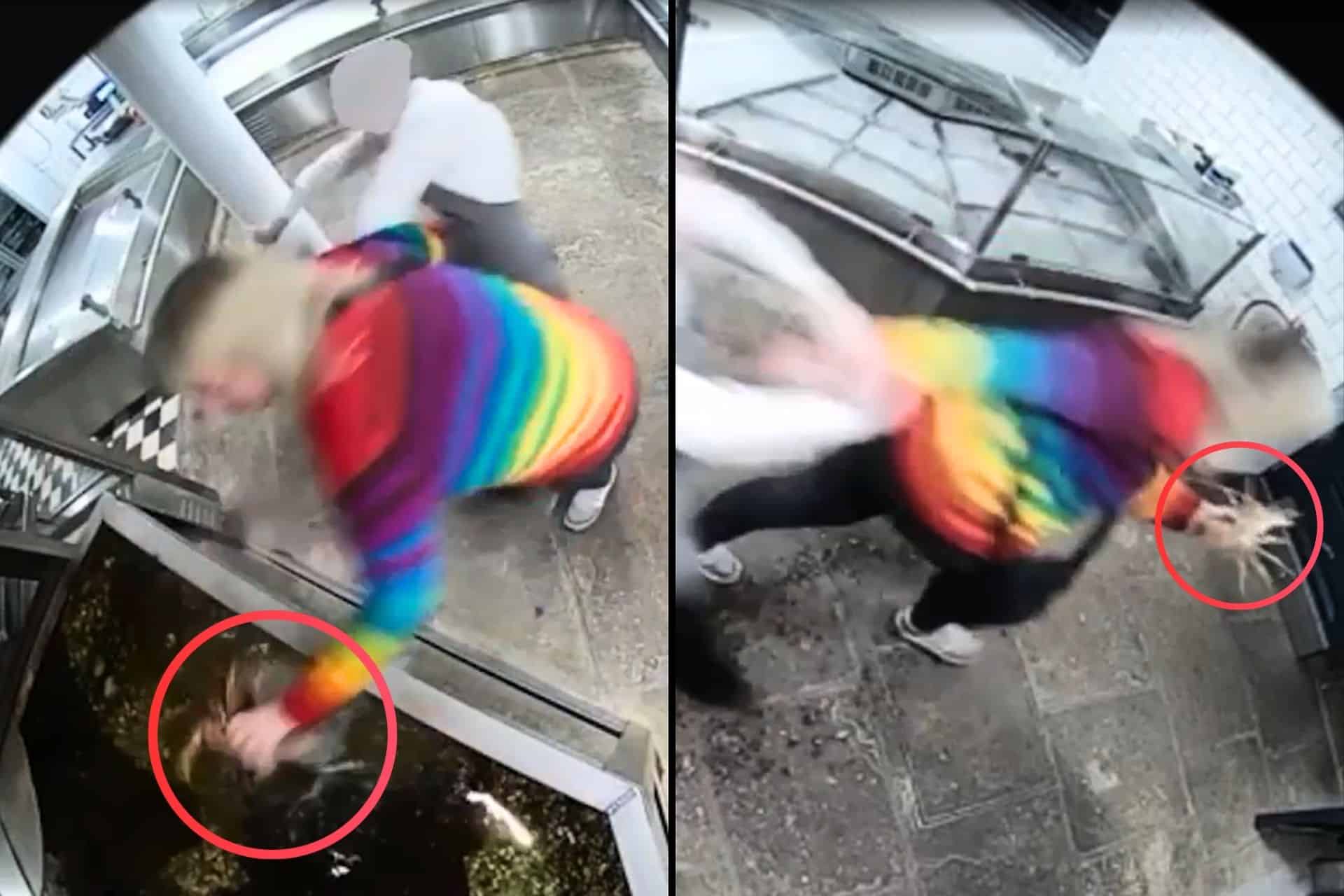

An animal rights activist sparked controversy after entering the Catch at the Old Fish Market, a seafood restaurant in Weymouth, Dorset, and removing a live crayfish from a tank, believing it was destined to be cooked. CCTV footage from inside the venue shows the woman, identified as 47-year-old Emma Smart, heading directly for the tank before grabbing the crustacean and attempting to leave.
Staff members tried to intervene, as seen in footage described across multiple reports, but Smart pushed past them and made her way outside. The scenes, captured on both indoor and outdoor cameras, show a brief struggle before she exited the premises holding the animal.
Once outside, she released the crayfish into a nearby harbor. Reports from The Sun and Daily Mail, along with CCTV footage from Bournemouth News & Picture Service (BNPS), show her quickly moving from the restaurant to the waterfront, where the animal was dropped into the sea.
A Misunderstanding With Serious Consequences
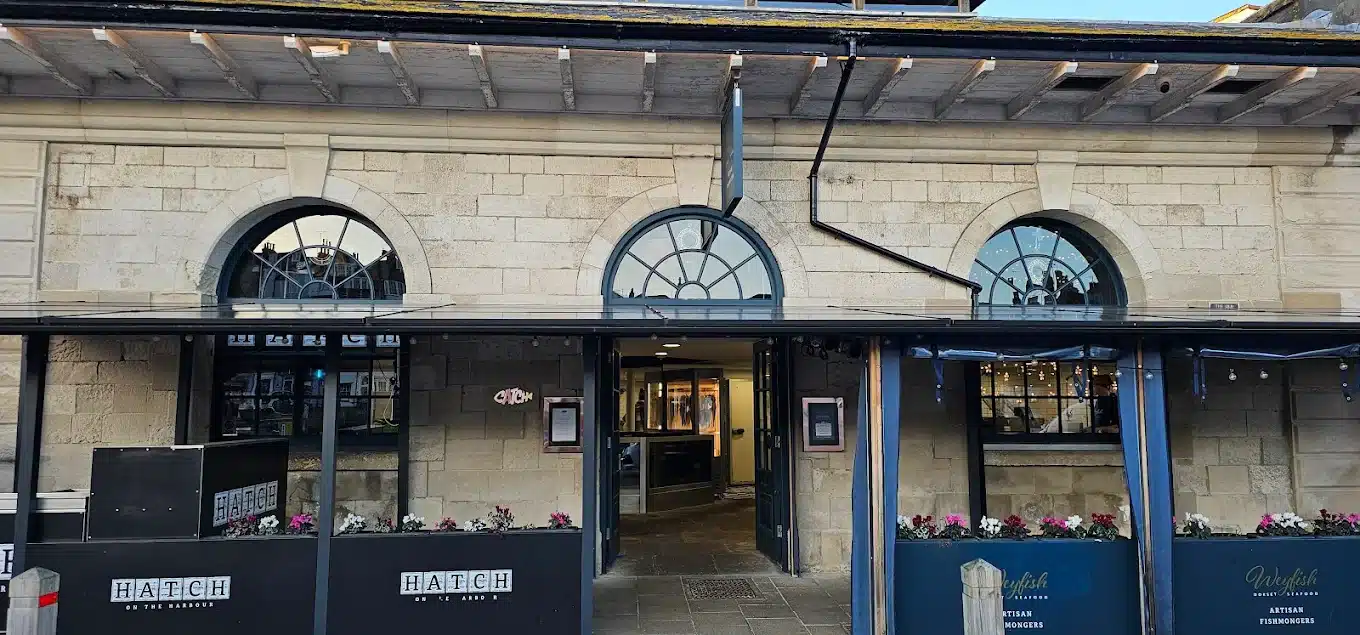
The central issue in the case stemmed from a misunderstanding. The crayfish was not intended for consumption but had been kept at Catch at the Old Fish Market for more than two years as part of an educational display for visiting children.
According to restaurant owner Sean Cooper, the animals were considered unusual for local waters and were used to help families and young visitors learn about marine life. He said the tank allowed children to observe behaviors such as growth and shell shedding—details that, he argued, made the display both engaging and informative.
Prosecutors told the court the animal belonged to the restaurant and was not for sale. Smart’s defense acknowledged that her actions were impulsive, driven by concern for animal welfare. However, Cooper described the incident as distressing, arguing that the activist had targeted the wrong establishment and misunderstood its purpose, turning what she believed was a rescue into an act the court ultimately deemed misguided.
Debate Over the Crayfish’s Fate
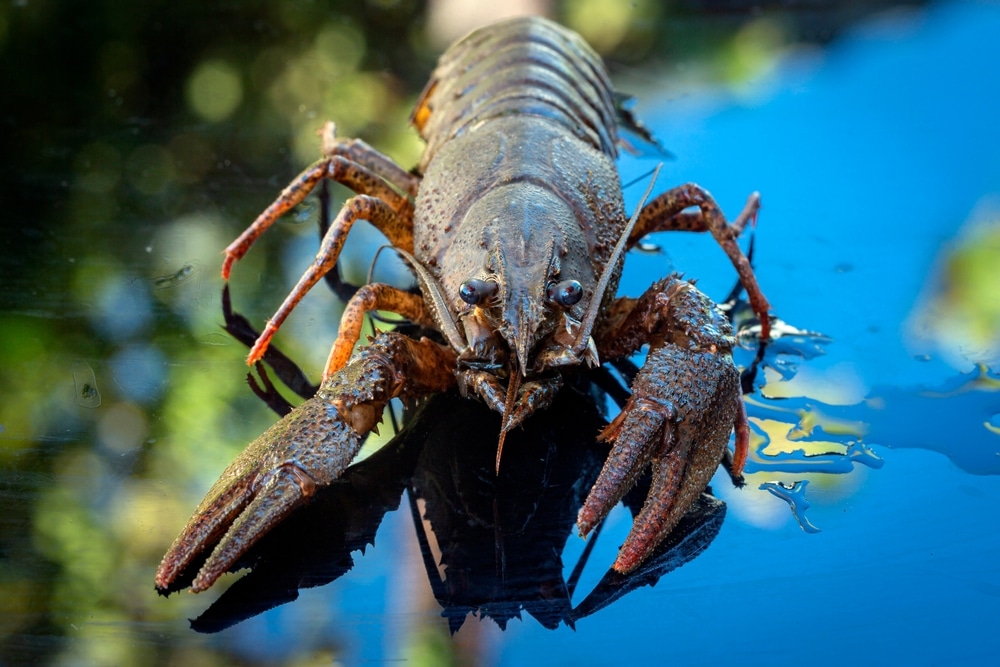
While the activist intended to free the animal, questions quickly arose about whether the crayfish could survive in the wild after being released. The restaurant owner argued that the sudden change in water temperature would likely have killed it almost immediately.
He also claimed that the animal had been living in controlled conditions and that throwing it into the harbor with force—described as “like a cricket ball”—may have caused fatal harm. The crayfish was never seen again after the incident, leaving its fate uncertain.
The episode also lands amid a wider shift in how crustaceans are viewed. In the UK, policymakers have moved toward stronger protections after research found sea animals like crustaceans can feel pain, with new rules set to ban boiling them alive as part of updated welfare standards.
Court Ruling and Wider Implications

The legal outcome reflected the complexity of the situation. Smart admitted to causing criminal damage and was given a conditional discharge along with a three-year restraining order preventing her from approaching the Catch at the Old Fish Market or its staff.
A judge described the act as “deeply misguided,” noting that the crayfish was not intended for consumption and that the intervention may have caused more harm than good. The court also acknowledged uncertainty about whether the animal survived after being released.
The case has since drawn attention as an example of how activism, when based on incomplete information, can lead to unintended consequences. It also highlights ongoing tensions between animal welfare concerns and the realities of how animals are kept, displayed, and used in commercial settings.
As discussions around animal rights continue to evolve, the incident serves as a reminder that intent alone does not determine outcomes, particularly when actions intersect with science, law, and public perception.