Woman Opens Fresh Pack of Ritz, Discovers A Potentially Deadly Ingredient Not Listed on the Box
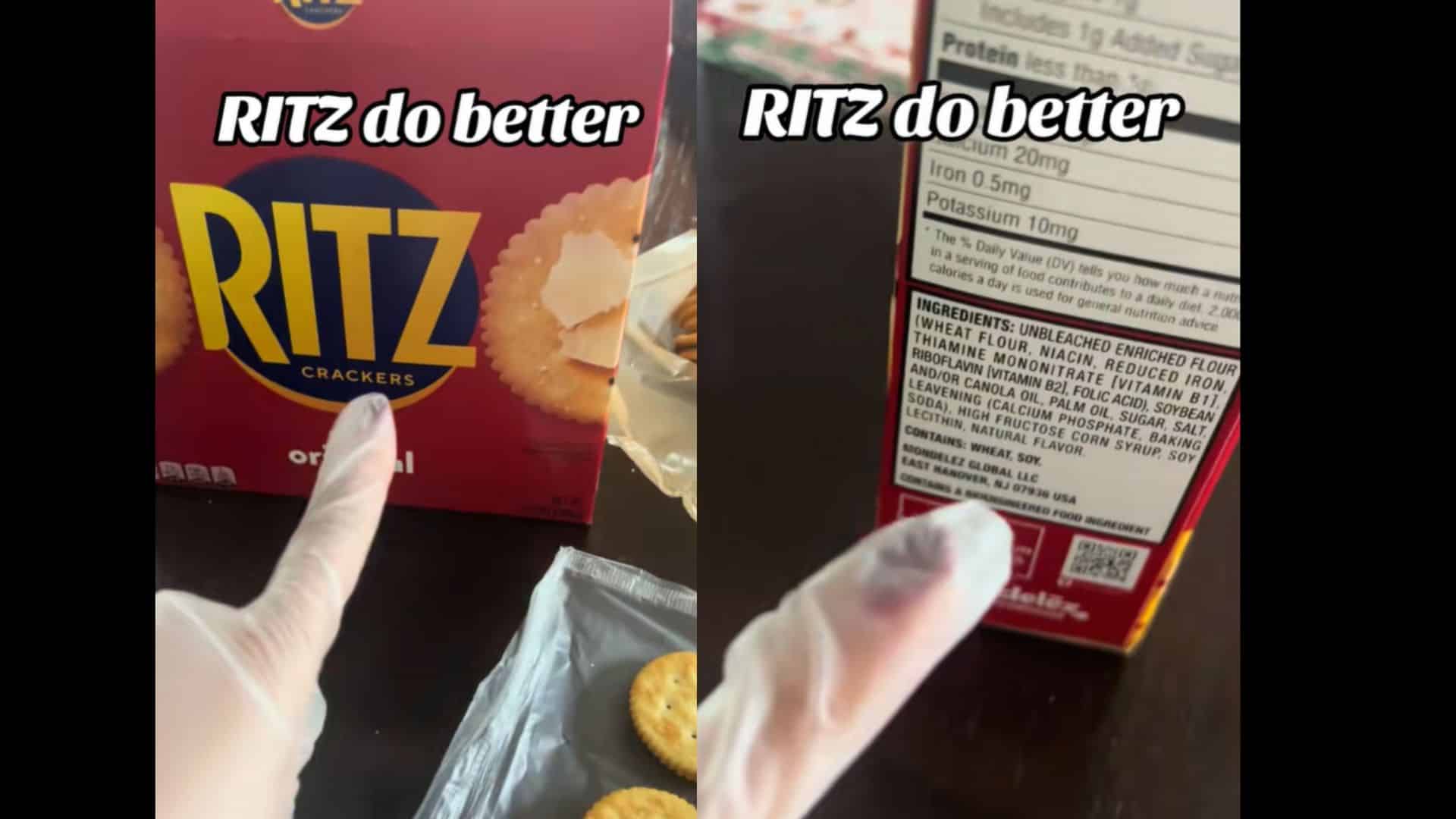

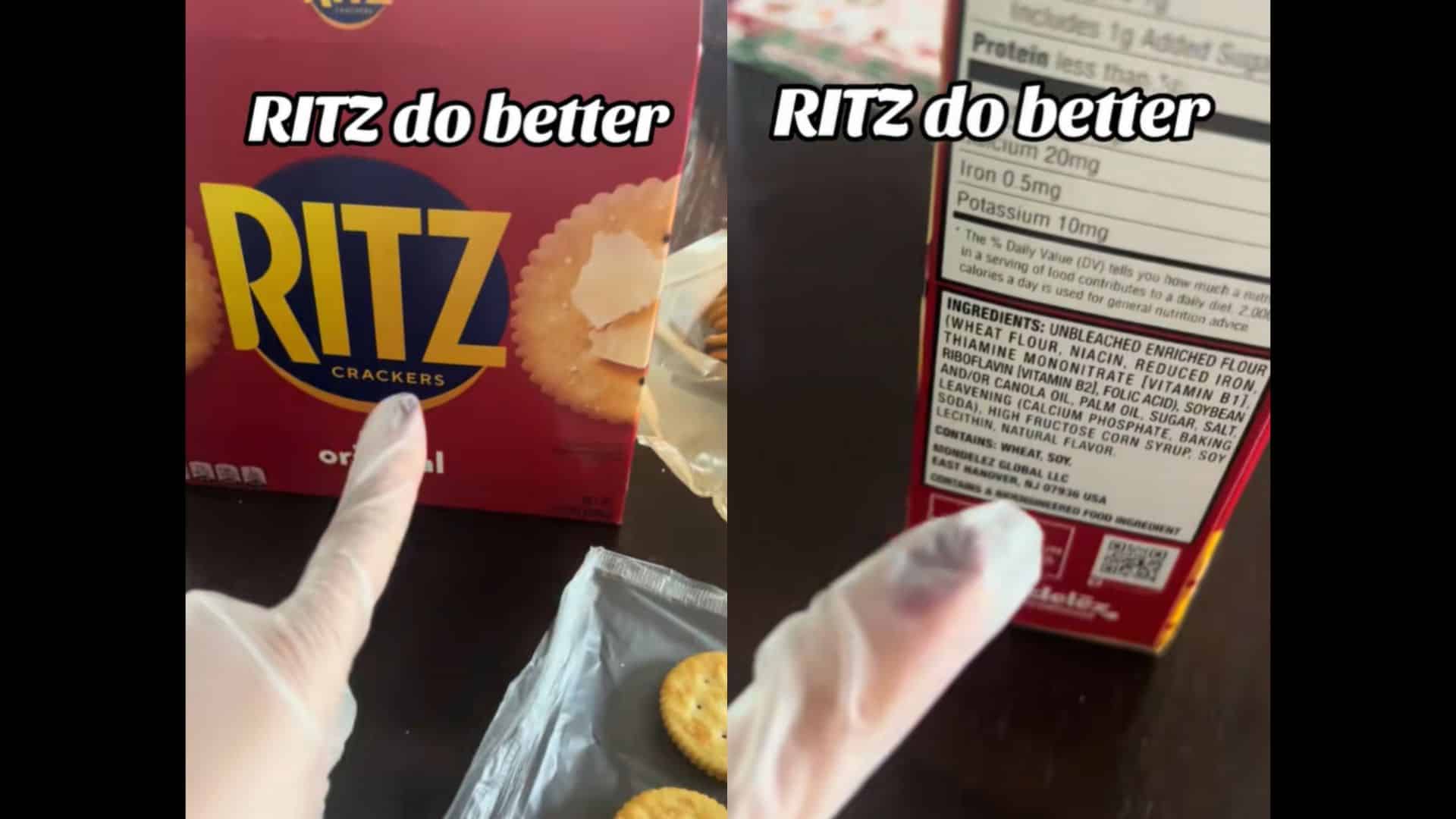
A fresh box of Ritz Crackers smelled wrong the moment Raven Brackens opened it. The Kentucky woman expected the familiar buttery scent, but instead detected something that reminded her of peanut butter. She put on white gloves and examined the crackers more closely, finding brown residue on at least three of them that looked and smelled distinctly like peanuts. What alarmed her most was what the box didn’t say anywhere on its label.
Brackens filmed what she found and posted it to TikTok, where the video drew over 10,000 views. “So I just opened a fresh pack of Ritz, right,” she explained in the clip. “And I was looking at these, and I was like, is that peanut butter? And it is. It smells like peanut butter. And nowhere on the box does it say, ‘may contain nuts made in a factory with nuts.'” For someone with a severe peanut allergy, that kind of undisclosed contamination could be deadly.
In her caption, Brackens made her concern clear. “Selling ‘plain’ crackers without clearly stating they’re made in a peanut facility is dangerous. Food allergies aren’t a suggestion,” she wrote. Mondelez International, which makes Ritz, does produce peanut butter cracker sandwiches at some of its facilities, but peanuts don’t appear on the ingredient list for original Ritz crackers. Some packages warn about peanut facilities, others don’t, creating inconsistency across production sites.
Ritz Recalled Mislabeled Peanut Butter Crackers
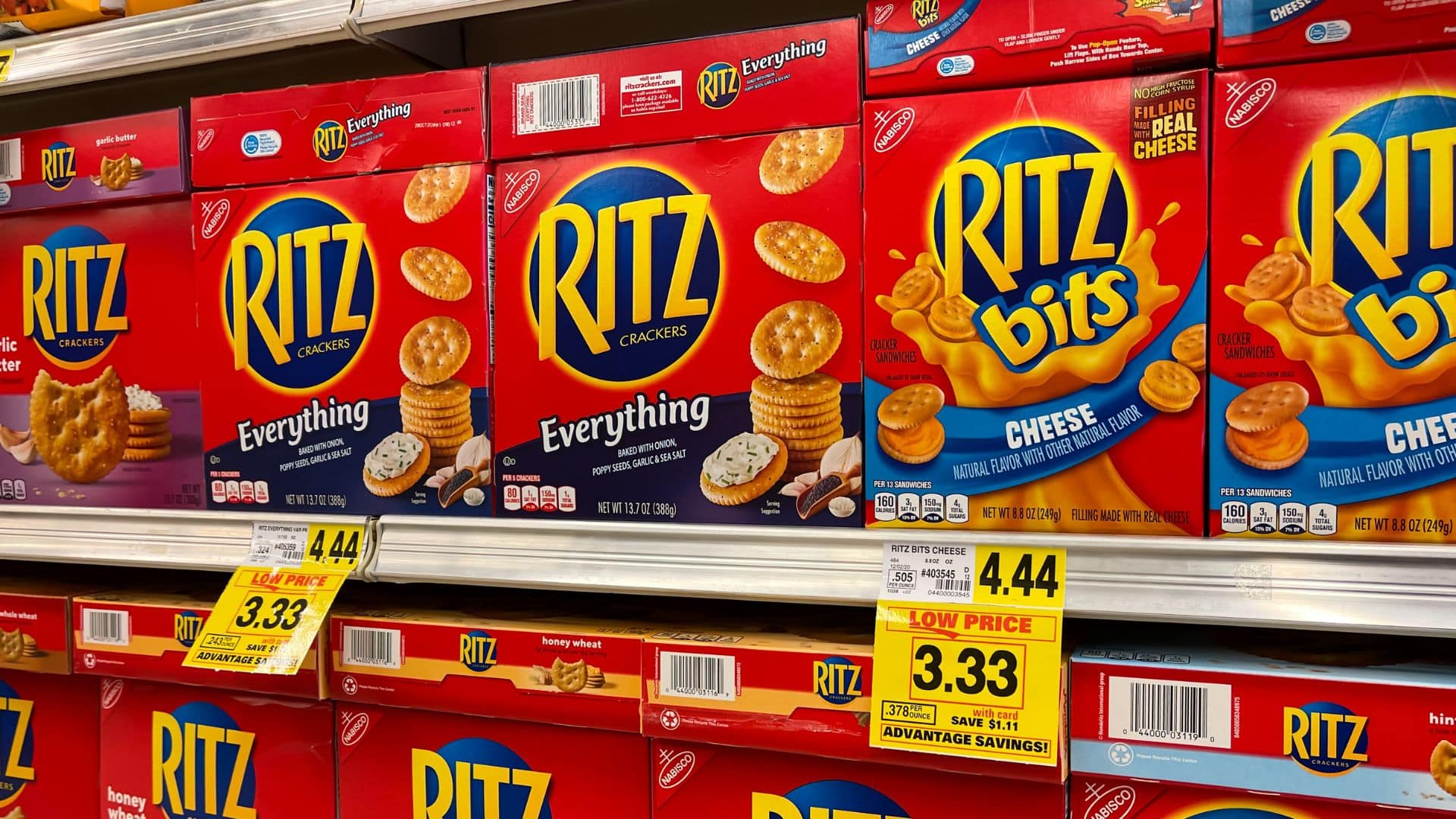
This isn’t the first time Ritz has faced allergen labeling problems recently. In December 2025, the company recalled 70 cases of Ritz Peanut Butter Cracker Sandwiches shipped to eight states after discovering a packaging mix-up, as reported by Fox Business. Individual packs meant to contain peanut butter sandwiches were mistakenly labeled as cheese crackers. The affected products went to retailers in New York, New Jersey, Pennsylvania, Georgia, Arkansas, Missouri, Oklahoma, and Alabama.
According to Fox Business, Mondelez Global, Ritz’s parent company, said the outer cartons were labeled correctly and noted peanut content, but the individual wrappers inside bore cheese labels. The FDA warned that consuming the mislabeled product could trigger serious or life-threatening reactions in people with peanut allergies. The recall covered 27.6-ounce cartons with specific best-by dates in January 2026. Mondelez initiated the action as a precaution after learning the mislabeled cases were mistakenly shipped.
That December recall followed a similar action in July 2025, though the FDA clarified the December recall wasn’t an expansion of the summer issue, Fox Business reported. The July recall involved multiple pack sizes of peanut butter sandwiches and variety packs after Mondelez found defects in the packaging film used for individual sandwiches. The company reported no injuries or illnesses from either recall.
Multiple Facilities and Product Lines Can Create Cross-Contamination Risks
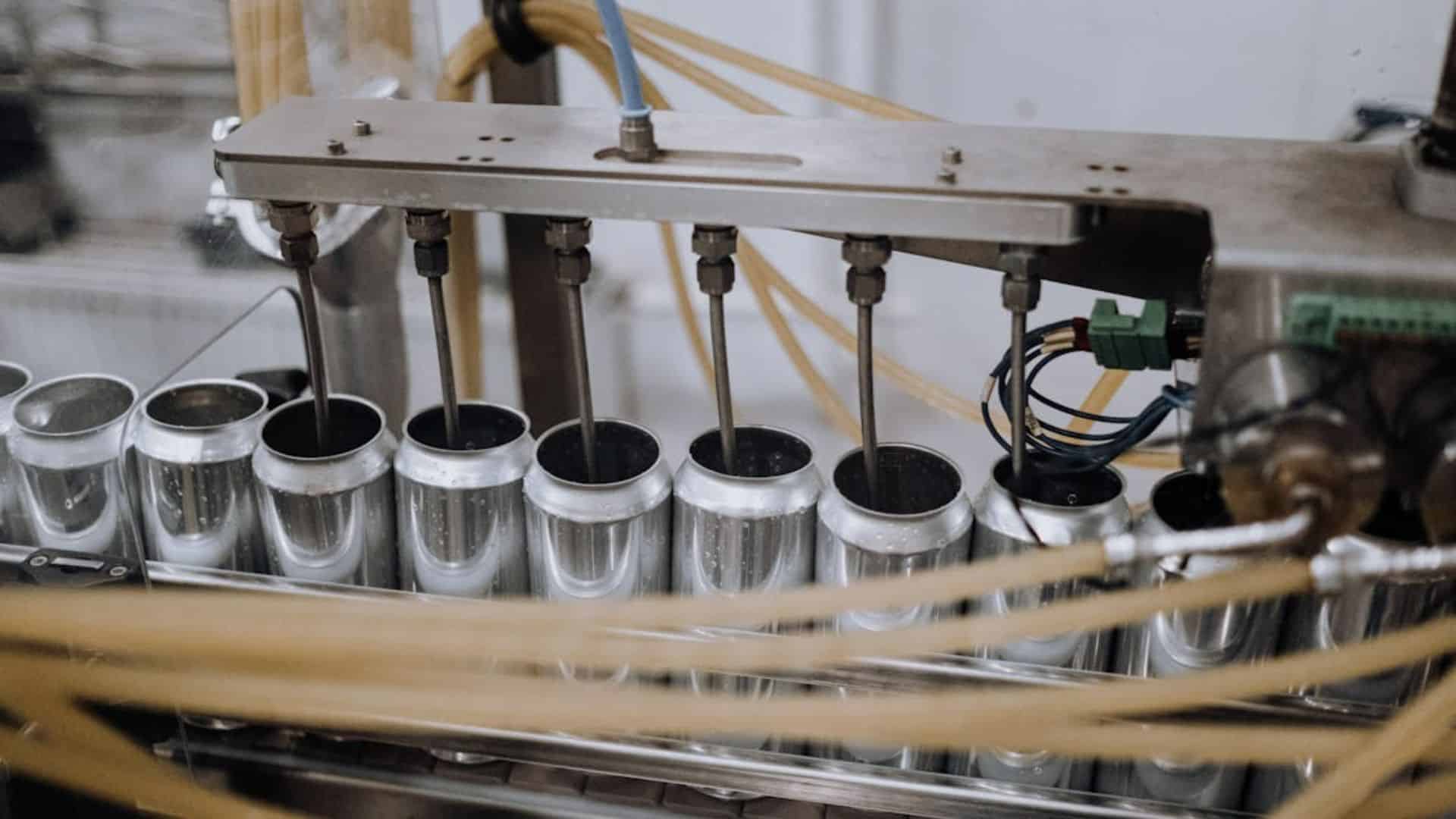
Mondelez International operates multiple Ritz production facilities across the U.S., and not all of them manufacture the same products. Some locations produce peanut butter sandwich crackers alongside original Ritz, creating potential for cross-contamination during production runs. The company doesn’t list peanuts as an ingredient in plain Ritz crackers, but manufacturing environments can introduce allergens that wouldn’t appear on ingredient labels. Some packages include warnings about peanut presence in facilities, while others omit this information entirely.
Facilities handling multiple product lines need rigorous cleaning protocols between production runs to prevent allergen transfer. Even trace amounts of peanut residue remaining on equipment surfaces could migrate onto products not intended to contain nuts. For individuals with severe allergies, exposure to microscopic quantities can trigger medical emergencies. The distinction between intentional ingredients and environmental contamination becomes critical when production lines switch between peanut-containing products and supposedly peanut-free items throughout the same workday.
The brown substance Brackens found on her crackers points to a manufacturing defect. Equipment used for peanut butter sandwiches that isn’t cleaned thoroughly before switching to original crackers can leave residue. Peanut dust or particles in the air within facilities can settle on products during packaging. Workers handling both product types can inadvertently transfer material between lines. These types of manufacturing issues explain how allergens end up on products where they don’t belong, which is why facility warnings are essential for people with allergies.
Consumer Reporting Can Prompt Investigations and Prevent Future Incidents

Viewers responding to Brackens’ video urged her to contact Mondelez International directly to report the contamination. Direct manufacturer communication can trigger internal investigations that might reveal problems at specific production facilities. Companies can examine equipment, review cleaning procedures, and issue voluntary recalls when credible contamination evidence emerges. Consumer reports often provide the first indication that quality control measures have failed, especially when issues affect limited production runs that might otherwise go unnoticed.
Commenters also recommended advocating for better food safety standards and more oversight of product expectations. For individuals with peanut allergies, anaphylactic reactions can occur within minutes of exposure, requiring immediate epinephrine administration and emergency medical care. Package labels and facility warnings provide critical survival information that people with severe allergies depend on to avoid life-threatening situations.
Whether Brackens encountered a one-time production anomaly or evidence of broader facility issues, her decision to document and share the problem serves everyone who depends on accurate allergen information. Transparency about contamination risks and clear warnings on packaging can mean the difference between a safe snack and a medical emergency. Manufacturing defects can occur at any facility, making consumer reporting critical for identifying issues before they cause harm.