Worker Anxiety Heightens During ‘No-Hire, No Fire’ Standstill and Unprecedented Layoffs
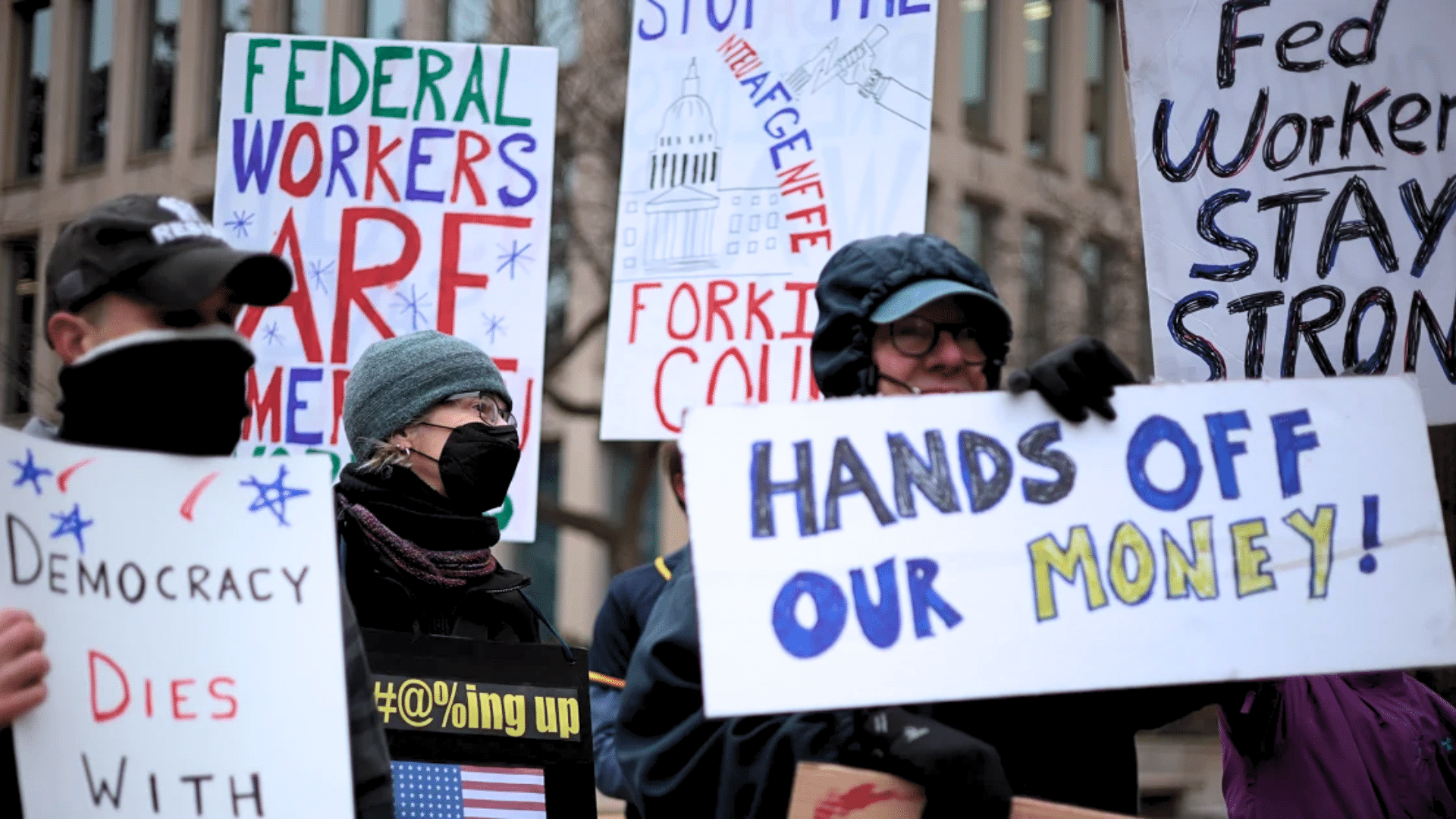

Across the U.S., workers are feeling a new kind of fear, not the panic of sudden unemployment, but the dread of being stuck. Economists now describe the labor market as locked in a “no-hire, no-fire” standstill, where companies are reluctant to add jobs yet increasingly willing to cut them. Hiring has slowed to a crawl, with the economy adding just 50,000 jobs last month, far below what Americans grew used to after the pandemic rebound. For employees, this creates a psychological trap. Leaving a job feels risky because openings are scarce. Staying feels unsafe because layoffs keep piling up. The result is rising anxiety, frozen career plans, and a workforce that feels one announcement away from upheaval.
Layoffs Accelerate Despite a Stable Headline Economy

What makes the current moment unsettling is the disconnect between official narratives and lived reality. While the economy is not in a classic recession, layoffs are spreading across industries. Companies cite rising operational costs, stubborn inflation, and uncertainty fueled by new tariffs and shifting consumer behavior. At the same time, many firms are still unwinding aggressive hiring sprees from the pandemic era. Workers hear mixed signals. The economy is “fine,” but jobs keep disappearing. That contradiction is driving stress levels higher, especially for mid-career employees who remember how quickly job markets can turn unforgiving.
Amazon’s Cuts Signal a New Corporate Playbook
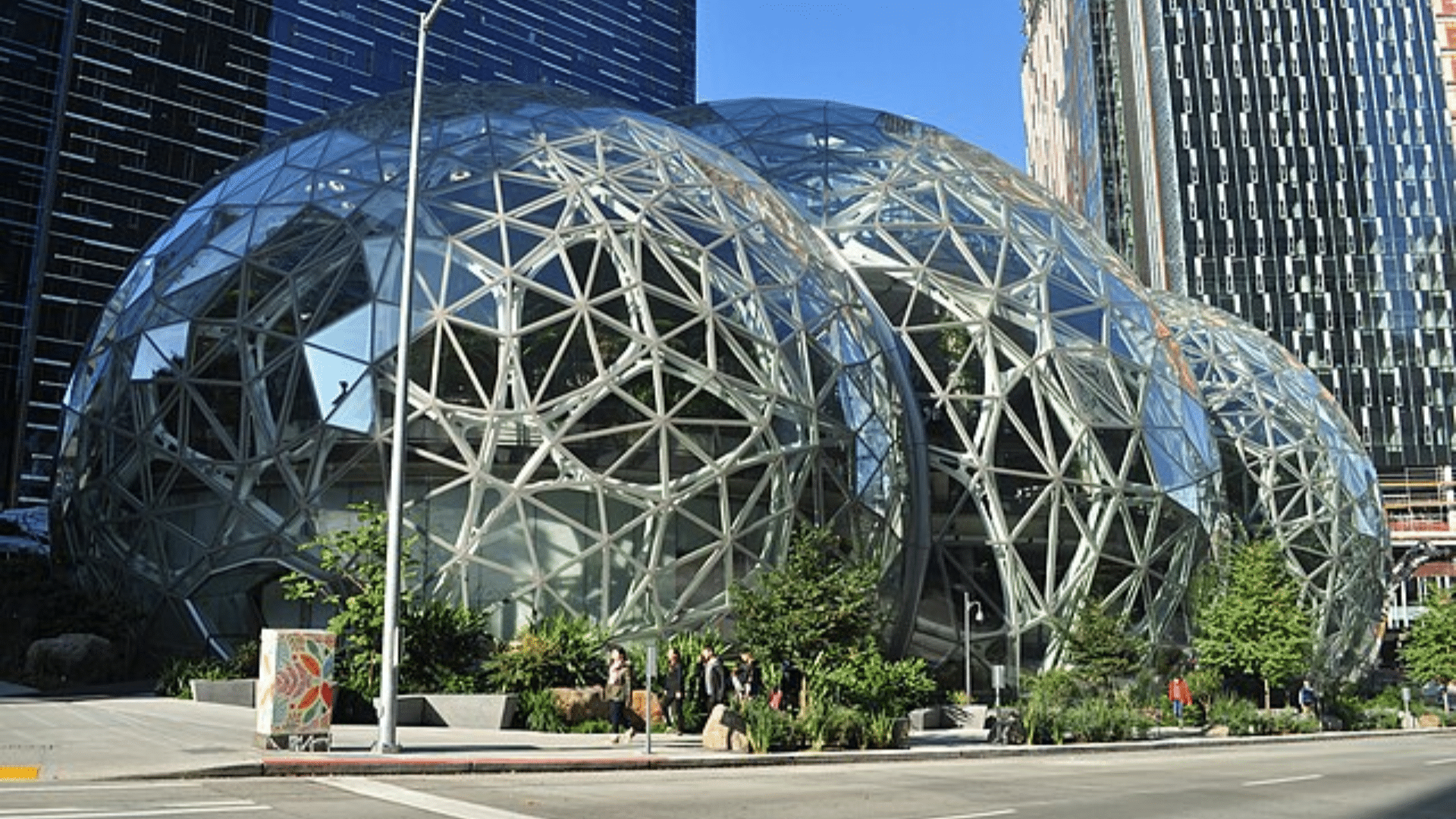
Few companies illustrate the shift more clearly than Amazon. The e-commerce giant recently cut about 16,000 corporate jobs, just months after eliminating another 14,000 roles. Leadership framed the move as removing bureaucracy and boosting efficiency. But there is a deeper signal. Amazon has been explicit that generative AI will reduce the need for corporate workers. For employees across the tech sector, the message is chilling. Even highly profitable companies are no longer protecting white-collar jobs. Efficiency now matters more than headcount stability, and workers are adjusting to that reality in real time.
Dow, Intel, and the Manufacturing Reset
The anxiety is not confined to tech. Industrial and manufacturing giants are cutting deeply as well. Dow announced plans to eliminate 4,500 jobs, on top of earlier reductions. Intel is shrinking toward a core workforce of 75,000, down from nearly 100,000 just a year earlier. These cuts are framed as modernization and restructuring, often tied to automation and AI. For workers, the fear is structural. These are not temporary belt-tightening measures. They suggest entire categories of jobs may never return, even if economic conditions improve.
UPS and Tyson Show the Human Cost

Some layoffs are reshaping entire communities. UPS plans to cut up to 30,000 operational jobs this year, following tens of thousands of cuts already announced. Tyson Foods closed a plant in Lexington, Nebraska, wiping out jobs for nearly a third of the town’s population. These are not abstract numbers. They represent families scrambling, towns losing tax bases, and local economies hollowing out. For workers watching from similar industries, the fear is not just job loss. It is displacement, with few comparable roles nearby.
White-Collar Jobs Are No Longer Safe

Companies once considered stable employers are shedding thousands of office jobs. HP expects to cut up to 6,000 employees. Verizon laid off more than 13,000 workers. Procter & Gamble announced plans to eliminate 7,000 roles globally. These are not struggling startups. They are household names. The message workers are absorbing is stark. Loyalty is no longer a shield. Even high-performing employees are vulnerable when companies decide to simplify operations or redirect investment.
AI Looms Over Every Layoff Announcement

A common thread runs through nearly every explanation. Artificial intelligence. Companies are openly redirecting budgets toward AI systems that promise long-term efficiency gains. In the short term, that often means fewer people. Workers fear they are being replaced not by other workers, but by software. Unlike past cycles, where layoffs were followed by rehiring, this shift feels permanent. That fear is reshaping how employees think about skills, job security, and whether traditional career paths still make sense.
Government Cuts Add to the Unease
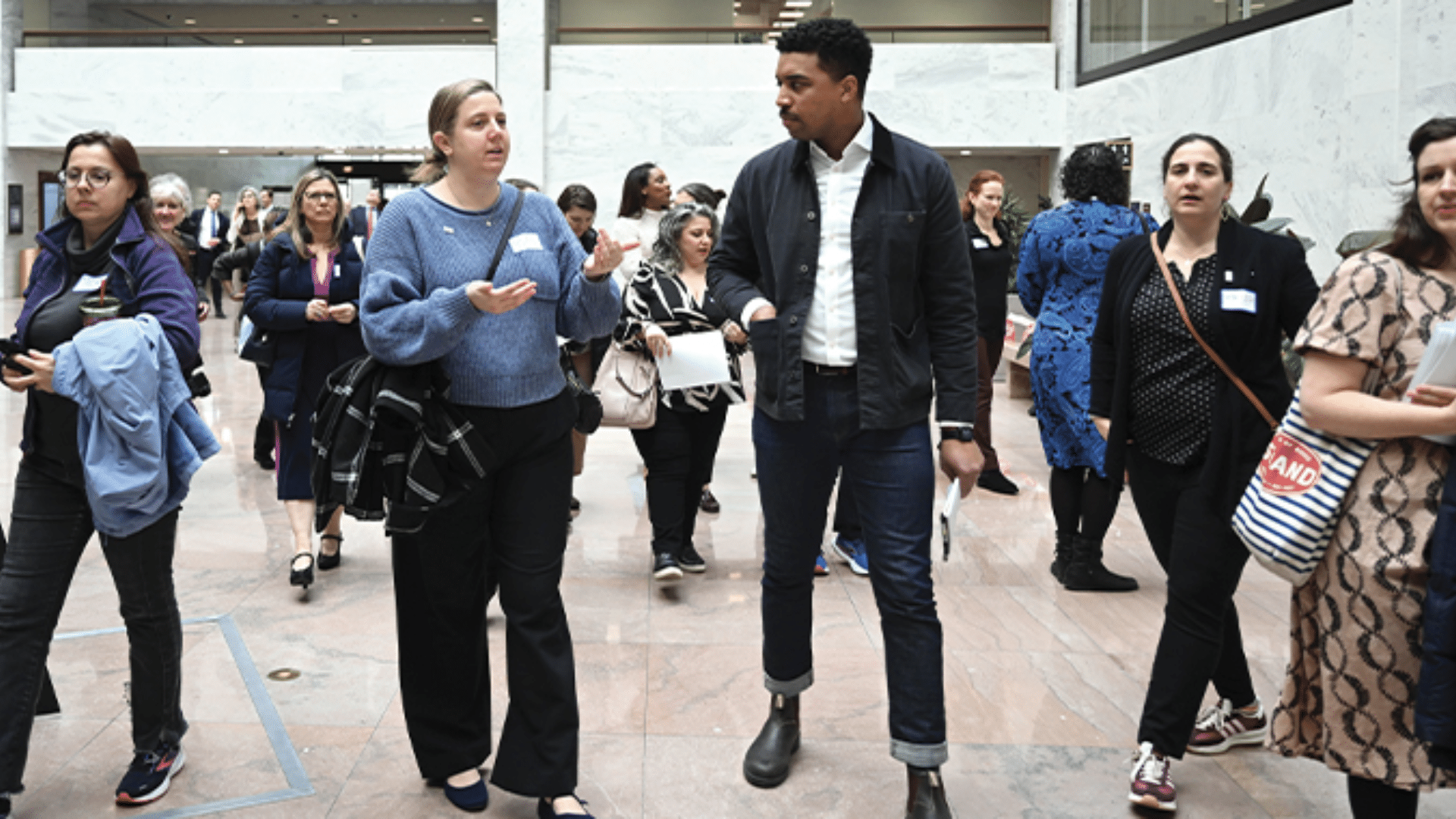
The private sector is not alone. Thousands of federal government employees lost jobs during cuts last year, further straining confidence in the labor market. Government work was long viewed as a safe harbor during uncertain times. When even those roles disappear, anxiety spreads. Workers now see fewer places to hide. Stability itself feels rare, and that psychological shift may be as damaging as the layoffs themselves.
The Emotional Toll of the Standstill

The “no-hire, no-fire” environment creates a unique kind of stress. Employees stay in jobs they dislike because alternatives are scarce. Career advancement stalls. Raises disappear. At the same time, constant headlines about layoffs make people feel expendable. Workers report being more cautious, less willing to take risks, and more burned out. Economists track jobs numbers. Workers live with the fear behind them.
An Uncertain Path Forward

The current labor market is not collapsing, but it is not healing either. Layoffs continue. Hiring remains weak. Companies are signaling long-term changes rather than short-term adjustments. For workers, the question is no longer when things will “go back to normal.” It is whether normal has already changed. Until hiring resumes and confidence returns, anxiety will remain the dominant emotion in American workplaces.

