World’s Largest Fast Food Chain Arrives in the U.S. With $5 Meals That Could Tempt Americans to Switch
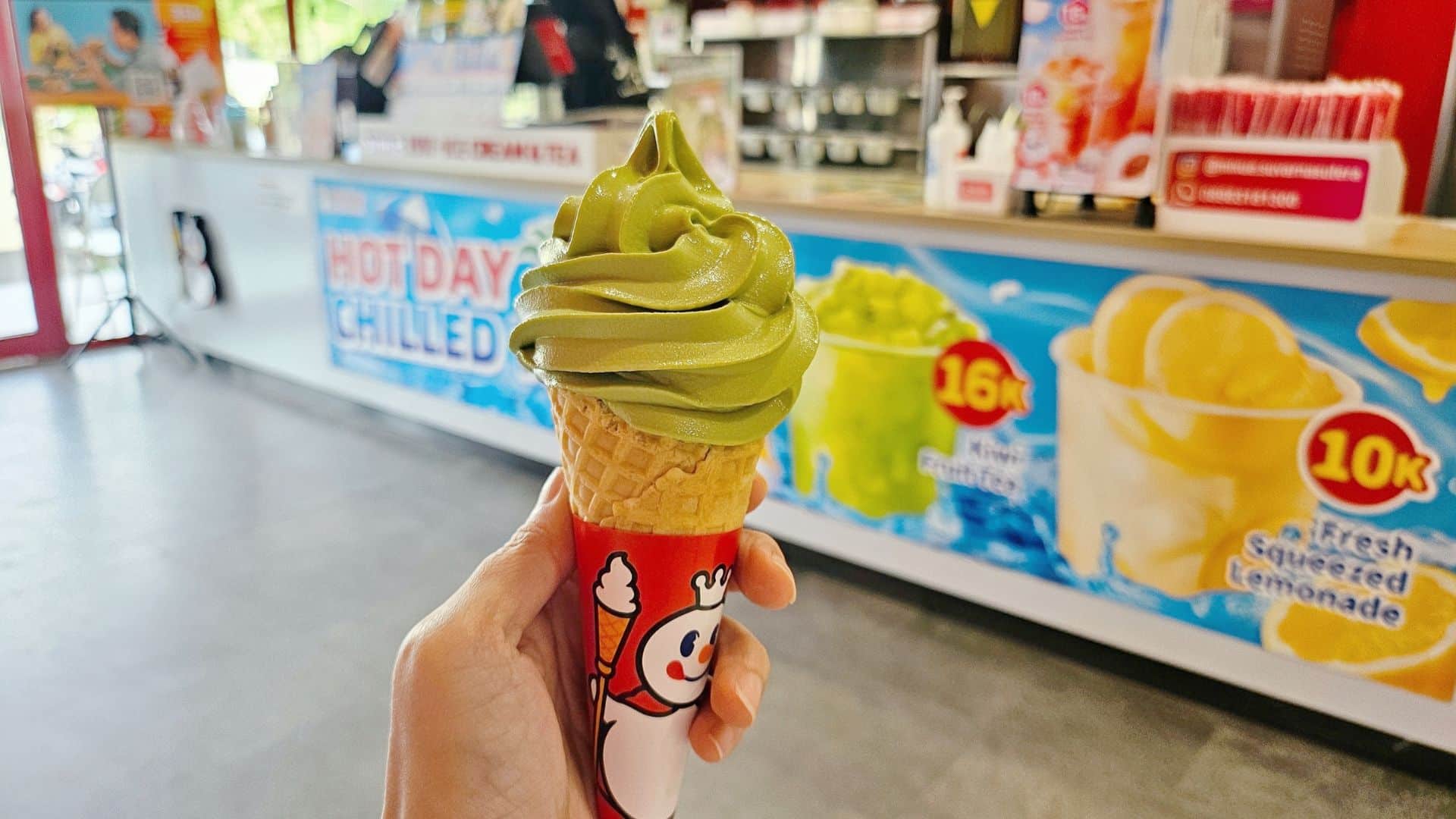

McDonald’s has held the title of America’s most recognized fast food chain for decades, but it is not the largest in the world. That distinction belongs to Mixue, a Chinese beverage chain founded in 1997 in Zhengzhou, China. With more than 46,000 locations across Asia and beyond, Mixue now operates more stores globally than any other fast food brand, and it has begun making its push into the U.S. market.
Mixue’s American foothold started in New York City, where three locations opened in Hell’s Kitchen, Herald Square, and Chinatown. The chain built its international following on soft serve, bubble tea, and fruit drinks sold at prices that undercut most American competitors. A matcha soft serve cone runs $1.69, a fresh lemonade costs $1.99, and even its more elaborate drinks top out at $4.99, according to Food & Wine.
The brand is also hard to miss. Its Snow King mascot, a cartoonish crowned figure, appears on cups, signage, and packaging across every location. Bright red logos and clean labeling give the shops a consistent, polished look that reviewers at Food & Wine noted feels more considered than the price points suggest. That combination of low prices and consistent branding is central to how the chain has built its following across Asia, and it is now the same pitch being made to American consumers.
What’s on the Menu and Where the Value Holds Up
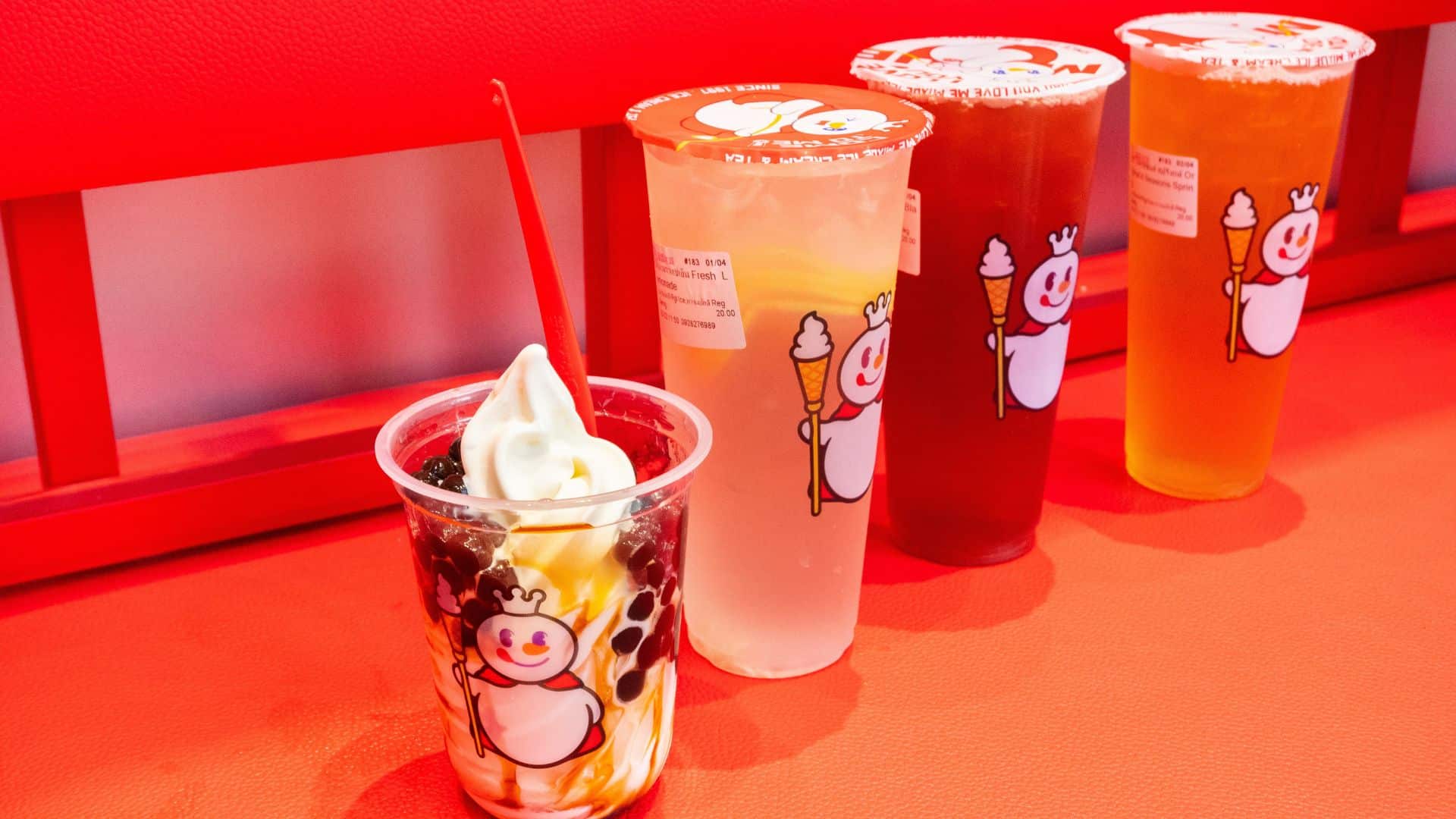
Mixue’s menu centers on soft serve ice cream, bubble tea, milk teas, fruit drinks, and lemonades, with most items falling between $1.99 and $4.99. Customers can customize sugar and ice levels at varying percentage points, and orders are processed through kiosks, mobile ordering, or cashiers. Food & Wine noted that service moves quickly across the New York locations, even during busy periods. The Takeout described the Chinatown location as brightly lit with limited seating despite its spacious layout, positioning it as a grab-and-go destination rather than a sit-down spot.
Reviewers from Food & Wine identified the teas, juices, and ice cream as the menu’s strongest categories. The Super Mango Sundae, priced at $3.49, pairs vanilla soft serve with mango sauce and tapioca pearls. The matcha soft serve at $1.69 was described as genuinely flavorful, with a texture that holds up against more expensive competitors. The Takeout also noted that the Signature King Cone at $1.19 outperformed McDonald’s vanilla cone on both taste and price.
Not everything lands as consistently. Food & Wine found the coffee to be bitter without added sugar or flavor syrups, and the passion fruit drinks, while fresh-tasting, carry a texture that may not appeal to everyone. The matcha latte at $4.49 was considered noticeably weaker than the soft serve version. The menu rewards selective ordering rather than working through it item by item, and availability can vary by location and time of day.
High Demand, Sold-Out Signs, and What the Crowds Actually Reveal
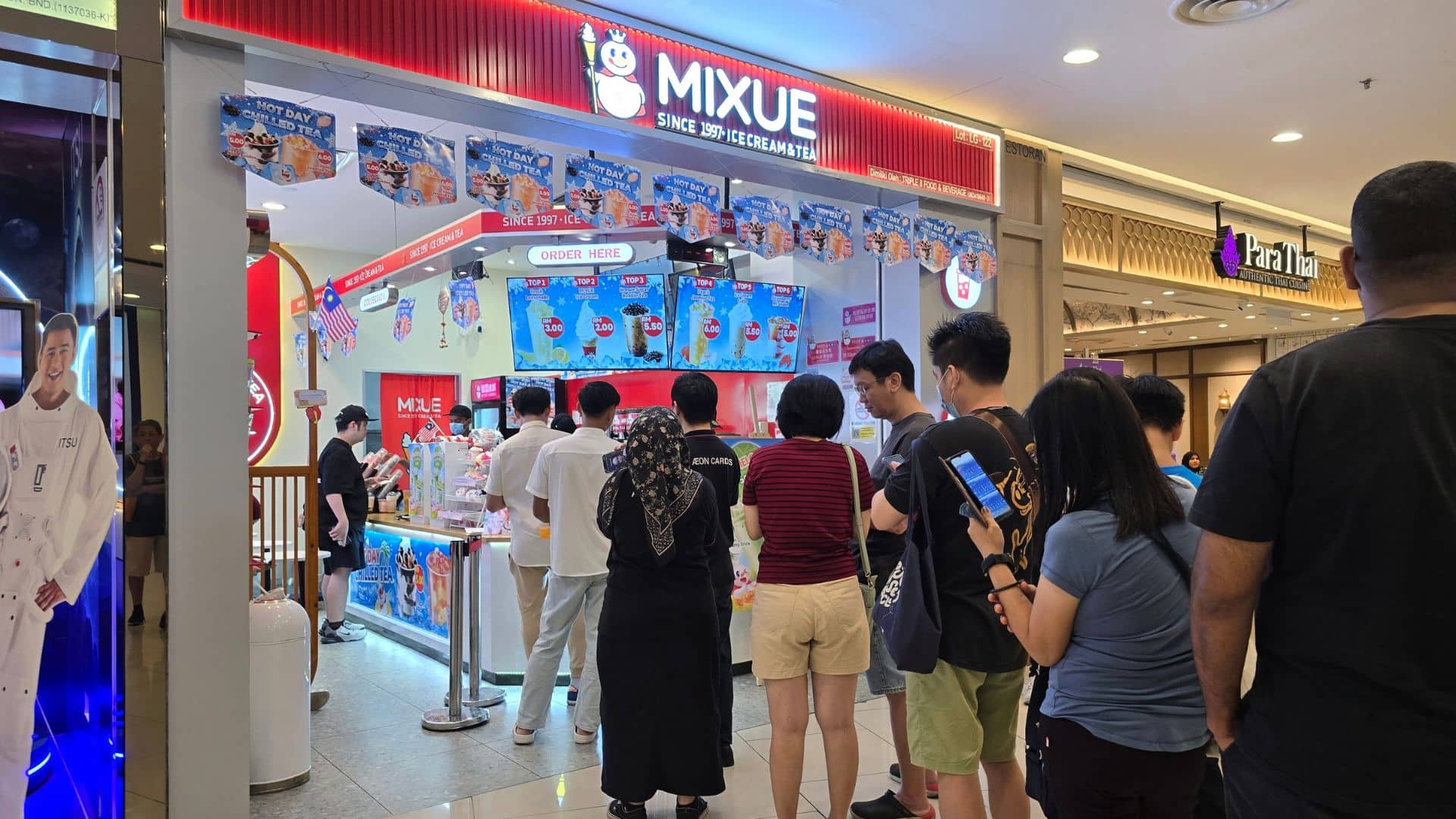
Demand at the New York locations has been high enough to strain inventory. The Hell’s Kitchen store posted a handwritten “No Ice Cream” sign during one evening visit documented by Food & Wine, and reviewers noted that sold-out items are a routine occurrence across all three shops. The Herald Square location, described as the largest of the three, still managed to miss an item in one order during a busy visit.
Part of what drives the crowds is that the pricing has no real equivalent in the American market. A vanilla soft serve cone costs $1.19, and the most expensive drinks remain below what most New York cafes charge for a basic latte. Mixue’s price structure is a significant departure, and that gap is generating consistent foot traffic. The Takeout also singled out the Oolong Iced Tea at $1.99 and the Jasmine Float at $2.99 as two of the best value options on the menu.
The stores are currently open at 11 a.m., which limits the breakfast and morning commute window that many U.S. chains rely on. That operating schedule, combined with frequent sellouts, suggests the chain is still calibrating its supply and staffing for American demand. How Mixue manages that scaling as it potentially expands beyond New York will determine whether the early momentum translates into a broader national presence.
Mixue’s U.S. Arrival Sets Up a Genuine Test for Value-Driven Fast Food
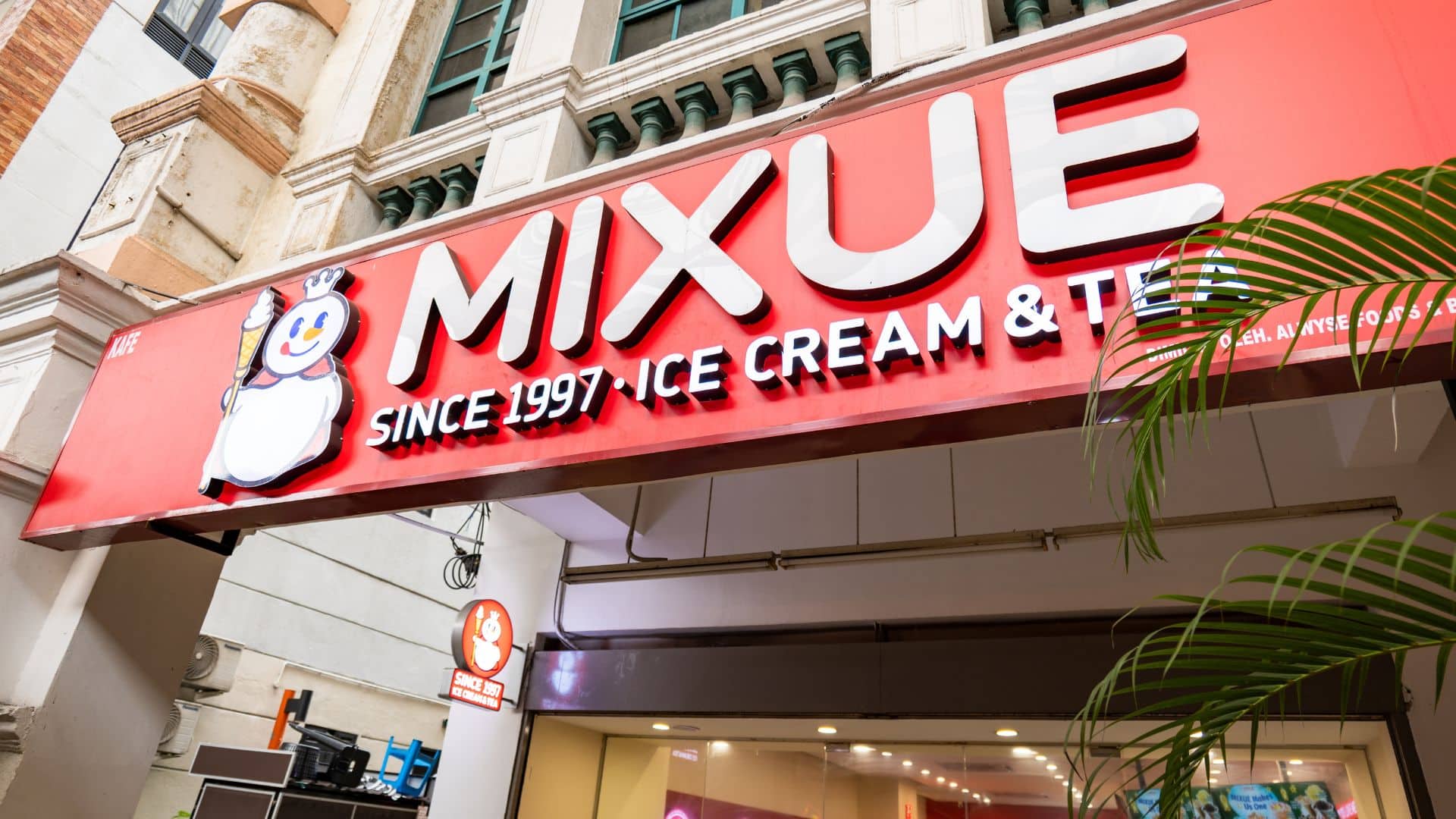
Mixue enters the U.S. market as an established global operation, not an untested concept. Its 46,000-location network across Asia demonstrates that the model works at scale, and its New York debut has confirmed that American consumers are at least curious. The brand’s pricing, particularly for soft serve and tea-based drinks, fills a gap that few competitors currently occupy at that level.
The mixed results on certain menu items, including the coffee and the matcha latte, indicate that not every category translates equally well. But reviewers generally agreed that the core offerings, particularly the ice cream and fruit-based drinks, consistently deliver on value. For a chain at this price point, consistent quality on its strongest items may be enough to build a durable customer base.
Whether Mixue expands beyond New York and how it manages the operational challenges already visible at three locations remain open questions. What the debut has established is that there is an audience willing to line up for $2 lemonade and $1.69 soft serve, even in one of the country’s most competitive food markets. The chain’s next moves will clarify whether this is a regional novelty or the start of something larger.