Meteorologists are calling this winter’s cold snap “extreme,” and doctors say that description is no exaggeration. As temperatures plunge and wind chills drop well below freezing across several U.S. states, the risk of hypothermia is rising for millions of people caught outside or even inside poorly heated homes.
Recent winter weather advisories issued by the National Weather Service for Florida, the Carolinas, Alaska, and Montana warn that bitter wind chills could “lead to frostbite and hypothermia, even with limited exposure.” Local officials in places like Port St. Lucie, Florida, have used Severe Weather Awareness Week to push out reminders on how to prepare for sudden cold snaps.
Health agencies stress that hypothermia isn’t limited to hikers or people stranded in snowstorms. Older adults, children, people experiencing homelessness, and anyone who works outdoors can develop dangerously low body temperatures far more quickly than they realize, sometimes even in temperatures that don’t feel life-threatening at first.
What Hypothermia Actually Does to the Body
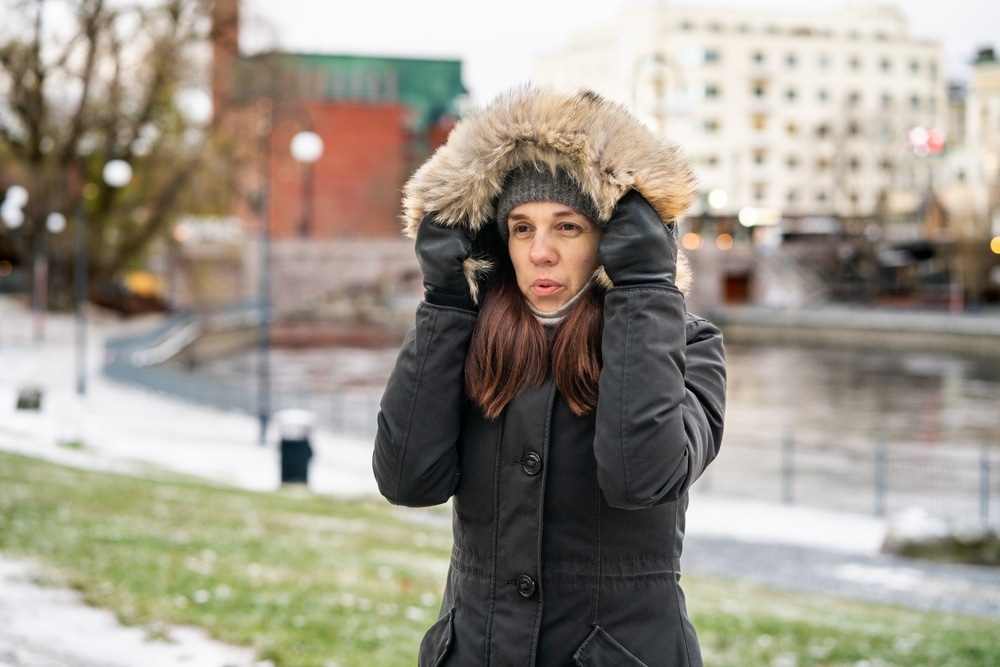
Hypothermia occurs when the body loses heat faster than it can produce it, causing core temperature to fall below 95°F. The Mayo Clinic notes that once that threshold is crossed, the heart, nervous system, and other organs start to function less efficiently, and without prompt treatment, hypothermia can eventually lead to heart and respiratory failure.
Early signs can be subtle. Shivering is often the first warning, but it’s quickly followed by confusion, clumsiness, and slurred speech. People with hyporthermia may seem unusually tired, irritable, or disoriented and may not recognize that anything is wrong, making it harder for them to seek help on their own.
As hypothermia progresses, symptoms can become severe: a weak pulse, shallow breathing, stiff muscles, and eventually loss of consciousness. The National Weather Service has urged residents in affected states to watch for these warning signs and “take immediate action upon the first detection” of confusion, shivering, difficulty speaking, sudden fatigue, or rigid muscles.
Why Winter Weather Can Turn Dangerous So Quickly
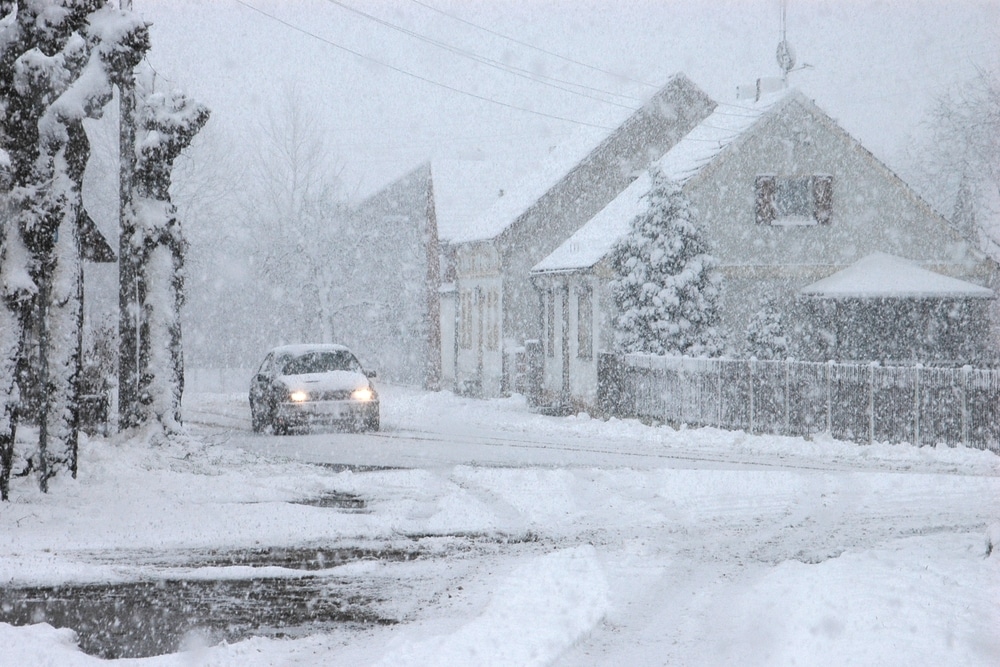
Extreme cold is only part of the problem; wind and moisture can accelerate heat loss dramatically. Mayo Clinic explains that wind strips away the thin layer of warm air around the body, while wet clothing or immersion in cold water can draw heat away up to 25 times faster than cold air alone. That means someone in damp clothes or facing strong winds can become hypothermic much sooner than they expect.
Certain groups face higher risk. In The Hazards of Hypothermia published in News in Health, older adults may have reduced ability to shiver or sense the cold, while medical conditions like diabetes, heart disease, or thyroid disorders can interfere with circulation and temperature regulation. Infants and young children lose heat faster than adults and may not communicate when they are too cold, making close monitoring essential.
Socioeconomic factors also play a role. People living in drafty homes, struggling with heating costs, or spending long hours outdoors for work are more exposed to extreme weather. Some older adults can even become hypothermic indoors if their air conditioning or heating is set too low for extended periods, an overlooked risk highlighted by NIH.
How to Stay Safe When Temperatures Plunge
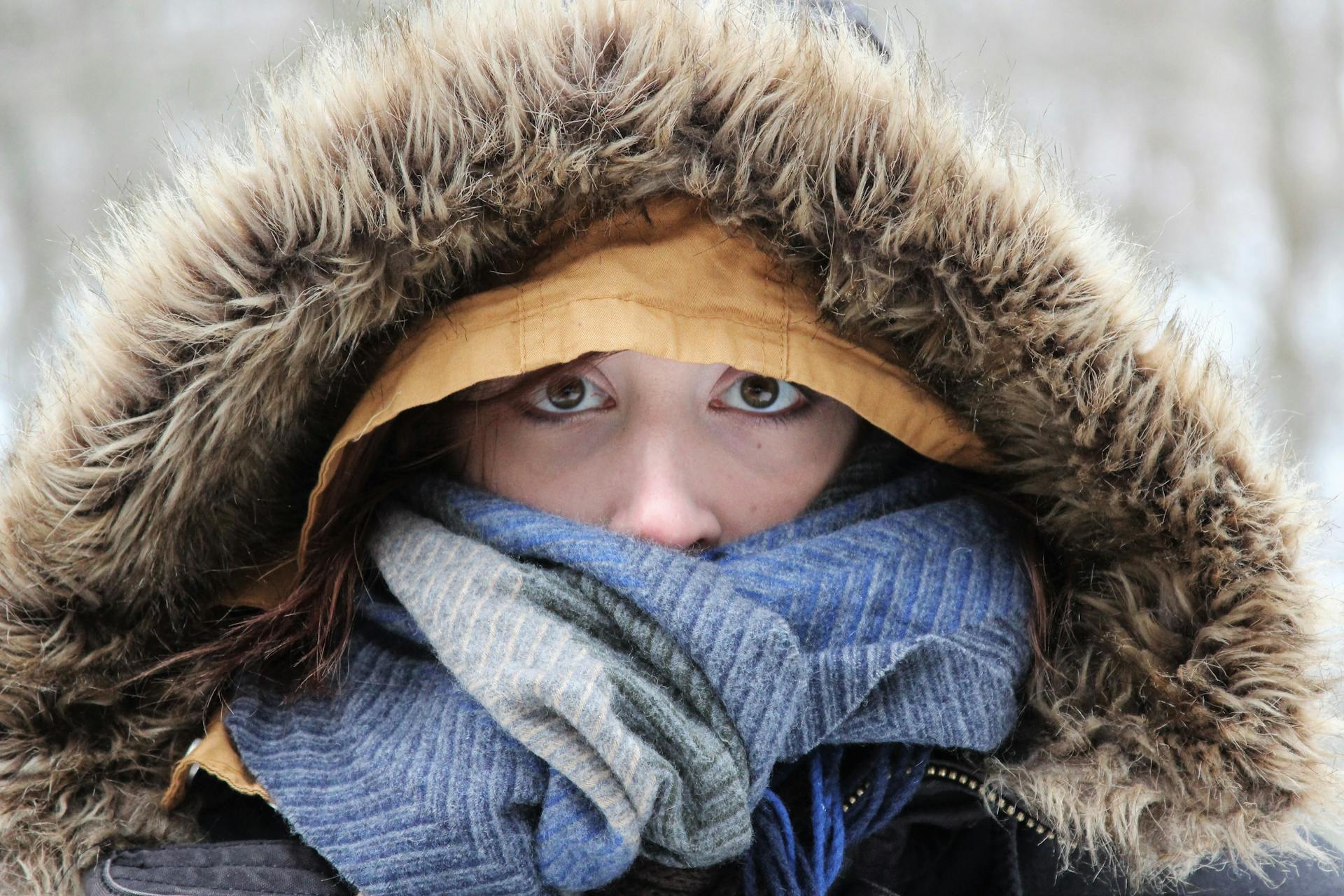
Doctors and emergency officials say prevention starts with preparation. The National Weather Service advises dressing in loose, layered clothing, covering the head, hands, and face, and limiting time outside during the coldest parts of the day. In Florida, officials in Port St. Lucie shared the 5 P’s of cold weather prep: people, pets, plants, pipes, and practice fire safety, on a Facebook post to help residents remember key safety steps during severe cold outbreaks.
Mayo Clinic recommends keeping indoor temperatures at 68°F or higher in cold weather, wearing socks and warm layers at home, and changing out of wet clothing as quickly as possible. If someone shows signs of hypothermia, they should be moved gently to a warm place, wrapped in dry blankets, and given warm (non-alcoholic) drinks while medical help is called. Sudden, vigorous rewarming such as hot baths can be risky for severe cases and should be avoided until professionals take over.
Doctors stress that awareness can be as important as extra layers. Checking in on older neighbors, ensuring outdoor workers have proper gear and breaks, and bringing pets inside are small steps that can make a big difference when temperatures drop. As this latest round of winter warnings shows, extreme cold may last only a few days, but the consequences of underestimating it can be life-changing.