This Is What Kate Middleton Eats To Look So Damn Good Literally All The Time (Especially After Giving Birth)
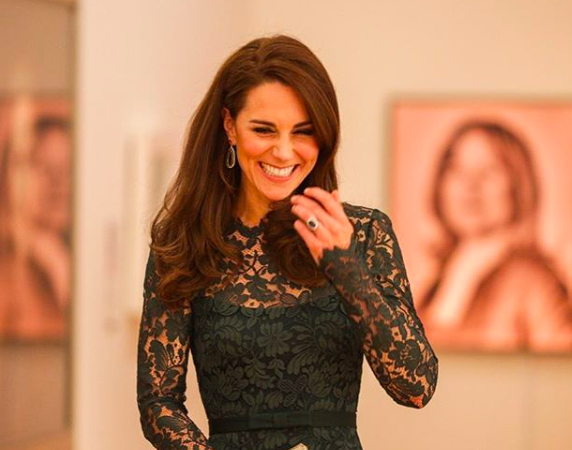

Moms everywhere were in awe of the pictures of Kate Middleton right after giving birth to her second son, Prince Louis. She was glowing and smiling in a red dress that made it seem like delivering a child was as easy as taking a walk in the park. Sure, Middleton’s experience is a bit rare — especially since she left the hospital soon after entering — but it makes you wonder a little about her own health and wellness rituals. For one, what does Kate Middleton eat to look so good all the time? It’s not just her body and glowing face — it’s that she looks genuinely happy. To us, health and happiness go hand-in-hand.
I’ll break it to you real quick — when Middleton chooses to diet, it is restrictive.
Which is kind of a bummer if you love chips. But she manages to make sure her diet is well balanced. Called the Dukan diet, celebrities like Jennifer Lopez and Penelope Cruz have also tried it before.
It focuses on high protein and low carbs, and includes four “phases” that dieters need to complete.
The Dukan diet has been known to help dieters shed 10 pounds the first week, which sounds a little dangerous — but at least you won’t feel deprived. The first stage, “Attack,” allows dieters to eat all they want of the approved food — like ham, turkey, chicken, and seafood.
The bad part? Even sneaking in a piece of bread will reset your progress, according to U.S. News and World Report.
But aside from using the Dukan diet to help keep her on track, it looks like Middleton is a fan of cooking food herself. Cooking Light reports that Middleton is all about roast chicken, and makes curry quite often for the family.
Cooking Light also tried to recreate a special smoothie that Middleton reportedly likes, proving she has fun ways to incorporate fruit in her diet.
Middleton is also a fan of raw food, with ceviche — a seafood dish — being one of her favorites. She’s also big on vegetables, and reportedly tries to incorporate vegetarian meals whenever possible — probably when she’s off the Dukan diet. All in all, it seems like Middleton likes to stick to fresh meals she’s created herself, always making sure her creations are colorful and delicious.