
Reaching for a cup of tea when a headache strikes seems like an obviously safe move, but the actual answer depends heavily on which tea and which person. Some varieties can genuinely ease headache symptoms, while others may trigger or worsen them entirely, according to registered dietitians who study the relationship. The difference often comes down to caffeine content, individual sensitivities, and what’s actually causing the headache in the first place.
Caffeine Is the Most Common Culprit in Your Tea

Caffeine sits at the center of tea’s more complicated relationship with headaches. “Certain teas, matcha, black, oolong, Earl Grey and others, contain caffeine, and evidence shows that excessive caffeine may trigger headaches,” said Mascha Davis, a registered dietitian nutritionist based in Los Angeles. For people sensitive to caffeine specifically, even a routine afternoon cup could plausibly contribute to head pain rather than relieve it.
Skipping Your Usual Cup Can Trigger Its Own Headache

Beyond triggering headaches directly, regular caffeine consumption can create its own separate problem over time. Davis explained that drinking excessive caffeine, whether from tea or other beverages, can lead to genuine dependency, meaning skipping a normal dose can bring on withdrawal symptoms like low energy or headaches. Separately, dietitian Lisa Andrews noted heavy caffeine intake may also disrupt sleep, which can independently trigger headaches of its own.
Herbal Tea Isn’t Automatically Risk-Free Either

Caffeine-free herbal teas offer one obvious way to sidestep that particular risk, though they’re not entirely without their own potential downsides. Herbal teas made from single herbs or blends, like mint tea, generally don’t affect headaches either way for most people. Licorice root is a notable exception, having been linked to increased aldosterone levels that can trigger headaches in some drinkers specifically.
A Compound Also Found in Red Wine Could Be the Trigger

Tannins represent another possible culprit hiding inside certain herbal teas specifically. These naturally occurring compounds, found in tree bark, fruits, seeds, and some tea leaves, produce the bitter, astringent taste often associated with red wine. For people sensitive to tannins specifically, that same characteristic flavor profile in tea could plausibly contribute to triggering a headache of their own.
Simple Hydration Might Be Tea’s Real Superpower Here

Despite these potential triggers, tea offers at least one straightforward benefit tied directly to basic hydration. Drinking tea is simply an effective way to increase daily water intake, and even mild dehydration is a well-documented headache trigger on its own. That alone gives tea a genuine “pro” column for headache prevention, independent of whatever type someone actually chooses to drink.
The Same Caffeine That Hurts Some People Helps Others

Caffeine itself carries a genuinely dual role depending on dose and individual response. While excessive amounts can trigger headaches for some people, moderate caffeine consumption may actually narrow dilated blood vessels and ease symptoms for others. Separately, a small study found people who drank four cups of tea daily over six weeks recovered from stress more effectively, suggesting tea’s simple relaxation ritual may help ease tension-related headaches specifically.
A Recent Study Found No Clear Link to Migraines at All

Given these conflicting mechanisms, researchers are still working to fully untangle tea’s actual relationship with headaches overall. Notably, a study published last year in Scientific Reports found no clear link between tea consumption and migraine risk specifically among European populations studied. Anyone sensitive to caffeine, histamines, or tannins may still want to avoid tea regardless of what broader population data ultimately shows.
These Three Teas Are Worth Trying First, According to a Dietitian
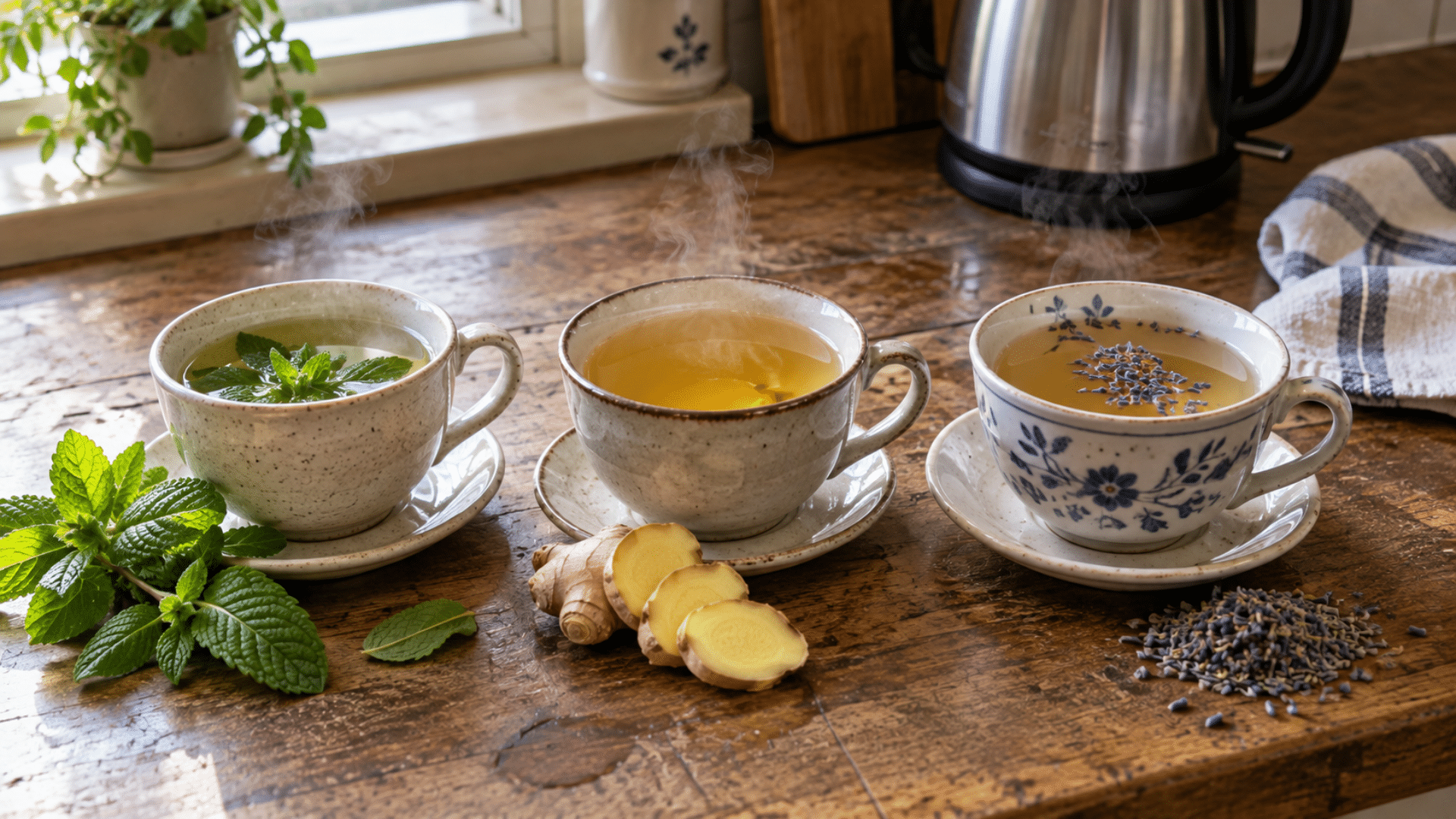
For anyone interested in trying tea specifically for headache relief, Davis pointed to a few varieties worth considering first. Peppermint tea contains menthol, which may calm muscles and help ease tension headaches, though most supporting research actually involves peppermint oil applied topically rather than tea itself. Ginger tea’s anti-inflammatory properties may help with headaches tied to nausea, while lavender tea’s calming reputation could help ease stress-related tension.
There’s No Single Tea That Works for Everyone

No single tea works identically for every person dealing with headaches. “It’s important to note that individual responses to tea can vary, and what works for one person may not work for another,” Davis said, recommending anyone genuinely curious try tracking their own tea intake alongside their symptoms. “I always recommend consulting with a dietitian to get personalized dietary advice,” she added.