Taco Bell Tested AI at 900 Drive-Thrus. Here’s How the Technology Affected Sales
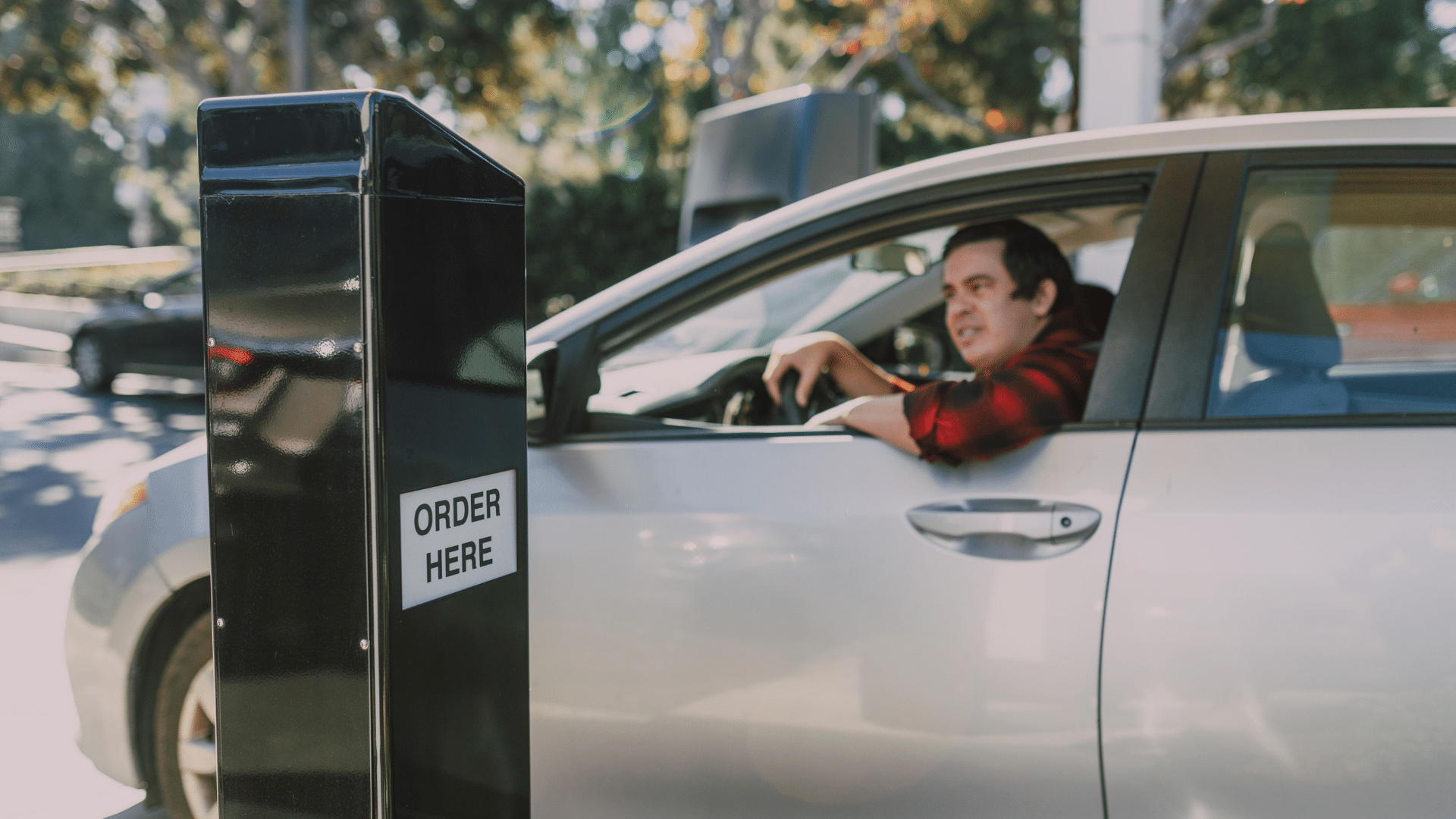

Artificial intelligence is becoming an increasingly familiar part of everyday life, and Taco Bell is now showing how the technology could change the way Americans order fast food. Instead of speaking directly with an employee at the drive-thru speaker, customers at hundreds of Taco Bell restaurants are placing their orders through an AI-powered voice assistant. While the technology has faced criticism over unusual ordering mistakes and customer frustration, the company’s latest financial results suggest that the investment is beginning to produce measurable benefits.
According to Yum! Brands, Taco Bell’s parent company, more than 900 U.S. restaurants are now using AI-powered voice ordering systems at their drive-thrus. During the company’s November 3, 2026, earnings call, executives shared new information about how the technology has affected restaurant sales, customer satisfaction, and employee retention. The results suggest that automated ordering can improve certain aspects of restaurant operations, although the company is still working to address the limitations of the technology.
The findings come as fast-food chains increasingly experiment with artificial intelligence to reduce pressure on employees, improve order accuracy, and encourage customers to purchase additional items. Taco Bell has been among the most aggressive chains in adopting voice AI, and its latest expansion could provide an early indication of how automated ordering might affect the wider restaurant industry. However, the company’s experience also demonstrates why replacing a human voice with artificial intelligence is not always as straightforward as it sounds.
AI Ordering Helped Taco Bell Increase Sales at Participating Restaurants
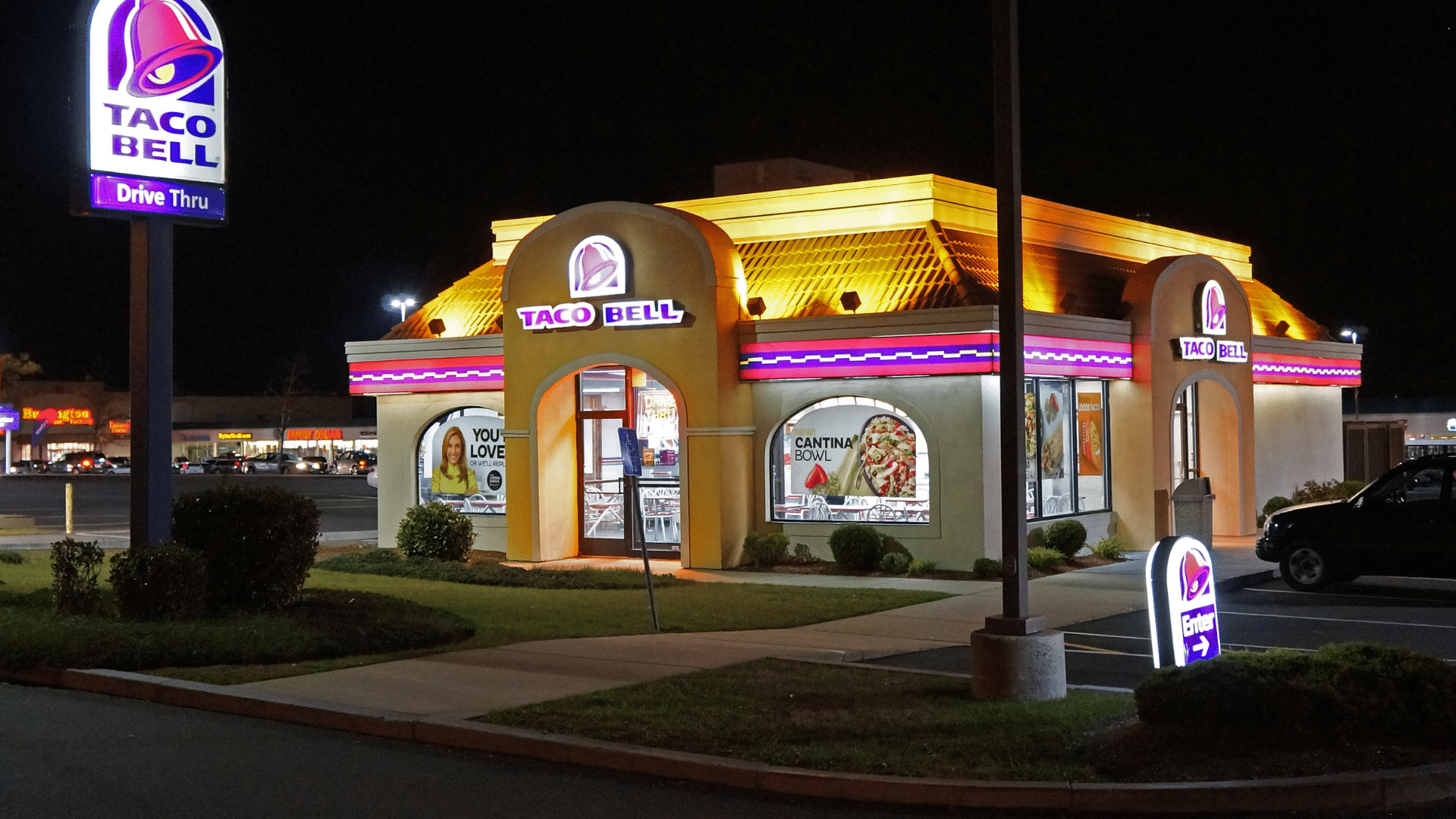
The most notable result from Taco Bell’s AI rollout is an approximately 1.5% increase in sales at participating drive-thru locations, according to Yum! Brands Chief Financial Officer Ranjith Roy. During the company’s November 3 earnings call, Roy explained that the improvement was driven primarily by higher average customer checks, meaning customers were spending slightly more per transaction. Although a 1.5% increase may appear relatively small, even modest improvements in spending can become meaningful when applied across hundreds of restaurants handling large numbers of daily orders.
One potential advantage of AI-powered ordering is its ability to consistently suggest additional menu items during a transaction. While employees may occasionally forget to recommend a drink, side dish, or upgrade during busy periods, an automated system can be programmed to offer those suggestions regularly. This process, commonly known as upselling, can encourage customers to add more items to their orders and increase the total amount spent. However, Yum! Brands did not provide a detailed breakdown showing exactly how much of the reported sales improvement came from individual product recommendations.
The company also reported a 6% improvement in overall drive-thru customer satisfaction at restaurants using voice AI, suggesting that the technology may be helping customers navigate the ordering process more smoothly. Executives additionally identified sustained improvements in employee retention compared with a control group of restaurants without the system. These results indicate that the benefits may extend beyond sales, potentially allowing employees to focus more attention on preparing food, handling payments, and serving customers at the pickup window.
The Technology Has Faced Problems, Including a Viral Ordering Incident

Despite the encouraging financial results, Taco Bell’s AI rollout has not been without problems. In August 2025, a customer went viral after attempting to order 18,000 cups of water through an AI-powered drive-thru system, exposing how automated ordering technology could struggle with unusual requests or deliberate attempts to confuse it. The incident attracted widespread attention online and raised questions about whether artificial intelligence was reliable enough to handle the unpredictable nature of fast-food ordering.
Following that controversy, Taco Bell acknowledged that certain restaurants might be better suited to AI ordering than others. Company executives indicated that particularly busy locations could benefit from having human employees take orders, especially when customers make complicated modifications or when unexpected situations arise. Rather than treating the technology as a complete replacement for workers, Taco Bell began evaluating where automated ordering could provide the greatest benefits without creating unnecessary frustration for customers.
The company has continued refining its systems through partnerships with technology providers, including Omilia, which helps power voice AI at hundreds of Taco Bell restaurants. The technology is designed to recognize spoken orders, account for background noise, understand different accents, and adjust to menu changes or unavailable ingredients. These capabilities are particularly important in a drive-thru environment, where customers may speak quickly, change their minds, or request customized combinations. Although the system has improved, its continued development suggests that human assistance will remain an important part of the ordering experience.
Taco Bell Plans to Expand AI to More Than 1,500 Restaurants

Encouraged by the early results, Yum! Brands plans to expand Taco Bell’s voice AI technology to more than 1,500 U.S. restaurants by the end of 2026. That would represent a substantial increase from the approximately 900 locations currently using the system, bringing automated ordering to hundreds of additional drive-thrus. The company has not announced that every Taco Bell restaurant will eventually adopt voice AI, and executives have emphasized that the rollout will continue to be evaluated based on restaurant performance and customer experience.
The company’s interest in artificial intelligence also extends beyond Taco Bell. At KFC, another Yum! Brands restaurant chain, an upgraded kitchen display system has reportedly improved drive-thru service speeds by approximately 8%, reduced refunds by 12%, and shortened delivery driver wait times by more than 20 seconds at participating U.S. locations. These results illustrate how restaurant operators are experimenting with AI and other digital tools not only to take orders but also to improve food preparation, coordinate employees, and reduce operational mistakes.
For customers, the most noticeable change may be hearing an automated voice instead of an employee when pulling up to the drive-thru speaker. For Taco Bell, however, the larger goal is to make ordering more efficient while encouraging customers to spend slightly more and giving employees additional time to handle other responsibilities. The company’s reported 1.5% sales improvement and 6% customer satisfaction increase suggest that the technology is producing measurable benefits at participating restaurants, although those figures should not be confused with Taco Bell’s overall companywide sales performance. As the chain continues expanding its AI systems, its experience could help determine whether automated drive-thru ordering becomes a lasting feature of American fast food.