The Cheesecake Factory Just Beat Expectations While Fewer Americans Are Eating Out

Eating out is turning into a less regular habit for plenty of Americans. Gallup’s July poll found 39% do it at least once a week, down from 47% in 2022. Then there is The Cheesecake Factory, which wrapped its third quarter with same-store sales up 15.2 percent year over year, right in the middle of a rough stretch for restaurants, according to the Washington Post.
Gallup has been asking about this for a while, and weekly dining has been bumpy. More than half of people surveyed said they ate out at least once a week in 2019. That dropped to 43% in 2021, bounced back to 47% in 2022, then landed at 39% this year, below the pandemic-era dip. The July poll surveyed a random sample of 1,200 adults across all 50 states.
The Cheesecake Factory’s quarter was a big one. The company reported revenue above $1.033 billion, its second consecutive quarterly record, and adjusted EBITDA rose 38 percent to $98.7 million. The Post reported that results beat analyst expectations and that the stock had more than doubled since January, to about $110 a share at the time. At the flagship concept, restaurant-level profit margin widened 240 basis points to 18.7 percent.
Why Fewer People Are Dining Out
So what is keeping people home? Gallup’s answer is the cumulative effect of price increases over the past four years, which it called the main driver. The latest drop, Gallup said, is concentrated among middle- and upper-income Americans, who dined out the most before the pandemic. Its read for restaurants is that people have not stopped eating out; they are just going out less often than they used to.
Here is how it shakes out by income. Before the pandemic, weekly dining stood at 40% for lower-income households, 54% for middle-income and 65% for upper-income, according to Gallup. In this year’s poll, it is 32%, 38%, and 48%. Do the math, and the middle group lost 16 points while the upper group lost 17, compared with 8 for lower-income Americans, whose rate held steady in the latest poll.
Takeout is not making up the difference for restaurants. Gallup found 31% of Americans ordered it weekly this year, versus 39% back in 2021, matching its 2018 level. One wrinkle is timing. The July poll overlapped with a cyclosporiasis outbreak traced to recalled iceberg lettuce from Taylor Farms, which sickened almost 13,000 people and hospitalized 579, so Gallup noted the food scare may have nudged habits too.
What Is Working at Cheesecake Factory
Much of the growth came from more people showing up. Traffic rose 9.5 percent, beating the Black Box casual-dining index by 940 basis points, with gains across regions, meal periods and days of the week. Annualized average unit volumes passed $13.9 million, a record for what president David Gordon described as typically the company’s slowest quarter. Off-premises business held steady at approximately 21 percent of sales.
Analysts had a few theories on why it worked. Jim Salera of financial services firm Stephens said diners are far more discerning about where they spend, so winning while the “overall pie is shrinking” takes exceptionally high quality on both food and experience. Jim Sanderson of Northcoast Research pointed to the loyalty program and a viral TikTok trend, which he said got “more consumers to reengage with the brand.”
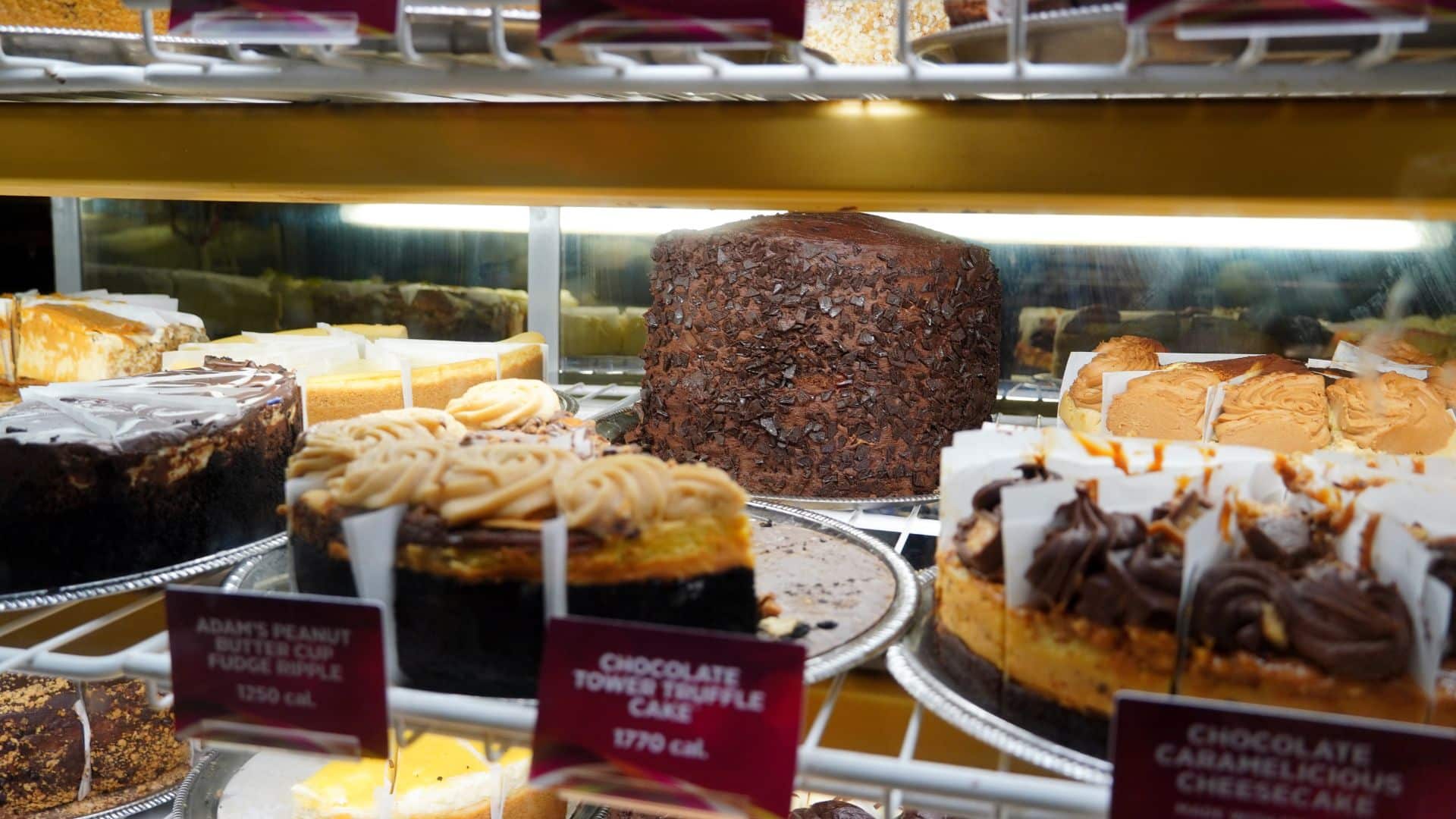
One menu item caught on online. Cajun Salmon, already on the menu, gained attention through viral customization ideas, and guests who came for it brought companions who ordered favorites like Chicken Madeira and Avocado Eggrolls. The quarter also carried a 3.3 percent positive sales mix next to 2.4 percent pricing, alongside an increase in alcohol orders, while cheesecake orders held flat at an all-time high.
What Comes Next
Now the chain has to turn first visits into habits. Rewards members visit more often, CFO Matthew Clark said, and weekly sign-ups are running at twice the pre-launch level since the app debuted in the second quarter. Gordon said personalized offers help support repeat visits. A large share of incoming guests skew younger, Clark said, though four months of momentum was not enough to judge their return rate.
Not every brand had a good quarter. North Italia’s same-store sales fell 3 percent, and restaurant-level margin at adjusted mature locations slipped to 13.2 percent from 15.7 percent, primarily on sales deleverage. A new menu adds more accessible price points. Flower Child, meanwhile, grew same-store sales 11 percent, and the company expects 11 to 13 openings there next year, up from as many as seven in 2026.
Next year, the company plans as many as 27 openings across its portfolio, roughly three-quarters of them in the second half, while menu changes stay at two a year. Gordon said the aim is “building brand loyalty and guest loyalty for the long term.” Whether this quarter’s new guests turn into regulars is still an open question, even as more Americans choose to stay in.