4 Million Americans Impacted as SNAP Benefits Change Under Trump Policy
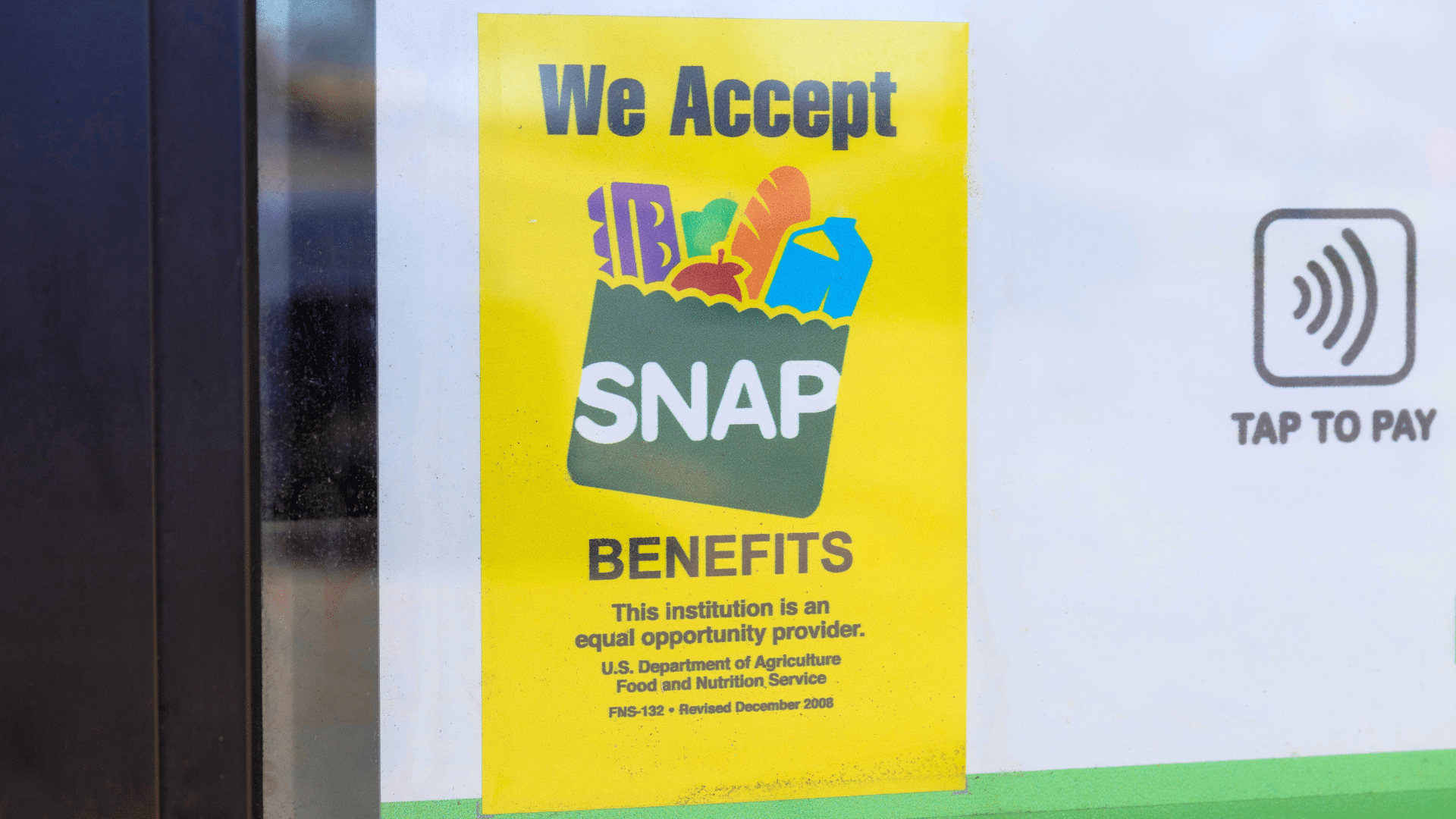

Millions of Americans are being affected by new changes to the Supplemental Nutrition Assistance Program (SNAP) under policies introduced during Donald Trump’s administration. Recent data shows that enrollment in the program has dropped by roughly 4 million recipients within a year.
The decline reflects a combination of stricter eligibility rules, updated work requirements, and administrative changes aimed at reducing program costs. SNAP, which provides food assistance to low-income households, has long been a critical support system for millions of Americans. The recent shifts have sparked debate over their impact on vulnerable populations.
Officials supporting the policy changes argue they are designed to promote workforce participation and ensure benefits go to those most in need. However, critics warn that the reductions may leave many families struggling to afford basic necessities.
Policy Changes and Declining Enrollment
One of the key factors behind the decline in SNAP participation is the tightening of eligibility requirements. Policy updates have made it harder for certain individuals to qualify, particularly those who previously received benefits automatically through related assistance programs.
In addition, expanded work requirements now apply to a broader range of recipients, including older adults who must meet employment or training thresholds to maintain benefits. These changes are part of a broader effort to reduce long-term dependency on government aid.
As a result, enrollment dropped from approximately 42.8 million recipients to around 38.6 million within a year. This sharp decline highlights the scale of the policy’s impact across the country.
Impact on Households and Ongoing Debate

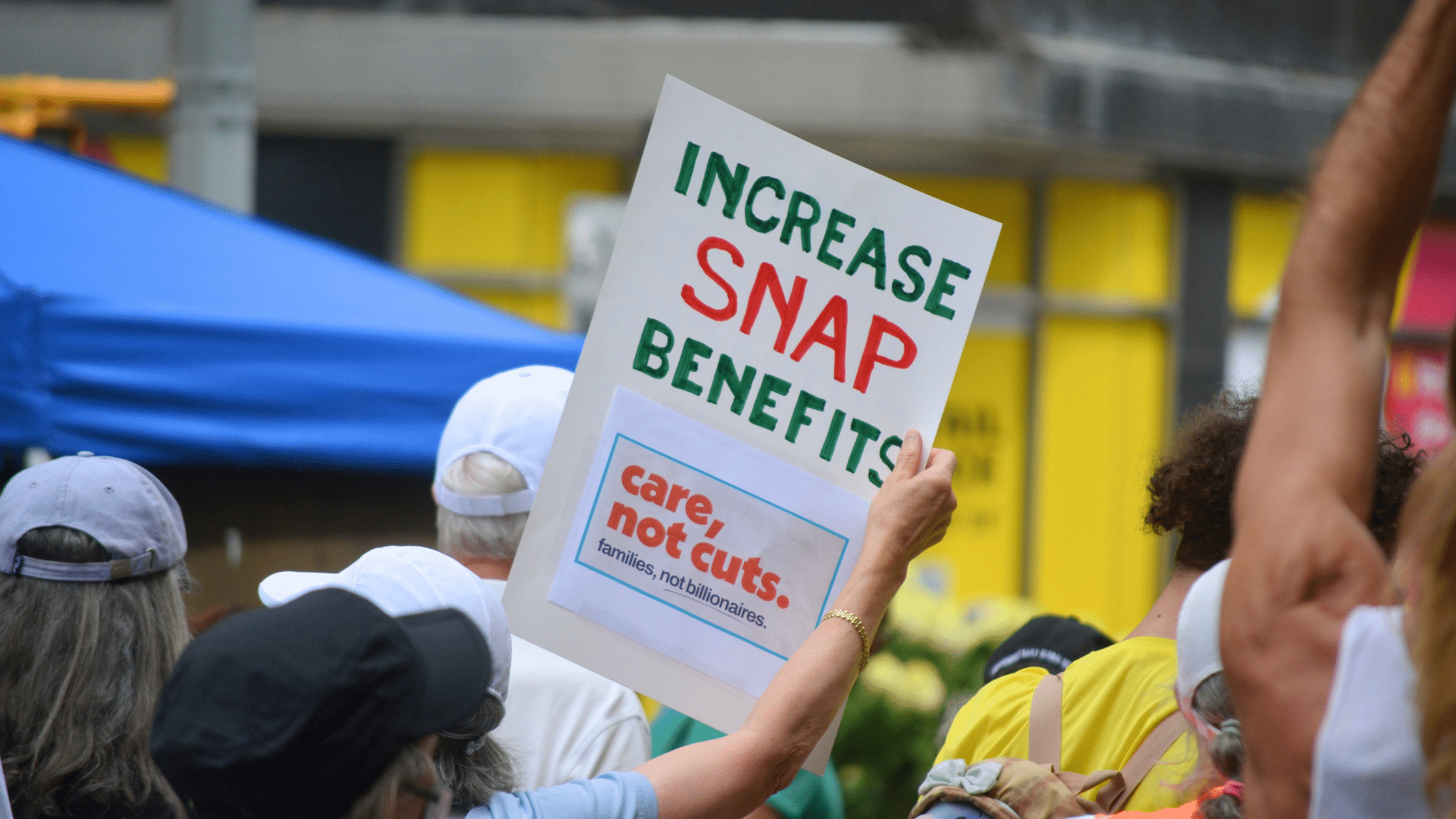
The reduction in SNAP recipients has raised concerns about food insecurity among low-income households. Many families rely on the program to cover essential grocery costs, and losing benefits can create immediate financial pressure. Advocacy groups warn that the changes may disproportionately affect seniors, disabled individuals, and working poor families.
Supporters of the policy argue that reforms are necessary to ensure the program remains sustainable and properly targeted. They contend that encouraging employment and reducing improper enrollment strengthens the system over time. Critics, however, argue that the changes may overlook the realities faced by individuals in unstable job markets.
The debate continues as policymakers, advocacy groups, and economists assess the long-term consequences of the reforms. Legal challenges and policy adjustments may further shape how SNAP operates in the coming years.
SNAP Changes Spark Nationwide Debate Over Access and Need
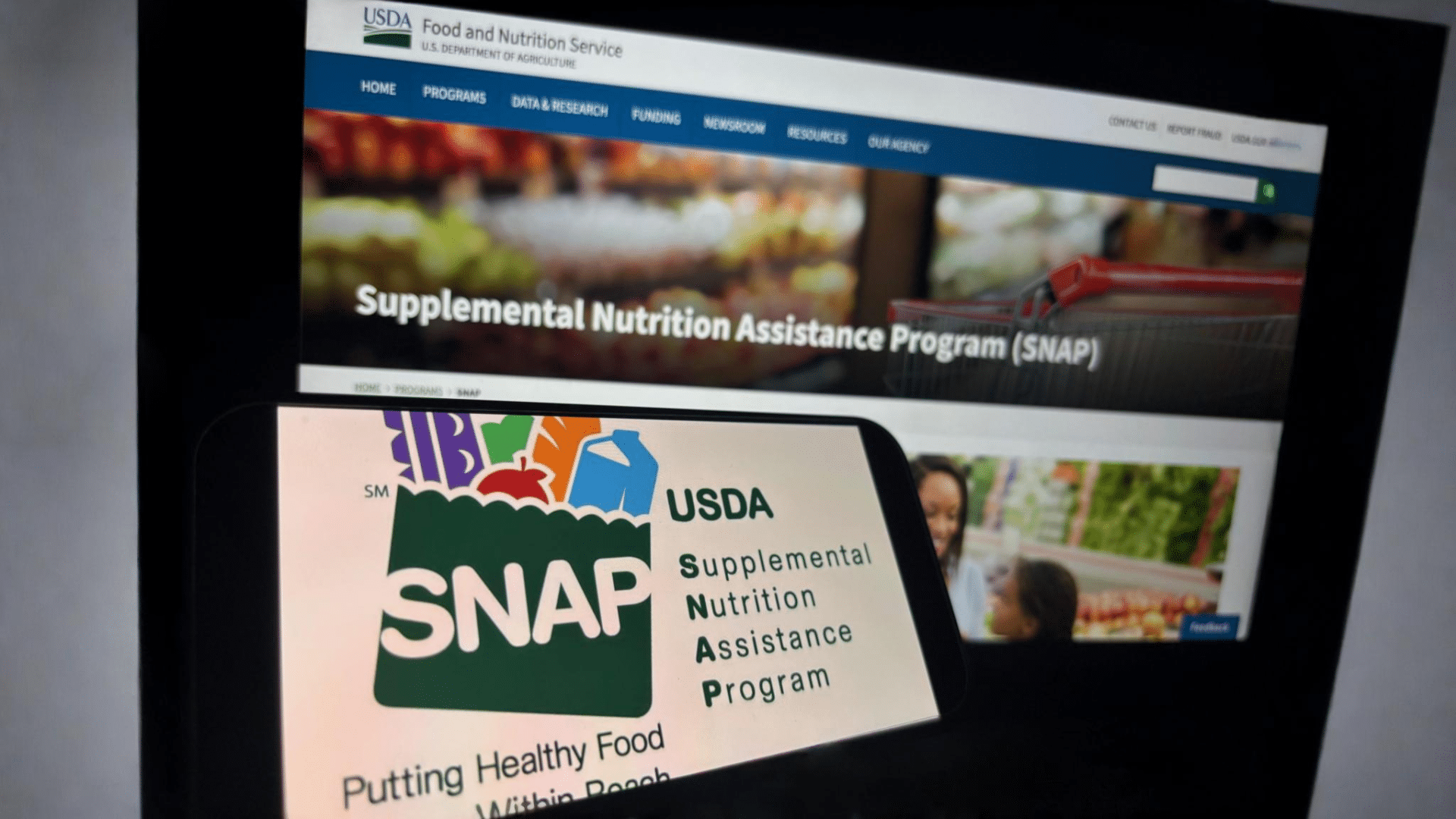
The reduction of approximately 4 million SNAP recipients underscores the significant impact of recent policy changes. While the administration frames the adjustments as necessary reforms, critics highlight the potential risks for vulnerable populations. The situation reflects a broader tension between cost control and social support.
As the program evolves, millions of Americans will continue to feel the effects of these changes in their daily lives. For some, the loss of benefits may increase reliance on food banks and community aid. Others may face difficult choices about how to manage limited household budgets.
Ultimately, the debate over SNAP reforms highlights the challenges of balancing fiscal policy with social welfare needs. The long-term outcomes will depend on how effectively the system adapts to support those most in need.