Are You Washing Your Berries the Right Way? Here’s What to Know
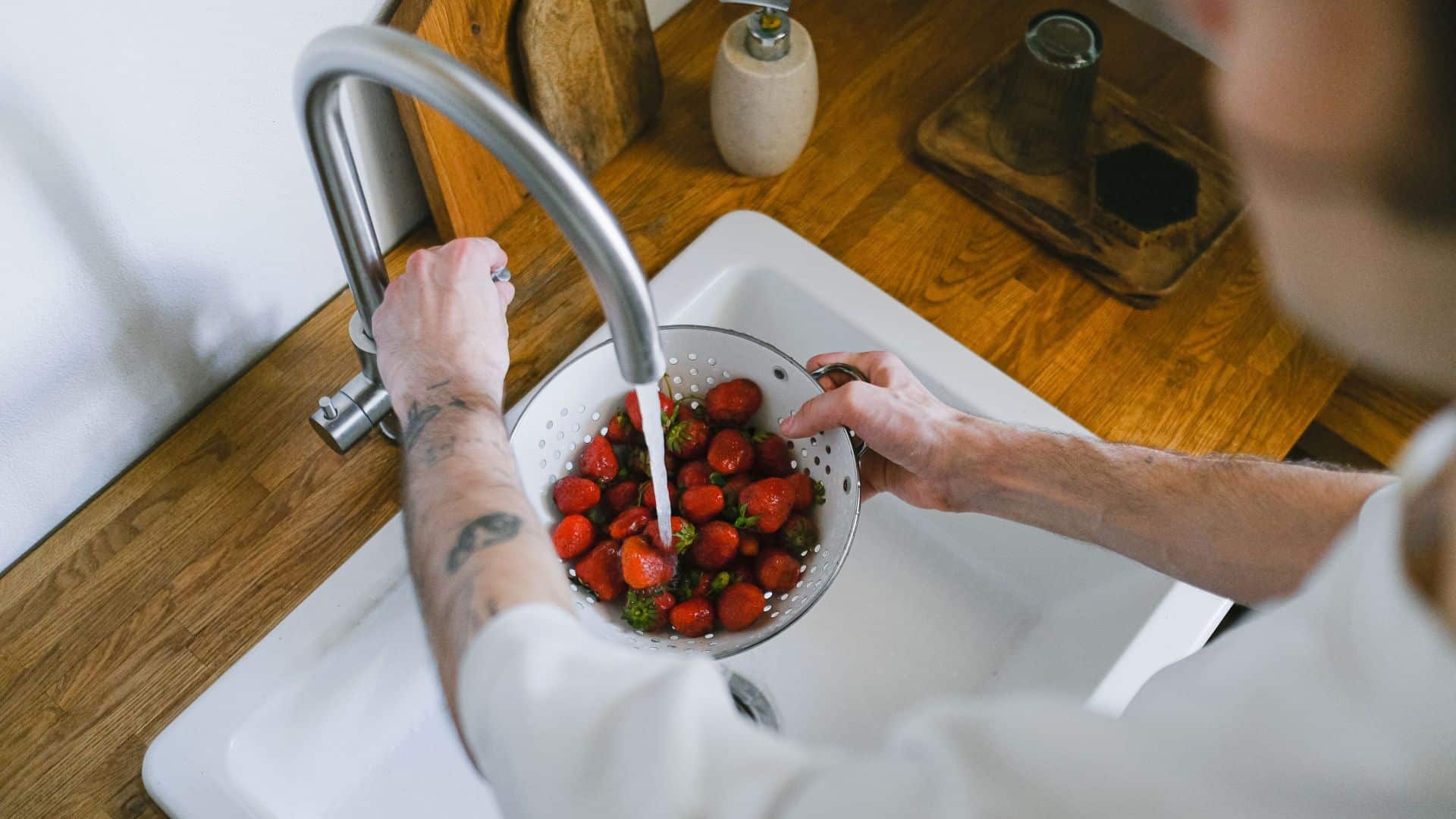

Berries are an easy way to add fruit, fiber, vitamin C, and antioxidants to a meal, but how you wash them matters more than you might think. Strawberries, blackberries, and blueberries regularly appear among the produce with higher pesticide residues in the 2026 Dirty Dozen ranking. The good news is that a few simple washing changes can remove many surface residues while also helping clear away dirt and bacteria.
Not Every Pesticide Can Be Washed Away
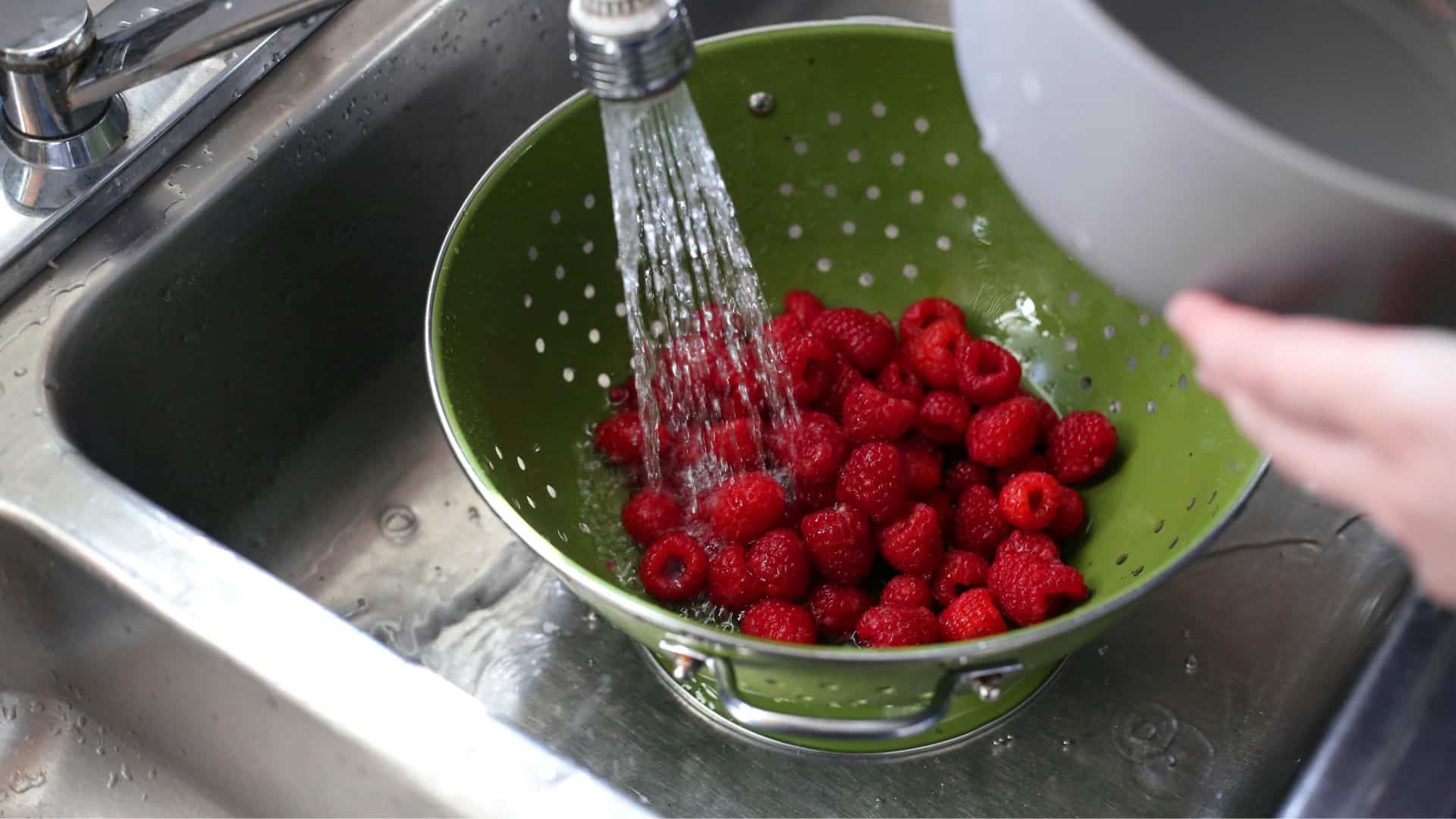
Washing can remove many contact pesticides that remain on the surface of fruits, but it cannot eliminate everything. Some systemic pesticides are absorbed through a plant’s roots and leaves and can become part of the fruit itself. That means washing is useful, but it is not a complete solution for every type of residue. Understanding that difference can help you set realistic expectations when preparing berries.
Plain Water Helps, But There’s a Better Option
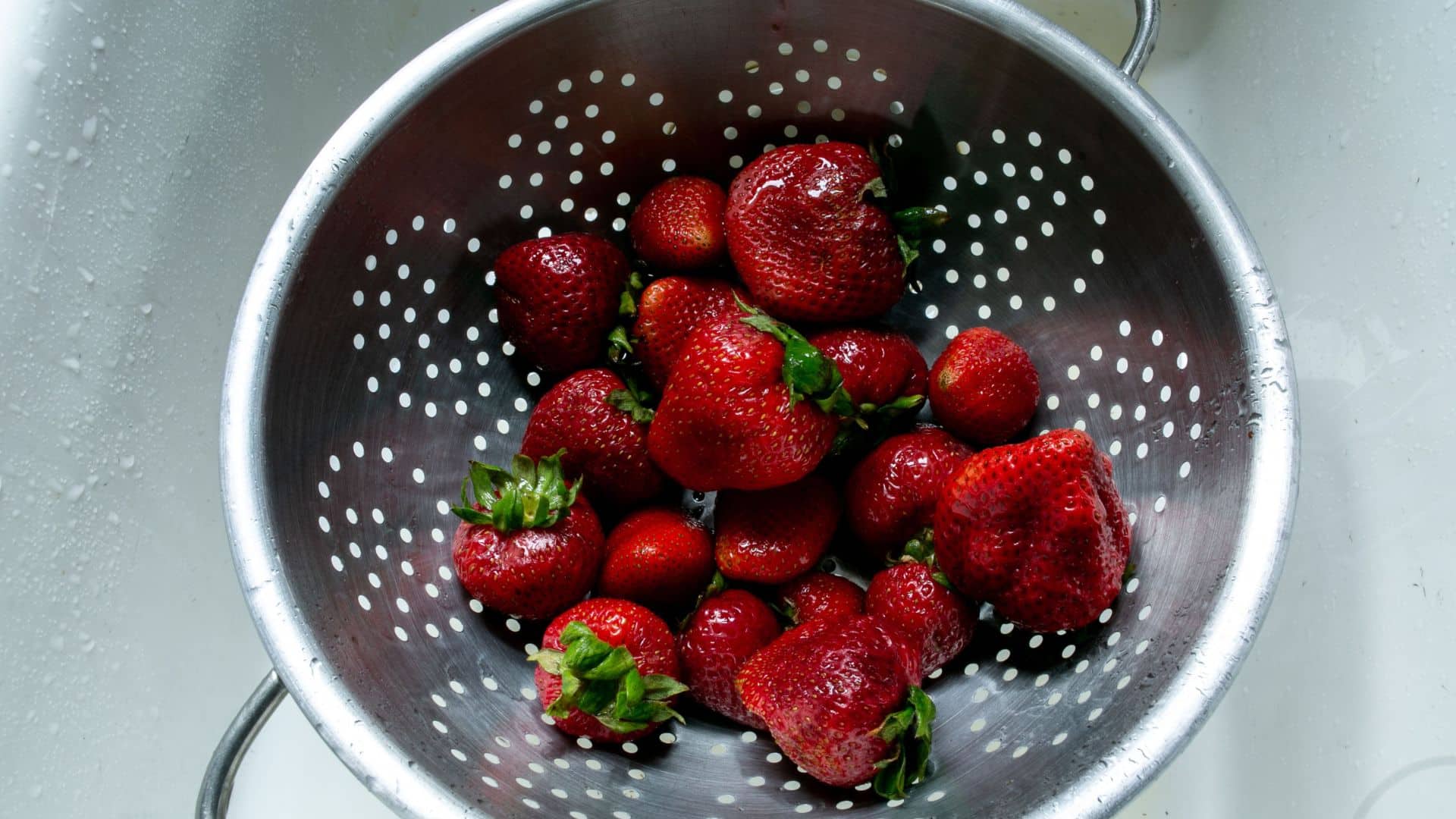
A quick rinse under running water is still worthwhile, especially for removing dirt and some surface residue. However, a review of 47 studies found that rinsing or soaking produce in water had the lowest median pesticide reduction, at about 30%. Soaking produce in either vinegar or baking soda solutions produced a higher median reduction of about 50% across the studies reviewed.
Baking Soda Can Give Berries a Boost
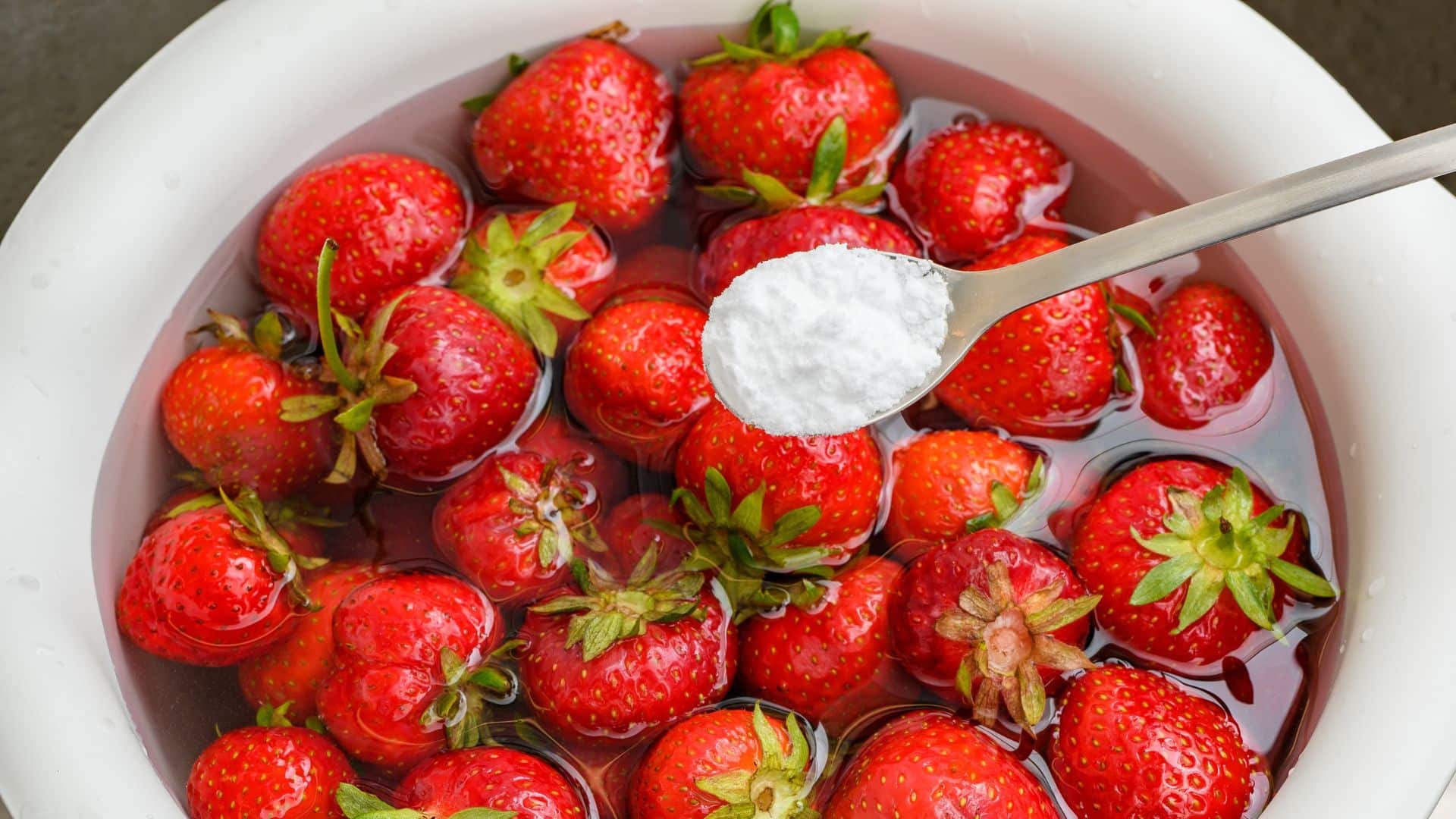
For people looking to reduce surface pesticide residues without buying organic produce, baking soda offers a simple option. The recommended solution is about one teaspoon of baking soda for every two cups of cool water. Most produce can soak for five to 10 minutes, but berries need less time because their thin skins and high water content can absorb the solution.
Vinegar Works Too, But There’s a Catch
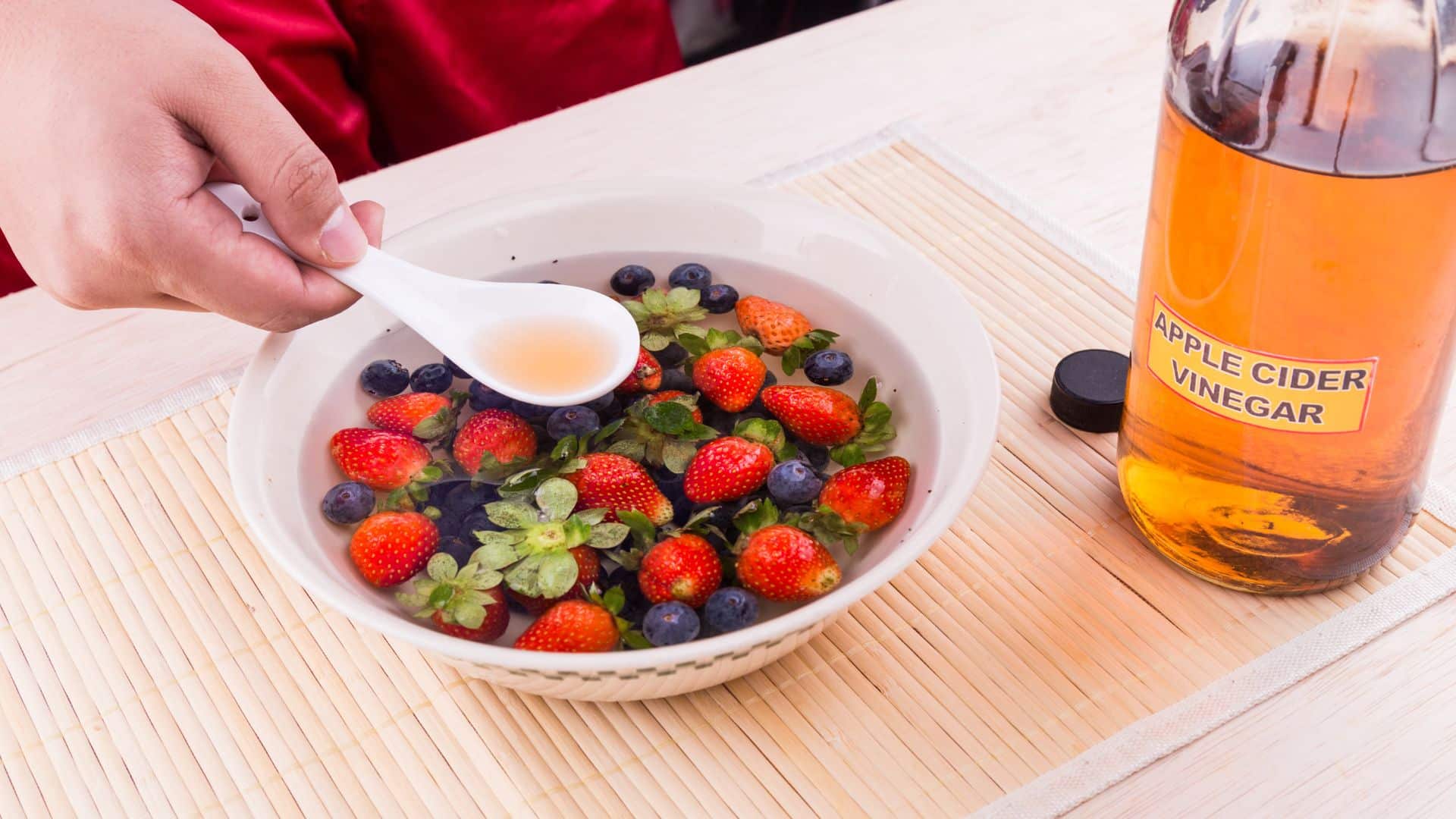
Vinegar is another option for washing produce and showed strong results in the research reviewed by EWG scientists. For a household solution, use one part white vinegar with three or four parts water. Berries should only spend about one to two minutes in the mixture before being rinsed thoroughly. Vinegar may also affect the flavor, so baking soda can be preferable when you want the berries to taste exactly as expected.
Blackberries Can Handle a Quick Baking Soda Dip
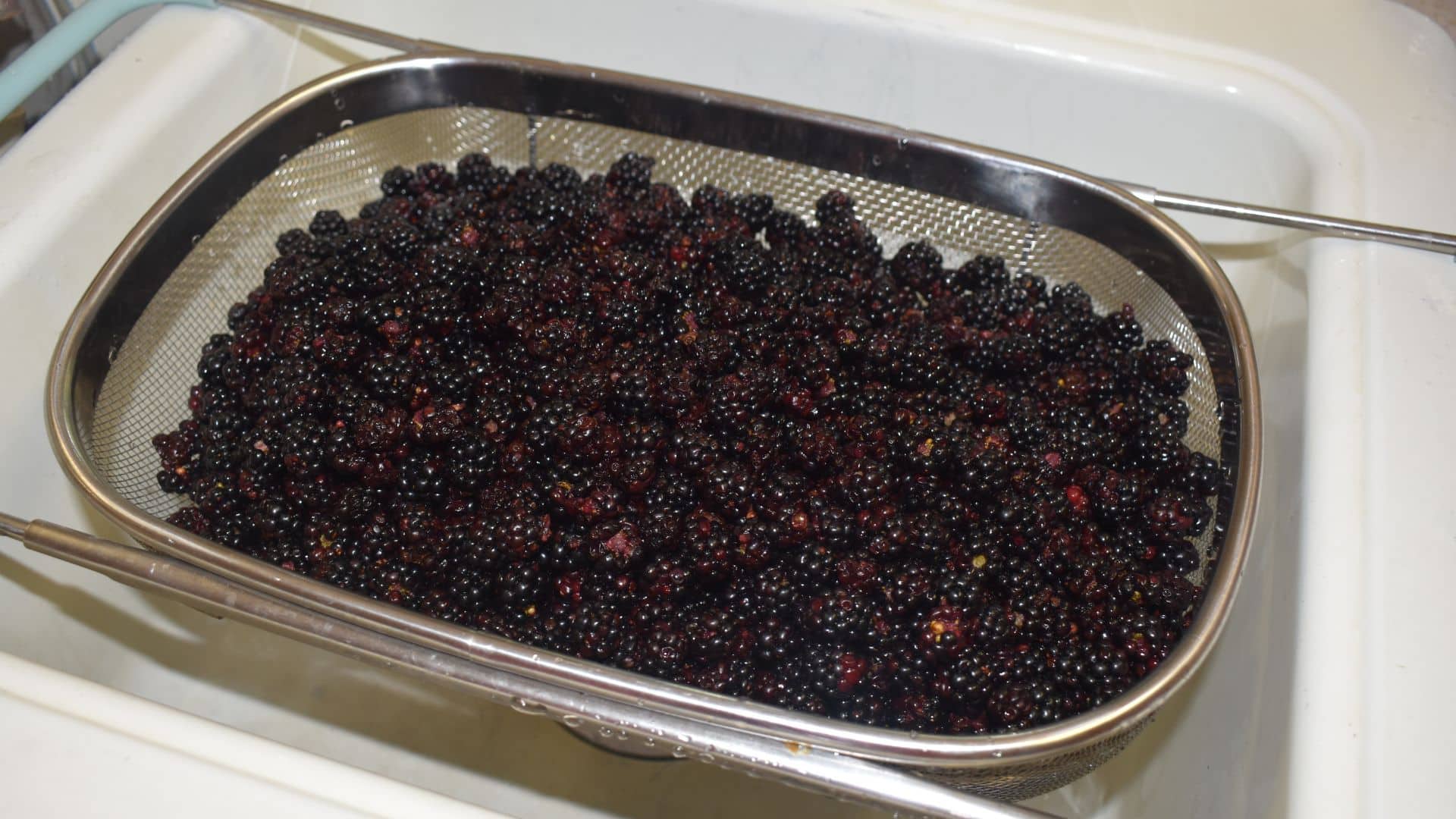
Blackberries deserve particular attention because USDA testing found an average of four pesticide residues across 885 samples of nonorganic berries tested in 2024. Experts recommend a 30 to 60 second dip in a one percent baking soda solution, followed by a thorough cool water rinse. Lift the berries from the water rather than pouring them out, then dry them carefully to help prevent spoilage.
Blueberries Need a Little More Time
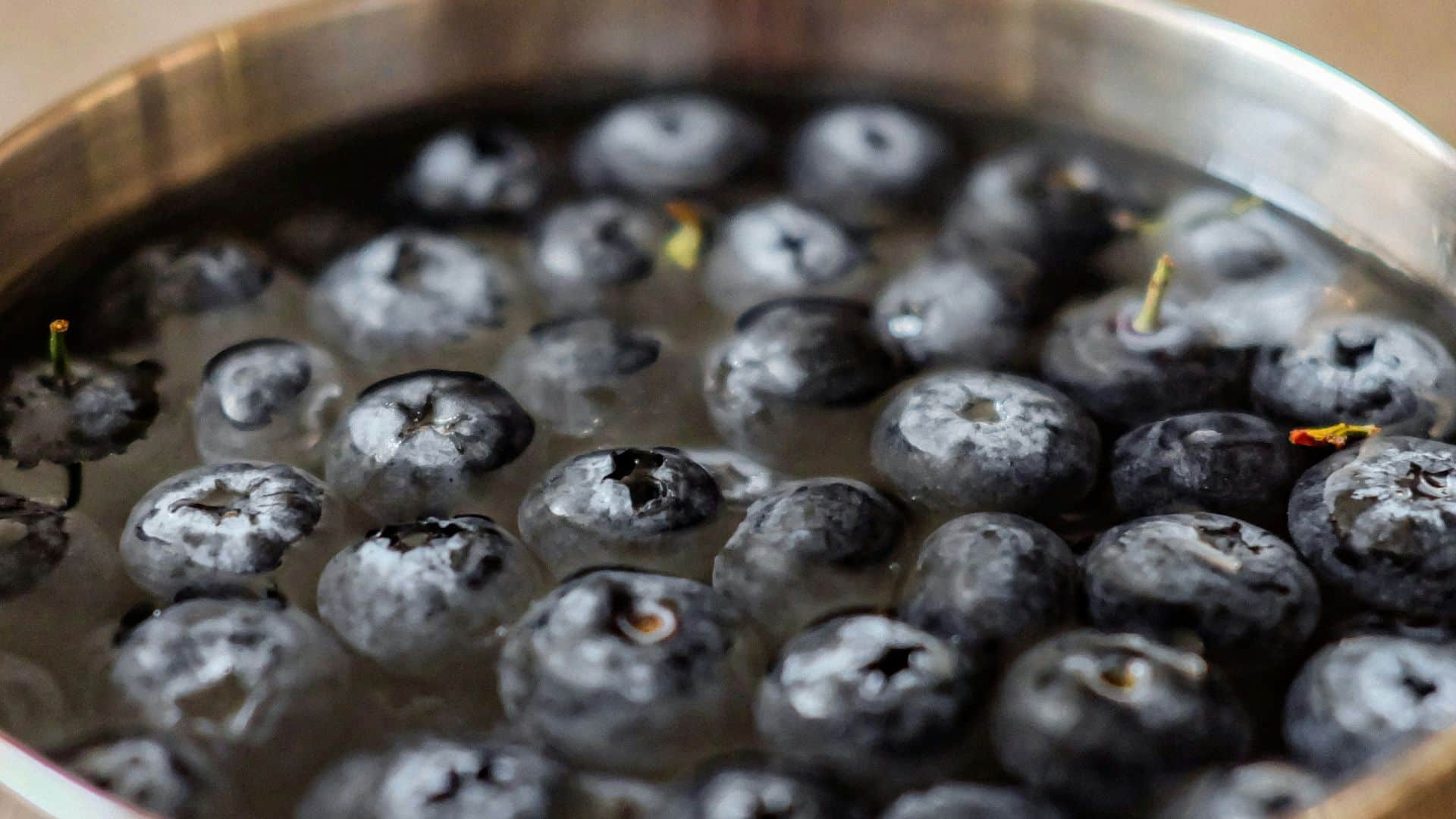
Blueberries have a tougher outer skin than some other berries, which means they can handle a slightly longer baking soda wash. A one to two minute soak followed by a cool water rinse and careful drying is the approach recommended by environmental health expert Peng Gao in the CNN report. However, some pesticide residues found on blueberries are systemic, meaning washing cannot effectively remove them from the fruit.
Strawberries Have One Washing Rule You Shouldn’t Skip
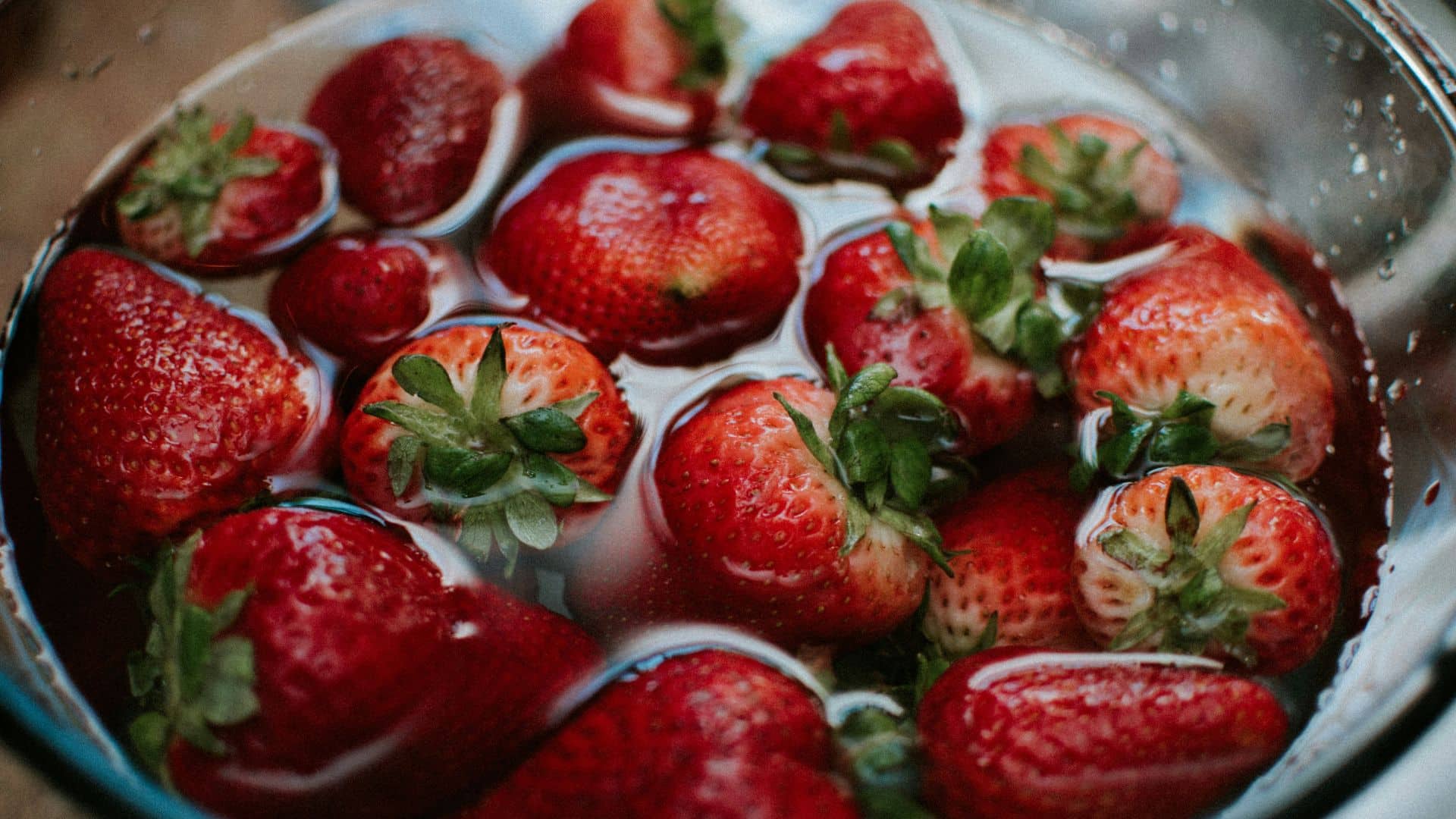
Strawberries require a slightly different approach because some of their pesticide residues can be systemic. Rather than soaking them, the recommended method is a brief 30 to 60 second dip in a baking soda solution, followed by a thorough rinse and immediate drying. There is another important detail: keep the leafy tops attached while washing. Hulling strawberries first can create a cut surface where water and dissolved residues may enter the flesh.
Raspberries May Be the Lower Exposure Choice
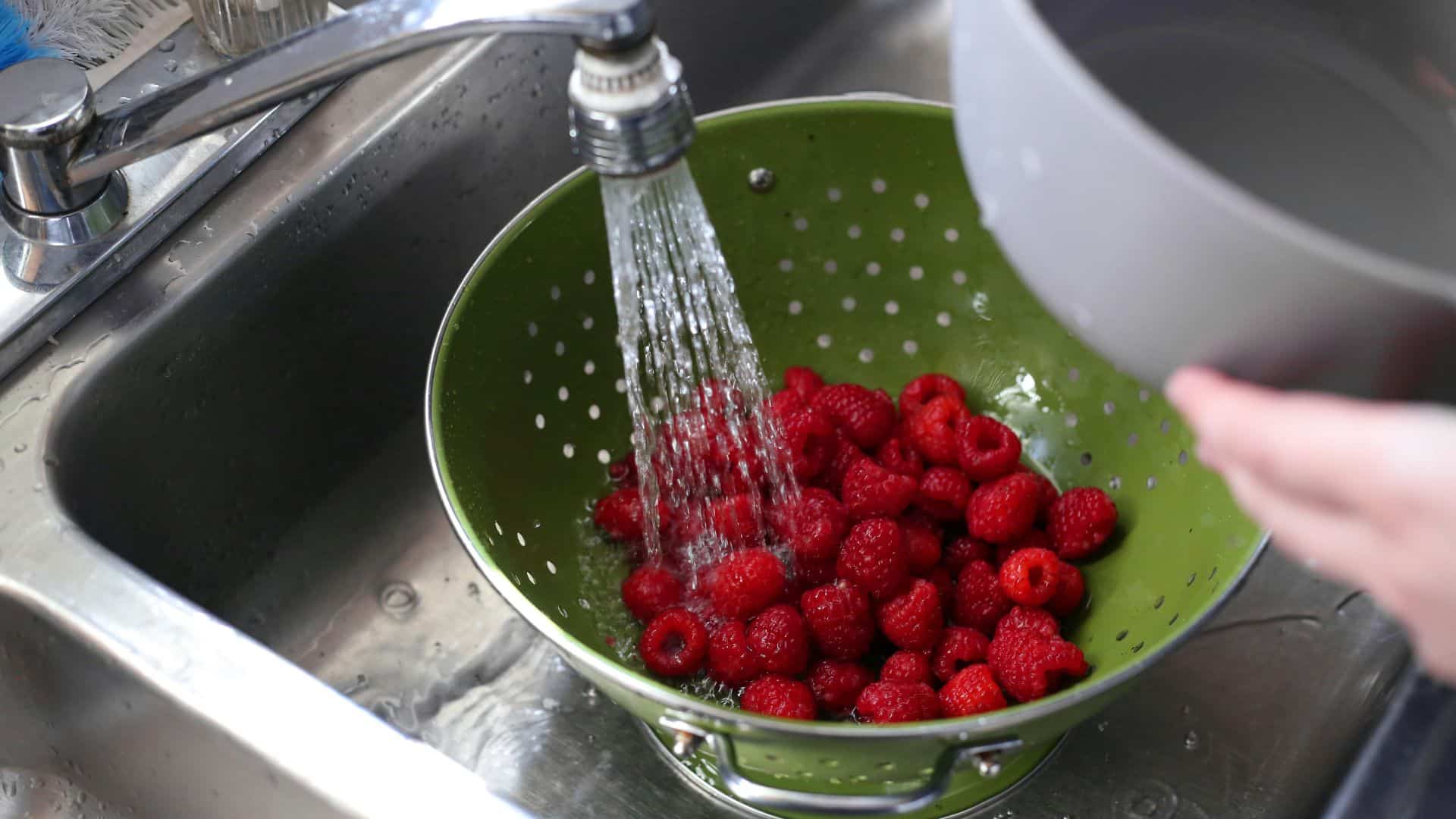
Raspberries stand out from the other popular berries discussed in the report. They were not included on the 2026 Dirty Dozen list and ranked much closer to the EWG’s Clean Fifteen group. Even so, they should still be washed before eating. Experts recommend the same brief 30 to 60 second baking soda dip, followed by a cool water rinse and careful pat drying.
The Simple Berry Washing Routine to Remember
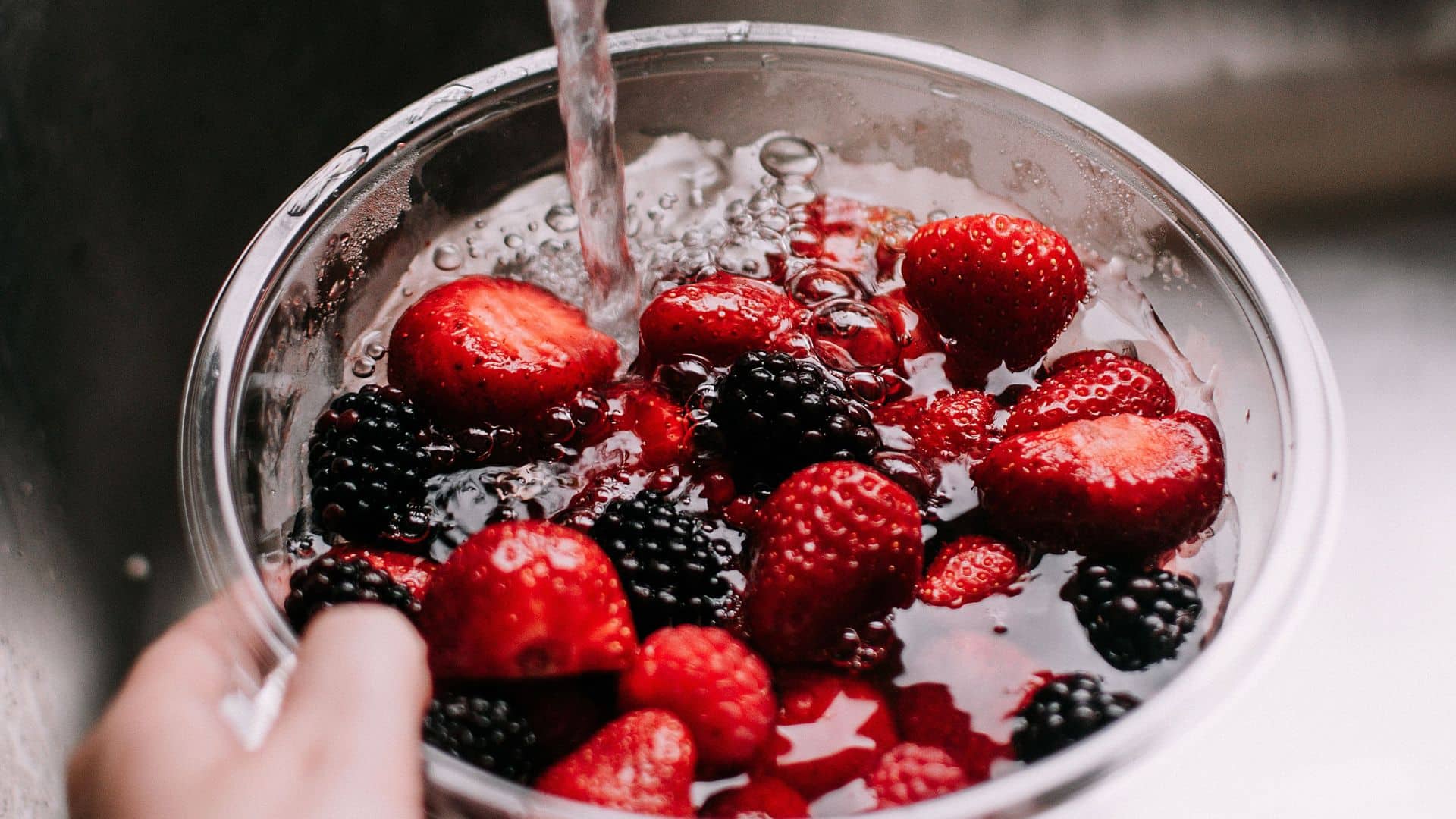
The basic routine is easier than it sounds: wash berries shortly before eating, use a brief baking soda or vinegar treatment when desired, rinse thoroughly with cool running water, and dry them immediately. Washing and storing berries for later can speed spoilage, so timing matters. And remember that all produce, including organic fruit, should be washed before peeling or cutting to help prevent dirt and bacteria from transferring into the edible portion.

