Doctors Warn Ultra-Processed Foods Linked to 32 Illnesses


Doctors and health experts are raising serious concerns about the impact of ultra-processed foods on the human body. These widely consumed items, from sugary drinks to ready-made meals, are now being linked to dozens of health conditions. New research suggests that diets high in these foods may be associated with as many as 32 different illnesses. As consumption continues to rise globally, experts are urging people to better understand what these foods do to the body over time.
What Counts as Ultra-Processed Food
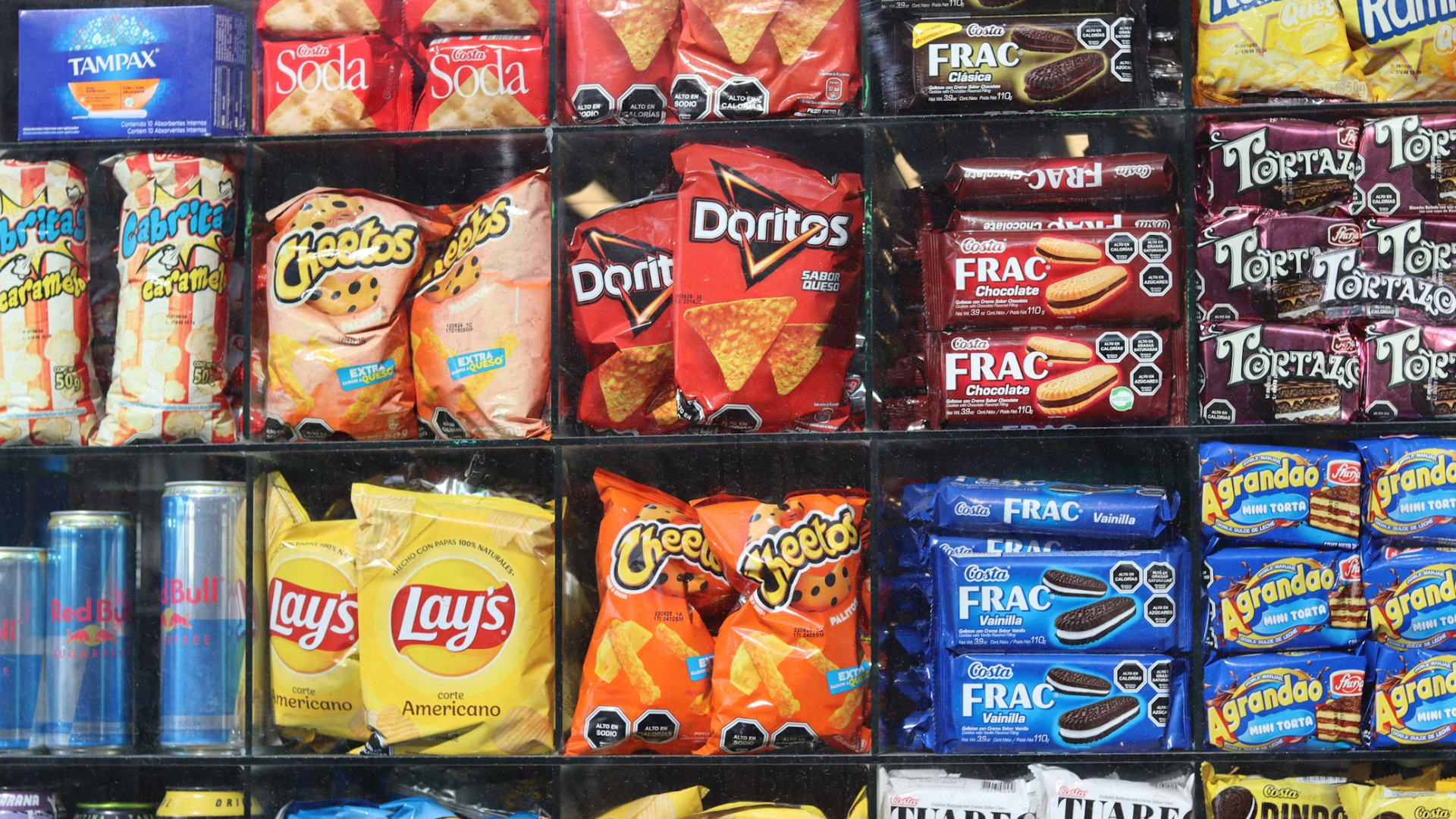
Ultra-processed foods are industrially manufactured products that often contain additives, preservatives, and artificial ingredients. These include items like chips, sugary cereals, sodas, processed meats, and frozen ready-to-eat meals. They are designed for convenience, long shelf life, and strong flavor appeal. While they are easy to access and consume, their nutritional quality is often significantly lower than whole or minimally processed foods.
Linked to 32 Different Health Conditions
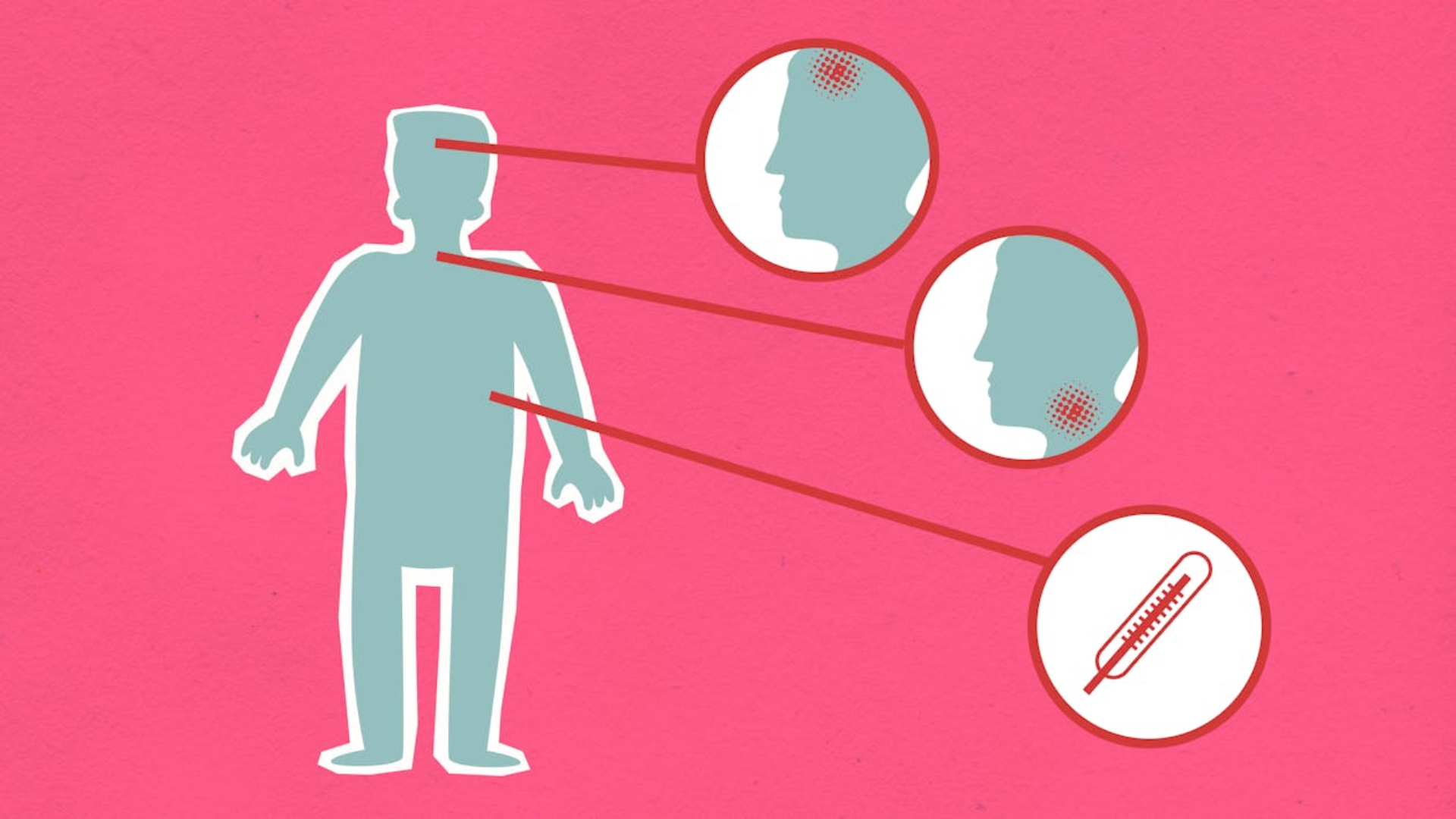
A major review of scientific studies found that high consumption of ultra-processed foods is associated with 32 adverse health outcomes. These include serious conditions such as heart disease, cancer, type 2 diabetes, and mental health disorders. Researchers analyzed data from millions of people to reach these conclusions. The findings suggest a broad and consistent pattern of harm across multiple areas of health.
Effects Can Start Within Days

The impact of ultra-processed foods can begin surprisingly quickly after consumption. Studies show that within days or weeks, these foods can start affecting metabolism and overall health. Short-term effects may include changes in energy levels, digestion, and blood sugar balance. Even brief exposure to a heavily processed diet can trigger measurable biological changes in the body.
Weeks of Consumption Can Alter the Body

After several weeks of regularly consuming ultra-processed foods, the body may begin to show more noticeable changes. Research has found weight gain, hormonal disruptions, and early signs of cardiometabolic issues within a short period. These effects can occur even when calorie intake remains the same as a healthier diet. This suggests that the quality of food matters just as much as the quantity.
Long-Term Risks Include Chronic Diseases

Over months and years, the risks become significantly more serious. High intake of ultra-processed foods has been linked to chronic illnesses such as cardiovascular disease, obesity, and type 2 diabetes. Studies also show increased risks of depression, sleep disorders, and even early death. These long-term effects make ultra-processed foods a major public health concern.
Impact on Mental Health Is Growing Concern

Beyond physical health, ultra-processed foods are increasingly linked to mental health challenges. Research suggests higher risks of anxiety, depression, and other mood-related disorders among those who consume large amounts of these foods. Scientists believe this may be connected to inflammation and disruptions in gut health. The connection between diet and mental well-being is becoming harder to ignore.
Why These Foods Are So Harmful

Ultra-processed foods often contain high levels of sugar, salt, unhealthy fats, and chemical additives. These ingredients can disrupt the body’s natural balance, leading to inflammation and metabolic problems. Many also lack essential nutrients like fiber, vitamins, and minerals. Over time, this combination can contribute to a wide range of health issues.
Consumption Is Rising Worldwide

Despite the risks, ultra-processed food consumption continues to grow around the world. In some countries, these foods make up more than half of daily calorie intake. Their convenience, affordability, and aggressive marketing make them a staple in many diets. This trend has raised alarms among public health experts who warn of long-term consequences.
Why Cutting Back Matters More Than Ever

Experts recommend reducing ultra-processed food intake and focusing on whole, minimally processed alternatives. Even small changes, such as swapping packaged snacks for fresh options, can make a difference over time. Understanding food labels and ingredients is also an important step toward healthier choices. As research continues to grow, one message is clear: what we eat has a powerful impact on our long-term health.