Experts Say Protein Isn’t King Anymore Because ‘Fibermaxxing’ Is Taking Over Grocery Stores
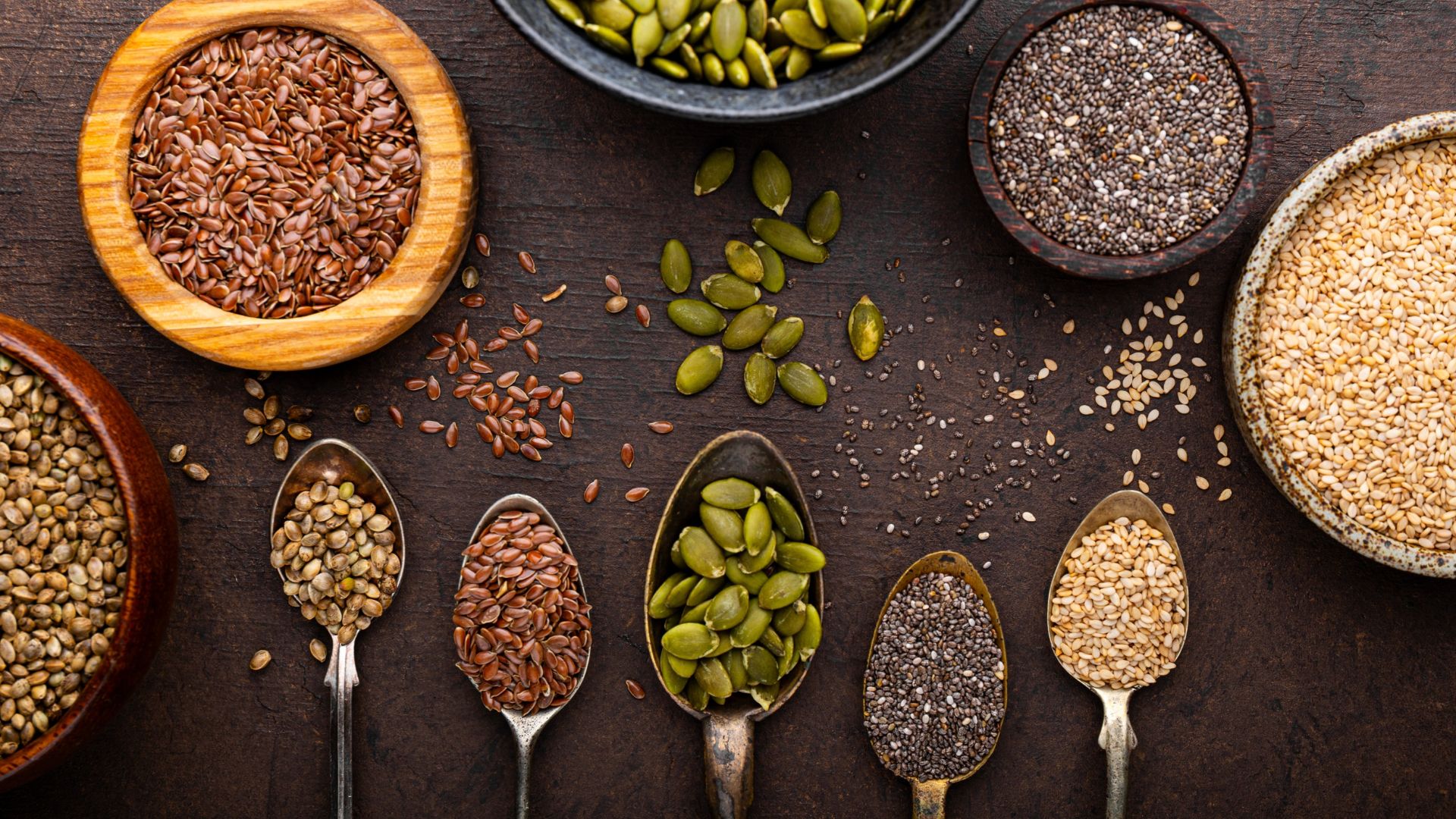

The way people shop for food is shifting, and a new nutritional priority is quietly reshaping grocery aisles. While protein once dominated packaging and marketing, fiber is quickly emerging as the next big focus, driven by health awareness, social media trends, and evolving consumer habits.
The Rise Of Fibermaxxing

A growing number of consumers are embracing “fibermaxxing,” a trend centered on increasing daily fiber intake beyond standard recommendations. Popularized across platforms like TikTok, this movement highlights foods such as berries, oats, chia seeds, and even unexpected options like stroopwafels, positioning fiber as essential for everyday wellness.
Why Fiber Is Suddenly Trending

Interest in fiber has surged as people become more aware of its role in digestion, satiety, and long-term health. Unlike short-lived diet fads, this shift reflects a deeper understanding of how nutrition supports overall well-being, making fiber a more intentional choice rather than a passive dietary component.
The Shift Away From Protein Obsession
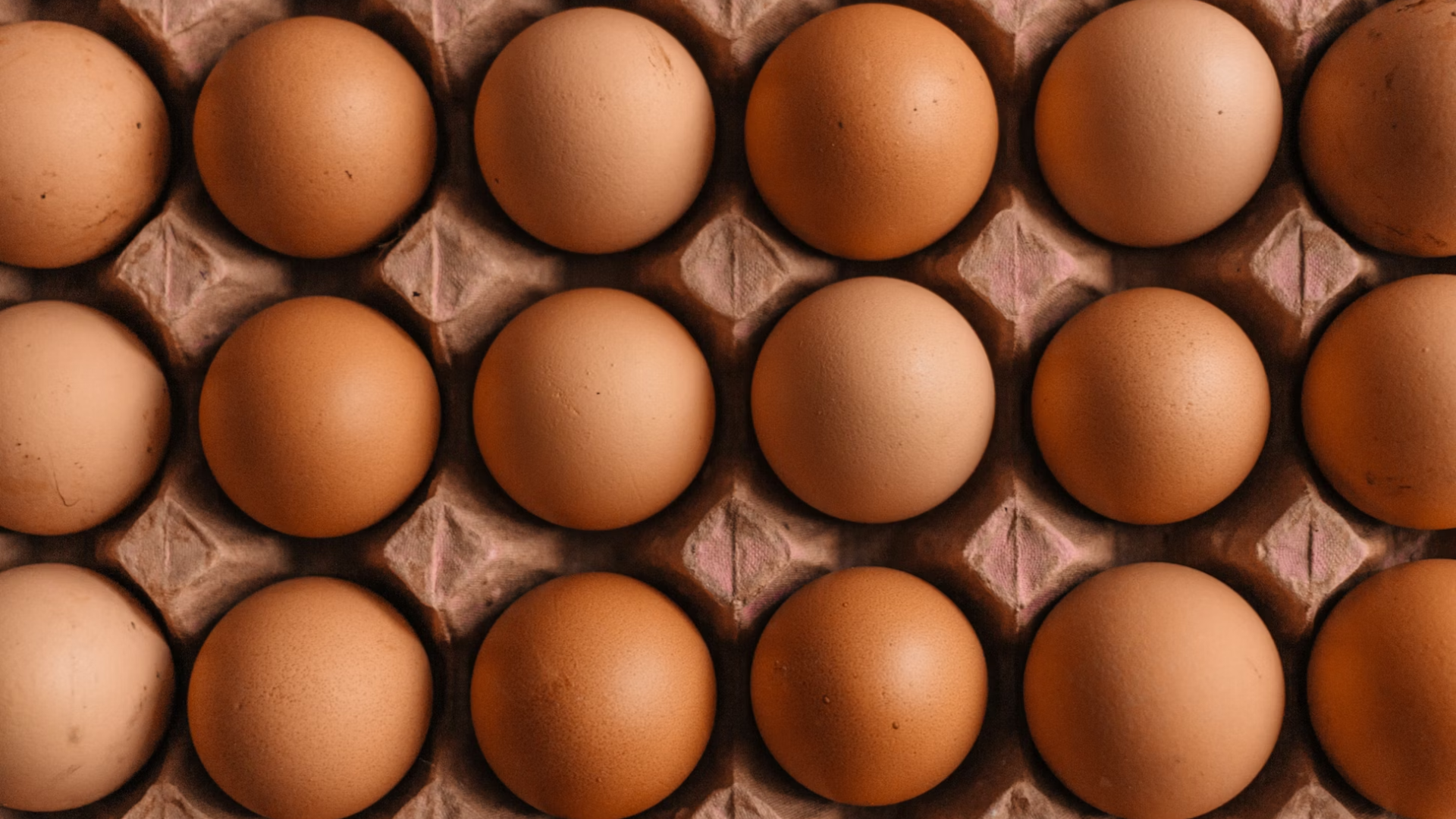
Protein has long dominated grocery store messaging, especially in snacks and fitness-focused products. However, fiber is now catching up as consumers begin to look beyond muscle-building benefits and prioritize nutrients that support digestion, balance appetite, and contribute to sustained energy levels.
How Social Media Fuels The Movement

Online communities have played a major role in accelerating this trend, with users sharing personal experiences, meal ideas, and even humorous takes on increasing fiber intake. Platforms like Reddit have become spaces where people openly discuss both the benefits and challenges of adjusting their diets.
The Fiber Gap In Modern Diets
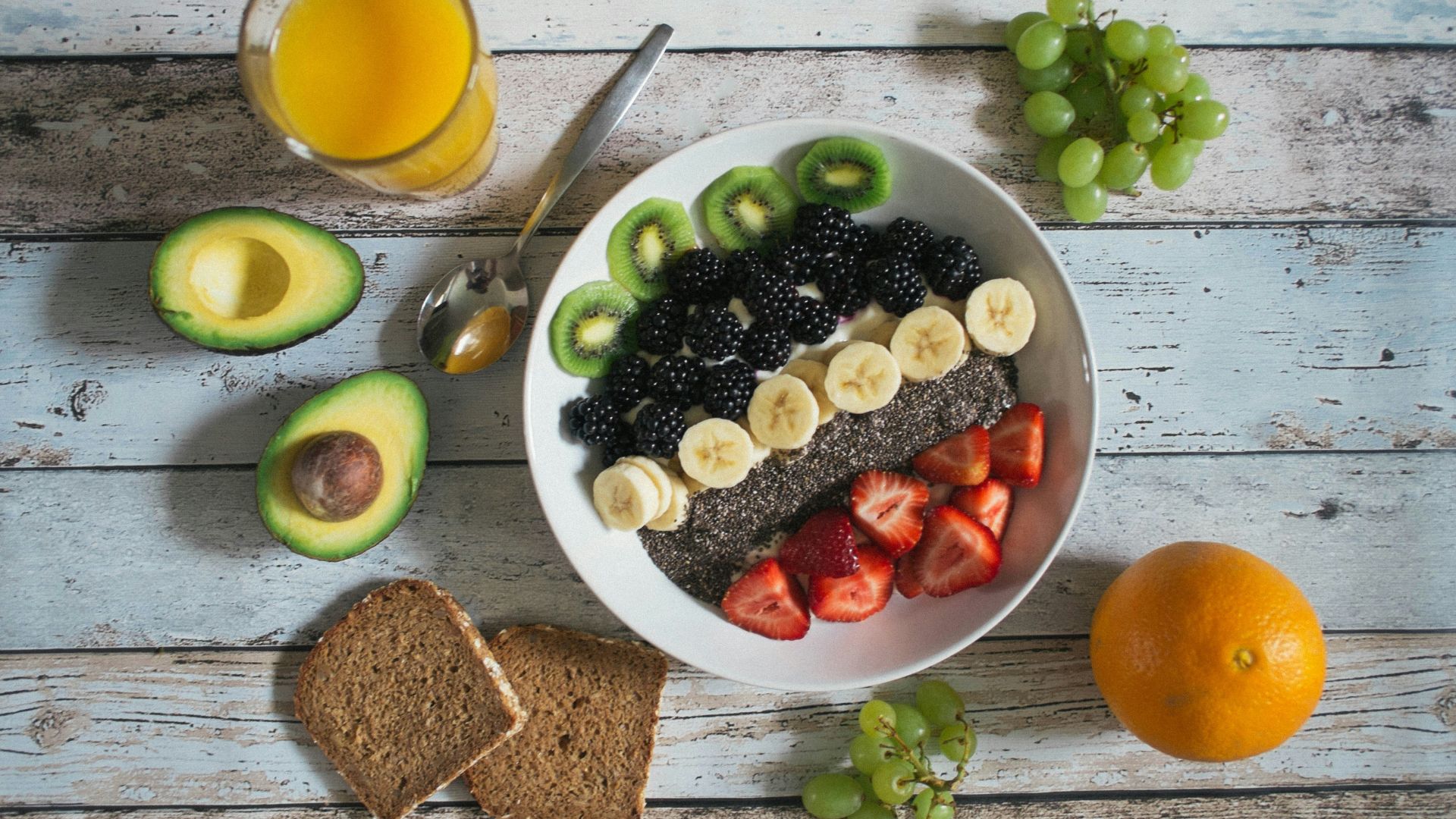
Despite the growing buzz, many people still fall short of recommended fiber intake, a deficit often referred to as the “fiber gap.” Nutrition experts point out that closing this gap is essential for improving digestive health and preventing chronic conditions, making fiber consumption a key public health focus.
The Connection To GLP-1 Medications
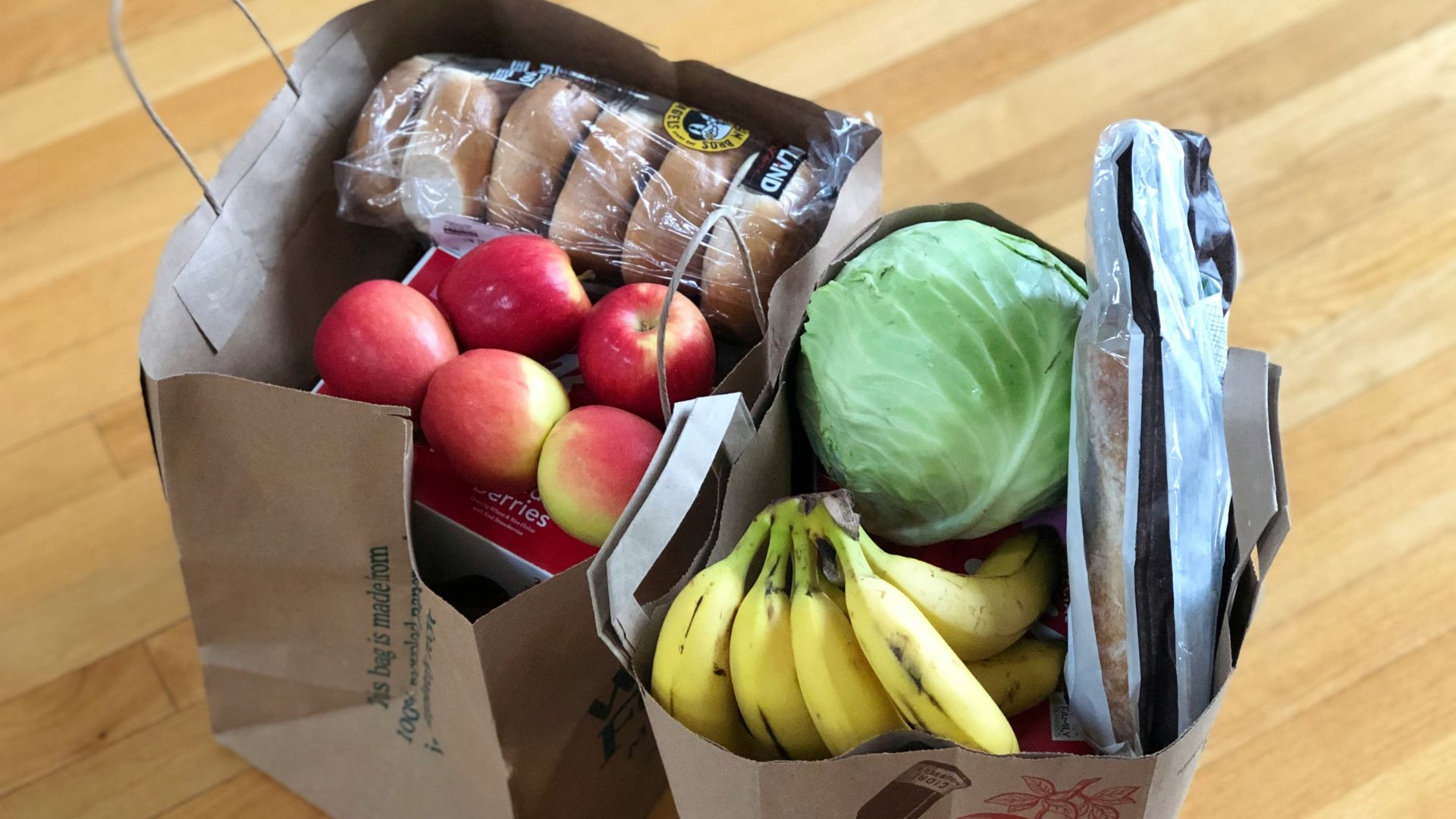
The popularity of GLP-1 receptor agonists, commonly used for weight management, has also influenced dietary habits. These medications help regulate appetite and prolong feelings of fullness, leading some consumers to seek similar effects through natural approaches like fiber-rich foods.
Food Brands Are Adapting Quickly
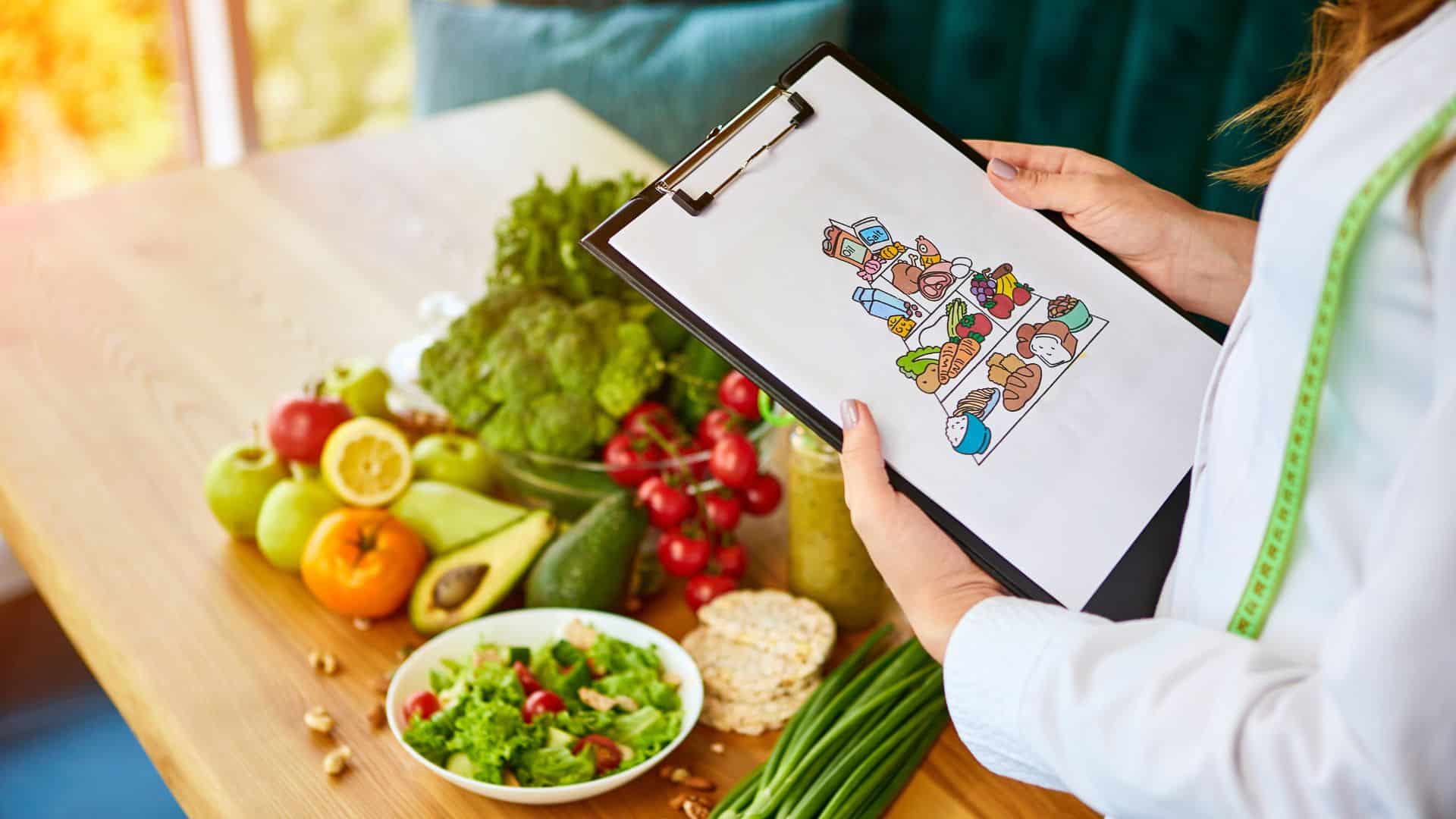
Major companies are responding by reformulating products and launching fiber-enhanced versions of familiar favorites. Brands under General Mills and Kellogg’s are introducing cereals, snacks, and bars designed to appeal to health-conscious shoppers without sacrificing convenience or taste.
Marketing Meets Digestive Health
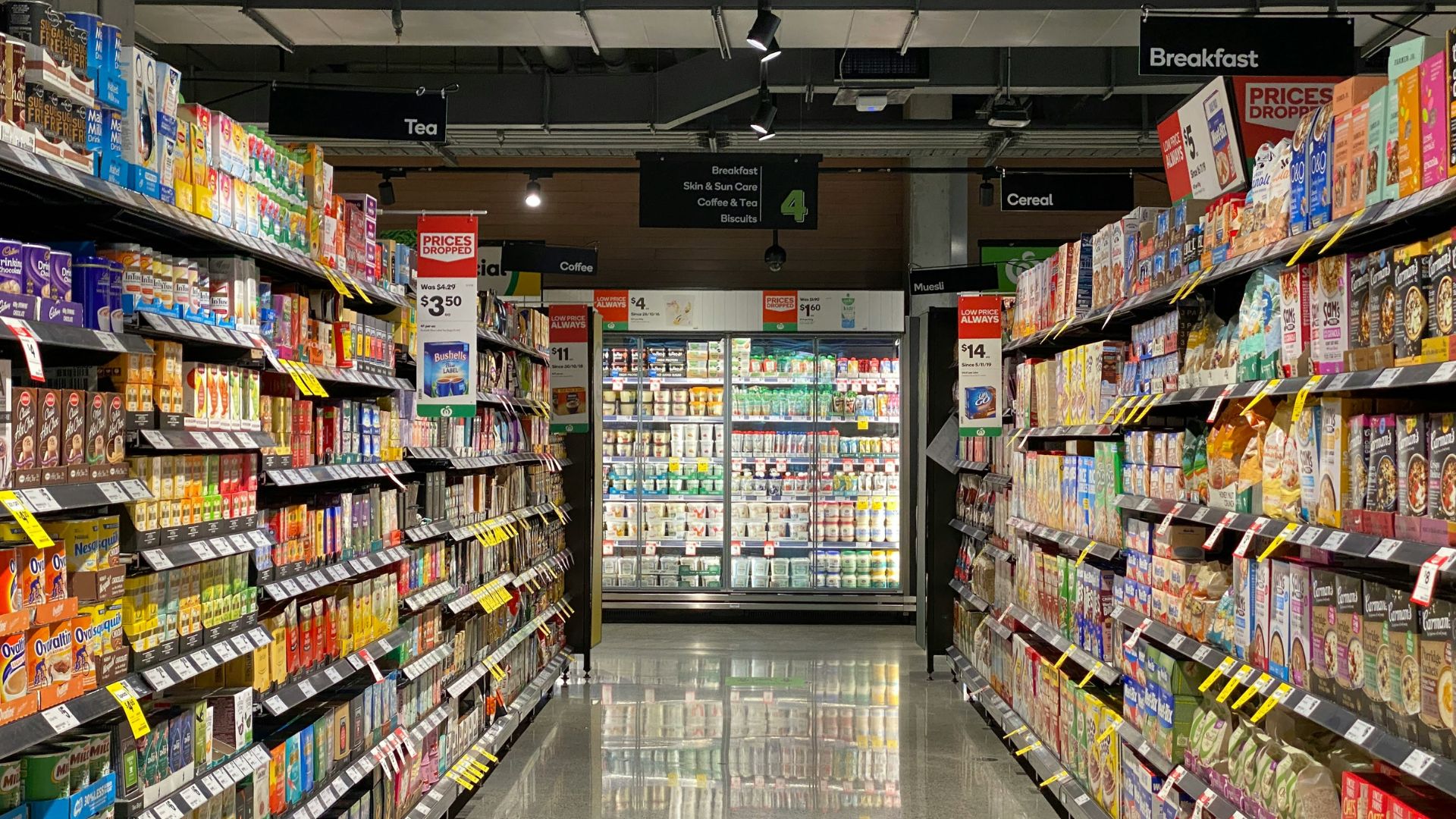
Advertising strategies are evolving alongside product innovation, blending humor and health messaging to capture attention. Campaigns featuring recognizable personalities aim to make digestive health more approachable, signaling a broader cultural shift toward normalizing conversations about gut health.
The Boom In Prebiotic Beverages

Beverage companies are also tapping into the trend by developing drinks enriched with prebiotics, a form of fiber that nourishes beneficial gut bacteria. PepsiCo has invested heavily in this space, reflecting confidence that functional beverages will play a significant role in future consumer demand.
The Challenge Of Accessibility And Cost

While fiber-rich products are becoming more visible, affordability remains a concern. Health-focused items often come with higher price tags, creating barriers for many households. Experts emphasize that making nutritious options both accessible and affordable will be critical to ensuring this trend leads to meaningful, long-term health improvements.