Grocery Prices Jumped 0.7% in April, Biggest Monthly Increase in Nearly Four Years


Grocery prices in the United States rose sharply in April, recording the largest monthly increase seen in nearly four years. New inflation data showed food-at-home prices climbed 0.7% during the month, adding more pressure on households already struggling with elevated living costs. Economists say the increase reflects ongoing supply chain pressures, higher production costs, and persistent inflation across key food categories.
Consumers have continued feeling the effects of rising prices on everyday essentials including meat, dairy products, eggs, and packaged foods. Analysts say food inflation remains one of the most noticeable financial burdens for many families because grocery purchases are unavoidable recurring expenses.
The April jump surprised some economists who had expected inflation to cool more gradually this year. Financial experts now warn that food prices could remain volatile if supply disruptions and energy costs continue affecting production and transportation.
Rising Food Costs Put Additional Pressure on Consumers

According to inflation reports, grocery prices experienced their steepest month-to-month increase since mid-2022. Categories including beef, fresh produce, dairy products, and processed foods all contributed to the broader rise in supermarket costs.
Economists say higher transportation expenses, labor costs, and supply chain disruptions continue placing upward pressure on food prices nationwide. Weather-related agricultural challenges have also affected crop yields and livestock production in several regions. These factors have combined to make grocery inflation especially difficult to control.
Consumers across the country are increasingly adjusting shopping habits in response to rising costs. Many households are purchasing fewer premium items, using coupons more frequently, and shifting toward lower-cost store brands to manage budgets.
Experts Warn Food Inflation Could Remain Unstable

Financial analysts say grocery inflation may remain unpredictable in the coming months depending on energy prices, weather conditions, and global supply chain stability. Some economists warn that continued geopolitical tensions and transportation disruptions could further affect food production and distribution costs.
Federal Reserve officials are also closely monitoring food inflation as part of broader efforts to stabilize consumer prices. Although overall inflation has slowed compared to previous highs, grocery costs continue rising faster than many consumers expected.
Experts note that food inflation tends to affect lower-income households more severely because groceries make up a larger share of monthly spending. Advocacy groups say sustained price increases could place additional pressure on food assistance programs and household financial stability.
Sharp Grocery Price Increase Highlights Ongoing Inflation Challenges
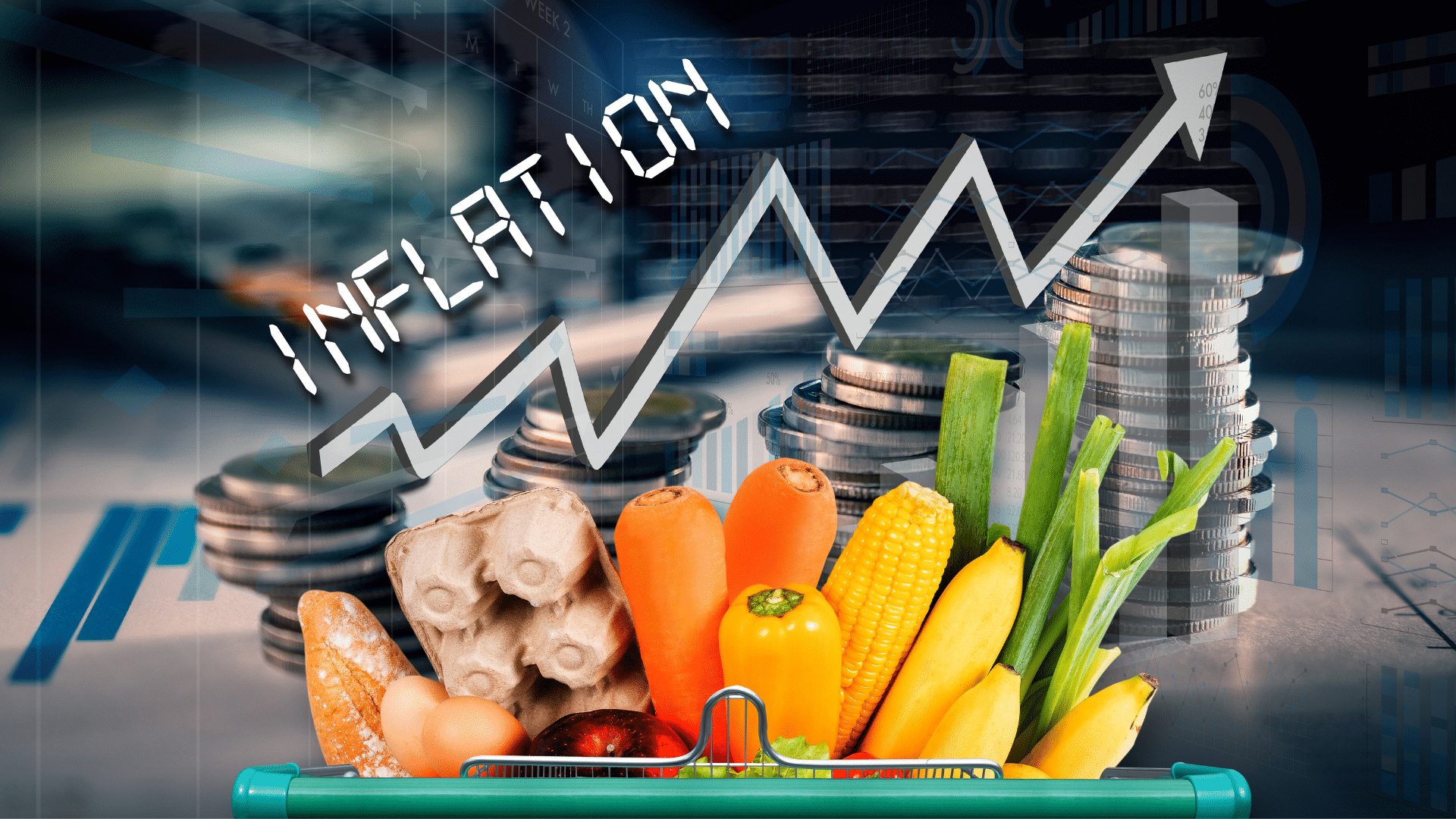
The sharp rise in grocery prices during April highlights the continuing challenges many Americans face as inflation affects everyday necessities. Food costs remain one of the most visible and frustrating expenses for households trying to manage monthly budgets. Economists say persistent supply chain issues and production costs are continuing to influence supermarket prices.
Consumers are increasingly adapting shopping habits as they search for ways to offset rising expenses. Many families are cutting back on discretionary purchases, buying fewer premium products, and seeking discounts whenever possible. Financial experts warn that food inflation could remain unstable if broader economic pressures continue.
Ultimately, the latest grocery inflation data underscores how sensitive household budgets remain to changes in food prices and broader economic conditions.