Is It Healthy to Eat Toast Every Day? Here’s What Nutrition Experts Say
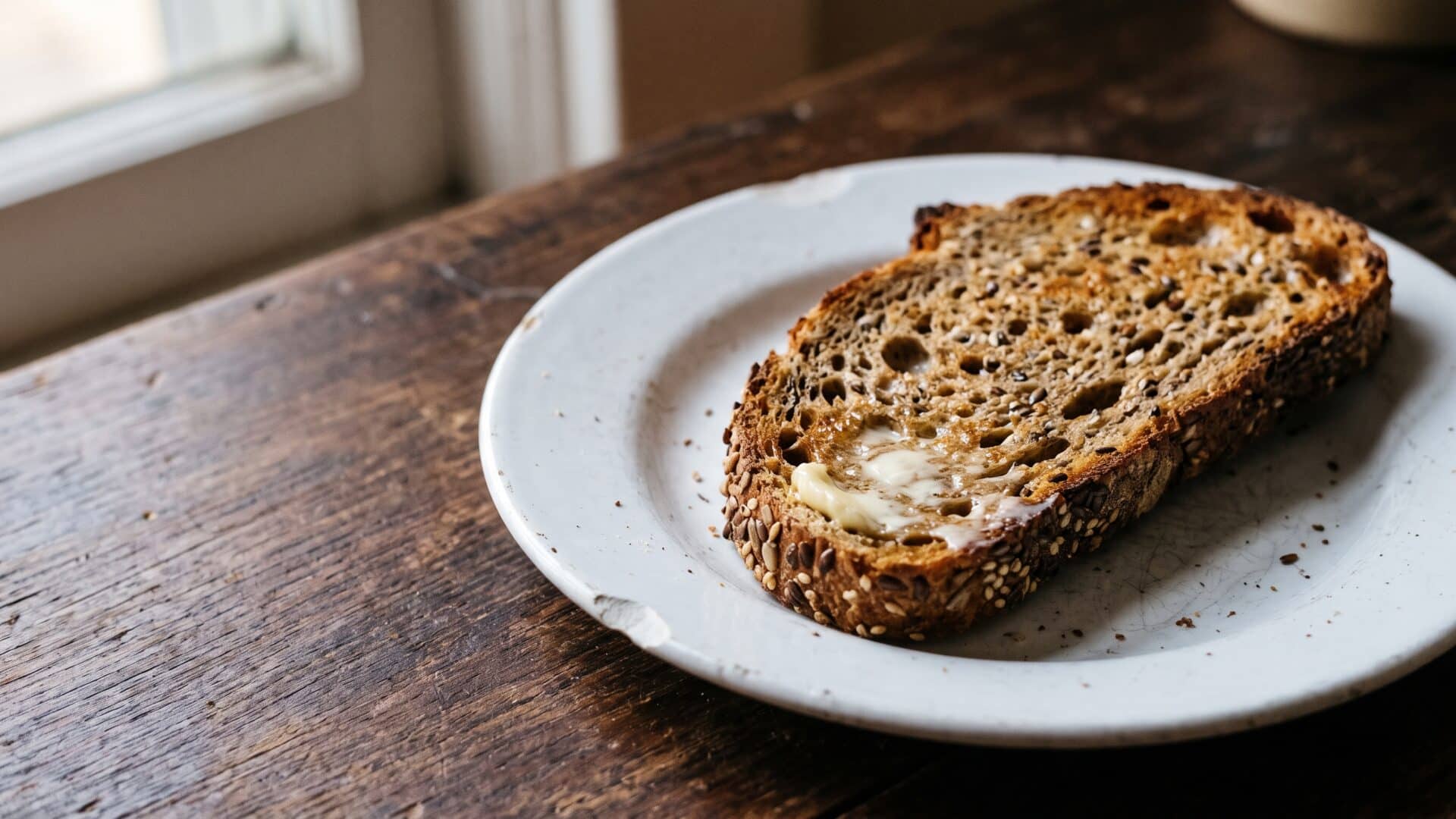

You make it most mornings, and some part of you files it under guilty carb. Dietitians don’t. A slice of bread is a reasonable base for a meal, and eating one every day isn’t the thing that decides whether your diet works. What decides it is which loaf you bought and what you put on top, because those two choices change the fiber, the sugar and the salt far more than toasting does. That’s worth knowing if toast is the food you repeat most often. Ileana Trautwein, a registered dietitian at Orlando Health in Florida, has put numbers on a single slice.
This article was created with the assistance of AI and reviewed by our editorial team for accuracy and clarity.
What one slice actually puts on your plate
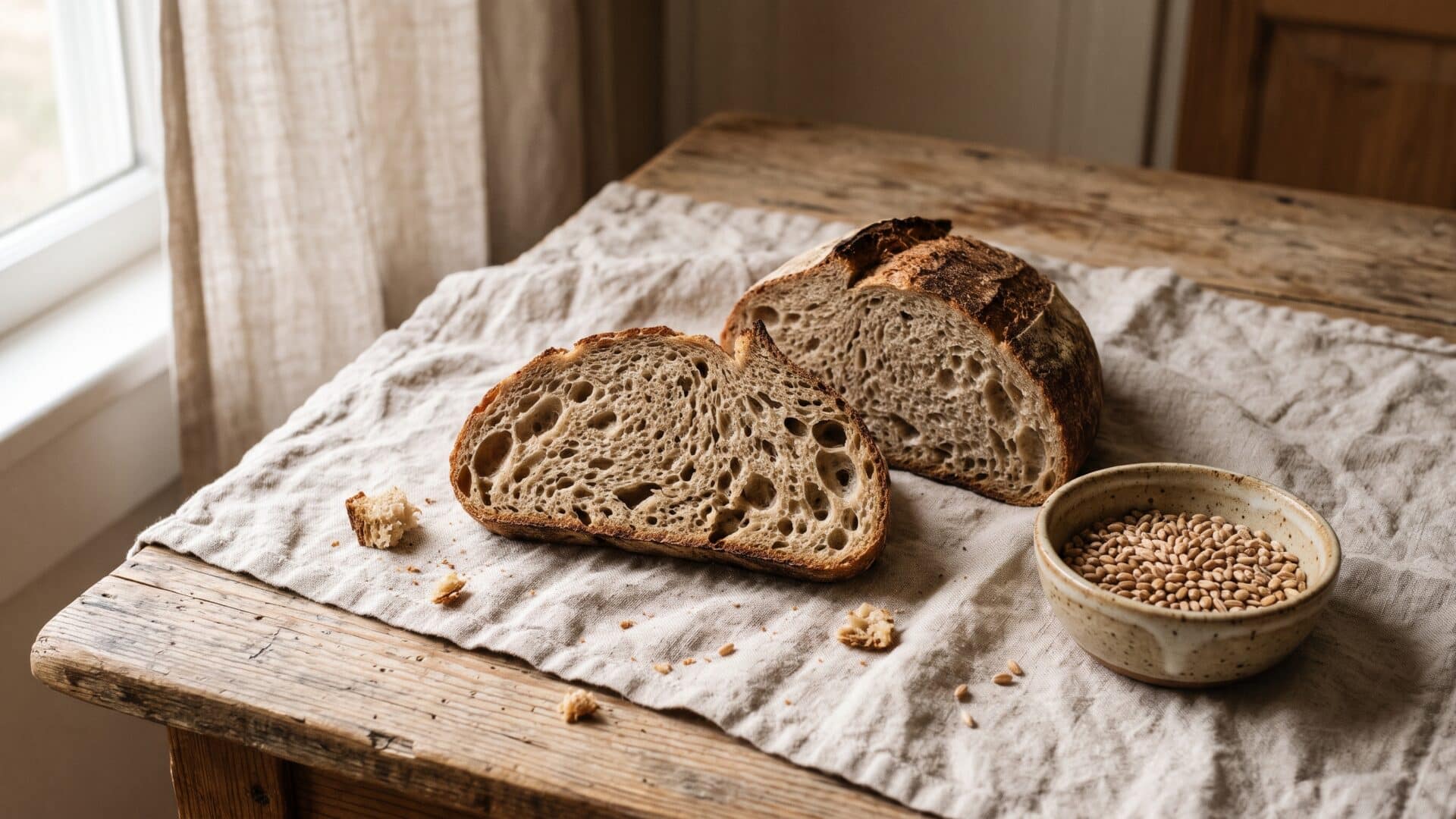
Her figures: about 80 calories, 15 grams of carbohydrate and 3 grams of protein. That protein is the part people miss, since bread gets filed with sugar rather than with food that does any work. Depending on the brand, a slice can also deliver B vitamins such as thiamin, riboflavin, niacin and folate, plus iron, magnesium and selenium. In the United States, refined flour is routinely enriched with several of those B vitamins and with iron, which is why even plain white bread shows them on the label. The enrichment exists for a reason. Milling takes something out first.
The part of the grain that gets removed
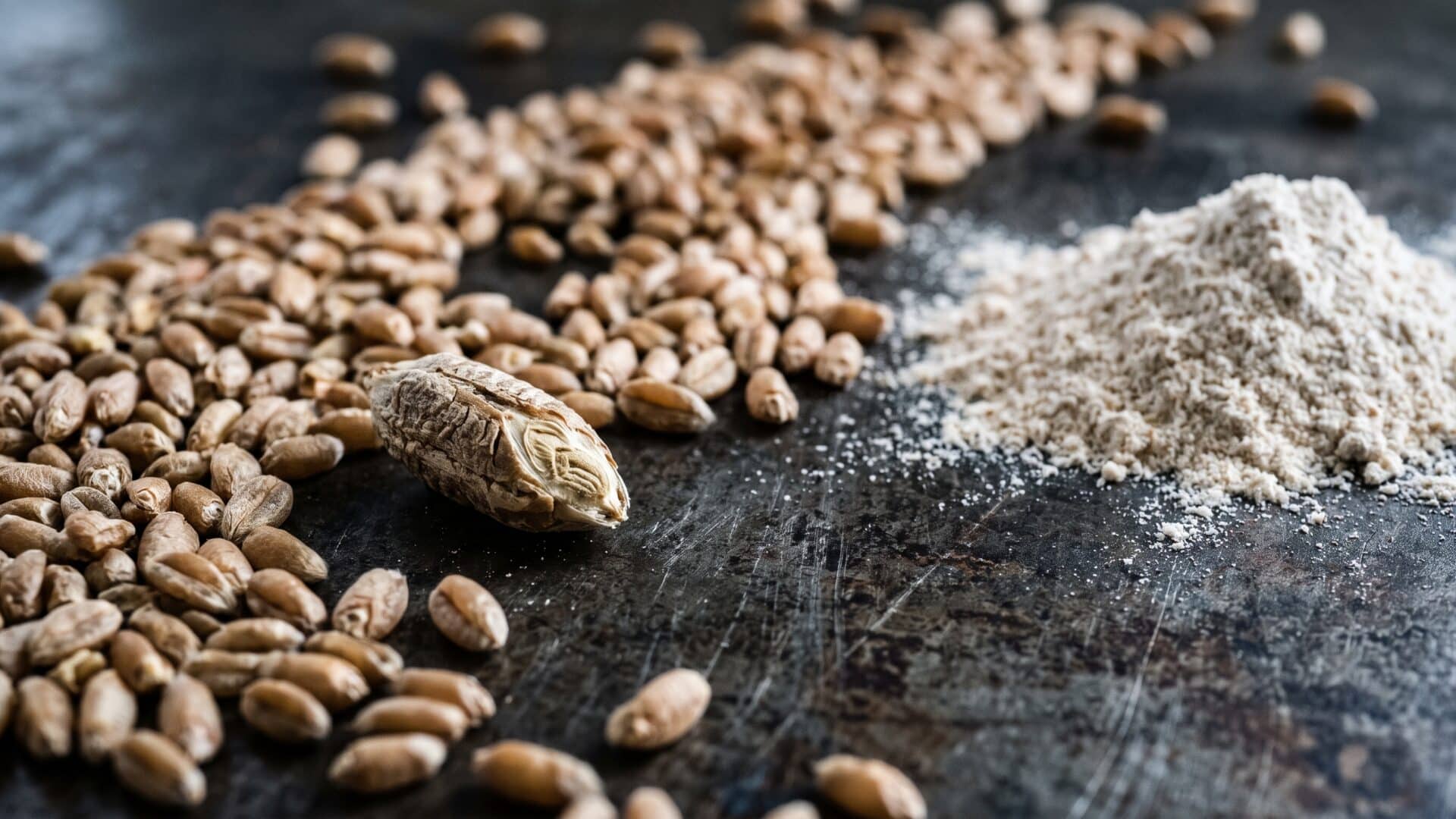
White flour is milled down to the endosperm, the starchy middle. Whole grain flour keeps the bran and the germ too, which is where most of the fiber and the minerals sit, so a whole grain slice starts ahead of a white one. The federal advice leans hard that way. The Dietary Guidelines for Americans, 2025-2030, released on January 7, 2026, set a goal of two to four servings of whole grains a day and call for minimizing highly processed, refined carbohydrates, naming white bread first among the examples. Picking the right loaf in the aisle is harder than that sounds, because color proves nothing.
The ingredient list beats the color of the crust
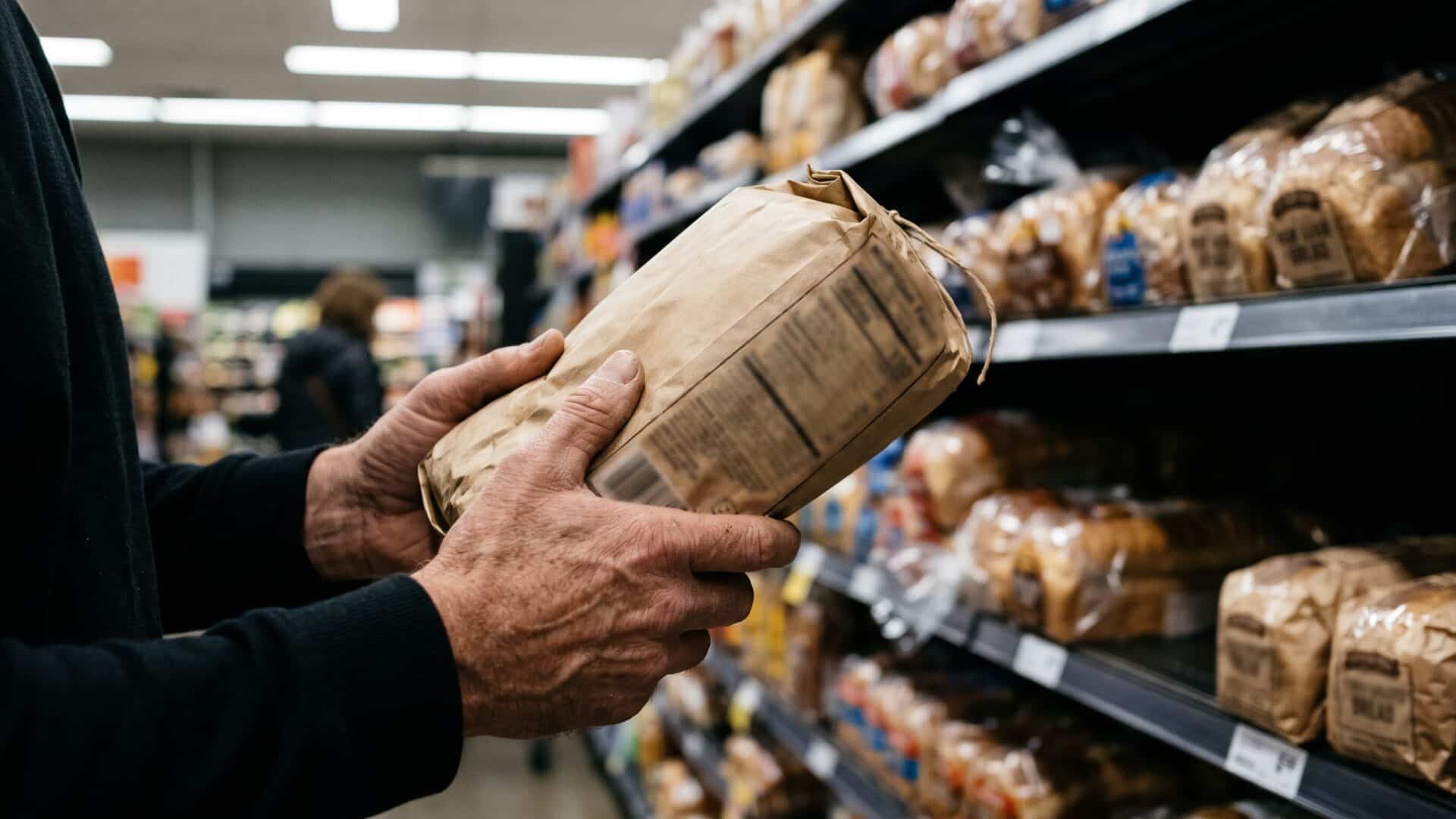
A brown loaf can be brown because of molasses, as Mayo Clinic has pointed out, so the crust tells you nothing about the flour. The ingredient list does. A whole grain belongs first, though it may be written as whole grain wheat flour, whole rye or whole oats. Trautwein’s thresholds are simple: at least 3 grams of fiber per slice, and sugar between 0 and 3 grams. The guidelines count one slice of bread as one whole grain serving, which means two slices of a loaf that passes already cover the low end of the daily range. The loaf is only half the decision, and the other half gets made at the table.
What goes on top can outweigh the loaf
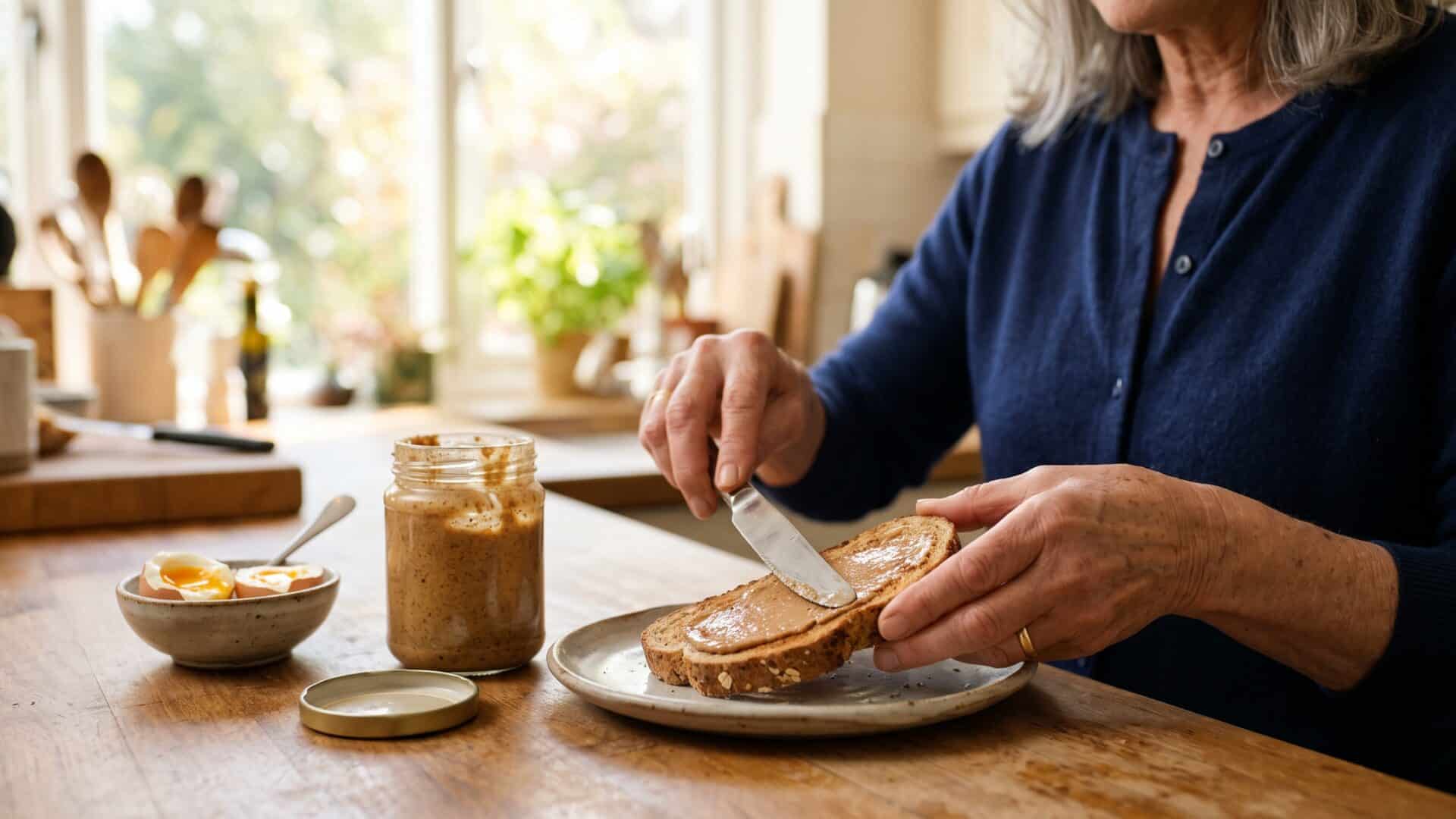
The jar is where a careful loaf choice gets spent. The 2025-2030 guidelines suggest that one meal contain no more than 10 grams of added sugars, and sweet spreads are measured in tablespoons that nobody actually measures. Read the added sugars line on the jar, then look at the serving size it applies to. Dietitians quoted in USA Today’s report also suggest pairing toast with a protein, since protein is what keeps the meal working past mid-morning: eggs, cottage cheese, peanut butter without added sugar. Then there’s the part of the loaf that nobody can taste.
Two slices can move your daily salt total

Bread doesn’t taste salty, which is exactly why it slips past people. USDA figures published by University of Florida Extension put a slice of whole wheat at about 132 milligrams of sodium and white at about 128, while rye runs closer to 211. Two slices of rye is roughly 420 milligrams before anything goes on top. The 2025-2030 guidelines set the ceiling at under 2,300 milligrams a day from age 14, and the FDA says Americans average about 3,400. Trautwein says people with high blood pressure or heart disease “should look for lower sodium products.” Whether any of this adds up to a healthier heart got a direct test in September 2026.
What 87 trials found about whole grains
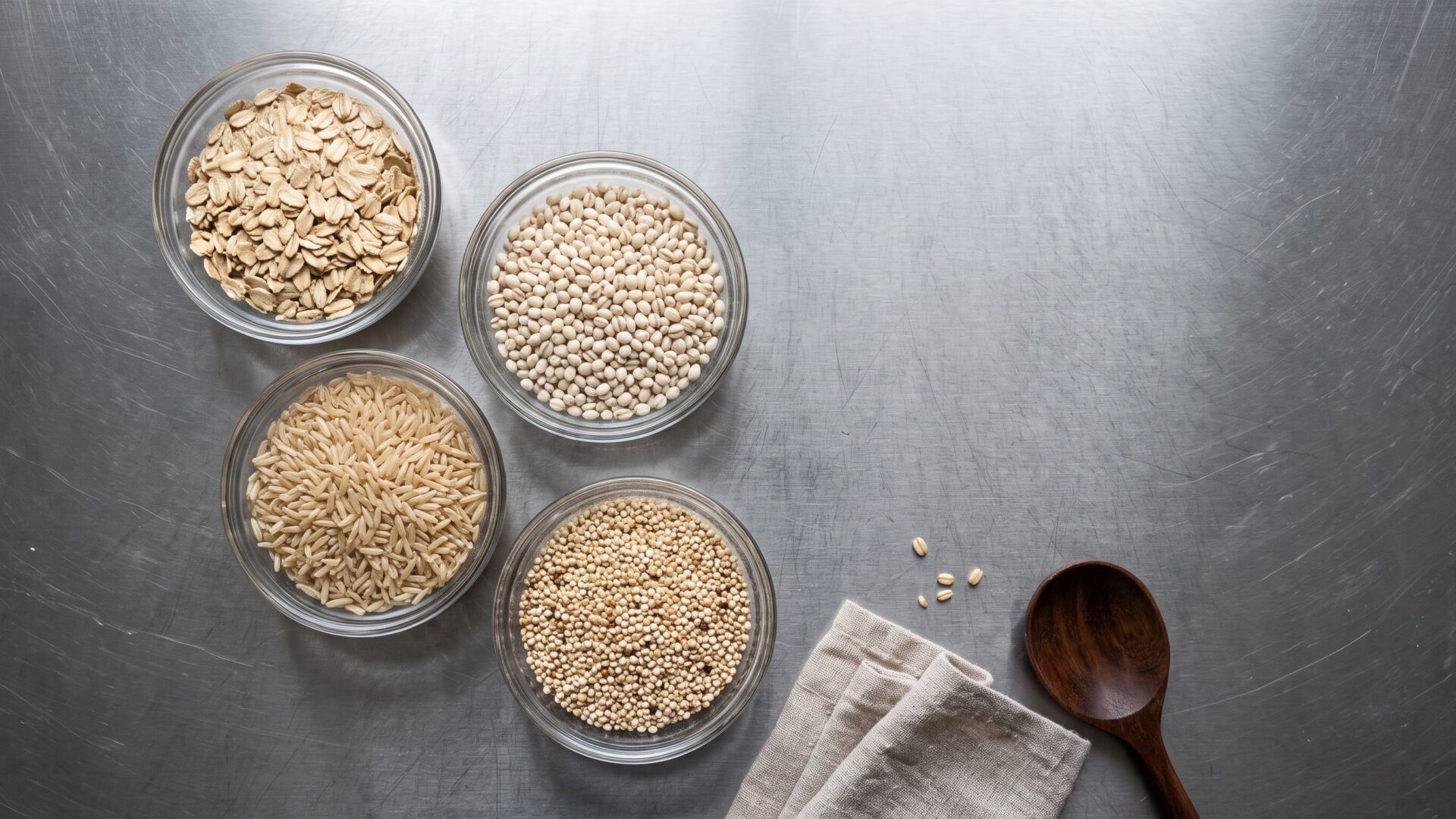
That test landed on September 15, 2026, in the European Heart Journal, from researchers led by Dr Helda Tutunchi at Tabriz University of Medical Sciences. They pooled 87 trials covering 6,529 participants, which the team calls the largest meta-analysis of randomized trials on wholegrain intake and cardiovascular risk factors. The trials compared whole grains in their intact form against refined grains or people’s routine diets. The pattern wasn’t simply that more is better. The largest gains showed up at four to six servings a day, measured in body weight, blood pressure, cholesterol and glucose. Four to six servings is a whole day of eating, not a breakfast.
Where the other servings have to come from

Two slices of whole grain toast count as two of those servings. The rest has to come from elsewhere in the day, and the guidelines count half a cup of cooked oats, brown rice, barley, quinoa or buckwheat as a serving each, along with one tortilla. Oatmeal at breakfast and brown rice at dinner closes most of the gap. The study has limits worth knowing. The trials ran about eight weeks on average, and they did not assess cardiovascular events directly, so they show movement in risk markers rather than heart attacks avoided. Several of the individual changes were small. Servings aren’t the number everyone at the table is counting.
Counting carbohydrates changes how a slice fits

For anyone managing blood sugar, the number that matters is the 15 grams of carbohydrate in that slice. In diabetes meal planning, 15 grams is the standard unit, which makes a slice easy to count and easy to double without noticing. Jennifer Beery, a registered dietitian at Orlando Health Center for Health Improvement, says a dietitian can help build a plan when a condition calls for controlled carbohydrates, aiming for “a steady amount of carbohydrates in appropriate amounts throughout the day.” That’s general information rather than a plan for any one person, since the right amount depends on medication, activity and the rest of the meal. One variable sits outside all of it, down at the toaster.
How dark you toast it changes one thing

That setting is the one thing no label can fix. The FDA says toasting bread to a light brown color rather than a dark brown color lowers the amount of acrylamide, a chemical formed by high-heat cooking, and very brown areas contain the most. It comes from the food itself, built out of natural sugars and the amino acid asparagine, not from packaging. The same chemical turns up in coffee, breakfast cereal and french fries. On risk, the agency is careful: acrylamide caused cancer in animals given doses far above what food delivers, and the FDA is still studying what the lower amounts mean for people. So pop the lever a notch early, and cut off the black corners.