Why Were Over 3 Million People Cut Off From Federal Food Assistance?
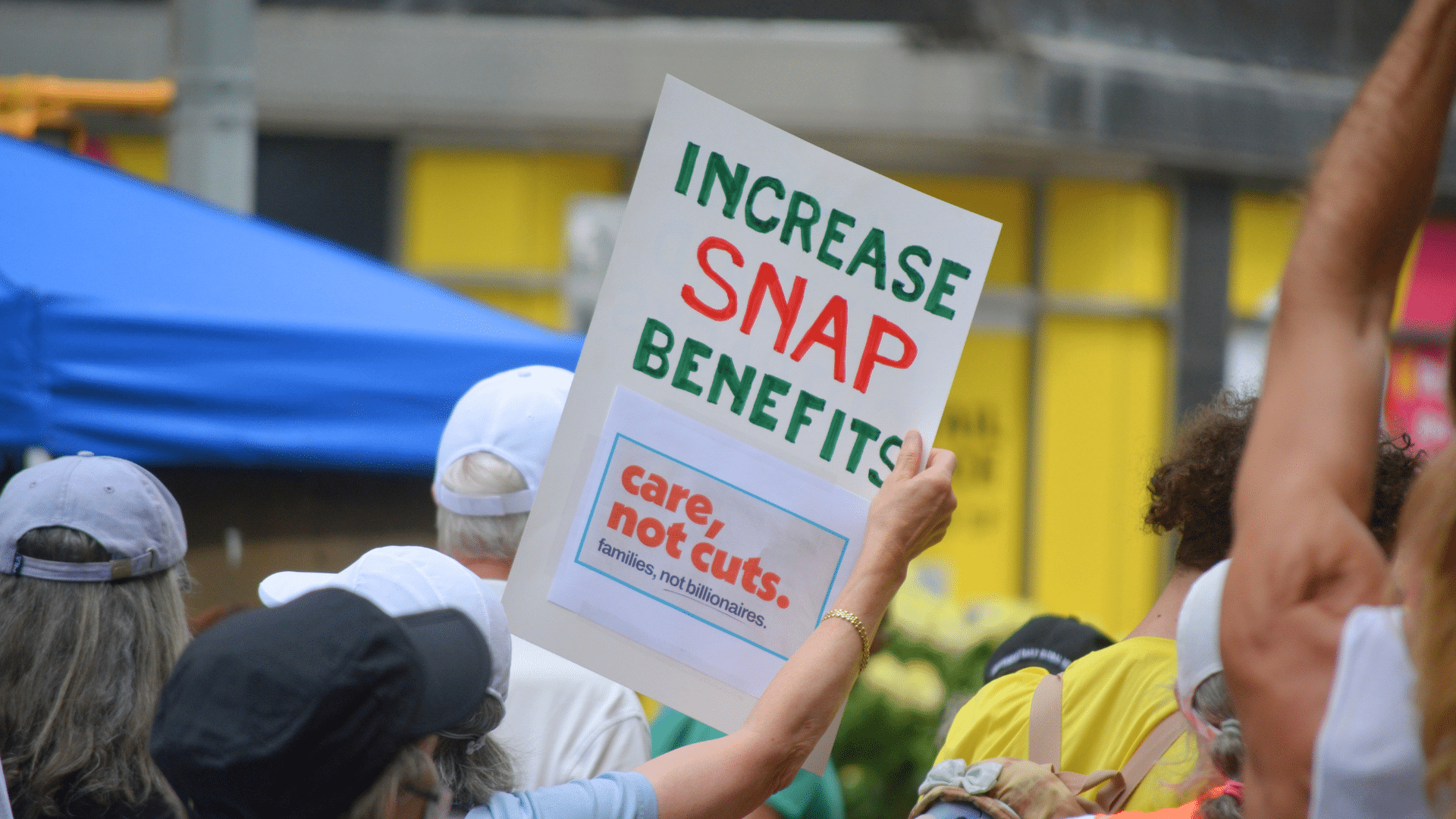

More than three million Americans have lost access to federal food assistance through the Supplemental Nutrition Assistance Program (SNAP), raising urgent questions about why such a large reduction has occurred. The cuts are linked to new federal eligibility rules and policy changes that tightened work requirements and reduced exemptions for certain groups. Officials say the goal is to target aid more efficiently, while critics argue the changes are removing support from vulnerable households. The result has been a sharp decline in participation across multiple states.
Stricter Work Requirements Drive Major Enrollment Drops
A major factor behind the reduction is the expansion of SNAP work requirements under recent federal legislation. Able-bodied adults without dependents are now required to work, volunteer, or participate in job training for at least 80 hours per month to maintain benefits. The eligibility age range has also been expanded, increasing the number of people subject to these rules. These changes have led to millions losing benefits due to noncompliance or inability to meet requirements.
Policy Changes Behind the SNAP Cuts
The reductions are tied to a broader federal law that significantly reshaped SNAP eligibility and funding. The legislation reduced overall program funding and tightened qualification standards, resulting in fewer participants receiving monthly aid. Analysts estimate that millions are affected not only by full disqualification but also by reduced benefits. These changes are part of long-term budget restructuring efforts.
Millions Lose Assistance Even in a Strong Economy

While some officials attribute the decline to improved economic conditions, experts dispute that explanation. Wage growth has not been enough to offset rising living costs for many low-income households. Data suggests that most of the reduction is due to policy-driven eligibility changes rather than decreased need. As a result, many families remain food insecure despite being cut off from aid.
State-Level Impact Varies Widely
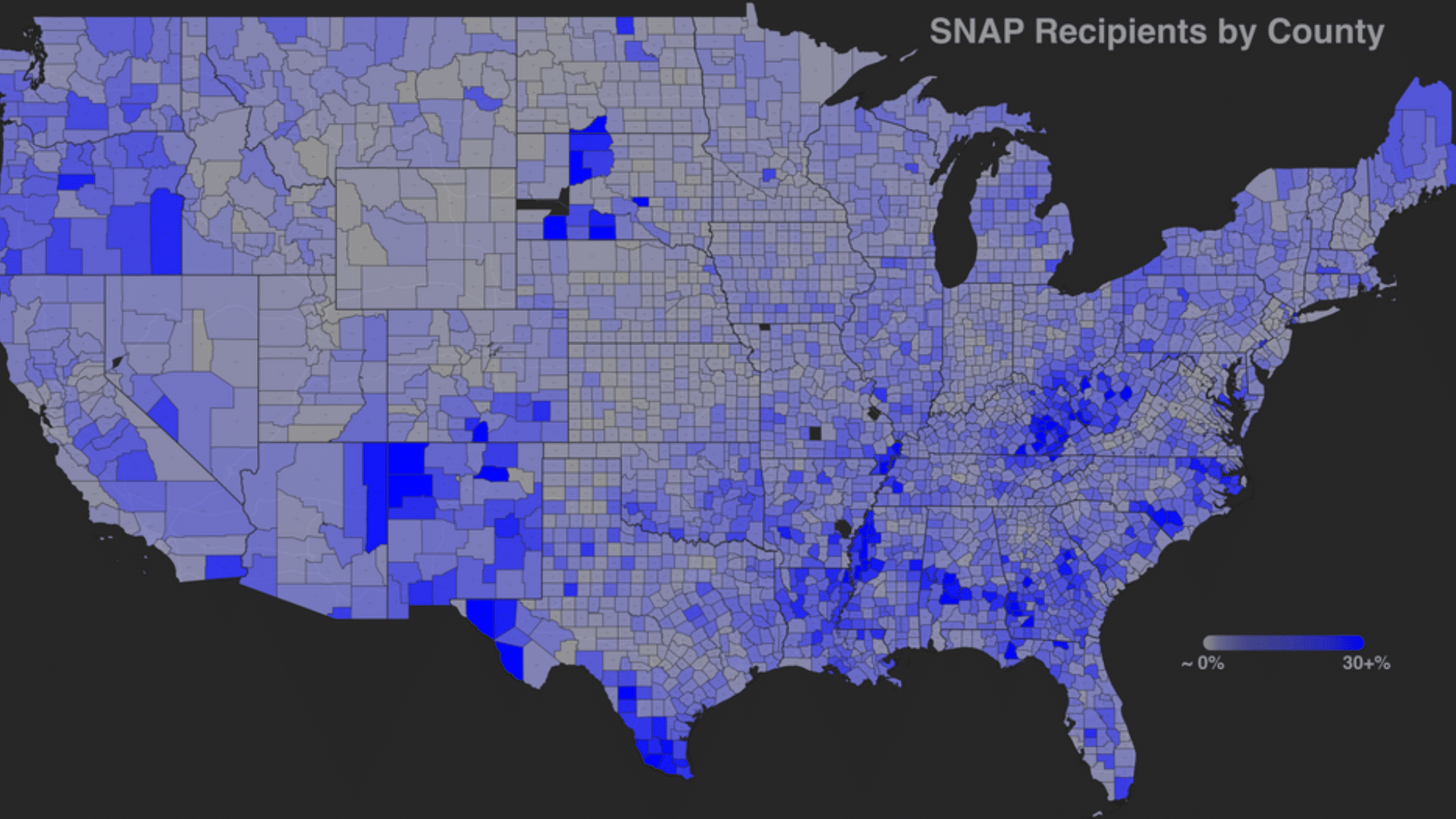
The effects of the SNAP reductions are not uniform across the country, with some states seeing much sharper declines than others. States with higher numbers of working-age recipients without dependents have been hit hardest by the new rules. In some areas, SNAP caseloads have dropped by half or more. This uneven impact reflects differences in local economies and demographics.
Critics Warn of Rising Food Insecurity

Anti-hunger advocates warn that cutting millions from SNAP could significantly increase food insecurity nationwide. They argue that many affected individuals are still struggling financially but fail to meet stricter administrative requirements. Food banks have reported increased demand in some regions following the cuts. Experts say emergency food systems cannot fully replace federal assistance.
Government Says Changes Reduce Waste and Fraud

Federal officials argue that the changes are intended to reduce fraud and ensure that assistance reaches those most in need. They claim tighter eligibility rules improve program efficiency and accountability. However, independent analyses show that fraud in SNAP is historically low. Critics say the policy justification does not align with available data on program misuse.
Broader Debate Over the Future of SNAP

The cuts have intensified a national debate over the role of SNAP in the U.S. safety net. Supporters of reform argue that the program should encourage employment and reduce dependency, while opponents say it is being scaled back too aggressively. The tension reflects deeper disagreements over how to address poverty and food insecurity. The future of SNAP now depends on further political and legislative decisions.
Impact on Families and Local Communities

For many households, losing SNAP benefits means immediate financial strain and reduced access to nutritious food. Families are being forced to rely more heavily on food pantries and community programs. Local organizations report growing pressure as demand increases. The changes are reshaping how low-income Americans access basic nutrition support.
A Shrinking Safety Net Under Pressure
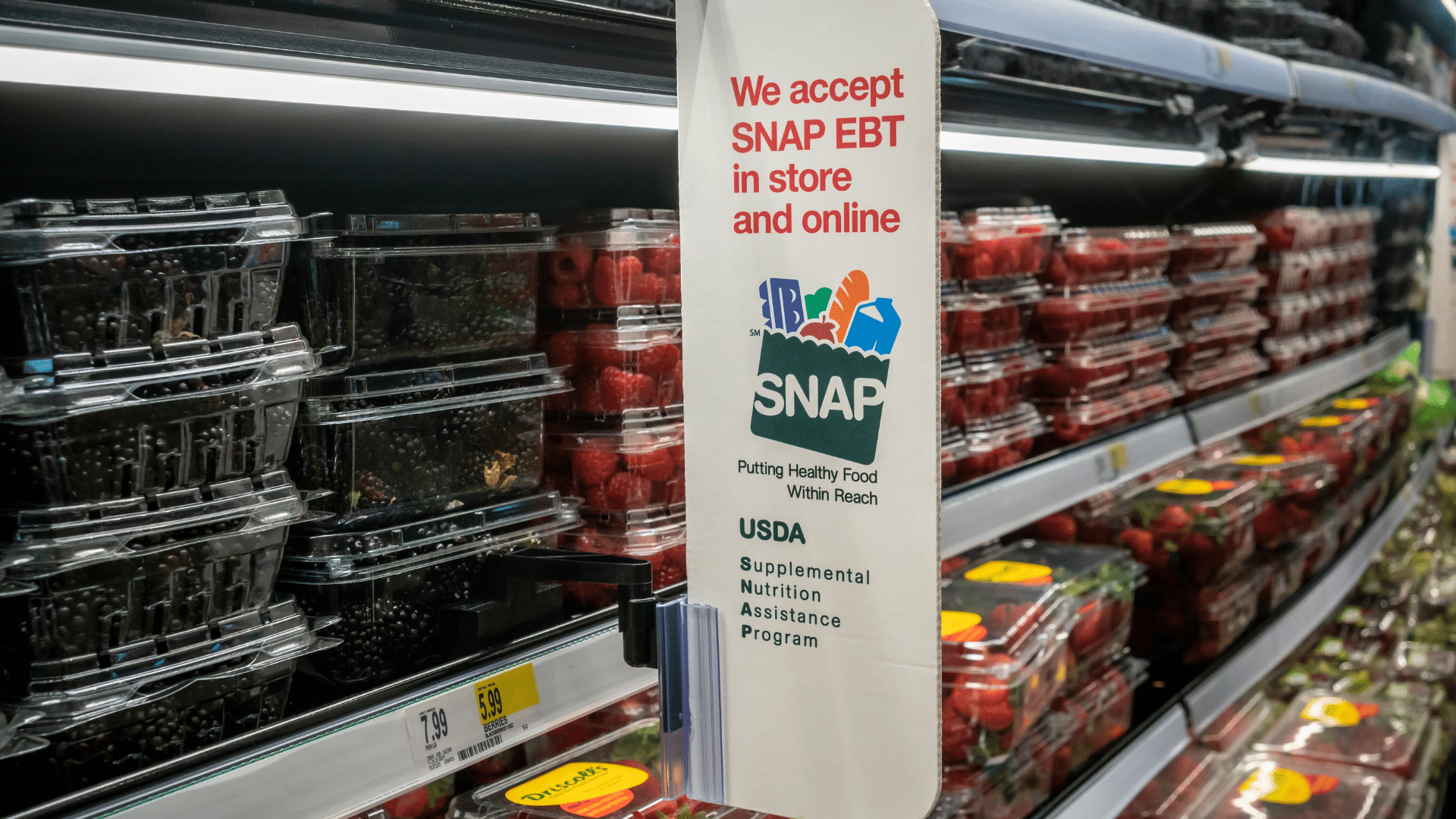
The removal of more than three million people from SNAP highlights the significant impact of recent policy changes to federal food assistance. While officials frame the cuts as necessary reform, critics warn they are deepening hardship for vulnerable families. The debate reflects a broader struggle over the size and purpose of the U.S. social safety net. As changes continue, the long-term effects on food security remain uncertain.