7-Eleven’s Profits Are Up, but Something Is Still Going Wrong Inside Its Stores

How can a convenience-store giant make more money while struggling to convince people to buy a snack? That’s the uncomfortable question facing 7-Eleven. The chain’s North American business has posted impressive financial results, yet something less encouraging is happening beyond the gas pumps. Customers are reconsidering purchases, competitors are getting stronger, and management is preparing major changes. The numbers look great at first glance. Look closer, though, and the story gets considerably less comfortable.
Even a Candy Bar Is Becoming a Decision
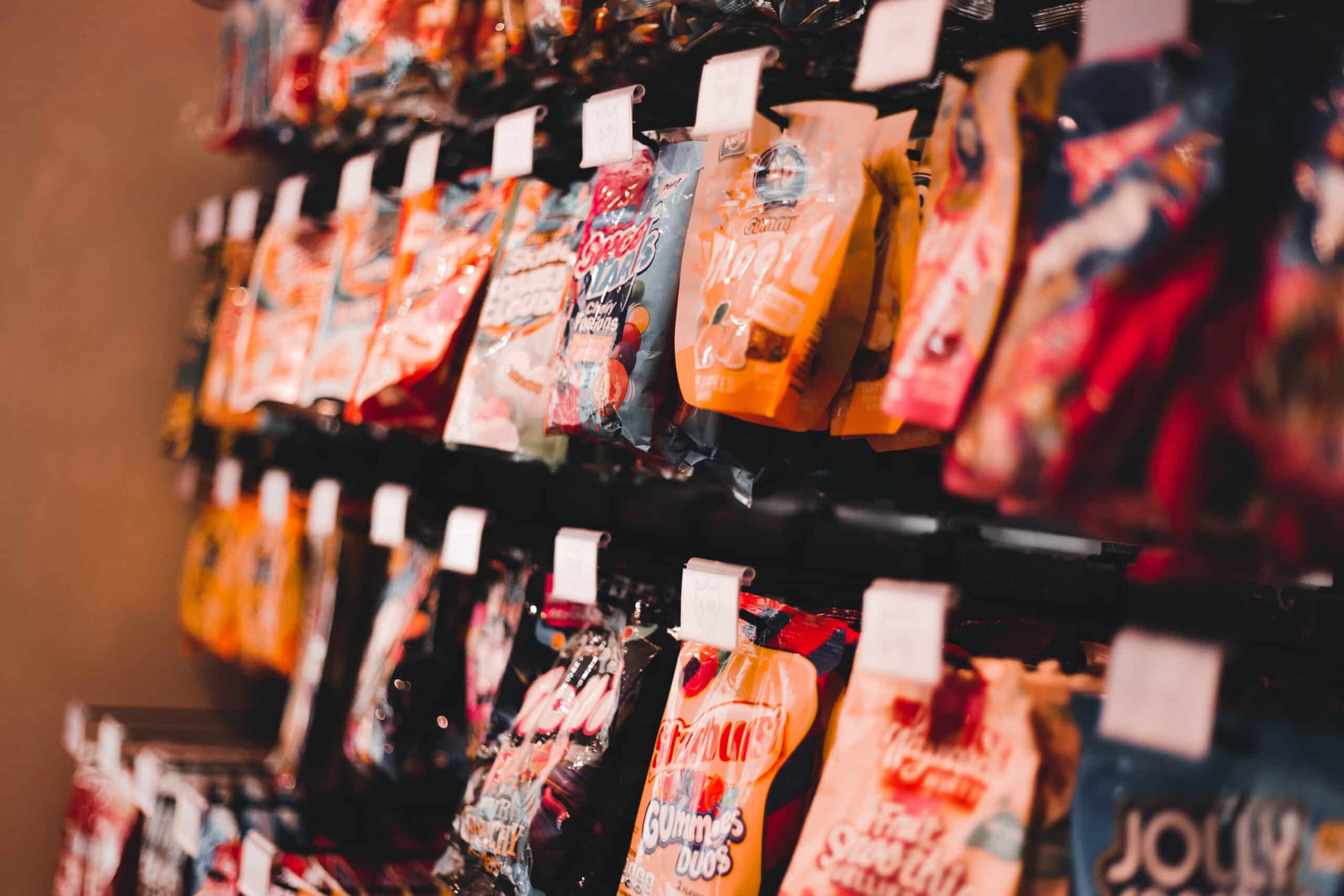
Consider a shopper who sees a small bag of gummy candy priced above $4 and decides to buy elsewhere. Or someone who stops for gasoline but skips the drink and sandwich. These aren’t dramatic boycotts. They’re ordinary decisions made by people watching their budgets. North American CEO Mauricio Leyva put the pressure plainly: “Sentiment right now is that disposable income is being hit across the board.” But the real surprise is how little that caution resembles 7-Eleven’s headline profits.
The Numbers Reveal the Catch
Here’s the disconnect. For the six months ended August 31, 7-Eleven Inc. reported $28.8 billion in revenue, up 9.8%, while operating income jumped 45.8% to $1.32 billion. Yet U.S. same-store merchandise sales rose only 0.6%. Worse, growth slipped from 1.4% in the first quarter to a 0.1% decline in the second. Store traffic also fell. The company was making considerably more money without convincing existing stores’ customers to spend much more. So where did that profit surge come from?
Gasoline Did Much of the Heavy Lifting
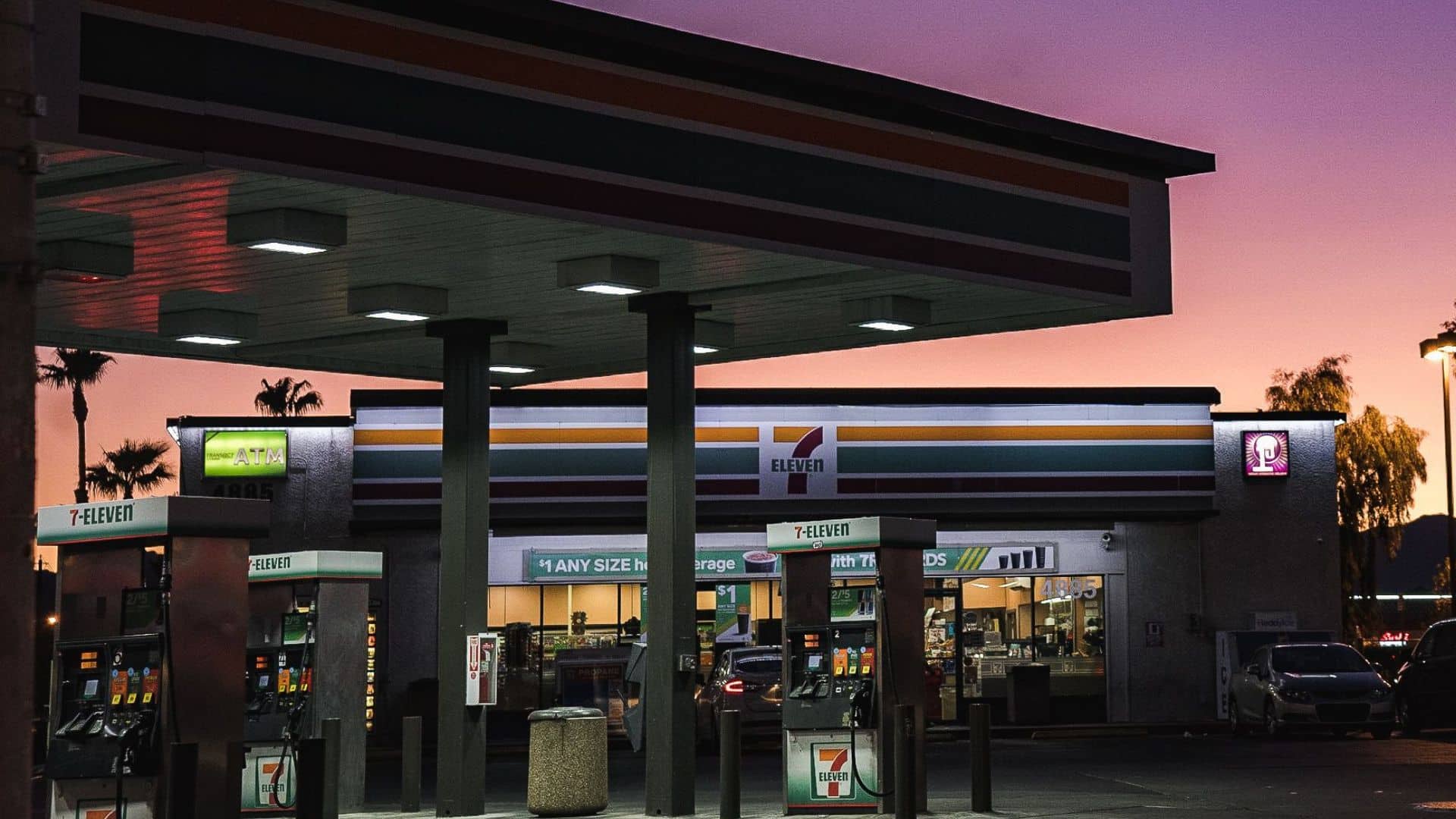
Fuel, not a sudden rush for Big Gulps, explains much of the jump. Favorable fuel-market conditions and stronger integration of fuel operations contributed about $414 million to first-half operating-income growth. Strip out the fuel windfall, and underlying operating profit increased by less than 2%, according to The Food Institute. Meanwhile, merchandise gross margin improved to 33.5%, helped by cost controls and more efficient promotions. Those are genuine gains. They just don’t solve the bigger problem: customers aren’t rushing through the doors.
And Hundreds of Locations Face Closure
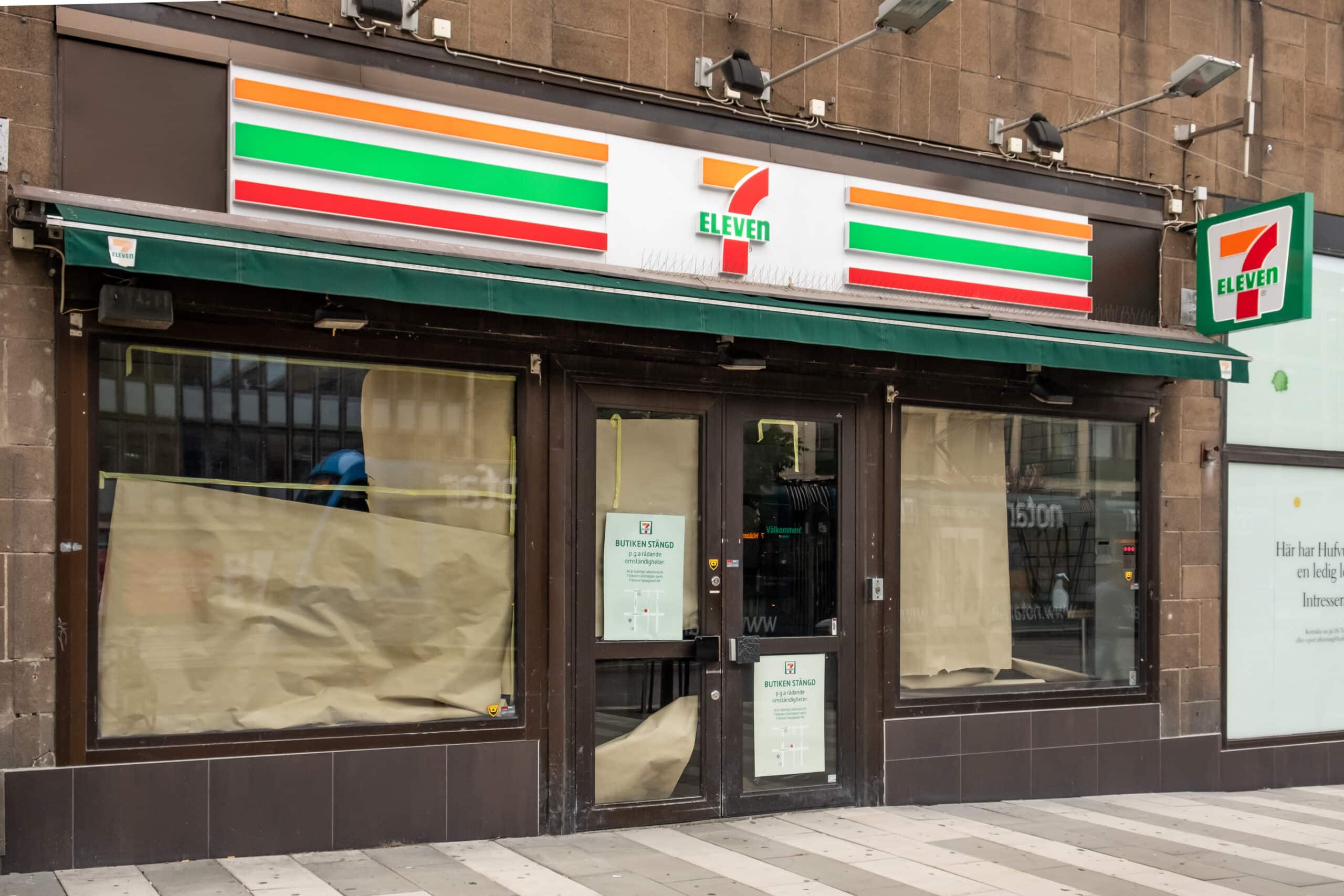
The company is also reshaping its footprint. Earlier plans called for 645 North American store closures during fiscal 2026, compared with 205 openings. Some locations are being converted to different retail banners while retaining fuel-supply agreements. That doesn’t mean every closing store was losing money, but it shows how aggressively 7-Eleven is reconsidering its network. For customers, the nearest store could disappear even while the overall business reports stronger profits. And online, shoppers have plenty to say about what needs fixing.
Reddit Has a Blunt Suggestion
In an r/news discussion about the closures, Reddit user Coldsmoke888 delivered a pointed comparison: “If they’d pivot to the Asian model of having affordable, good food options, they’d make money.” The commenter described regularly visiting convenience stores in Japan while criticizing expensive drinks and roller-grill food in the United States. The comment attracted roughly 2,800 upvotes. It’s one shopper’s opinion, not a company diagnosis, but it captures a recurring frustration: Why can’t American 7-Elevens offer the same food experience customers admire overseas?
The Competition Isn’t Waiting Around
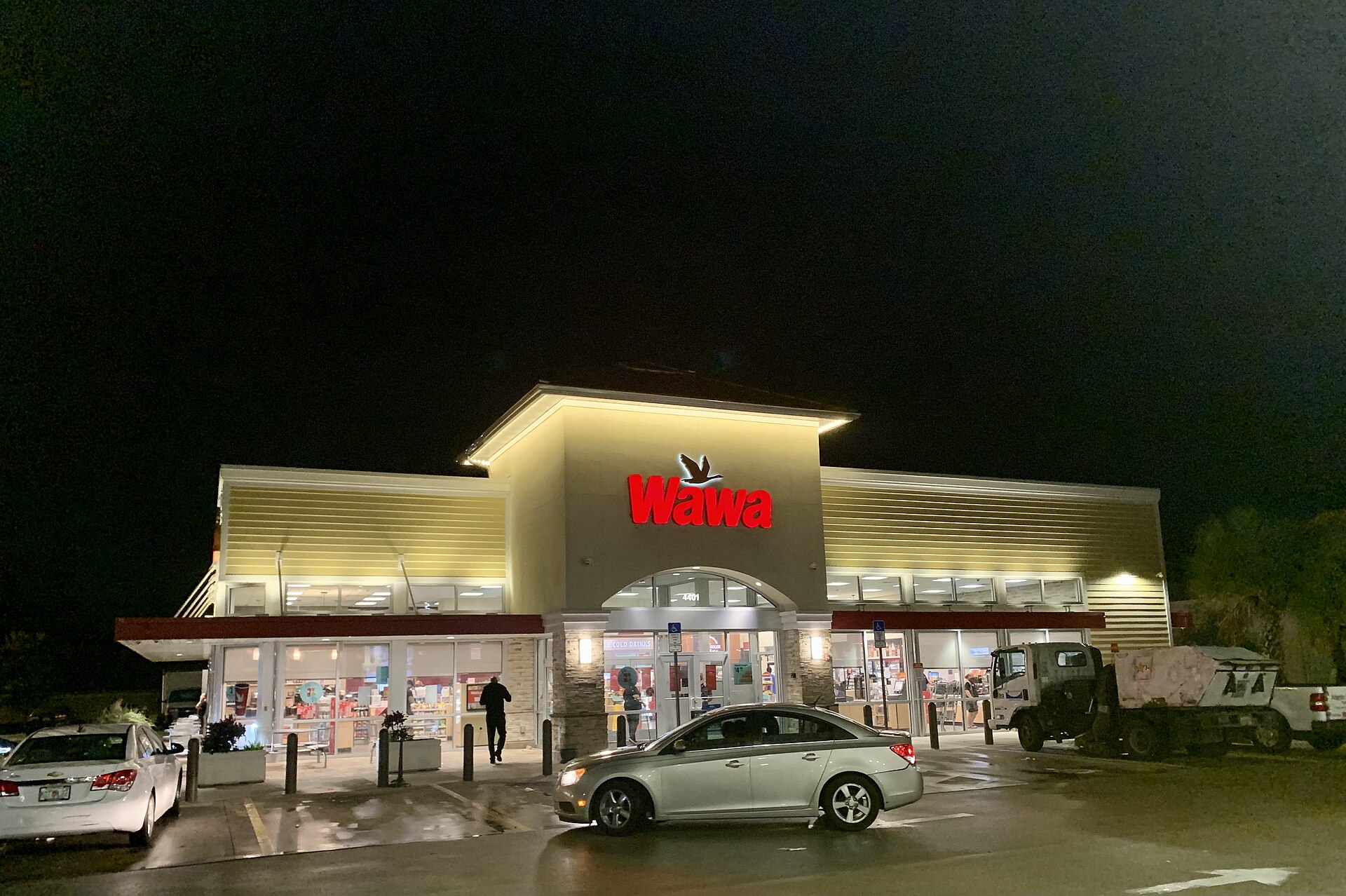
That question matters because Wawa, Sheetz, Buc-ee’s, and Casey’s are expanding their reach. These competitors increasingly sell more than emergency snacks, offering prepared meals that give customers reasons to visit deliberately. Casey’s reported 3.2% growth in inside same-store sales during a comparable quarter, while 7-Eleven’s slipped. The businesses aren’t identical, but the contrast is difficult to ignore. Being nearby used to be a powerful advantage. Now a convenient location may not be enough when someone else offers a better lunch.
7-Eleven Wants to Become a Food Destination
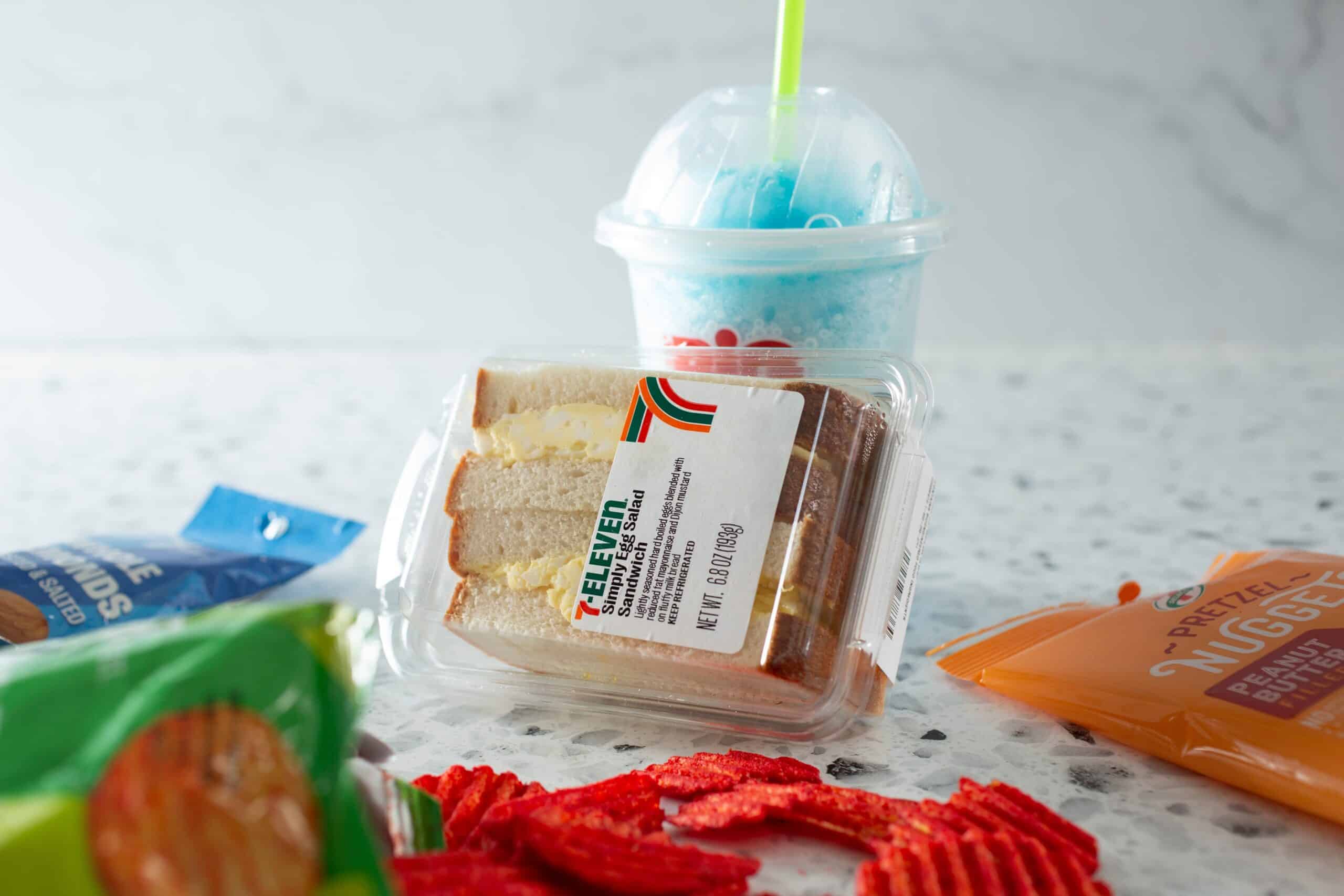
Management’s answer is ambitious: more fresh food, more private-label products, better sourcing, and a stronger distribution system. Executive Doug Rosencrans has described the goal as becoming a “primary food destination.” The company also plans to renovate nearly half its stores over five years and increase franchised locations from the low-60% range to roughly 80% by 2030. Those changes could make visits more appealing and improve margins. But renovating a store is easier than changing what customers think about its food.
Delivery Is Growing, but There’s Another Catch
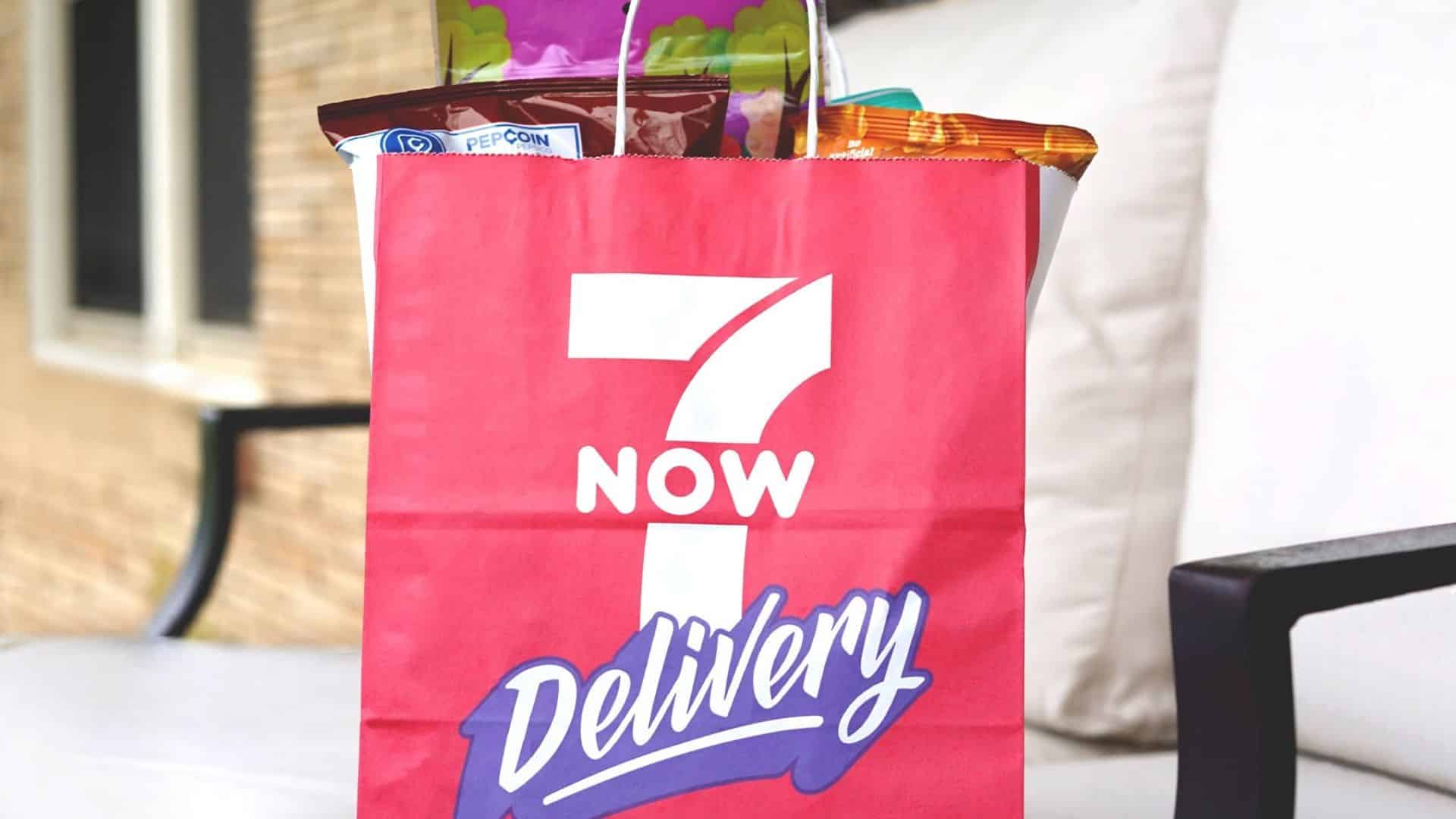
There is encouraging news. 7NOW delivery sales climbed 15.6% to $550 million during the first half, and fresh-food trends have begun improving. Still, delivery growth doesn’t automatically mean new customers. Some orders may replace purchases people previously made inside stores. Rivals such as DoorDash and Uber Eats are growing too, making it harder for 7-Eleven to stand out simply by offering delivery. The chain needs shoppers to choose its products, not just its app. And there’s a deadline approaching for proving that strategy works.
The Next Test Is Bigger Than a Slurpee
Parent company Seven & i has pushed its planned North American stock-market listing to the fiscal year beginning April 2027 or later. Before that happens, investors will want evidence that higher profits can survive without an unusually strong fuel business. The numbers to watch are store traffic, merchandise sales, and whether fresh food attracts repeat customers. Shoppers have a simpler test: Is 7-Eleven finally worth stopping at for something besides gas and a Slurpee? The answer could shape which stores survive the next round of changes.