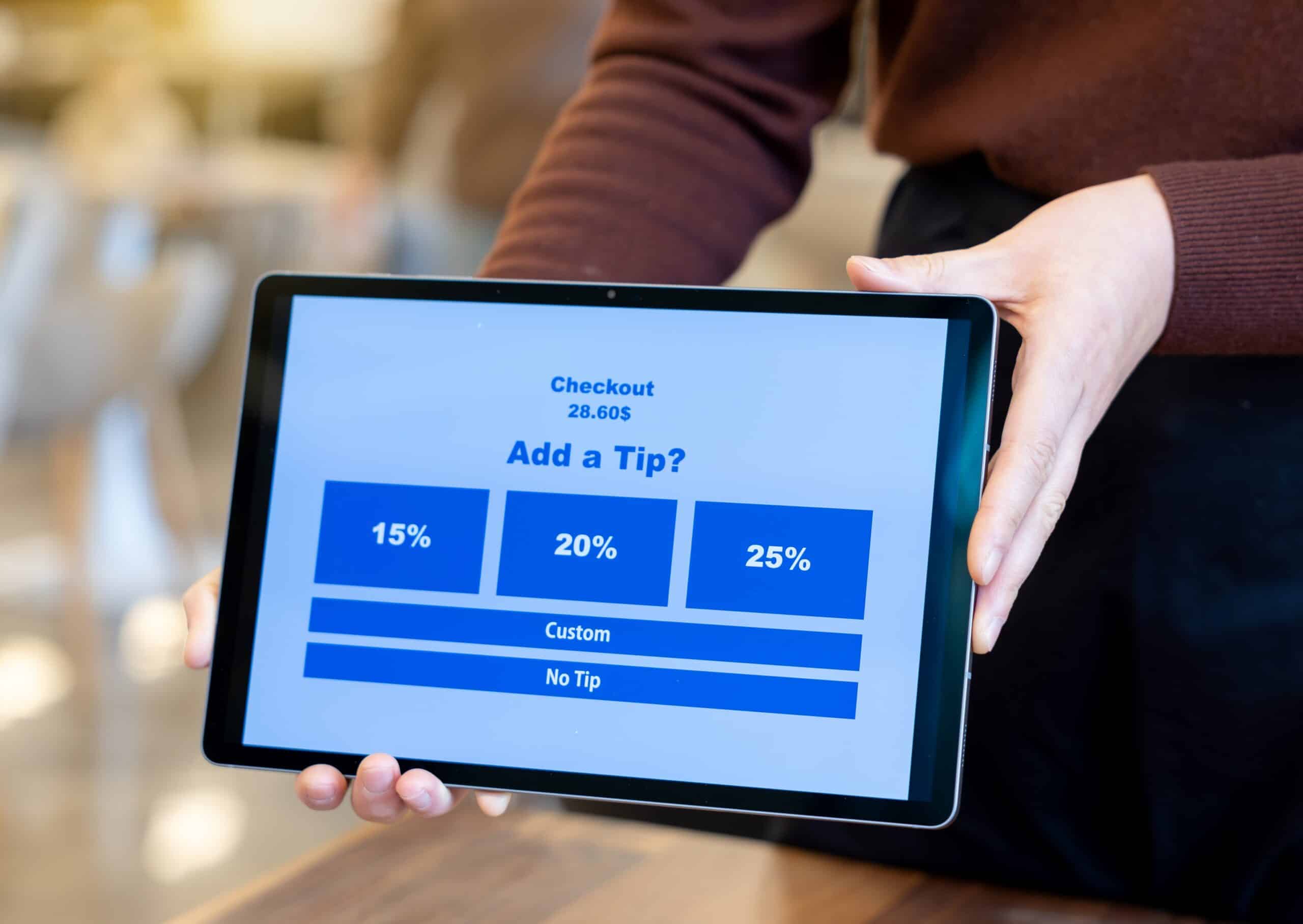
You grab a coffee, pick up lunch or pay for something that never used to involve tipping. Then the screen flips around: 15%, 20% or 25%? With an employee standing a few feet away, hitting “no tip” can suddenly feel strangely personal. That awkward little checkout ritual has become increasingly familiar, and Americans are questioning it. About 7 in 10 adults say tipping is expected in more places than it was five years earlier, while only about a third say figuring out when and how much to tip is very or extremely easy. Now, consumers are starting to draw their own lines, and these 10 places are where some are becoming more willing to say, “Not this time.”
Coffee Shops
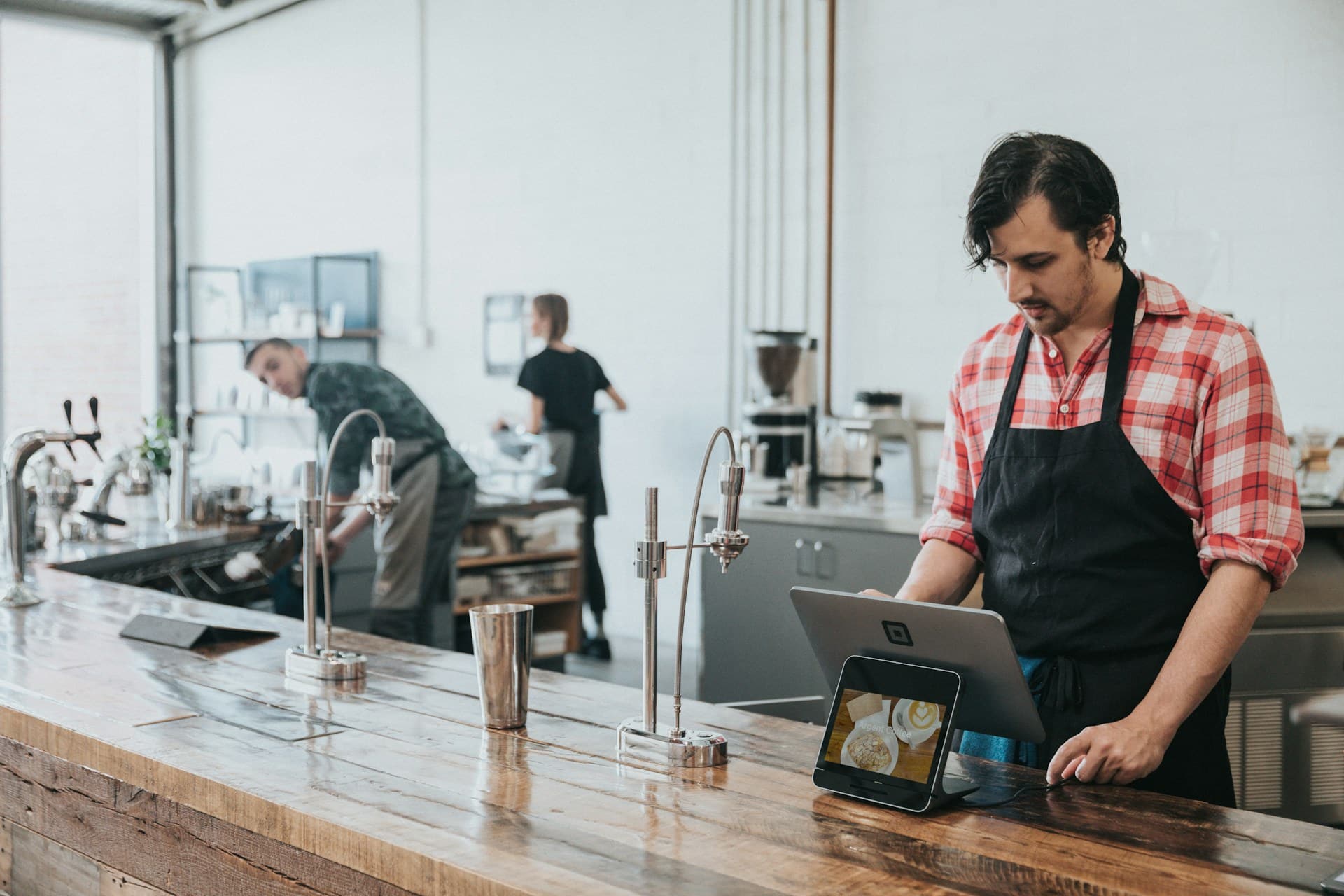
The coffee counter has become ground zero for what some call “guilt tipping.” Digital checkout systems can present suggested percentages even when a customer simply orders a basic drink and carries it away. Etiquette experts say tipping counter workers generally isn’t required because they earn a wage, although rewarding exceptional service remains an option. That distinction is making it easier for customers to press “no tip” without treating the decision as a breach of etiquette.
Fast Food
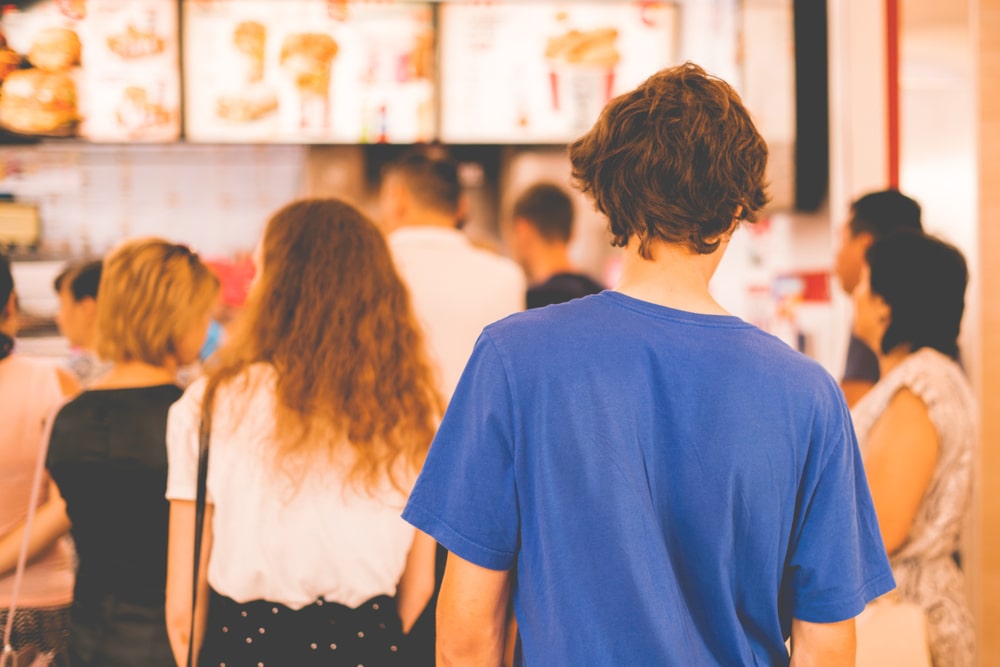
Fast food may be the easiest place for customers to reject the expanding tipping culture. Etiquette experts say tips aren’t generally required for counter service, even when a checkout tablet prominently asks for one. The 2026 survey similarly found Americans pulling back from tipping at fast-food restaurants. As digital payment prompts spread, this distinction may become increasingly important: seeing a tip option isn’t the same thing as encountering a long-established expectation to tip.
Hair Salons
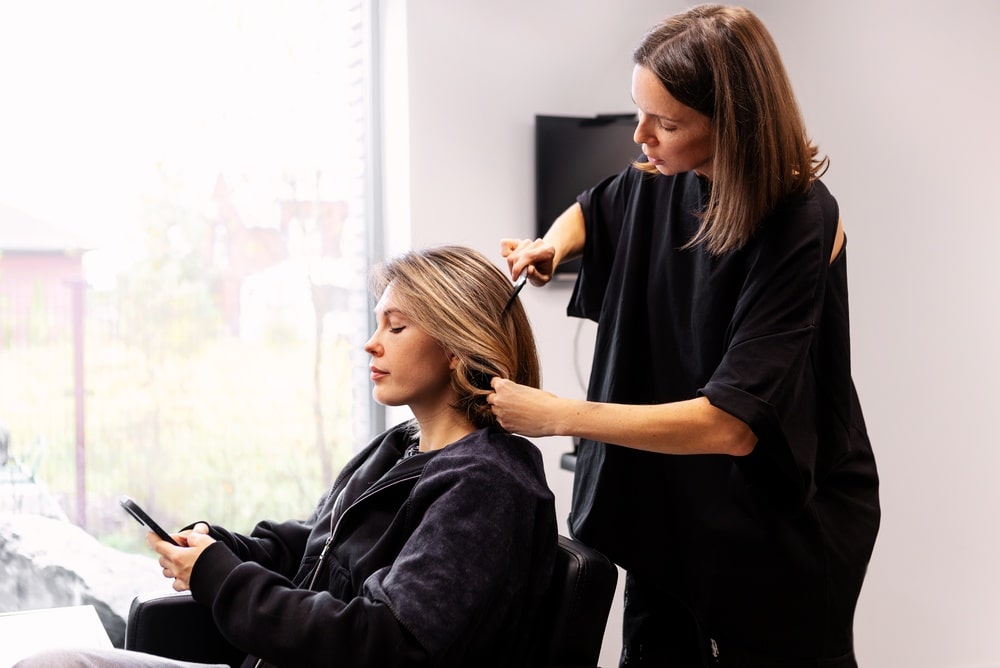
Haircuts and salon visits are traditionally tipped services, so the pullback here represents a more meaningful change in customer behavior. Around 18% of Americans surveyed said they planned to reduce what they tip at hair salons in 2026. Unlike counter service, gratuities for hairstylists remain customary. Etiquette experts also draw an important distinction for genuinely poor service: customers aren’t obligated to reward a bad experience simply because tipping is normally expected.
Grocery Delivery
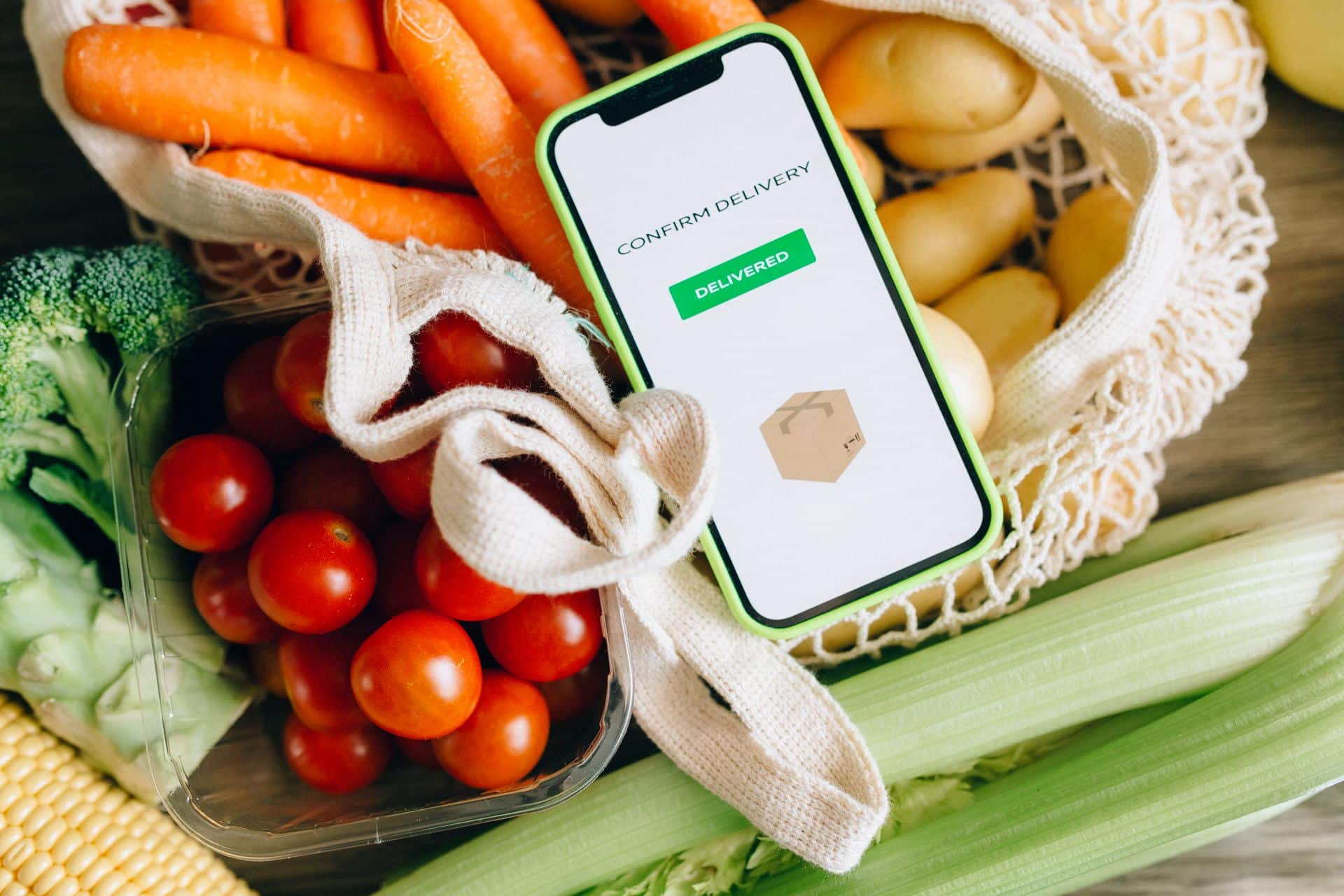
Having groceries arrive at the front door is convenient, but customers can see delivery charges and other fees before they ever reach the tipping screen. About 24% of Americans surveyed said they planned to reduce tips for grocery delivery in 2026. The frustration is understandable, but a delivery fee isn’t necessarily the driver’s tip. Tipping guidance still treats delivery drivers as service workers for whom gratuities are customary, making this one of the trickier places to cut back.
Auto Repair Shops
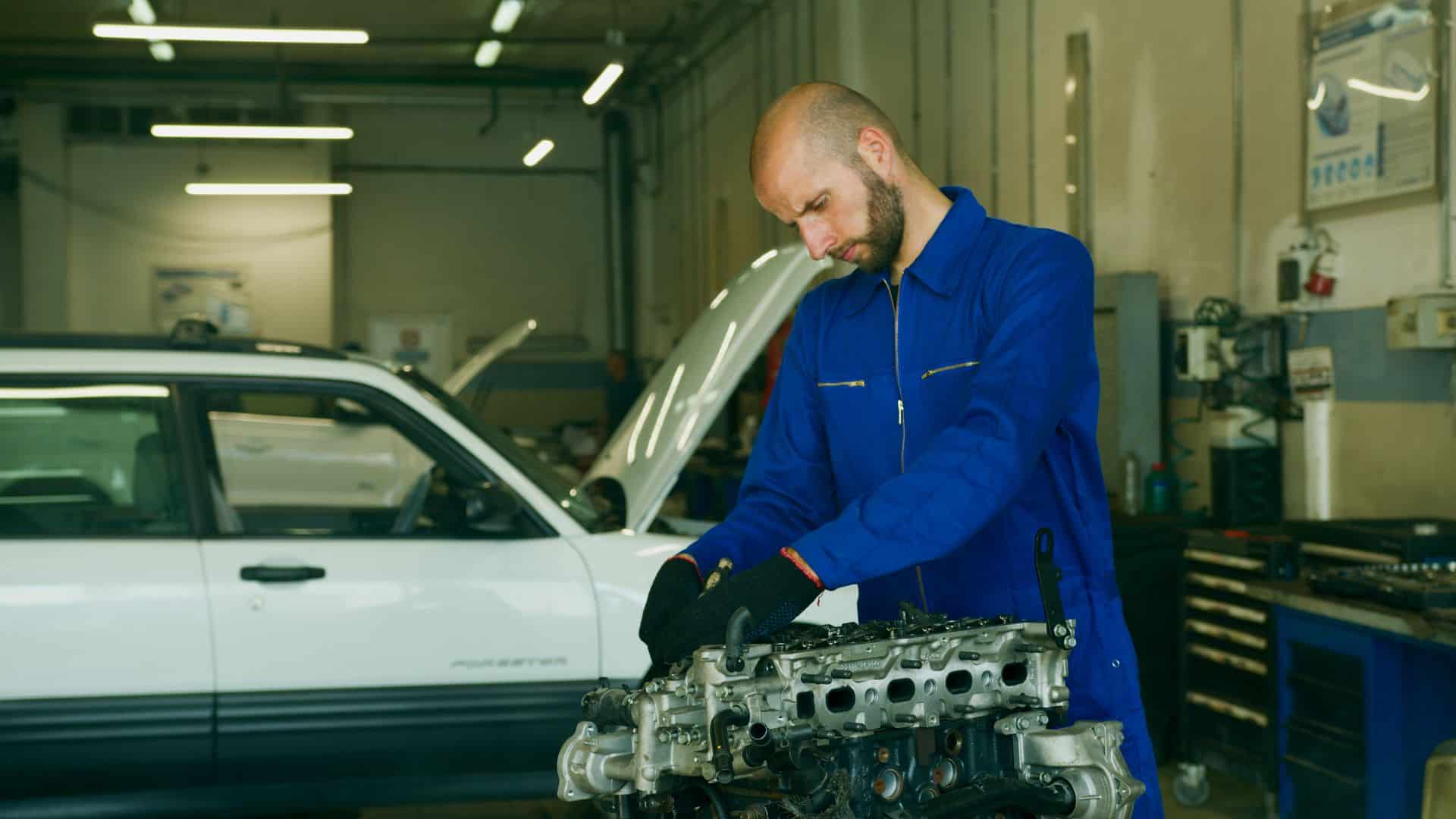
Getting a repair bill is expensive enough without wondering whether you’re supposed to add a gratuity. Nineteen percent of Americans surveyed said they were reducing tips at auto repair shops this year. Here, etiquette is much clearer than a payment screen might suggest. Experts say customers generally don’t need to tip people performing trades, a category that includes workers such as plumbers and technicians. A tip prompt doesn’t automatically create a new social obligation.
Restaurants
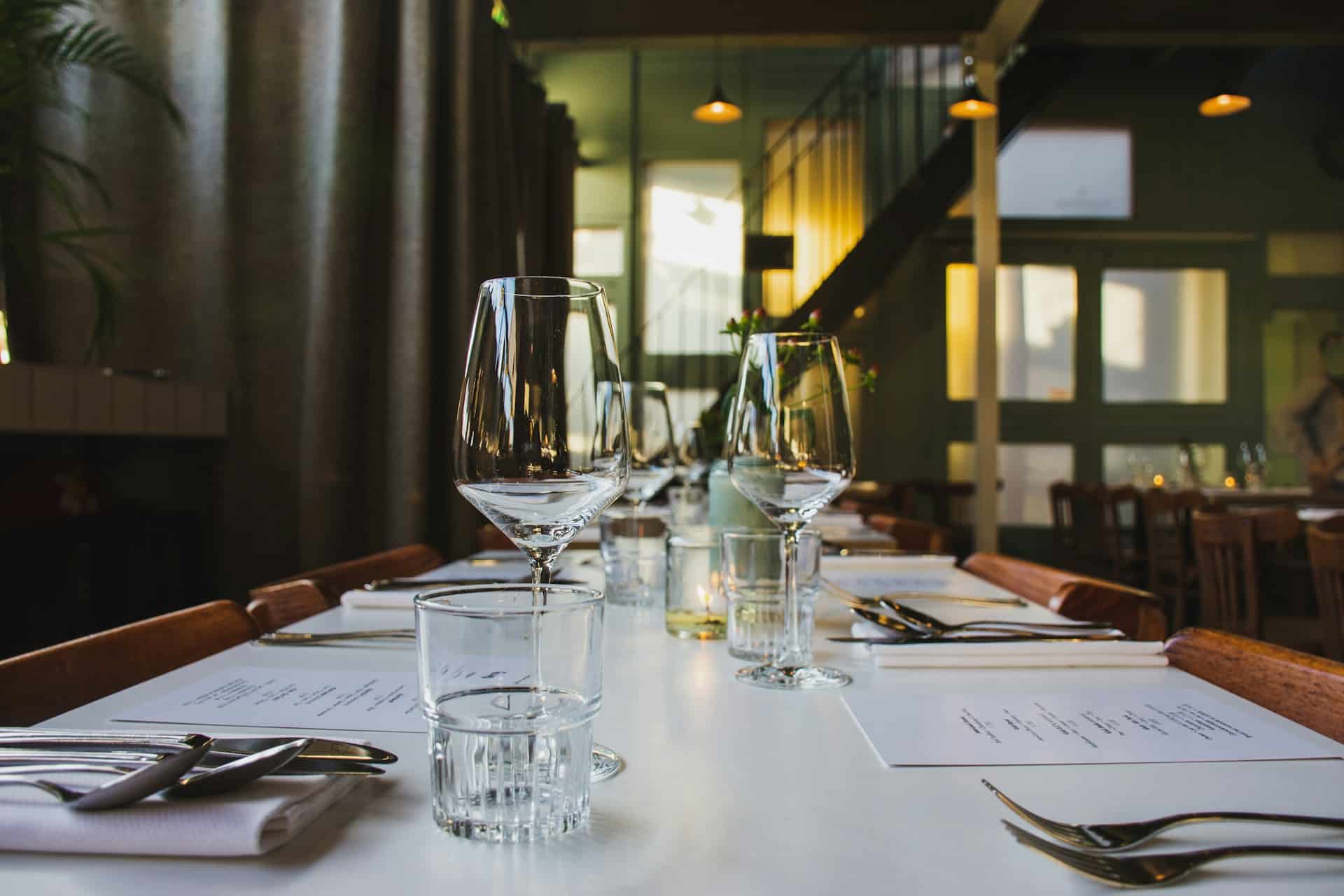
Sit-down restaurants are a different story because servers can depend heavily on gratuities. Still, 35% of Americans surveyed said they planned to reduce restaurant tips in 2026 as suggested percentages climb beyond the traditional 15% to 20% range. Etiquette experts continue to recommend tipping restaurant servers in most circumstances, however, especially because federal rules allow qualifying tipped workers to receive as little as $2.13 an hour in direct wages when other requirements are met.
Hotels
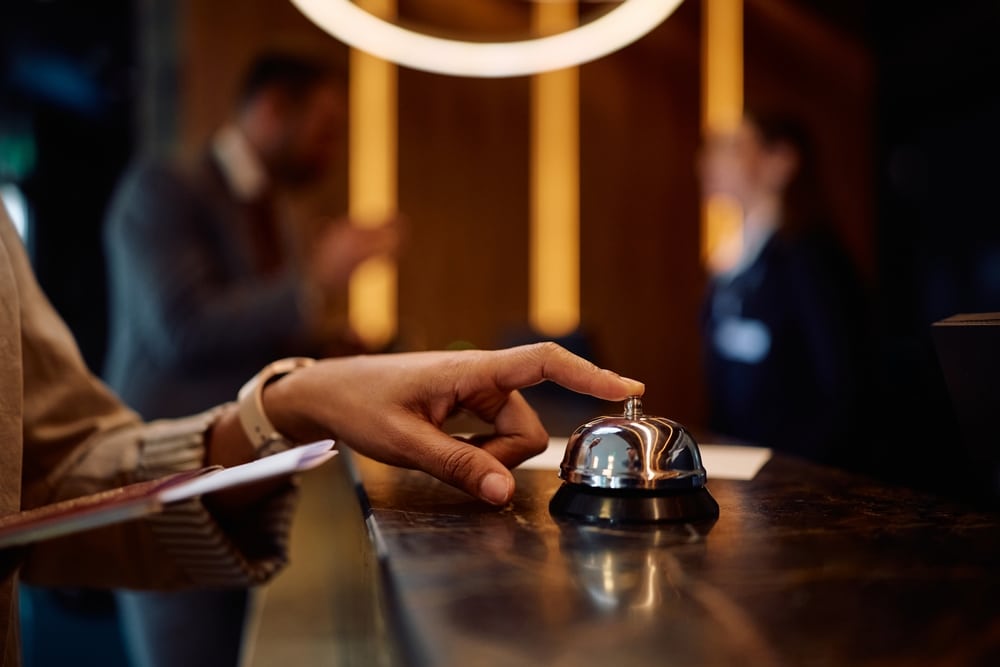
Hotels can create their own tipping puzzle. Guests may encounter bellhops, housekeeping employees and other workers during a single stay, making it difficult to know whom to tip and when. Nineteen percent of Americans surveyed said they were reducing tips for hotel staff this year. Traditional etiquette still treats hotel workers such as bellhops as customary tip recipients, so this is less about tipping suddenly becoming unnecessary and more about consumers reconsidering how much they’re willing to add.
Food Trucks
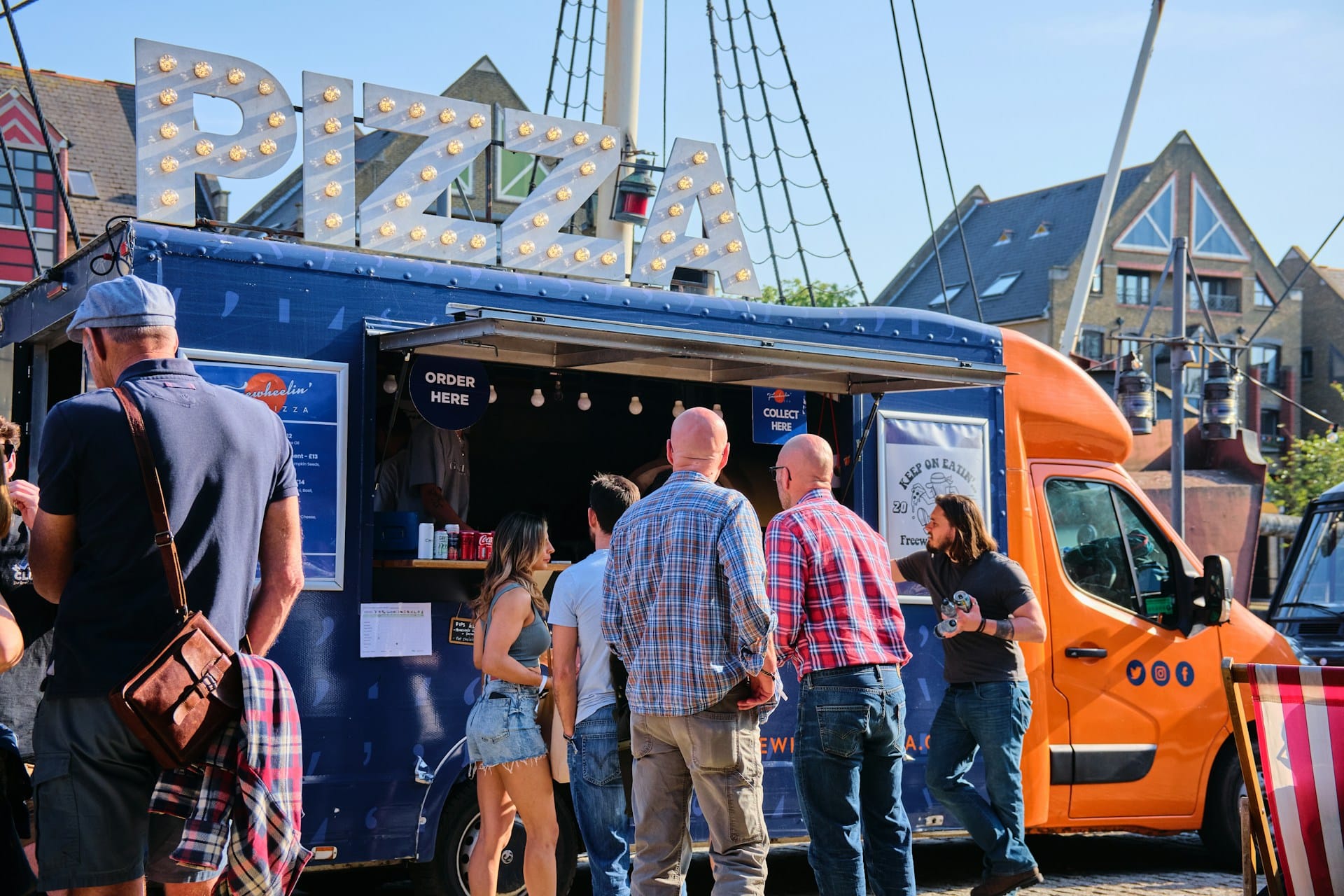
Food trucks sit awkwardly between restaurants and counter service. Customers typically walk up, order at a window and carry their own food away, yet the checkout screen may still request a restaurant-style tip. Americans surveyed are cutting back on food-truck gratuities in 2026. Etiquette guidance helps explain why some feel comfortable doing so: counter-service workers generally don’t require a tip, although customers can certainly leave one for particularly attentive or memorable service.
Taxis And Ride Shares
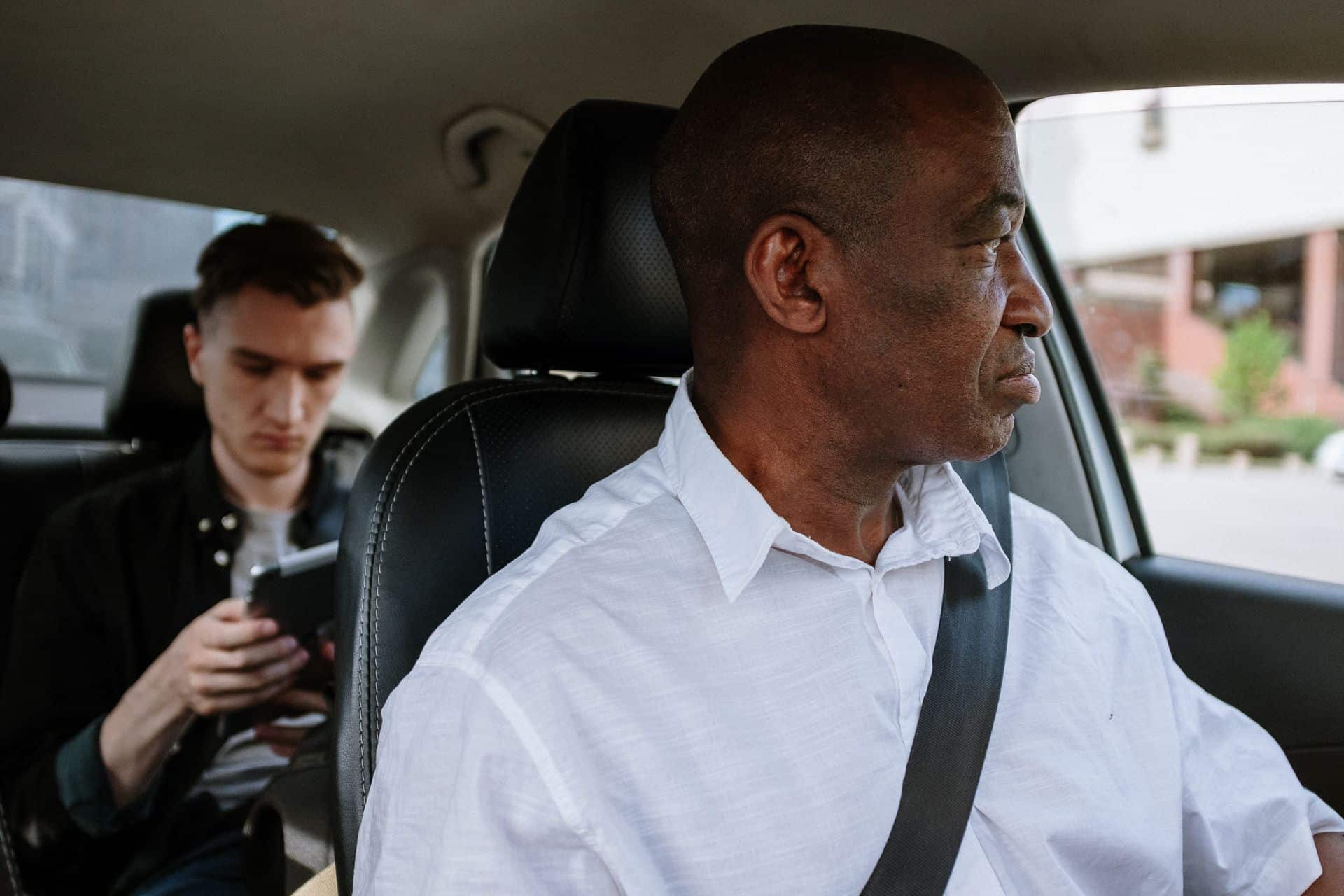
Tipping a driver has long been familiar territory, but even that habit is being reconsidered. Nineteen percent of Americans surveyed said they planned to reduce tips for taxis and ride shares in 2026. Part of the wider frustration comes from a feeling that customers are increasingly being asked to supplement workers’ pay themselves. Yet traditional etiquette still places drivers among service workers commonly tipped, so cutting back here has more direct consequences for workers than skipping the tablet at a counter.
Food Delivery
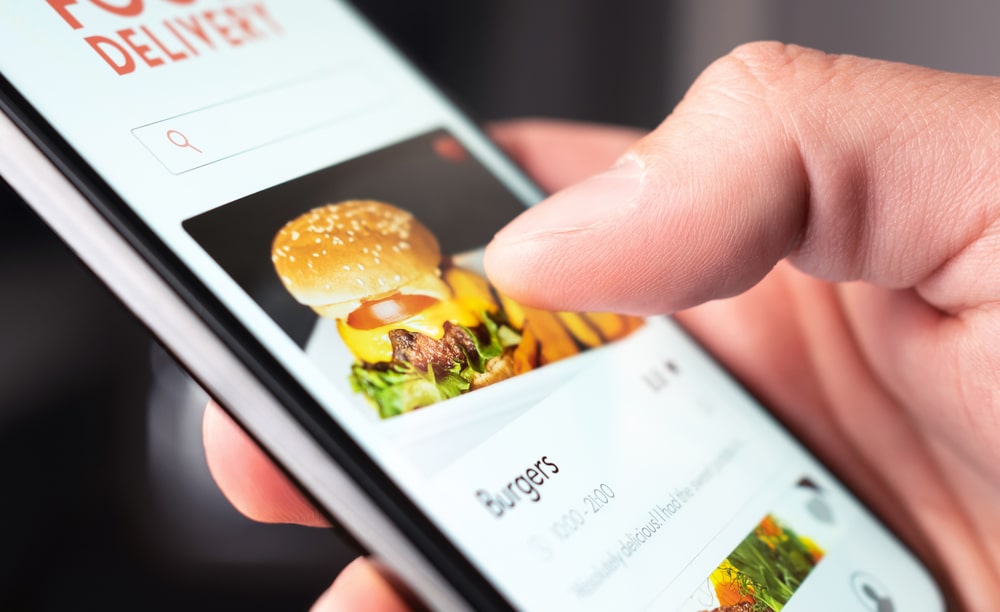
Restaurant delivery can make the final bill feel considerably larger than the menu prices, particularly after taxes, service charges and delivery fees appear. That helps explain why some Americans are pulling back on driver tips. But etiquette guidance still considers food delivery a tipped service, with one source suggesting roughly $3 to $5 per delivery and more during difficult weather. The checkout total may frustrate customers, but skipping the tip can affect the person who actually brought dinner to the door.
The Tip Screen Isn’t Going Away
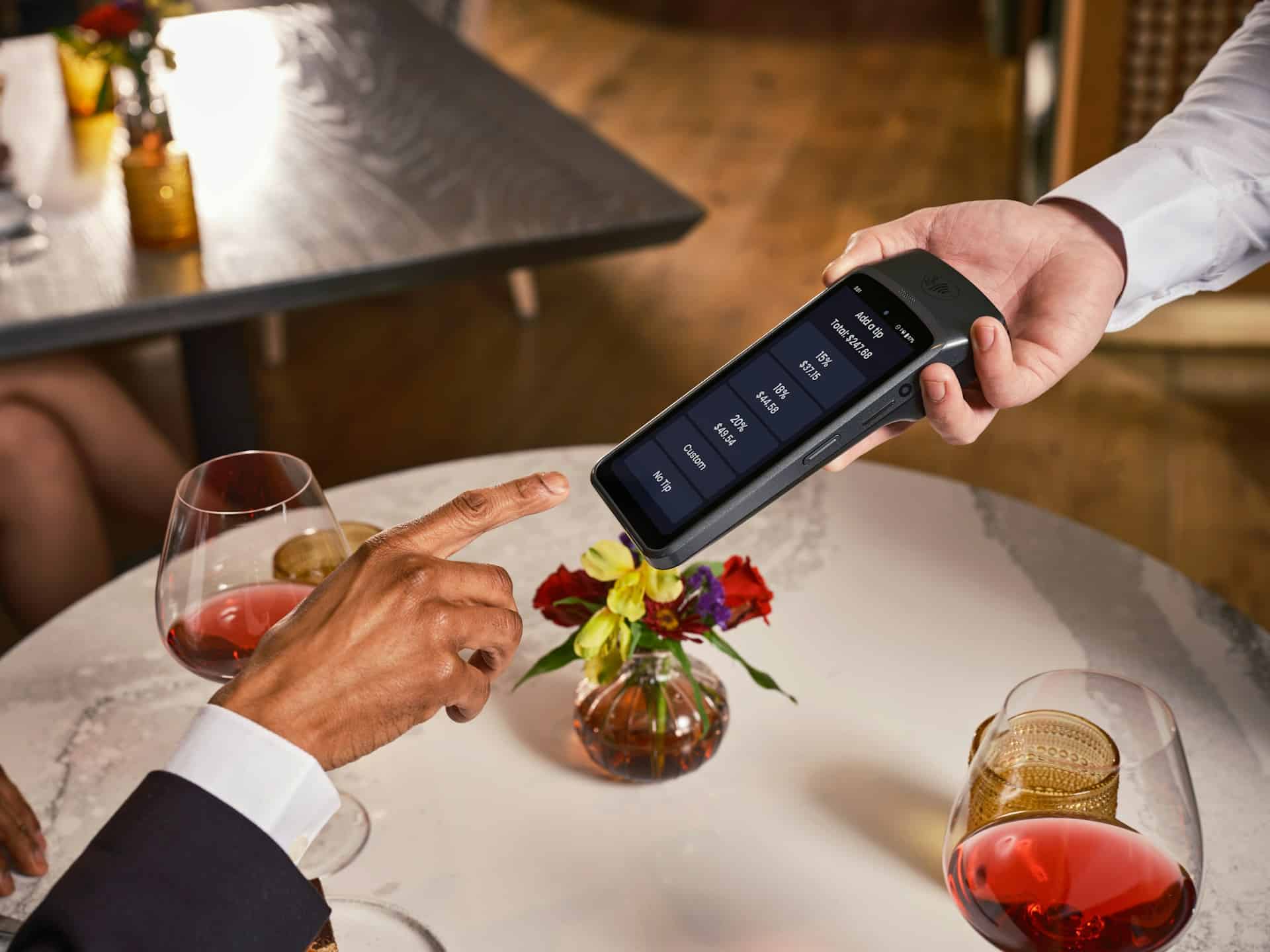
That awkward “No Tip” button probably isn’t disappearing anytime soon. But Americans appear to be getting more comfortable pressing it when the situation doesn’t feel like a traditionally tipped service. As tipping prompts keep popping up in unexpected places, the new rule may be simple: being asked for a tip doesn’t always mean you have to leave one.