Americans Love to Hate This Once-Popular Seafood Chain, but Is It Really That Bad?
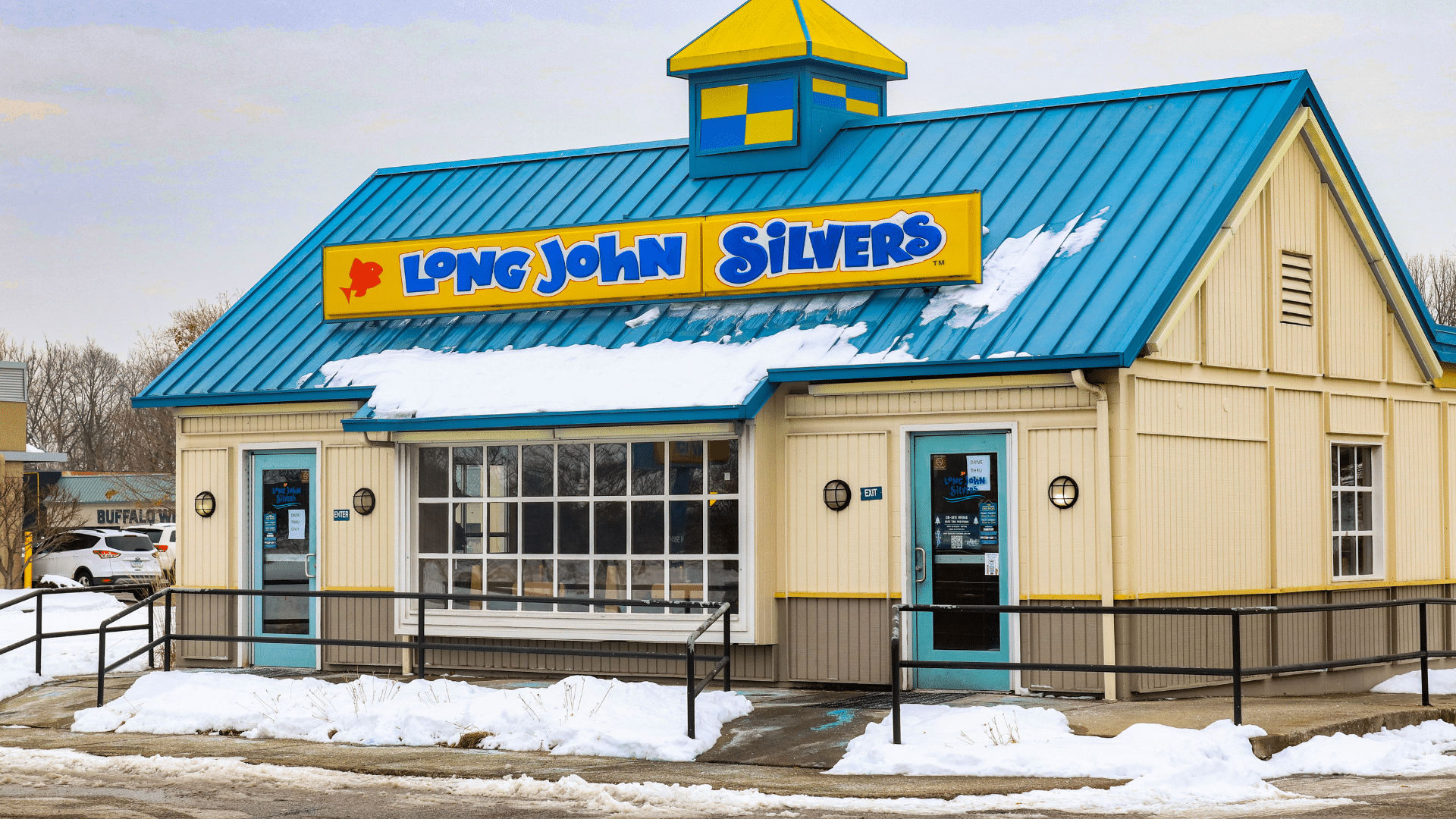

Fast-food restaurants have always had their loyal supporters and outspoken critics, but few seafood chains seem to inspire as much disagreement as Long John Silver’s. Once a familiar sight across the United States, the restaurant chain has experienced years of declining locations while facing criticism over its greasy fried food, inconsistent quality, and increasingly limited availability. Yet despite its reputation, some customers and food writers believe the chain deserves more appreciation than it receives.
In an October 11 article for The Takeout, food writer Dennis Lee revisited Long John Silver’s to find out whether the negative opinions surrounding the restaurant were justified. Rather than discovering a disappointing meal, he found that the chain’s signature battered fish still delivered the crispy texture, salty flavor, and satisfying crunch that made it recognizable in the first place. His experience raised an interesting question about whether the restaurant’s declining popularity actually reflects the quality of its food.
Long John Silver’s specializes in a type of fast food that remains relatively uncommon in America compared with burgers, chicken sandwiches, and pizza. Its menu focuses on battered fish, shrimp, chicken, hushpuppies, and fries, offering an accessible version of traditional fish and chips. While the chain’s footprint has shrunk considerably over the years, its familiar menu continues to attract customers who believe its reputation doesn’t tell the entire story.
Long John Silver’s Has Lost Restaurants, but Its Signature Fish Still Has Fans
Long John Silver’s has been serving seafood since 1969, building its identity around golden battered fish and affordable seafood meals. However, its restaurant count has declined dramatically, with The Takeout reporting that the chain has lost nearly half of its locations since 2019. That shrinking presence has made it harder for some customers to find a nearby restaurant, particularly in areas where competing fast-food brands dominate the market.
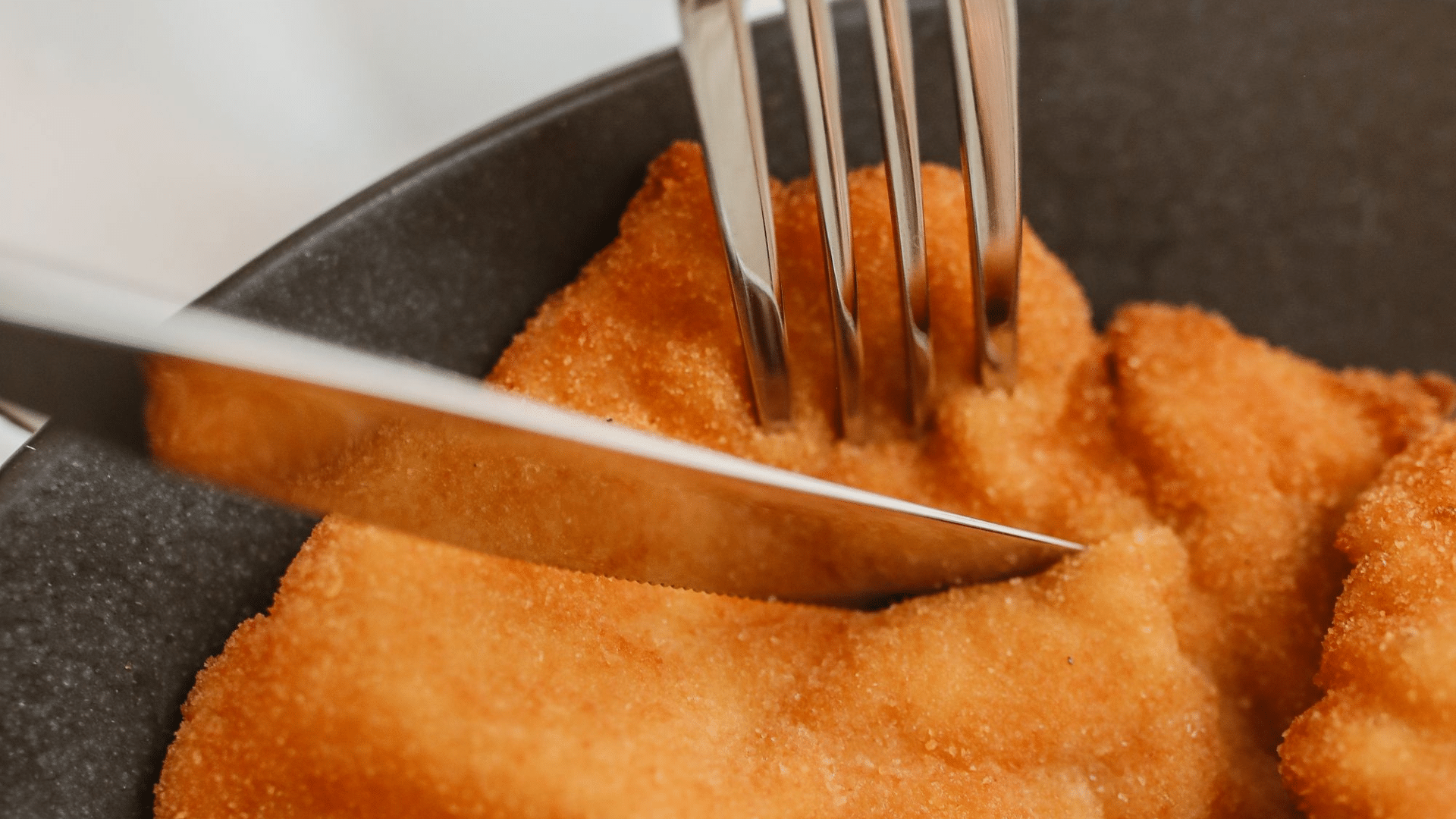
Despite the closures, Lee found that the chain’s most recognizable menu item still had plenty to offer. During his recent visit to a Chicago location operating alongside Taco Bell, he ordered the battered fish and praised its crispy exterior, flaky interior, and salty flavor. He also highlighted the small pieces of fried batter that accompany the meal, which have become a distinctive part of the Long John Silver’s experience for longtime customers.
The chain uses wild-caught Alaskan pollock for its signature battered fish, a mild white fish commonly used in commercial seafood products and fast-food sandwiches. The fish’s relatively delicate flavor allows the seasoned batter to play a major role in the overall taste, while its flaky texture provides a contrast to the crunchy coating. For customers who enjoy traditional fried fish, that familiar combination may explain why the restaurant continues to maintain a loyal following despite years of criticism.
The Greasy Food Complaints Aren’t Completely Unfair
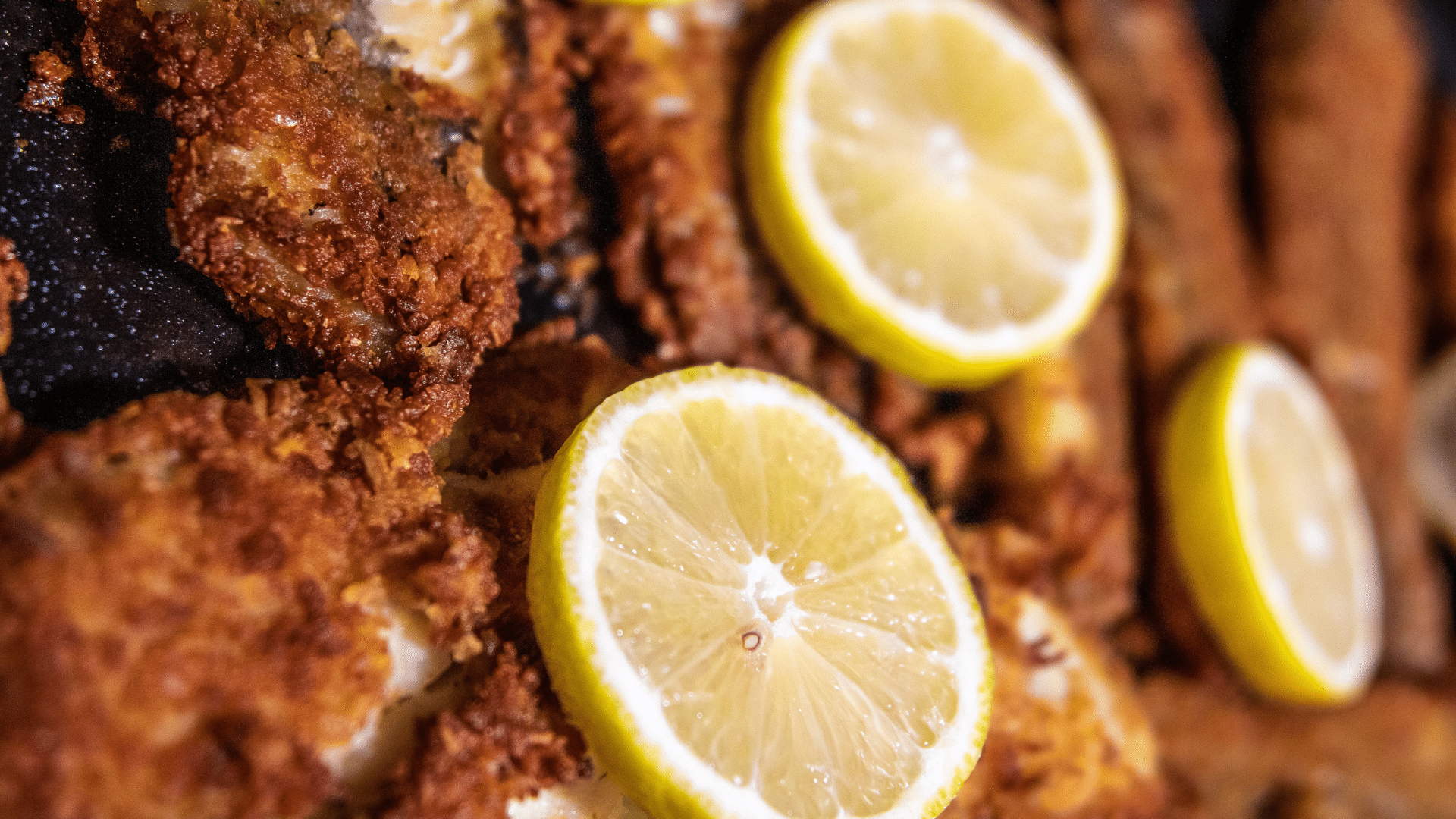
One of the most common criticisms surrounding Long John Silver’s is that its food can be excessively greasy, particularly when the battered fish or chicken isn’t served at its best. Some customers have complained about oily coatings, soggy textures, and portions that don’t always feel worth the price. Those concerns are not entirely surprising for a restaurant built around deep-fried seafood, but they can make a noticeable difference in whether someone enjoys the meal.
Lee acknowledged that the food is oily and suggested that smaller portions may be a more reasonable choice for customers who want to enjoy the restaurant’s signature flavors without overdoing it. However, he also found that the fish’s batter remained impressively crispy and held up well even after adding malt vinegar. He praised the waffle fries for their texture and described the hushpuppies as pleasantly balanced rather than excessively sweet, suggesting that the supporting menu items still have their strengths.
Not everything received the same enthusiasm. Although Long John Silver’s serves shrimp and chicken coated in similar batter, Lee was less impressed by the chicken, finding the seafood-style coating an unusual match. Other customers have expressed the opposite opinion, praising the chicken as one of the chain’s most underrated offerings. These differing experiences help explain why the restaurant’s reputation can be so divided, especially when food quality and preparation may vary between individual locations.
Long John Silver’s Might Be Better Than Its Reputation Suggests
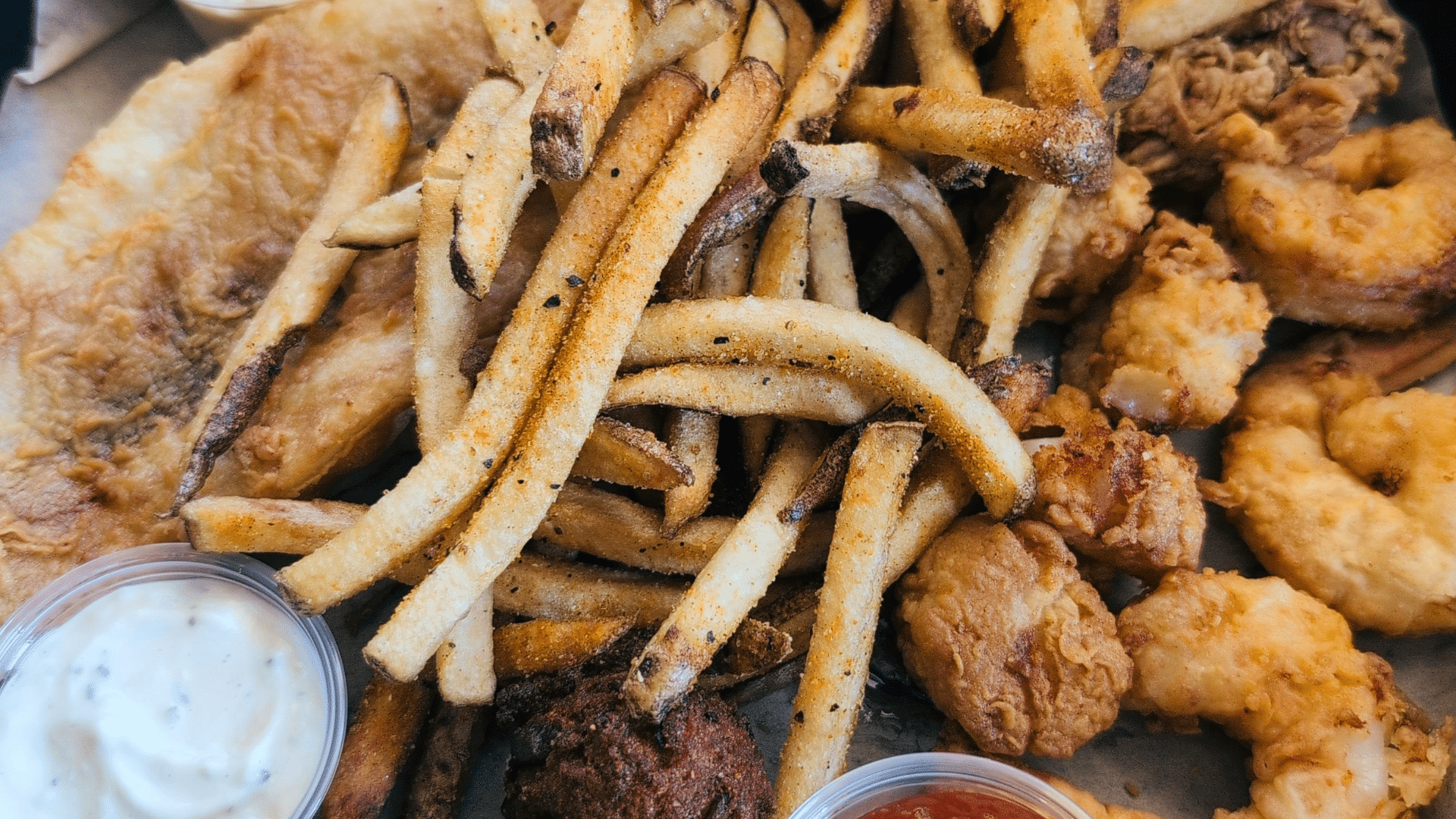
For some diners, Long John Silver’s appeal comes from its simplicity. While many fast-food restaurants continually introduce elaborate sandwiches, limited-time collaborations, and unusual menu combinations, the seafood chain continues to focus on familiar fried favorites. Customers looking for battered fish, shrimp, fries, and hushpuppies can still find the straightforward meals that helped establish the brand decades ago, even if there are fewer restaurants available today.
The chain also has a nostalgic quality that helps explain why some customers remain attached to it. For people who grew up visiting Long John Silver’s, the crispy batter, signature fried crumbs, and distinctive seafood baskets can bring back memories of family meals and affordable restaurant outings. That emotional connection doesn’t erase legitimate concerns about grease, pricing, or inconsistent service, but it does show why the chain still has defenders who believe its food deserves another chance.
Ultimately, whether Long John Silver’s is worth visiting depends largely on what customers expect from a fast-food seafood restaurant. Someone looking for a light, freshly grilled seafood dinner may not find the experience appealing, while a person craving crispy battered fish and traditional sides could come away satisfied. The Takeout’s recent visit suggests that Long John Silver’s may not be nearly as disappointing as its online reputation implies, even as its shrinking footprint and mixed customer experiences continue to shape how Americans view the once-widespread chain.