Bananas May Be Doing More for Your Blood Pressure Than You Realize
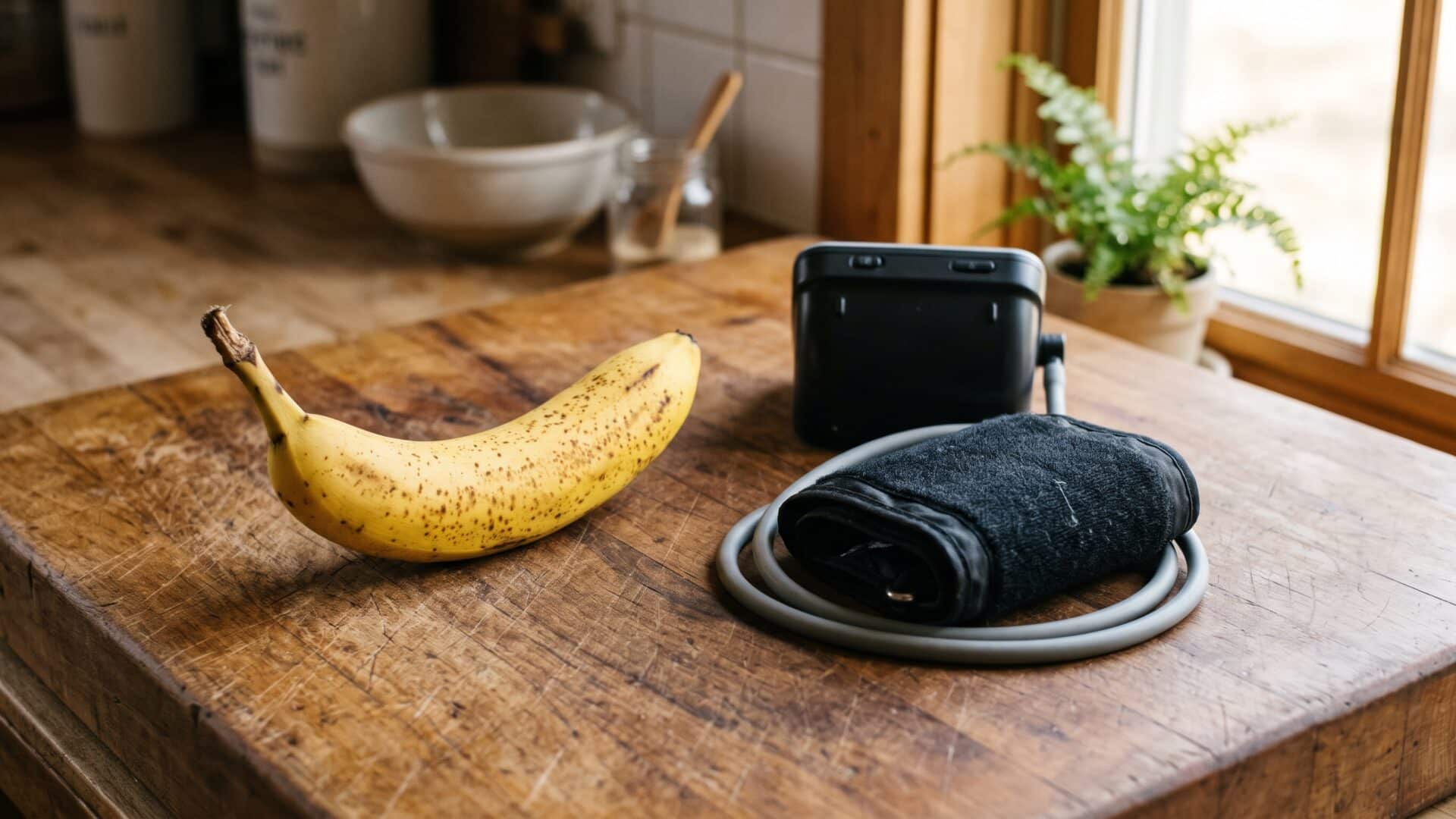

Cut back on salt is advice almost everyone has heard. The other half of the same equation, getting more potassium, gets far less attention, and the stakes aren’t small: the CDC puts high blood pressure at 48.1 percent of US adults, about 119.9 million people. Bananas sit right in that gap. One medium banana, about 118 grams, carries 422 milligrams of potassium in USDA data. Dietitian Michelle Routhenstein says bananas “often get a bad rap for their sugar content,” while helping lower blood pressure in several ways. The first thing potassium does has nothing to do with your arteries. It starts in the kidneys.
This article was created with the assistance of AI and reviewed by our editorial team for accuracy and clarity.
What potassium does once it reaches the kidneys
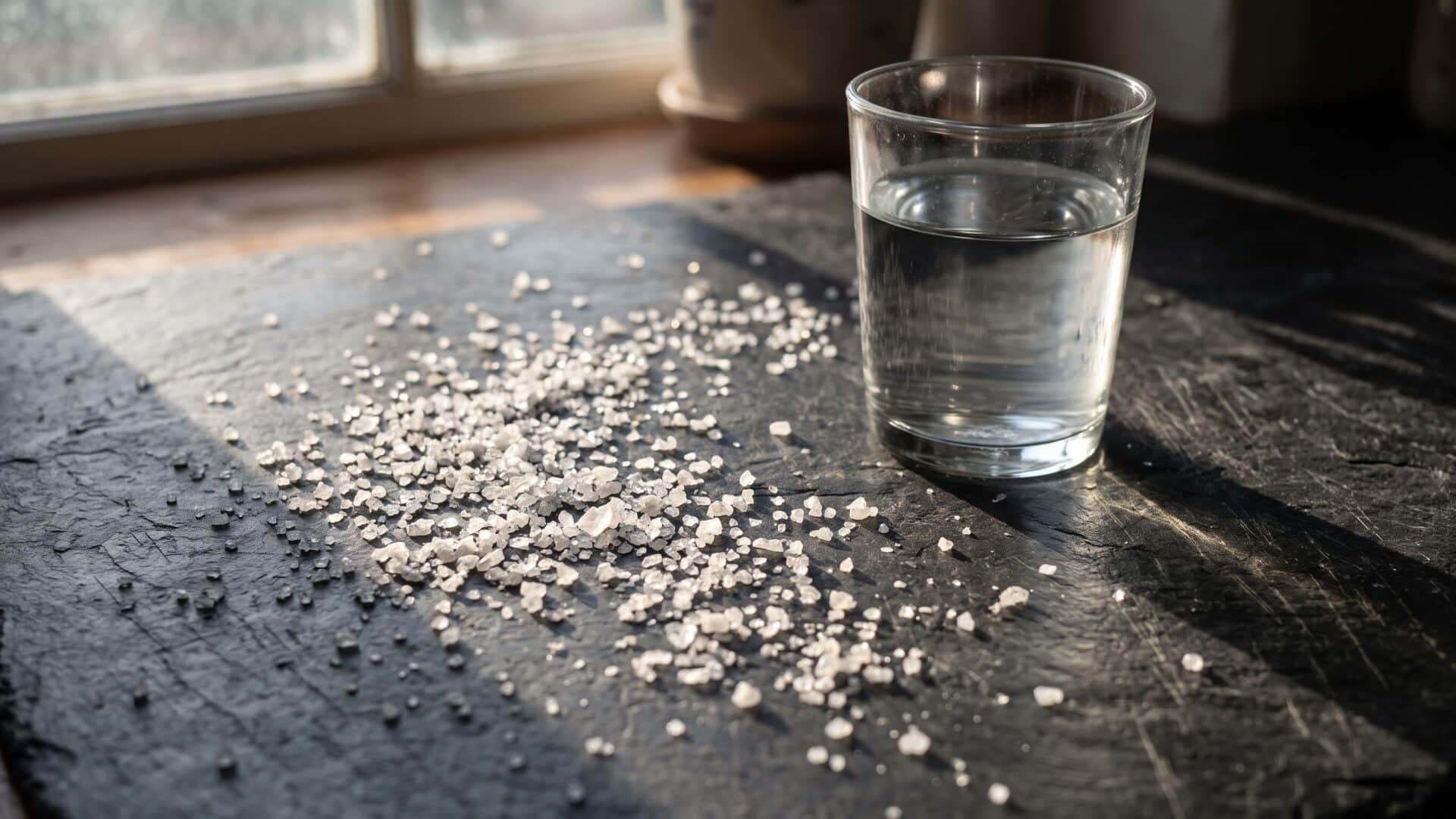
Your kidneys decide how much sodium stays in the body, and potassium leans on that decision. Sheri Gaw, RDN, describes potassium as a mineral that works by “filtering sodium out of the kidneys,” restoring fluid balance and relaxing blood vessels. Extra sodium holds extra water in the bloodstream, and more volume in the same vessels means more pressure. Americans take in about 3,400 milligrams of sodium a day on average, well above the federal limit of 2,300 milligrams, so the balance usually tips the wrong way before potassium gets a vote. That 422 milligram figure sounds generous until you set it beside a daily target.
Why 422 milligrams covers more than the label suggests
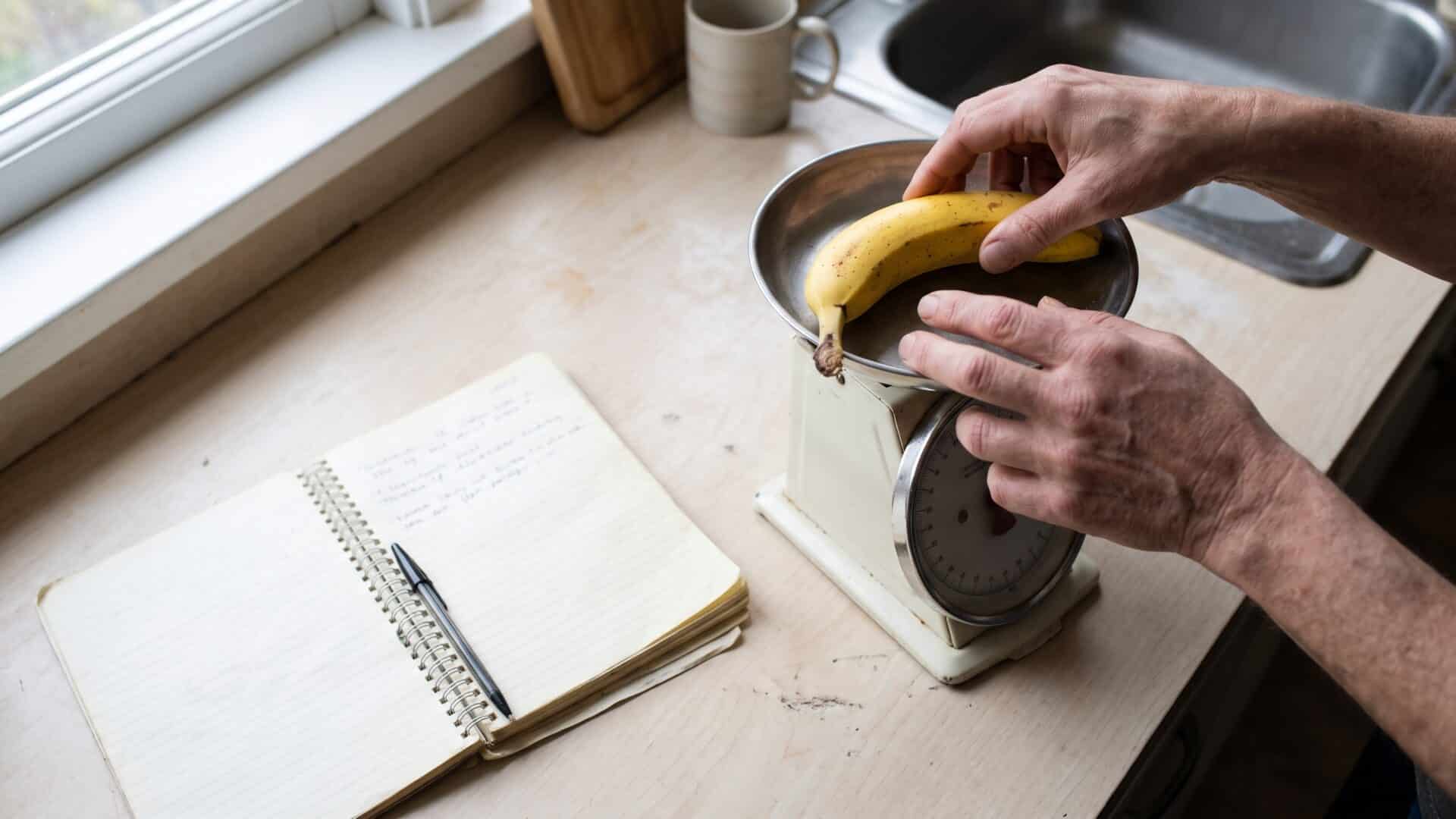
The National Academies set the adequate intake for potassium in 2019 at 3,400 milligrams a day for men and 2,600 for women. A banana covers roughly 12 percent of the first figure and 16 percent of the second. The shortfall is the more useful comparison. Men average about 3,016 milligrams a day from food and women about 2,320, by NIH figures, leaving gaps of roughly 384 and 280 milligrams. One banana more than closes either one. Nutrition labels make it look smaller, because the percent daily value on packaging still uses an older 4,700 milligram target, which turns 422 milligrams into 9 percent. A guideline published in August 2025 put a number on the advice itself.
The 2025 guideline that set a potassium number

That guideline landed in August 2025, when the American Heart Association, the American College of Cardiology and eleven other medical organizations published the first full rewrite of US blood pressure guidance since 2017. For adults with elevated pressure or hypertension, it recommends moderate potassium intake, ideally from food rather than pills. Summaries of the guideline place moderate at 3,500 to 5,000 milligrams a day. The sodium advice held at under 2,300 milligrams, and under 1,500 where that’s workable. One carve out runs through the whole recommendation: it doesn’t apply to people with chronic kidney disease or on drugs that slow potassium removal, who need their levels watched. Potassium isn’t the only thing in a banana working on vessel walls.
The antioxidants in bananas act on vessel walls

Bananas also carry catechins, the family of plant antioxidants found in green tea and cocoa. Routhenstein says those compounds help blood vessels dilate and cut oxidative stress and inflammation in vessel walls, both of which can push pressure up. That’s a mechanism rather than a measured result, because the work behind it describes how the compounds behave, not how many points of pressure a banana moves. Potassium still carries the weight of the guideline evidence. The catechins do explain why whole fruit keeps appearing in dietary advice while potassium pills don’t, since a supplement delivers the mineral and none of the rest. The third route only works if you eat the banana before the peel turns fully yellow.
Green tipped bananas feed gut bacteria differently

Bananas with green still on the tips carry resistant starch, a starch that passes through the small intestine undigested. It arrives in the colon intact, where gut bacteria ferment it. Ripening turns that starch into sugar, so the same banana loses it as the peel yellows and spots. A medium banana also supplies about 3 grams of fiber. Routhenstein says emerging research suggests a healthy gut may be linked to lower blood pressure, and emerging is the honest word for it: this route rests on the gut’s effect on pressure, which is far less settled than the sodium and potassium balance. For anyone with diabetes, the 14 grams of sugar in that banana come first.
The sugar question matters most with diabetes
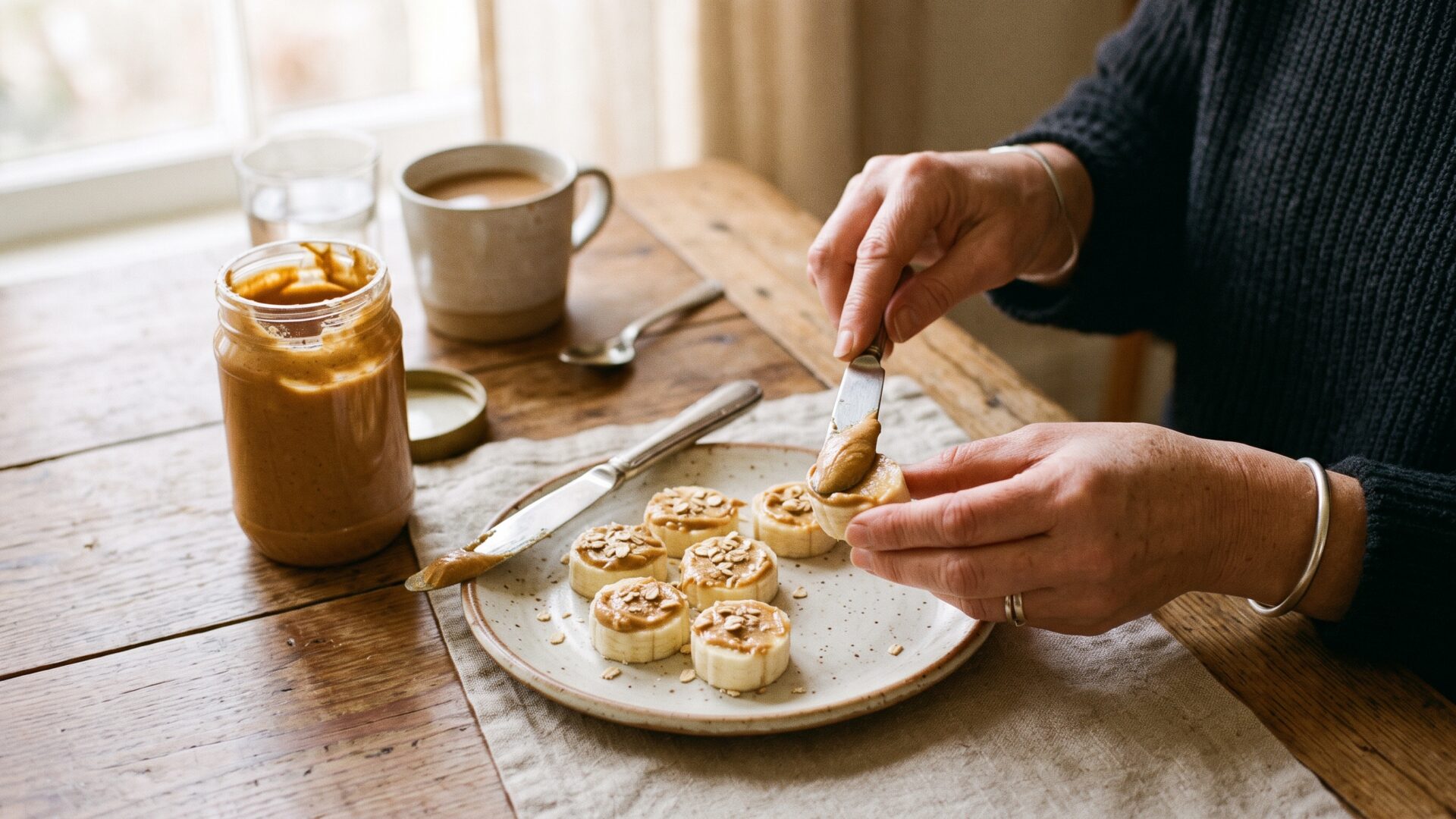
A medium banana holds about 14 grams of natural sugar and 105 calories. Gaw says a banana can spike blood sugar in people with diabetes, and that it’s most likely when the fruit is eaten on its own. Protein and fat slow that rise, which is why she pairs fruit with a tablespoon of peanut butter, a handful of nuts or a slice of cheese. Ripeness matters here too, since the starch that survives in a green tipped banana has become sugar by the time the peel is freckled. Both dietitians call a daily banana fine for most healthy adults. Kidneys do the clearing, which is why the advice shifts when they aren’t working well.
Weak kidneys change the potassium math entirely

Healthy kidneys clear the potassium the body doesn’t need. Chronic kidney disease slows that export, so potassium can build up in the blood, and Gaw says that build up can lead to heart and muscle problems. People with kidney disorders may be told to limit potassium rich foods, bananas among them. The 2025 guideline draws the same line, setting those patients outside its potassium recommendation and calling for checks on serum potassium, the amount circulating in blood, if intake rises. The caution is about what the body can clear, not about anything wrong with the fruit. Some common blood pressure pills do to potassium what weak kidneys do.
Four drug classes that hold potassium in the body

The 2025 guideline names four drug classes that slow potassium removal: ACE inhibitors such as lisinopril and benazepril, ARBs such as losartan and valsartan, potassium sparing diuretics such as amiloride and triamterene, and mineralocorticoid receptor antagonists such as spironolactone and eplerenone, which block a salt holding hormone. Most are prescribed for blood pressure, which is the strange part. The pill and the fruit push potassium in the same direction, so the guideline asks for monitoring when both are in play. Routhenstein says anyone on a medication that can raise blood potassium, or who has been told to restrict it, should ask their provider whether bananas fit. One other fruit has an actual millimeter of mercury number behind it.
Other fruits with a blood pressure case
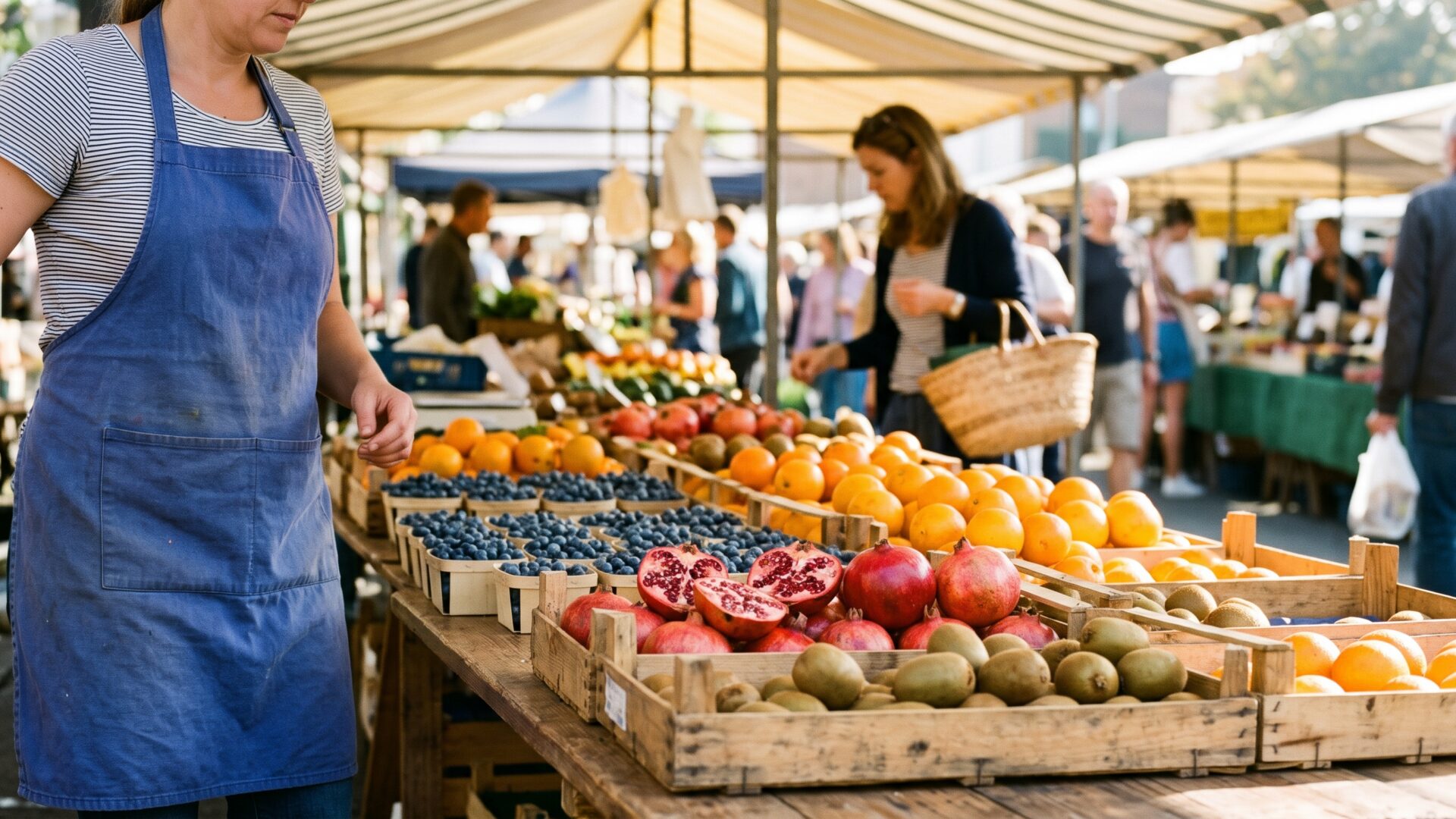
Bananas aren’t the only fruit with a case. Pomegranates supply polyphenols, though most of that research used juice rather than seeds. Gaw points to kiwi for vitamin C and actinidin, compounds tied to nitric oxide, which widens vessels. Oranges bring potassium, vitamin C and a peel that survives a day in a bag. Berries carry the sharpest number. In a King’s College London trial in the American Journal of Clinical Nutrition, 61 adults aged 65 to 80 took 26 grams of freeze dried wild blueberry powder, about 178 grams of fresh berries, or a placebo daily for 12 weeks. Systolic pressure measured across 24 hours ran 3.59 points lower in the blueberry group. The Wild Blueberry Association of North America funded the work.