Before You Eat Those Grapes, Take a Closer Look at That White Coating
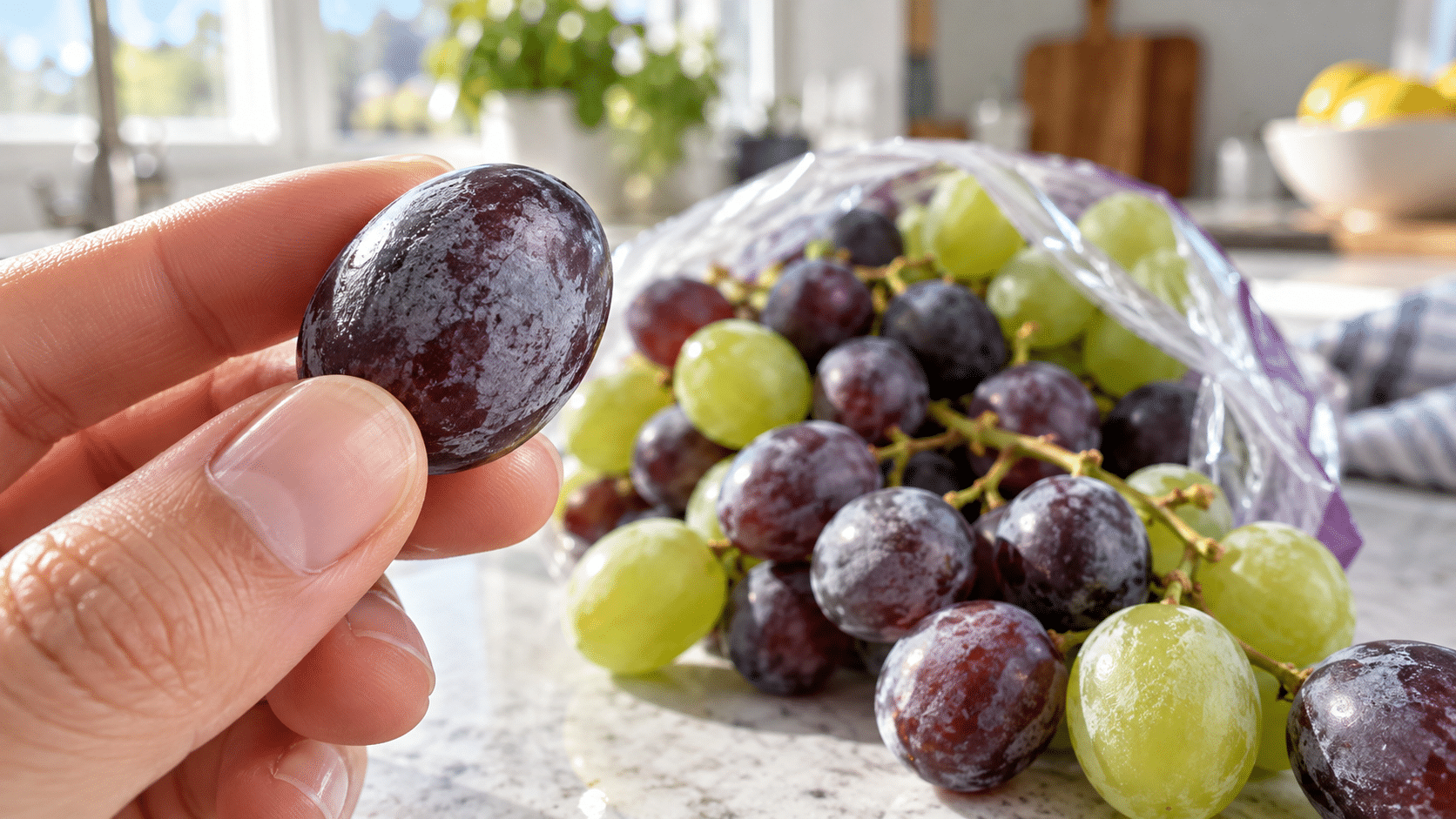

You open a fresh bag of grapes and there it is: a cloudy white coating that looks suspiciously like something growing on your snack. Before you toss the whole bunch, look closer. That dusty film is usually bloom, a naturally occurring waxy coating produced by the fruit. It’s harmless to eat and actually helps grapes stay fresh. In other words, the grapes that look a little “dirty” may be perfectly fine.
This article was created with the assistance of AI and reviewed by our editorial team for accuracy and clarity.
Think of Bloom as a Grape’s Built-In Raincoat
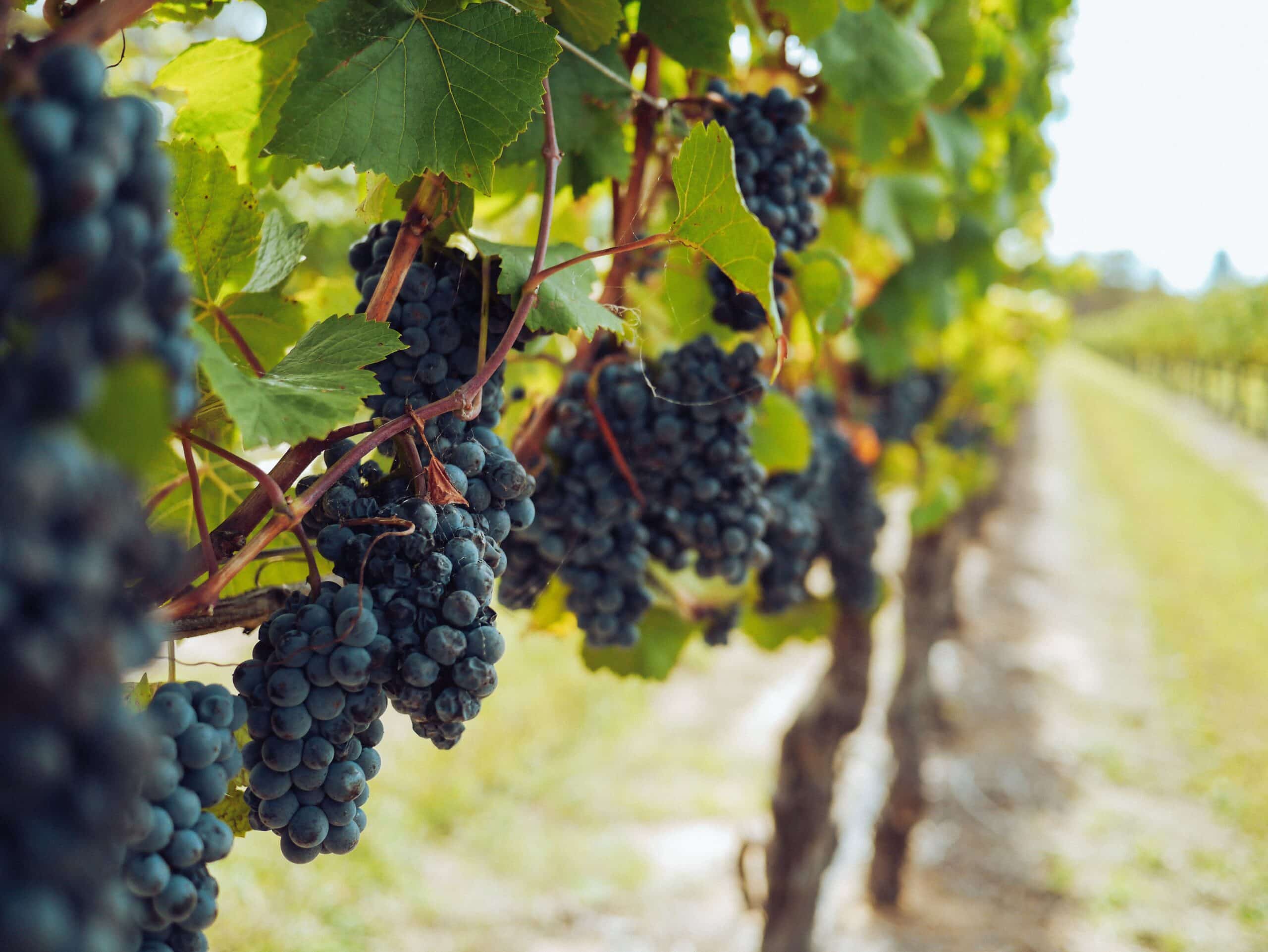
Bloom, also called epicuticular wax, isn’t there by accident. It forms a protective barrier around the grape, helping reduce moisture loss while shielding the fruit from environmental stress and microorganisms. Similar coatings appear naturally on blueberries, plums, pears and apples. That slightly frosted appearance is therefore doing useful work long before the fruit reaches your refrigerator. Nature basically gave grapes their own protective packaging.
More White Stuff Can Actually Mean Fresher Grapes
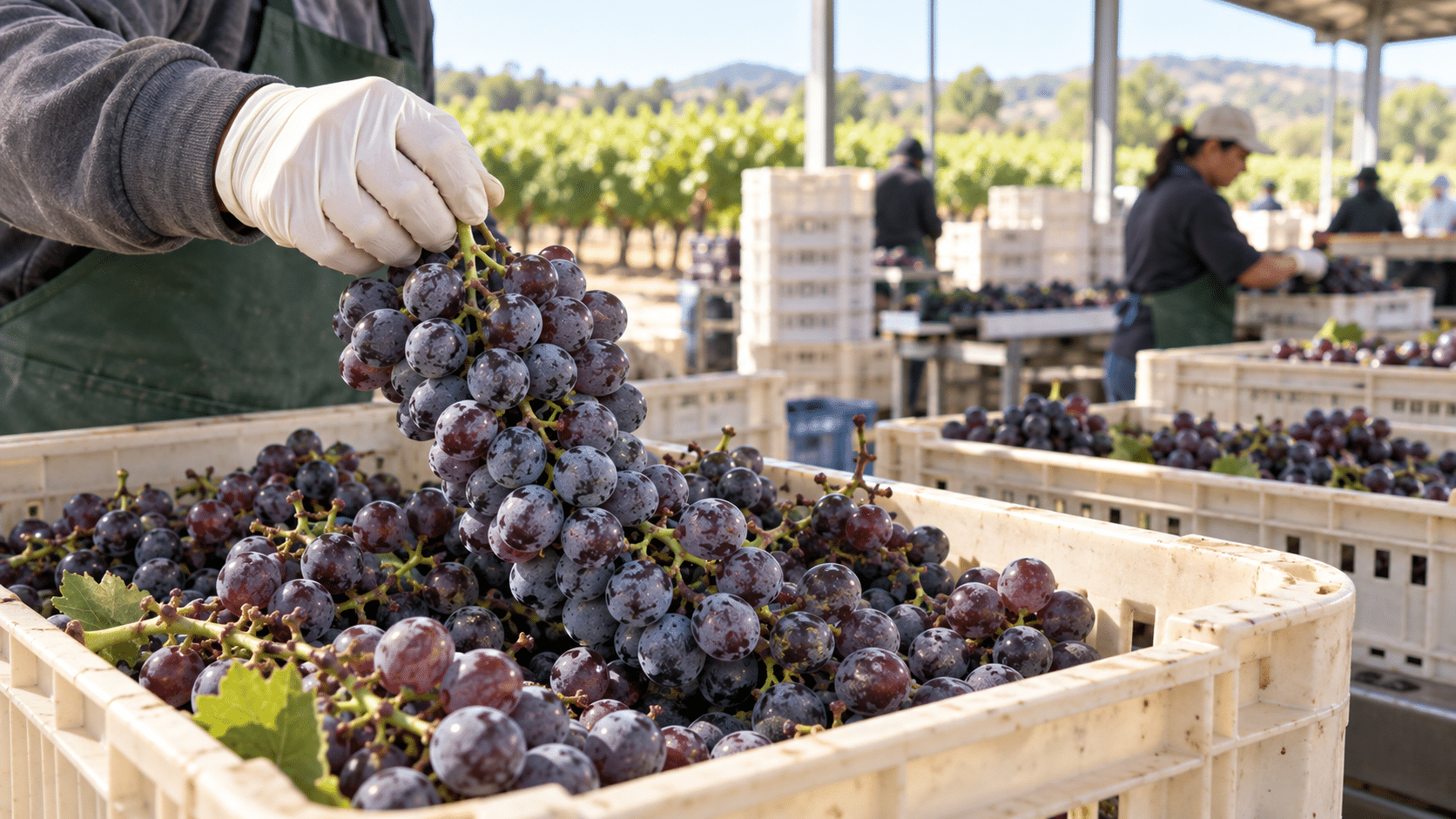
Here’s the part that feels backward: those powdery-looking grapes can sometimes be the ones worth grabbing. Bloom rubs off easily as grapes are picked, packed, transported and handled. A bunch that still has plenty of its coating may therefore have been handled less. Southern Living notes that visible bloom can be a sign of freshness, while older or more heavily handled grapes often lose some of that frosty finish.
But Yes, White Stuff Can Also Be Mold
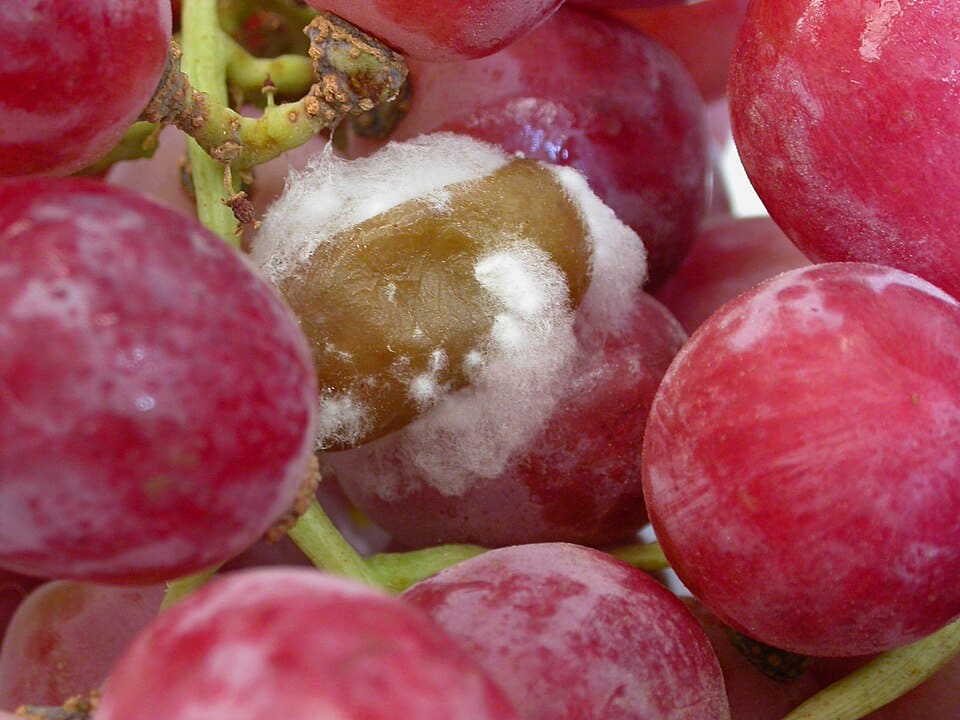
This is where your hesitation in the produce aisle becomes useful. Normal bloom usually forms a thin, fairly even, dusty or waxy layer. Mold is more likely to look thick, fuzzy or patchy, particularly around the stems. A gardening discussion about powdery grapes showed why appearances alone can confuse people: commenters initially called the coating normal, while others pointed to cracked, misshapen grapes as evidence of possible powdery mildew.
Your Fingers Can Help Solve the Mystery
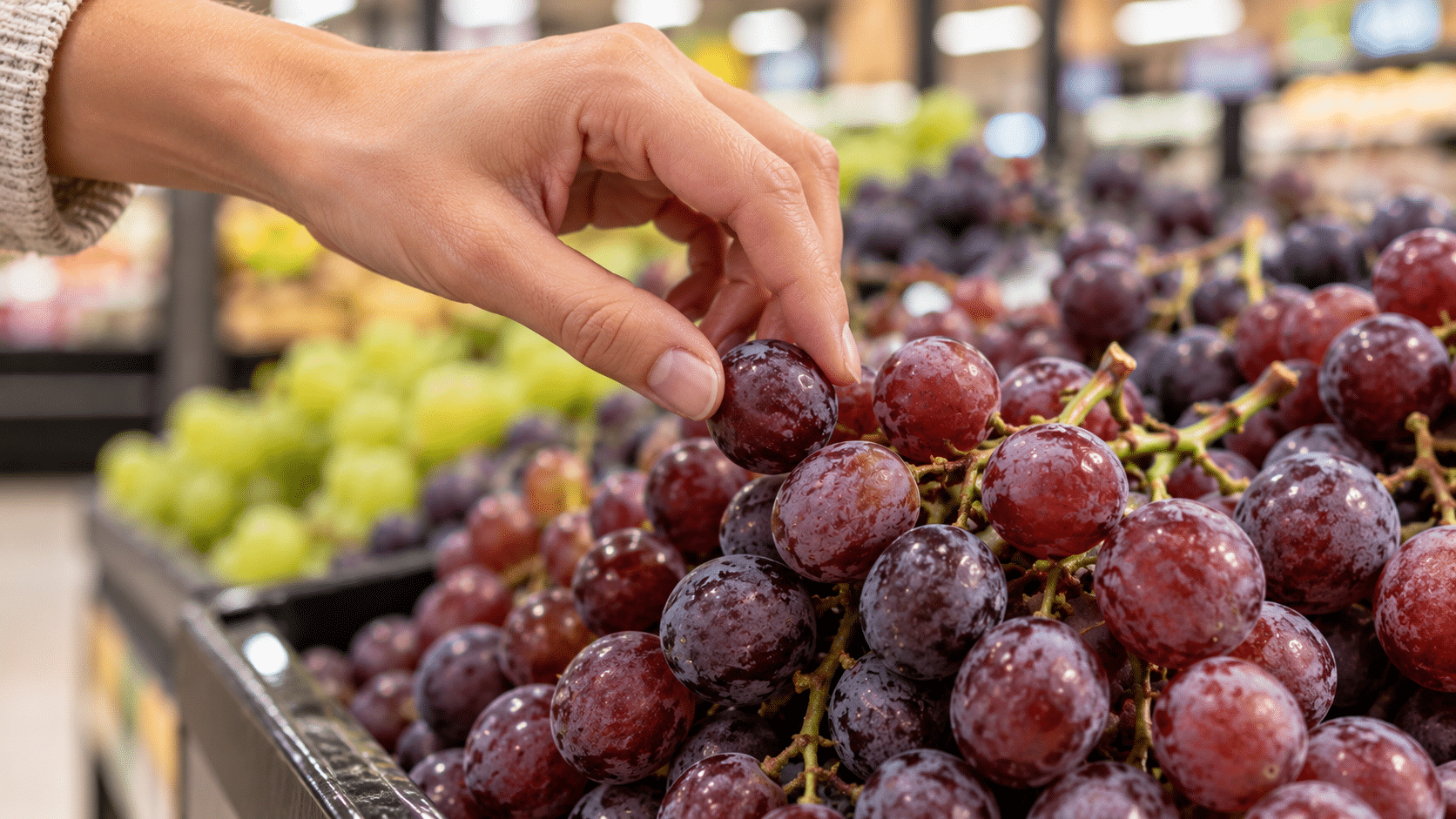
Still staring at the bunch thinking, “Bloom or mold?” Try the rub test. Natural bloom wipes away fairly easily when touched, while mold generally won’t rub off cleanly. Texture gives you another clue. Healthy grapes should feel firm and plump. Mushy fruit, grapes that burst with very little pressure, or berries with brown or black spots deserve more suspicion than an innocent layer of white dust.
Your Nose Gets a Vote, Too
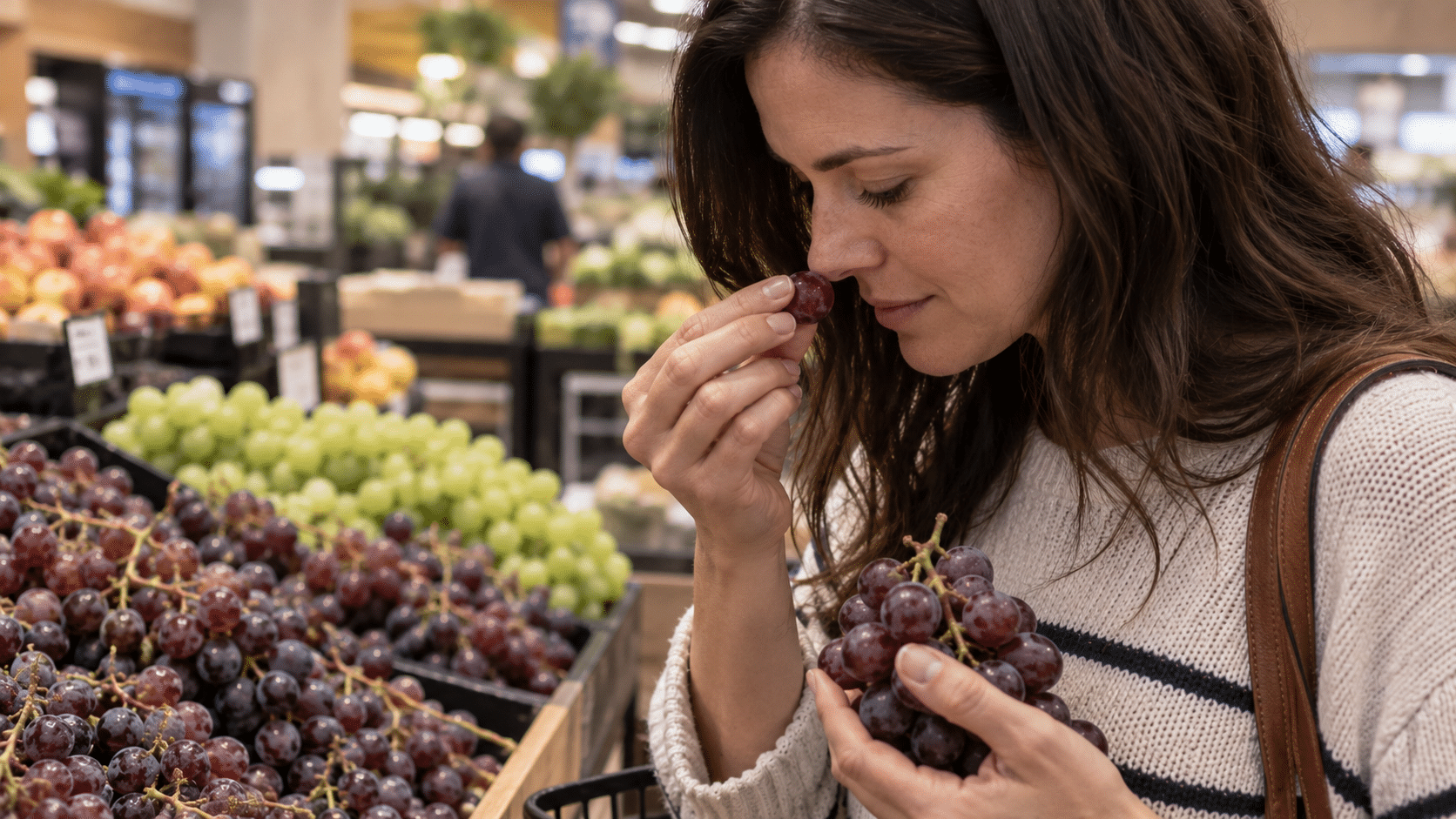
Sometimes grapes tell you they’ve gone bad before you inspect every berry. Shriveling, leaking juice, soft spots and an off smell are all spoilage warnings. A vinegary odor is another reason to leave a bunch behind. The practical rule is simple: don’t judge grapes on whiteness alone. A dusty coating on firm, fresh-smelling fruit is very different from fuzz sitting on collapsing, wet or sour-smelling grapes.
Yes, You Should Still Wash Them
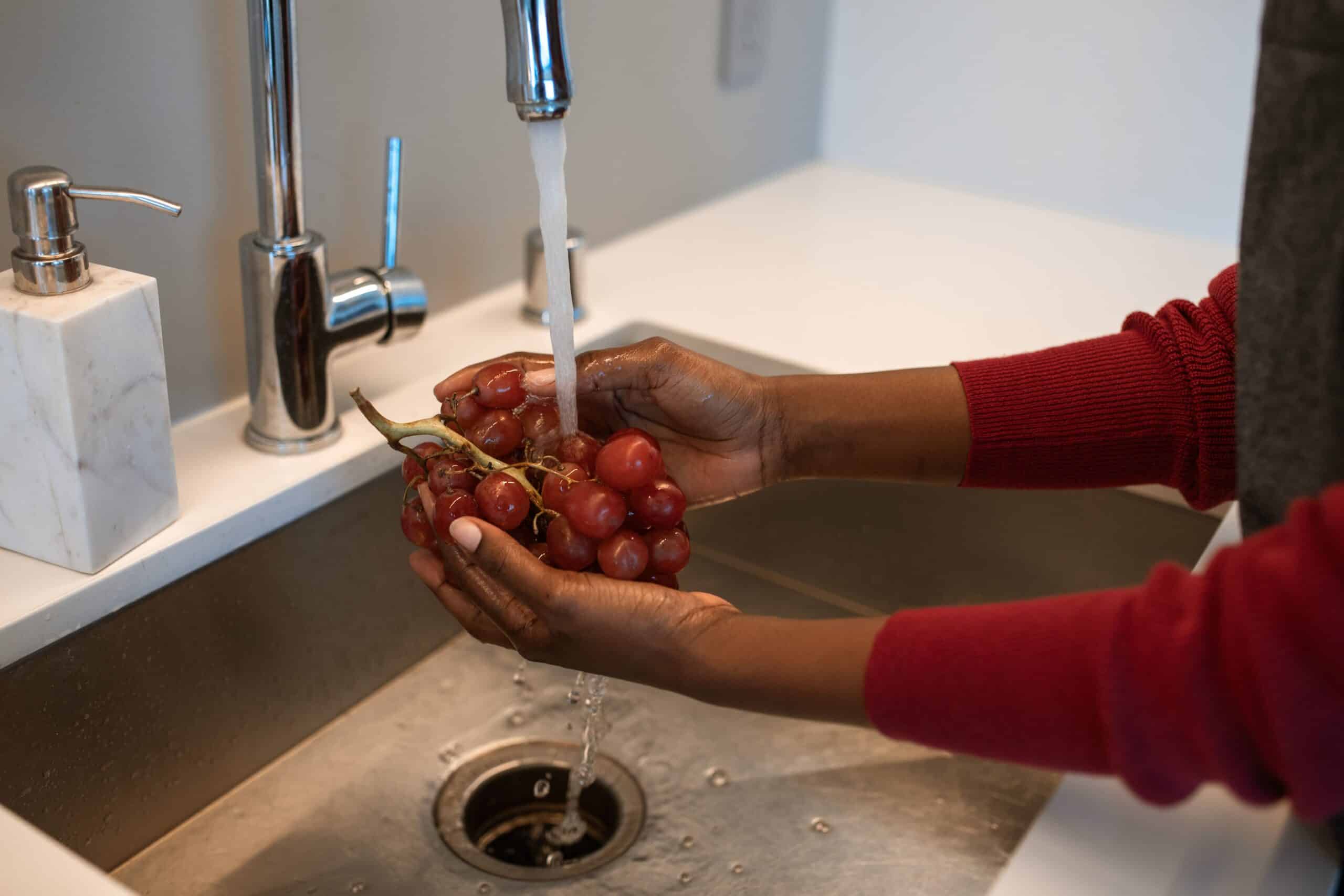
Bloom may be safe, but that doesn’t make an unwashed bunch ready to eat. Grapes can pick up dirt and other residues while being harvested, transported, displayed and handled. Washing also removes bloom if its chalky appearance bothers you. The simplest takeaway is to rinse grapes thoroughly under cool running water before eating them. That gets rid of the harmless coating while also cleaning away material you actually don’t want on your snack.
Just Don’t Wash the Whole Bag Too Early
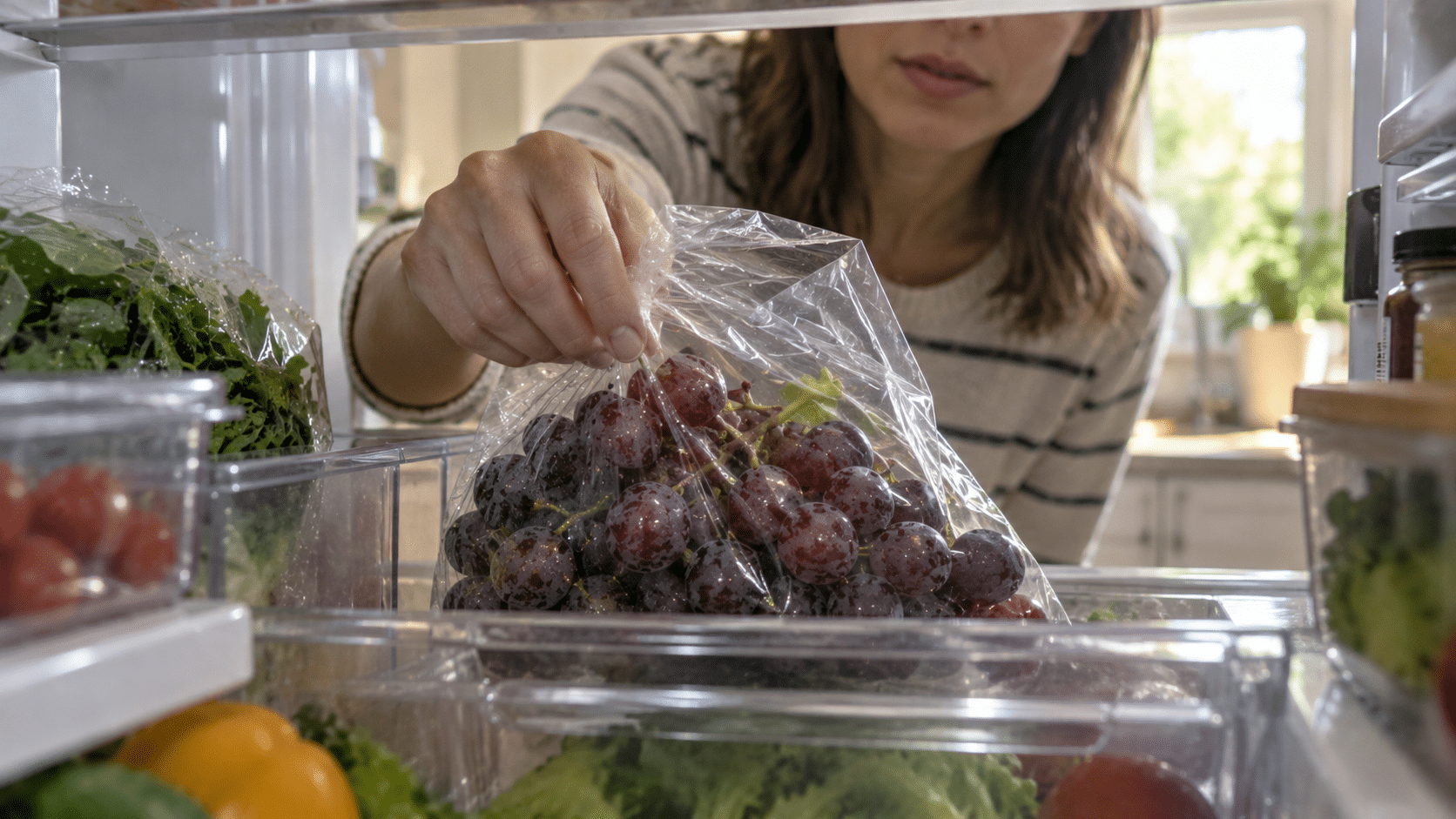
Trying to be efficient by washing every grape the minute you get home can backfire. Bloom helps limit moisture loss, and washing removes that protection while adding water to the fruit. Extra moisture can encourage faster spoilage during storage. If the grapes are going straight back into the refrigerator, leave them unwashed and clean only the portion you’re about to eat. Your future snack will probably last longer.
Grapes Aren’t the Only Fruit Wearing This Disguise
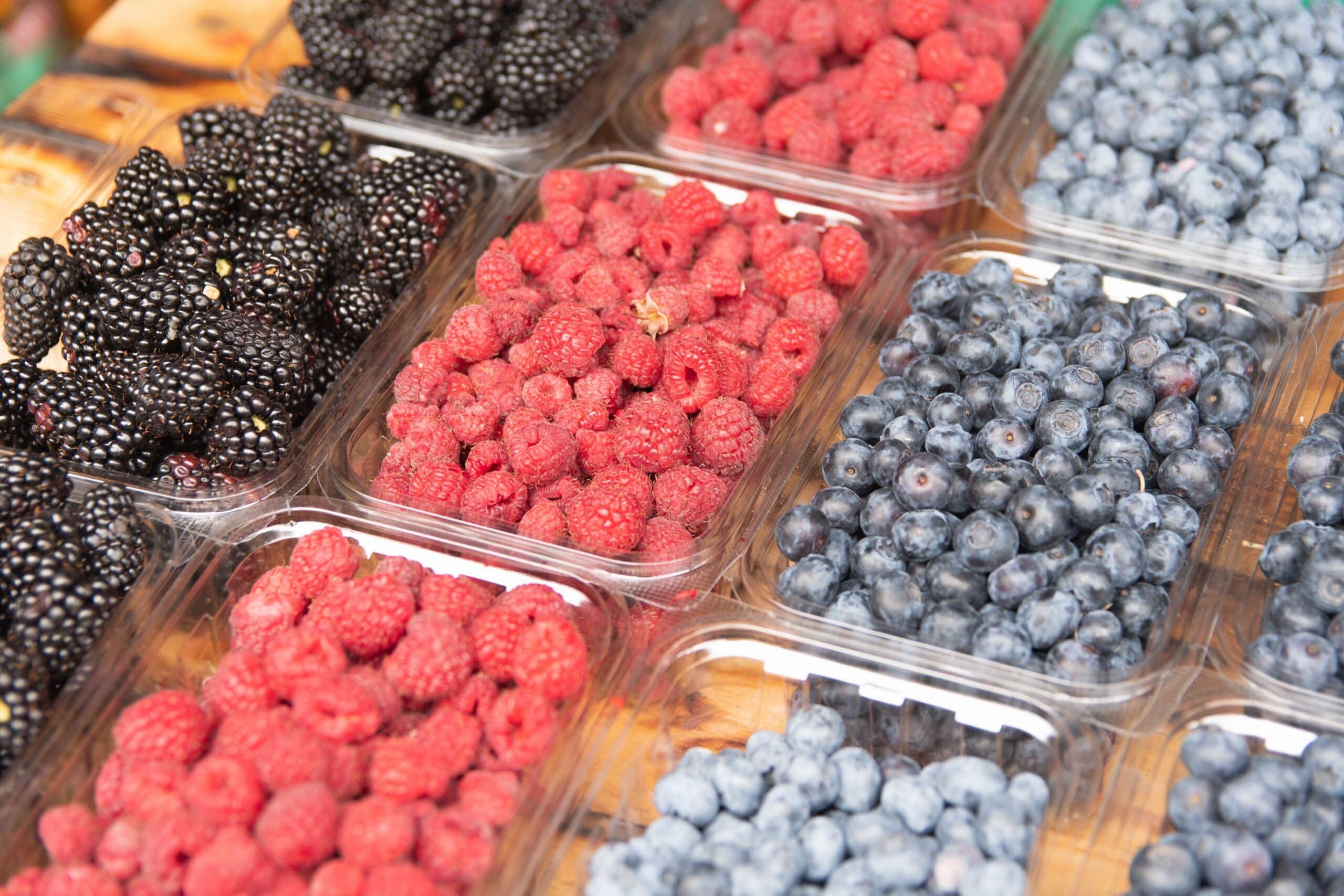
Once you know what bloom looks like, you start seeing it everywhere. Blueberries commonly carry the same dull, grayish-white coating, which protects their skin and helps seal in moisture. It also appears on fruits including plums, pears and apples. So that frosty look isn’t evidence that the produce department has a mold problem.
Next Time, Look Beyond the White Stuff
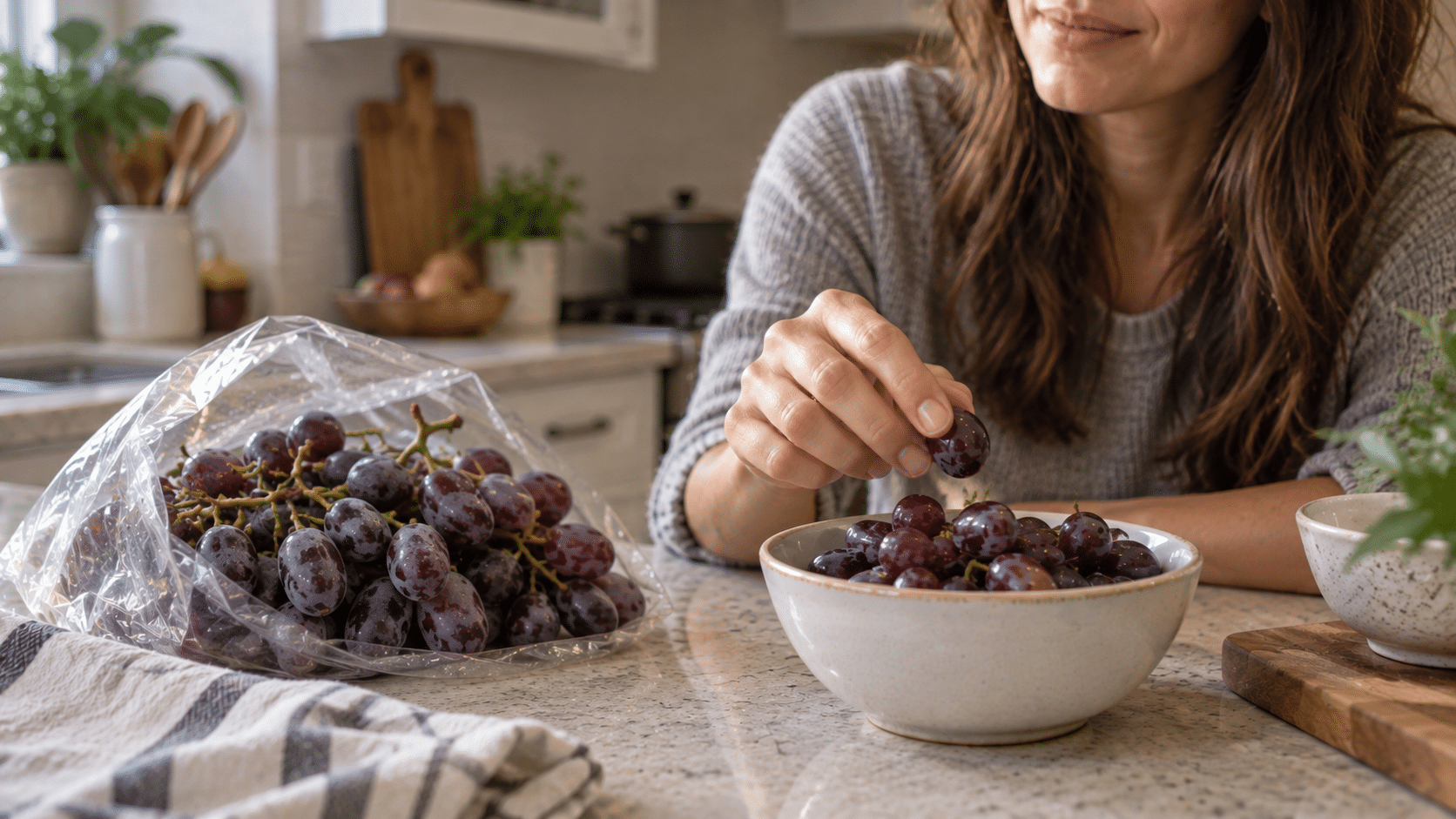
The next questionable bunch doesn’t require an automatic trip to the trash. Look at the whole grape instead. A thin dusty coating that rubs away, combined with firm fruit and a normal smell, points toward harmless bloom. Fuzz, leaking juice, cracks, mushiness or an unpleasant odor tells a very different story. Once you know the difference, that mysterious white coating becomes less of a red flag and more of a surprisingly useful freshness clue.