Before You Use the Sugar in Your Pantry, Check if It’s Part of a 1.7 Million-Pound Recall


Brown sugar for cookies and powdered sugar for frosting probably are not the first pantry items you associate with an allergen recall. That is exactly why this one deserves a look. Minnesota-based United Sugar Producers and Refiners voluntarily recalled certain light brown and powdered sugars over potential wheat kernel contamination. The recall began August 19 and was classified by the FDA on September 21. The affected amount works out to nearly 1.7 million pounds, with products distributed across eight states.
Target Shoppers Should Look for Good & Gather
For everyday shoppers, the most recognizable name involved is Good & Gather, Target’s owned food brand. The recall includes two-pound bags of Good & Gather Light Brown Sugar, item 817773 and UPC 0 85239-08454 0, plus two-pound Good & Gather Powdered Sugar, item 817774 and UPC 0 85239-08455 7. The product image accompanying one recall report shows the light brown sugar in Good & Gather’s distinctive turquoise packaging, making it easier to spot in a crowded pantry.
The Recall Is Bigger Than Those Target Bags
This is not simply a two-product Target recall. The FDA also lists United Light Brown Sugar in 50-pound bags, United 6X Powdered Sugar in 50-pound bags and Crystal Sugar Powdered Sugar in 25-pound bags. Those larger sizes help explain why the total quantity becomes so substantial. United Sugar Producers and Refiners supplies both retail and industrial customers and says it provides about one-quarter of total U.S. sugar demand.
Here Are the Batch Numbers That Matter
The Good & Gather brown and powdered sugar bags are affected when they carry batch numbers MHD26223, MHD26224, MHD26225, MHD26226, MHD26227, MHD26228 or MHD26229. United’s 50-pound powdered sugar includes batches MHD26223 through MHD26227 and MHD26229, while the Crystal Sugar 25-pound powdered product lists MHD26230. The FDA report contains separate batch information for the 50-pound United brown sugar as well. In other words, the brand name alone is not enough to determine whether a package is involved.
Wheat Is the Unexpected Problem Here
The reason for the recall is unusually specific: potential wheat kernels in the sugar. That matters because wheat is one of the FDA’s nine major food allergens and can cause potentially serious reactions in people with a wheat allergy. Someone buying plain brown or powdered sugar may have little reason to expect wheat to be present, making accidental exposure particularly relevant for households that normally treat sugar as a safe ingredient. The materials provided do not explain how the potential contamination happened.
The FDA Put It in Class II
On September 21, the FDA classified both the light brown and powdered sugar recalls as Class II. That classification is used when exposure to a violative product may cause temporary or medically reversible adverse health consequences, while the probability of serious adverse consequences is considered remote. It is a useful distinction because the recall is substantial without being placed in the FDA’s highest-risk category. The agency’s enforcement report lists the recall as ongoing.
Eight States Are in the Distribution List

The affected products were distributed in Iowa, Illinois, Indiana, Kansas, Minnesota, Ohio, Pennsylvania and Texas. The FDA enforcement report does not provide a complete list of retailers or businesses that received them. That means consumers should not assume Target is the only place connected to the recall simply because Good & Gather is the most recognizable retail label listed. The recall includes other configurations distributed by United Sugar Producers and Refiners as well.
Here’s Where the 1.7 Million Pounds Comes From
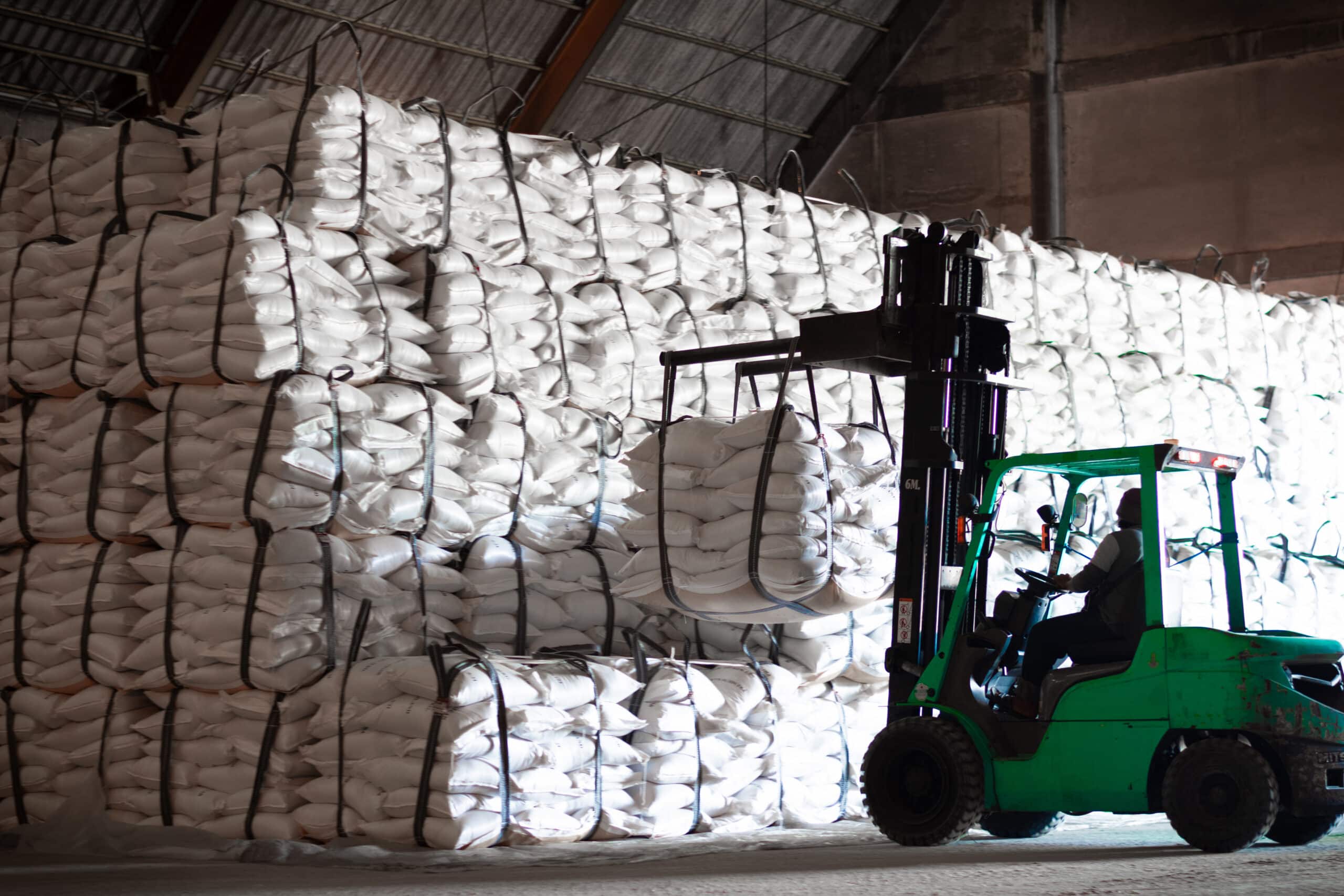
That enormous figure needs a little decoding. The FDA lists 12,678 CWT of light brown sugar and 4,265 CWT of powdered sugar. CWT is a hundredweight measurement, so those quantities convert to approximately 1.69 million pounds combined. The secondary report describes that as nearly 1.7 million pounds. It is an important distinction because the FDA enforcement report presents the quantities in CWT rather than directly stating “1.7 million pounds.”
This Recall Arrived Without a Public Press Release

There is another unusual detail buried in the FDA record: no press release was issued for this recall. The initial notification to consignees or the public is listed simply as a letter. That helps explain why a recall initiated back on August 19 could suddenly feel new to consumers after the FDA assigned its classification more than a month later. For a pantry product that can sit around for quite a while, delayed public awareness can make checking those package codes especially worthwhile.
The Recall Has Not Been Closed Yet

As of the FDA enforcement report, the event remains ongoing, with no termination date listed. That is the detail worth watching next, along with any further information about how the wheat contamination occurred or whether additional distribution details emerge. For now, consumers in the eight listed states have something much more concrete to work with than a sweeping warning about sugar: check whether the package is one of the named products, then match its UPC, size and batch number against the recall information before using it.