California Just Signed a Law That Changes How You Pick Food at the Grocery Store
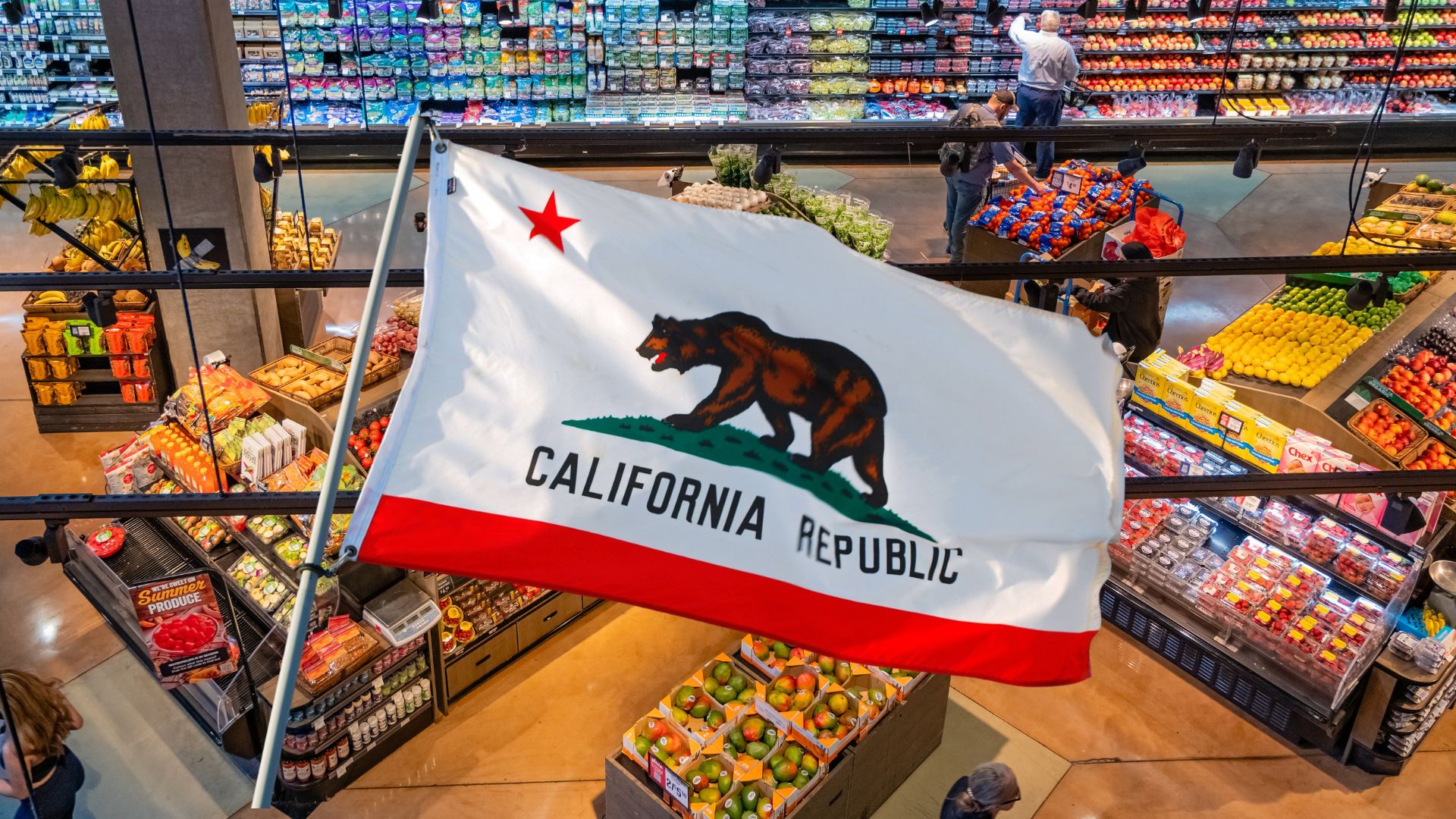

Navigating a grocery store has never been simple, but California just made it a little easier. Gov. Gavin Newsom signed a first-of-its-kind law on September 29 that creates a new front-of-package seal for grocery products, giving shoppers a faster, clearer way to distinguish between what they are buying, according to the LA Times. It is the first label of its kind in the country.
Assembly Bill 2244 was authored by Assemblymember Jesse Gabriel, who also architected California’s earlier restrictions on certain food dyes and additives in schools. The new law creates a “California Certified” seal for foods that are not ultra-processed, and Gabriel said he hopes it pushes manufacturers to rethink their formulas. Products that want to carry the seal must meet the state’s definition of non-ultra-processed.
California’s definition, which mirrors the one used in the state’s school lunch law, identifies a food as ultra-processed if it contains certain additives like emulsifiers, flavors, or preservatives and is also high in sugar, sodium, or fat, or contains non-nutritive sweeteners. Under that standard, about a third of packaged foods will qualify for the seal, according to University of Pennsylvania nutrition researcher Alyssa Moran.
How the “California Certified” Seal Actually Works
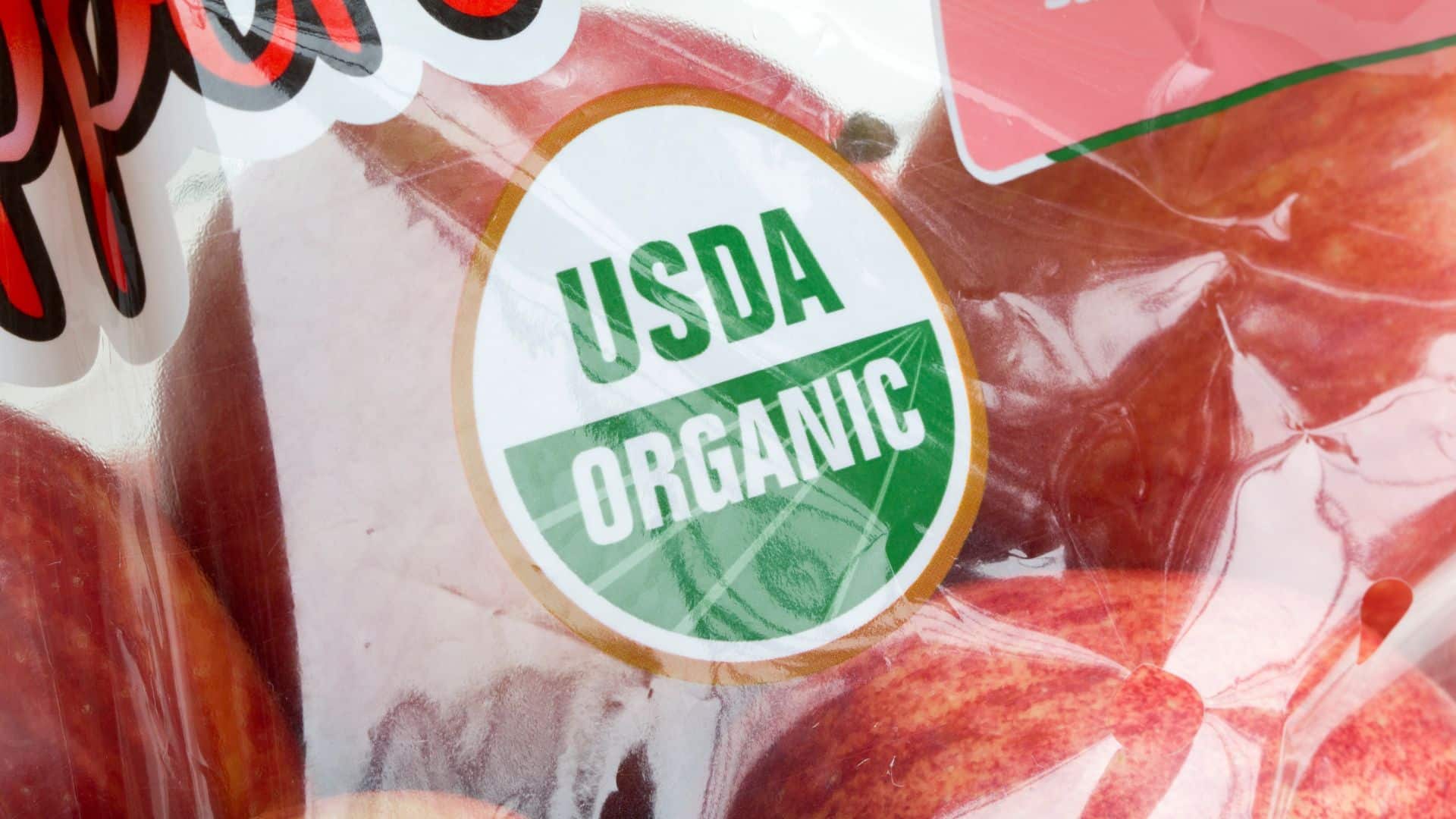
The certification process is modeled after the USDA Organic label. Under the new law, the California Department of Public Health will accredit agents to certify food products as non-ultra-processed no later than June 1, 2028, according to the LA Times. Manufacturers must apply to use the seal and renew that certification every three years, according to The Independent.
Grocery stores will also play a role under the new law. Once enough certified products hit the market, large chains will be required to display them in high-traffic spots, including the ends of aisles, checkout lanes, and store entrances. Items like yogurt, bread, snacks, baby food, and cereals could all potentially qualify, Gabriel told STAT News, covering a broad range of everyday staples.
Newsom framed the signing as a move with reach beyond state lines, saying California was “clearing the way for the rest of the country to follow,” according to The Independent. Gabriel echoed that, noting companies outside California could still choose to carry the seal in stores elsewhere, and pointing to how California’s organic program decades ago laid the groundwork for federal standards, he told STAT News.
Why Supporters and Critics Are Both Paying Close Attention
Support for the law extends beyond California. A poll conducted by Politico and Public First found that more than 60 percent of Americans favor removing ultra-processed foods from store shelves, including 73 percent of Donald Trump voters and 66 percent of Kamala Harris voters, making it one of the rare health policy issues with strong backing on both sides of the aisle.
The health case behind the law is also significant. Ultra-processed foods are linked to chronic diseases including obesity, type 2 diabetes, heart disease, and cancer. Nutrition researcher Alyssa Moran said during a press call that ultra-processed foods are contributing to roughly 1,400 American deaths each day. Among children specifically, ultra-processed foods account for roughly 62 percent of daily calories, Moran noted on the press call.
Anna Rosales, vice president of science and policy at the Institute of Food Technologists, raised a concern about what happens as more states act on their own. She warned that as states develop their own certification programs, manufacturers, retailers, schools, and consumers could eventually face different interpretations of what qualifies as ultra-processed, according to the LA Times. A uniform federal definition is still in the works, adding to that uncertainty.
California’s Food Fight Extends From Schools to Washington
California is not alone in this push. Arizona banned ultra-processed foods in schools this year, and New York City has eliminated processed meats and restricted artificial colors and sweeteners in school meals and city facilities, according to The Independent. Nearly half of all states are considering or have introduced separate legislation to regulate ultra-processed foods, according to the nonprofit Environmental Working Group.
California is not the only state testing this space. Texas passed a labeling law last year that would have required warning labels on foods containing any of 44 specific additives, but a federal judge temporarily blocked it last month, citing likely First Amendment concerns. That legal challenge adds some uncertainty to how far state-level food labeling laws can go, and California’s approach may face similar scrutiny.
At the federal level, it’s more complicated. White House staffers raised concerns that a broad definition of ultra-processed foods could cover most grocery store products, with negative impacts for companies, according to The Independent. HHS pushed back, with senior advisor Calley Means saying the characterization was false and that the administration remains committed to reforms that are “scientifically rigorous” and “legally durable.”