Chick-fil-A Says No to AI Taking Drive-Thru Orders, Even as Fast-Food Rivals Embrace It
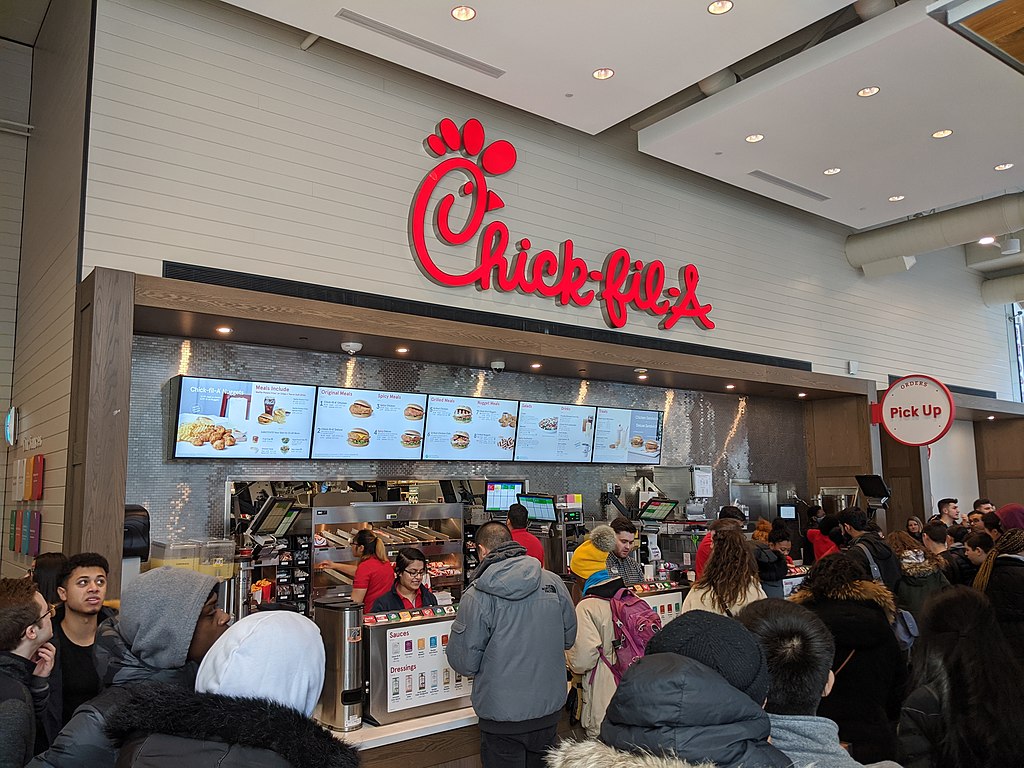

Imagine pulling up for a chicken sandwich and realizing the voice taking your order isn’t human. That’s becoming a possibility as fast-food chains experiment with artificial intelligence. But Chick-fil-A is taking a different approach. While competitors explore automated ordering systems, the chicken chain believes something valuable happens when customers interact with actual employees. It’s an interesting decision in an industry constantly searching for faster, cheaper ways to serve food. And the company’s reasoning reveals why it isn’t rushing to follow its rivals.
Fast-Food Restaurants Are Rethinking the Ordering Experience

Drive-thrus have followed essentially the same routine for decades: customers speak into a microphone, employees enter their orders, and kitchens prepare the food. Artificial intelligence could change that first interaction entirely. Voice-powered systems can recognize spoken requests, process menu selections and send orders directly to restaurant kitchens. For businesses serving hundreds of drivers daily, the attraction is understandable. Employees could spend less time wearing headsets and more time preparing meals. However, removing human order-takers also changes how customers experience a restaurant, which helps explain Chick-fil-A’s position.
Chick-fil-A’s CEO Has a Different Vision for Technology
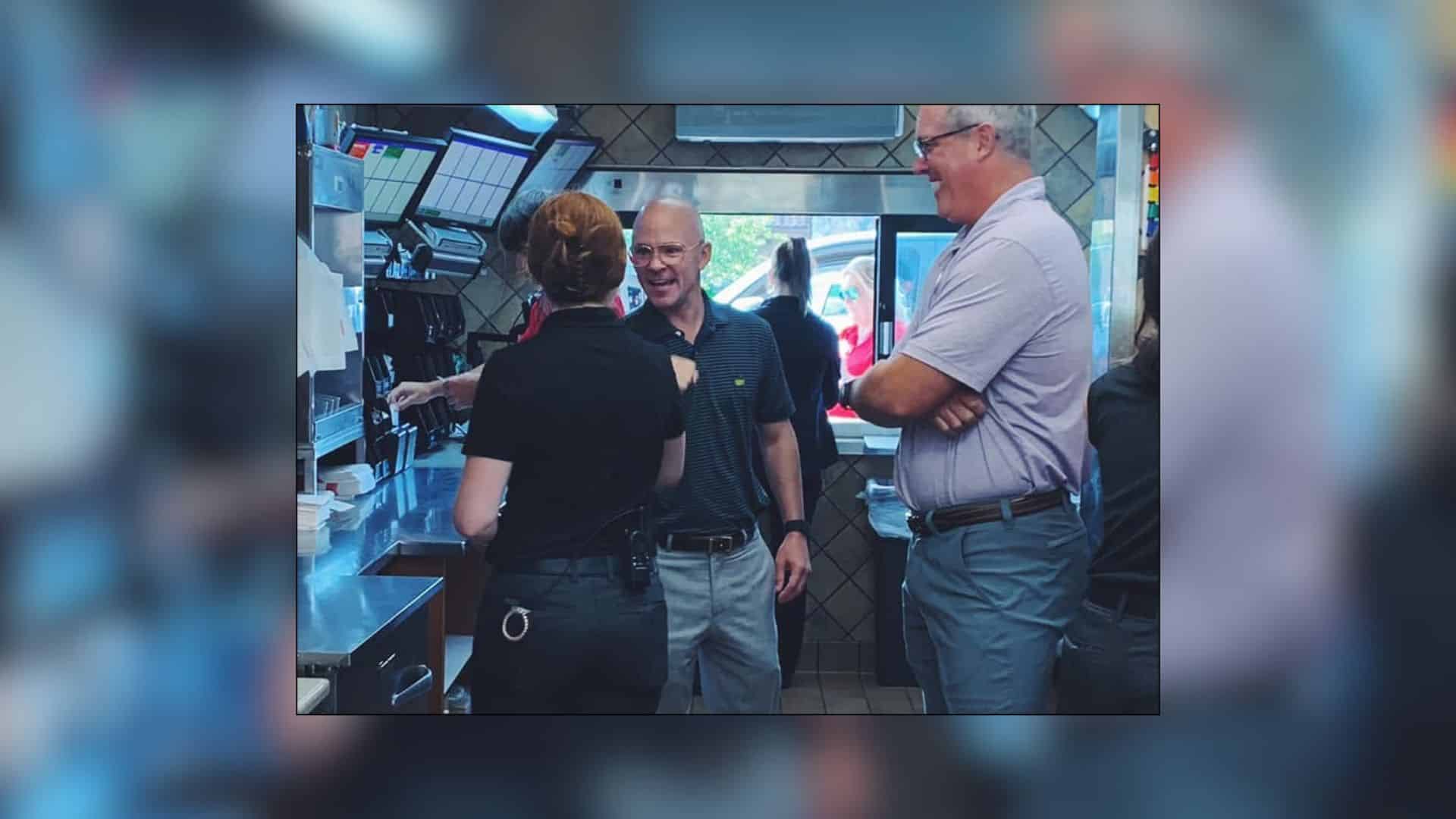
Chick-fil-A CEO Andrew Cathy recently discussed the company’s technology strategy during an interview published by CNBC in early October. Rather than treating automation as the solution to every restaurant challenge, Cathy described a “human plus” approach. Technology should help employees deliver better service without eliminating the personal interactions customers associate with Chick-fil-A. The company remains interested in artificial intelligence behind the scenes, particularly where it could improve efficiency. But Cathy believes ordering food involves something more than communicating menu selections. That thinking has led to a clear decision.
Human Employees Will Continue Taking Drive-Thru Orders
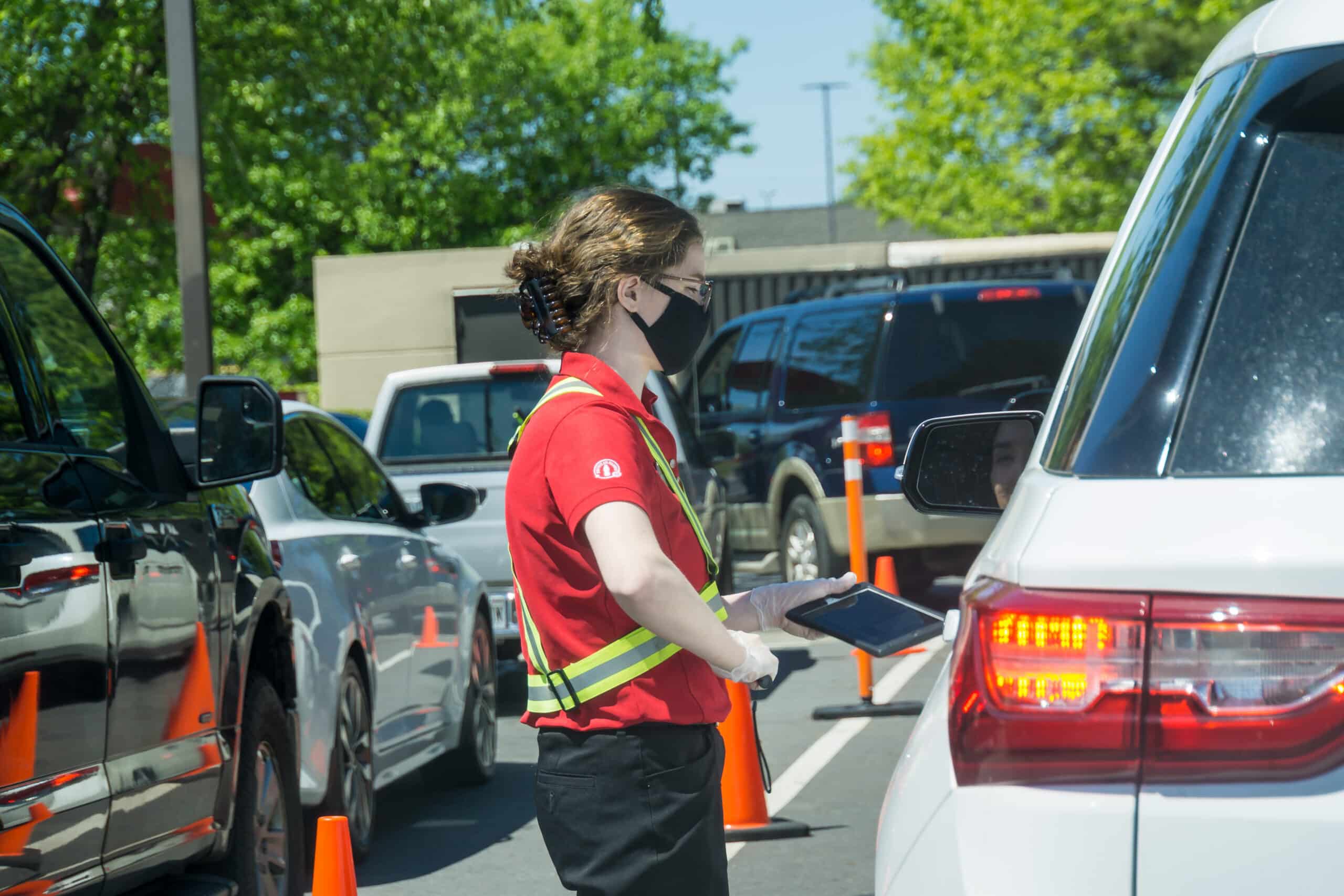
Cathy explained the company’s position directly, telling CNBC, “From our experience, we really want that hospitality to be human to human.” He said Chick-fil-A doesn’t intend to replace those interactions with technology because personal hospitality helps create a welcoming environment. Customers should therefore continue speaking with employees rather than automated AI order-takers at its drive-thrus. That doesn’t mean Chick-fil-A intends to keep every restaurant process manual. Instead, it’s distinguishing between technology that supports employees and technology that replaces customer-facing conversations. One unusual restaurant demonstrates how that approach works.
This Four-Lane Restaurant Shows Chick-fil-A Isn’t Against Automation
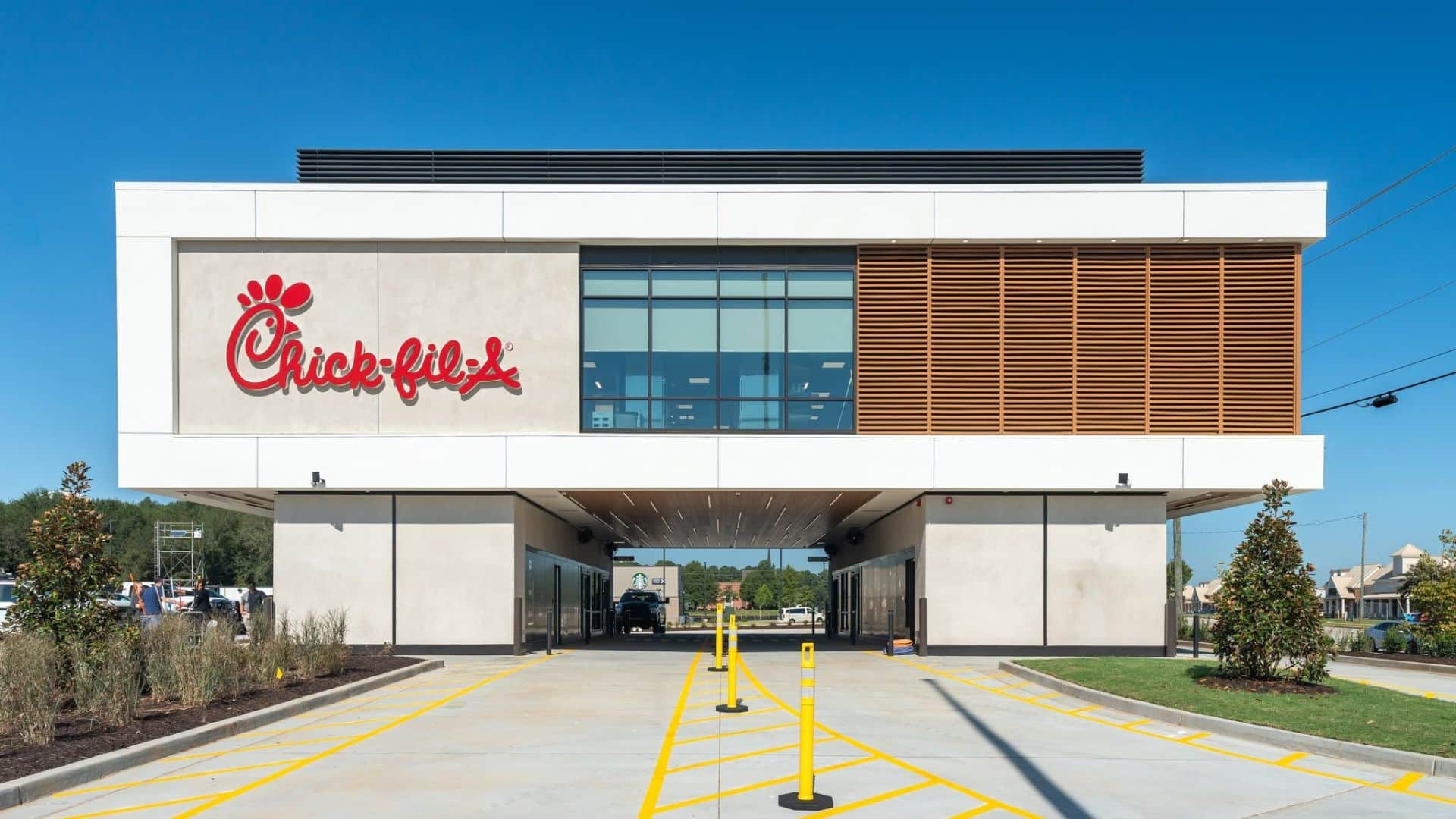
In McDonough, Georgia, Chick-fil-A opened an unusual restaurant in 2024 featuring four drive-thru lanes beneath an elevated kitchen. A conveyor system transports prepared meals to employees below, with the company saying it can deliver a meal every six seconds. The location can accommodate two to three times as many vehicles as a traditional Chick-fil-A drive-thru. Customers can order ahead digitally or speak directly with employees. It’s an example of sophisticated technology handling logistics while people maintain customer relationships. McDonald’s, however, is experimenting with automating the conversation itself.
McDonald’s Is Testing AI That Understands Two Languages
McDonald’s recently announced plans to test Archy, its voice-powered ordering technology, at selected locations. The system is designed to take orders in English and Spanish, potentially reducing the amount of time employees spend managing drive-thru conversations. The goal is to improve restaurant efficiency while allowing workers to concentrate on other responsibilities. Automated ordering could be particularly useful during busy periods when employees are juggling multiple tasks. However, the technology must reliably understand accents, substitutions and unexpected requests. Another major chain has already been experimenting with similar challenges.
Wendy’s Has Already Put AI to Work
Wendy’s has been deploying FreshAI, developed with Google Cloud, to handle drive-thru ordering conversations. The technology is designed to improve ordering speed, accuracy and consistency while supporting restaurant employees. Handling food orders isn’t always straightforward. Customers might change their minds midway, request substitutions or speak over traffic noise. AI systems must interpret those requests correctly before sending them to the kitchen. Wendy’s believes automation can help employees focus on preparing meals and delivering service. But customers discussing Chick-fil-A’s decision aren’t convinced technology is always the answer.
Reddit Users Think Better Staffing Could Matter More
In an r/technology thread titled “Chick-fil-A takes a stand against fast-food drive-thru AI trend,” commenters discussed what makes restaurant service work. User Deranged40 praised Chick-fil-A and In-N-Out for maintaining substantial staffing while rarely getting orders wrong. Another commenter, 3cit, argued that adequate staffing makes an enormous difference. Meanwhile, mishap1 cautioned that even Chick-fil-A locations can provide disappointing service. Their experiences raise a practical question: do restaurants need smarter software, or enough employees to handle customer demand? Chick-fil-A’s business results provide additional context.
Chick-fil-A Has a Successful Business Model to Protect
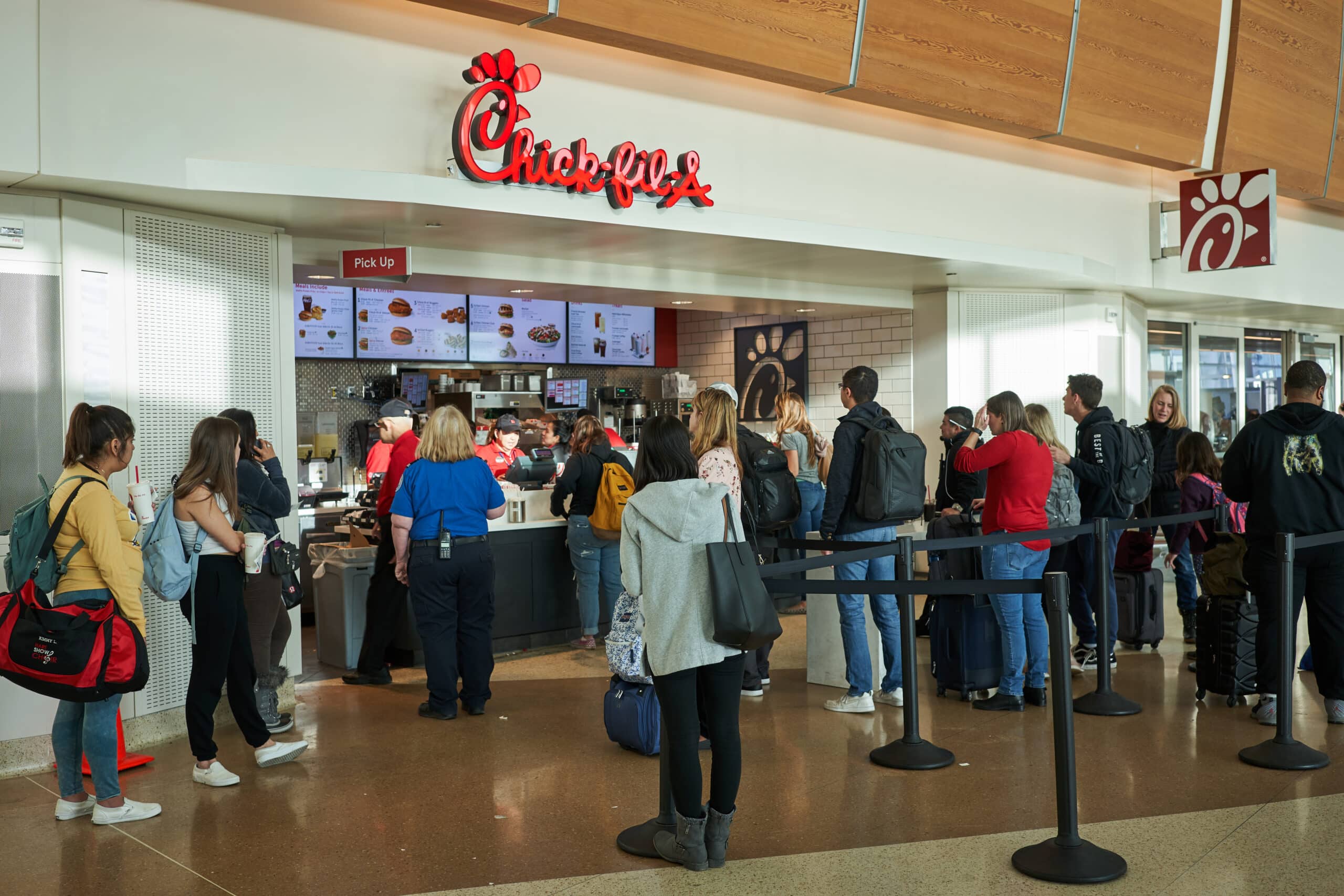
Chick-fil-A generated approximately $23.9 billion in U.S. systemwide sales in 2025, demonstrating the scale of its operations. Its emphasis on hospitality has long been central to how the chain presents itself to customers. Employees taking orders outside, greeting drivers and managing busy lines are familiar sights at many locations. Replacing those interactions with automated voices could change an experience customers already recognize. Of course, human service doesn’t guarantee perfect accuracy or shorter waits. Still, Chick-fil-A appears convinced that preserving personal contact remains commercially valuable as competitors pursue automation.
The Future of Fast Food Could Offer Two Different Experiences
The industry’s AI experiments are still developing. McDonald’s and Wendy’s will continue exploring whether automated ordering improves accuracy, reduces workloads and satisfies customers. Chick-fil-A can pursue improvements in kitchens, mobile ordering and delivery without replacing employees who greet drivers. Cathy has also expressed interest in future innovations that could change how customers receive their food. The question now is whether consumers will eventually prefer automated convenience or personal interaction. As AI becomes more capable, restaurants may discover that faster technology doesn’t automatically create a better customer experience.