Denny’s Has Shut Down 150 US Locations. Here’s Why the Iconic Breakfast Chain Is Downsizing

For generations of Americans, Denny’s has been a reliable stop for pancakes, burgers, and late-night meals, with many locations operating around the clock. Now, the iconic diner chain is reducing its footprint after announcing plans to close 150 U.S. restaurants. While the news may sound alarming, company leaders say the move is part of an effort to strengthen the brand by focusing on locations that are better positioned for long-term success rather than maintaining every restaurant in its network.
Why Denny’s Is Closing Restaurants
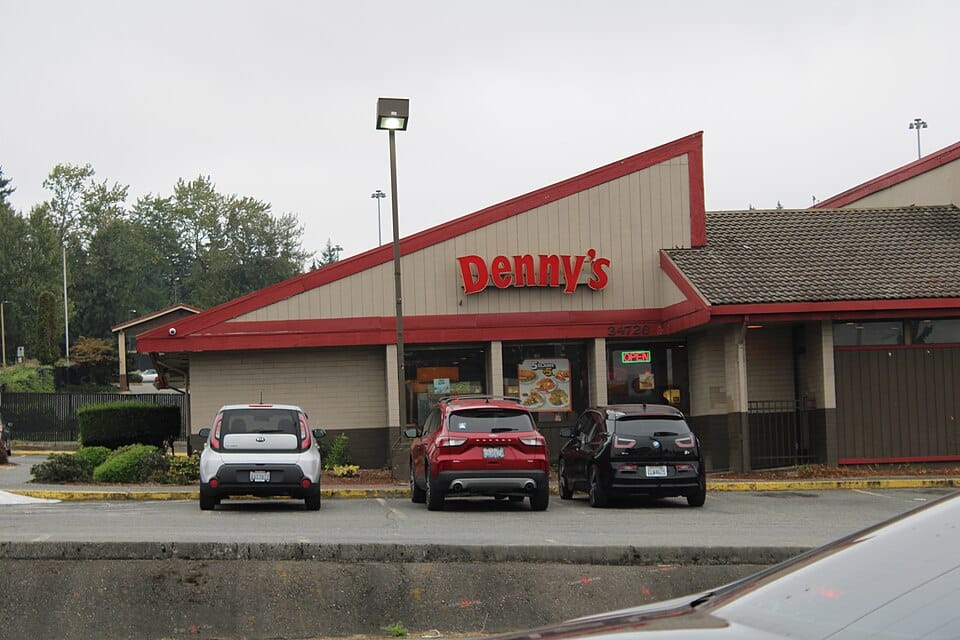
Executives have explained that the closures are primarily targeting restaurants that have consistently underperformed or no longer fit the company’s long-term strategy. Many are older locations with expiring leases, aging buildings, or declining customer traffic that would require significant investment to modernize. Instead of spending heavily to keep these restaurants open, Denny’s plans to concentrate resources on locations with stronger sales potential.
Customers Are Dining Differently Than They Used To

The restaurant business has changed dramatically over the past several years. More customers now order takeout or delivery instead of dining inside restaurants, while breakfast has become one of the most competitive segments in fast food and casual dining. Coffee chains, quick-service restaurants, and local brunch spots all compete for the same customers, making it harder for traditional full-service diners like Denny’s to maintain the steady traffic they once enjoyed.
Rising Costs Are Affecting Every Restaurant Chain

Denny’s also continues to face many of the same financial pressures affecting restaurants across the country. Labor expenses have increased, food ingredients remain more expensive than they were several years ago, and utility and operating costs continue to rise. When these higher expenses are combined with weaker sales at certain locations, closing underperforming restaurants can become a practical business decision instead of continuing to absorb ongoing losses.
Hundreds of Denny’s Restaurants Will Remain Open

Despite the planned closures, Denny’s is not disappearing from the American restaurant landscape. The company will continue operating hundreds of locations across the country and says the closures represent a strategic adjustment rather than a retreat from the market. Company leaders believe a smaller but healthier restaurant network can better support future investments in menu innovation, remodeling, and customer experience.
The Company Still Sees Opportunities to Grow
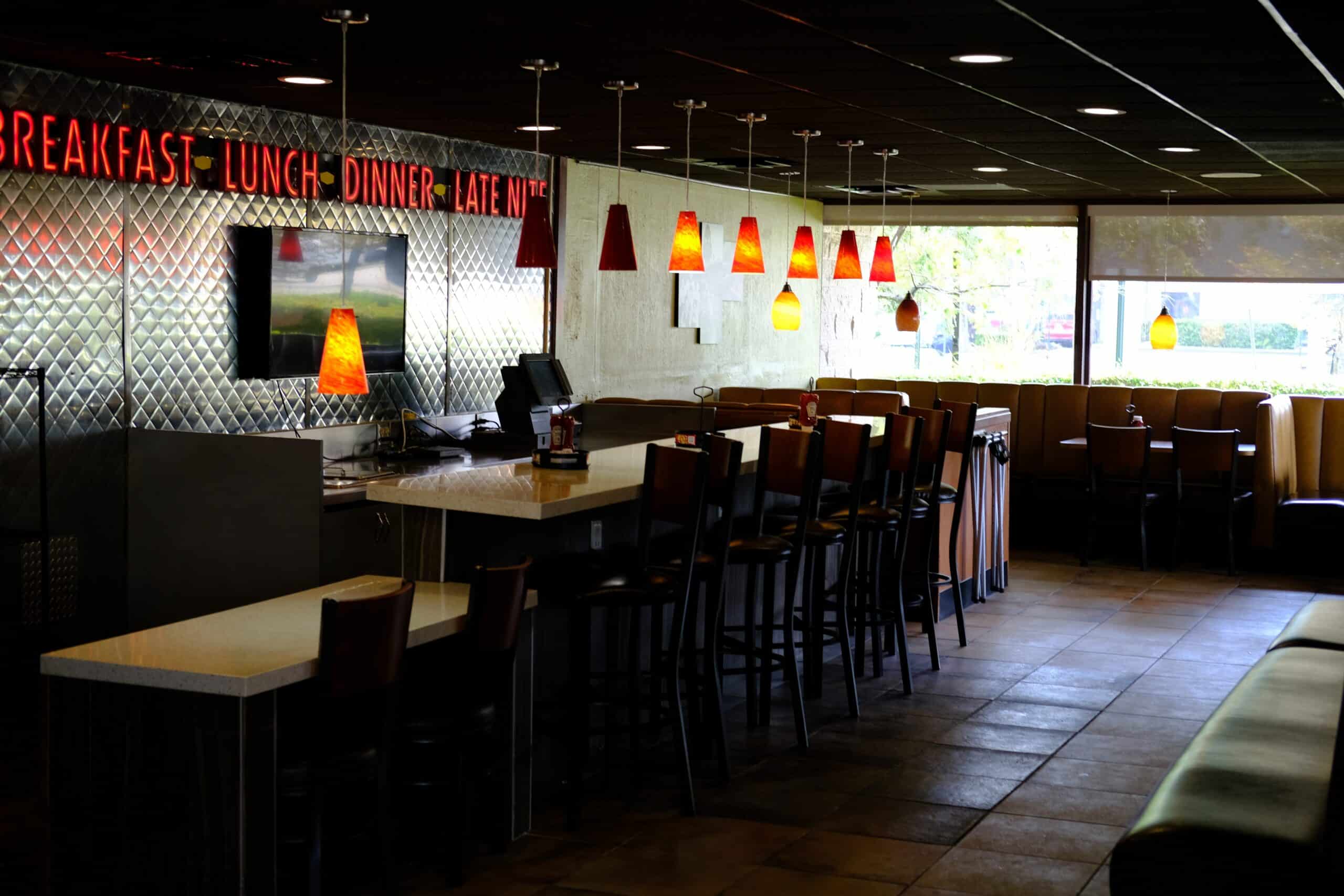
Interestingly, Denny’s isn’t only closing restaurants. Executives have also said the company intends to continue opening new locations in markets where demand supports expansion. That means some outdated restaurants may close while newer, more modern locations open elsewhere, allowing the chain to gradually refresh its footprint instead of simply shrinking its overall presence.
Denny’s Isn’t Alone in Rethinking Its Footprint

Many well-known restaurant chains have spent the past few years evaluating which locations continue to make financial sense. Higher operating costs, shifting consumer habits, staffing challenges, and increased competition have prompted numerous brands to close underperforming restaurants while investing more heavily in stronger markets. Denny’s latest announcement shows a trend across the casual dining industry rather than an isolated situation.
Franchise Owners Also Influence Which Stores Stay Open

Because many Denny’s restaurants are owned and operated by franchisees, individual business conditions often play a significant role in closure decisions. Factors such as lease costs, local competition, staffing availability, and customer demand can vary widely from one community to another. As a result, two nearby restaurants may perform very differently, even though they operate under the same national brand.
Most Customers May Notice Very Little

Unless a nearby restaurant is among those scheduled to close, many customers may not experience any immediate changes. Denny’s says it remains focused on improving service, updating restaurants, and refining its menu at the locations that remain open. The company hopes these investments will strengthen customer loyalty while making its restaurants more competitive in today’s dining environment.
Downsizing Can Be Part of a Long-Term Strategy
Closing restaurants is rarely welcome news, but it does not necessarily signal that a company is in decline. For Denny’s, reducing its footprint is their attempt to adapt to changing customer habits and rising operating costs while investing in locations that offer stronger long-term potential. How successfully the company balances closures with future growth will likely shape the next chapter for one of America’s most recognizable diner chains.