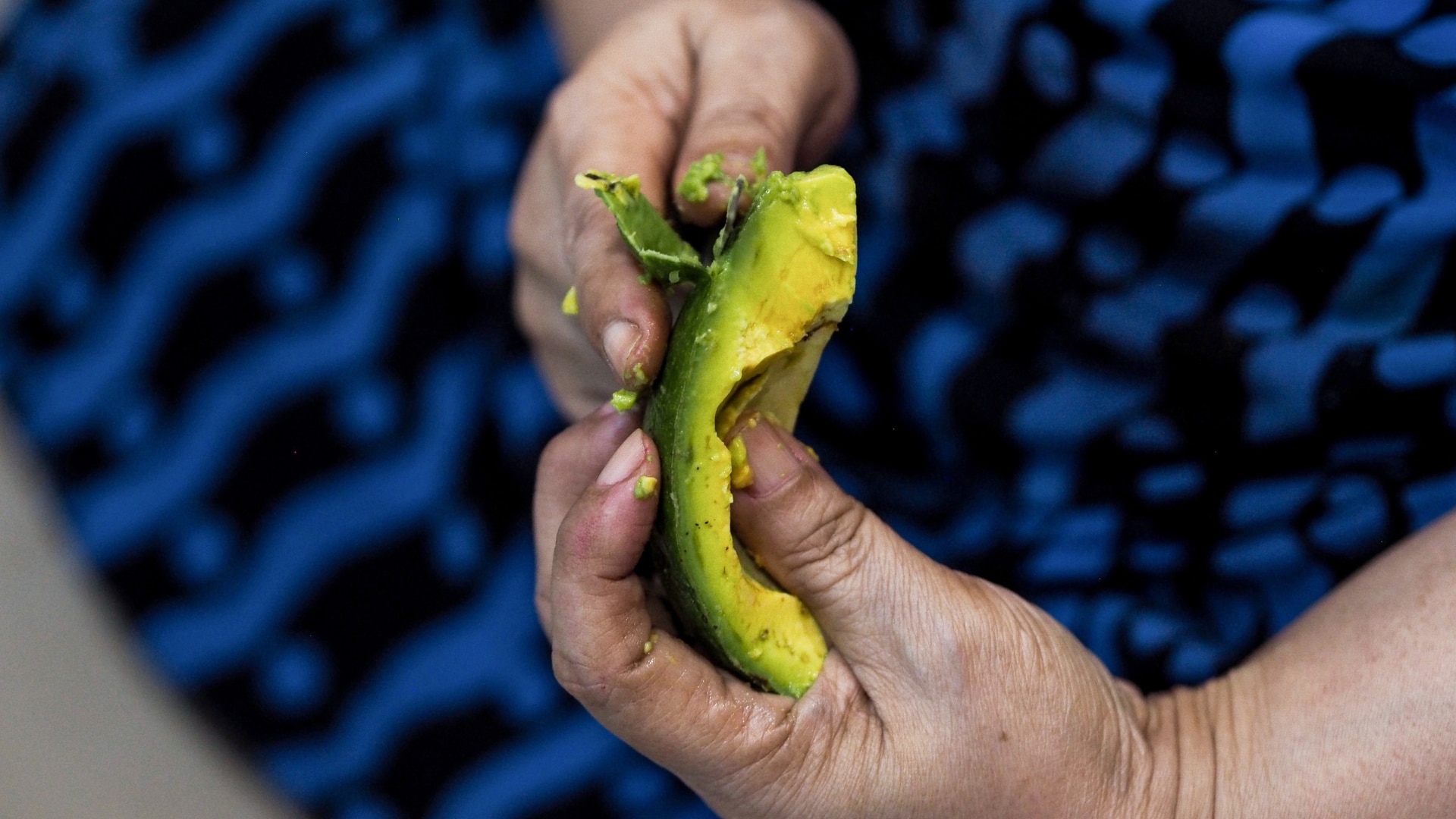
Most people scoop out the creamy center of an avocado and send the peel straight to the trash, but researchers are discovering that this discarded part of the fruit contains an impressive collection of plant compounds. Studies have identified fiber and numerous phenolic compounds in avocado peel, including catechins, procyanidins, chlorogenic acid, and quercetin derivatives. Researchers are increasingly interested in finding ways to turn this common food waste into useful ingredients rather than simply throwing it away.
The Peel Contains a Surprising Amount of Antioxidants
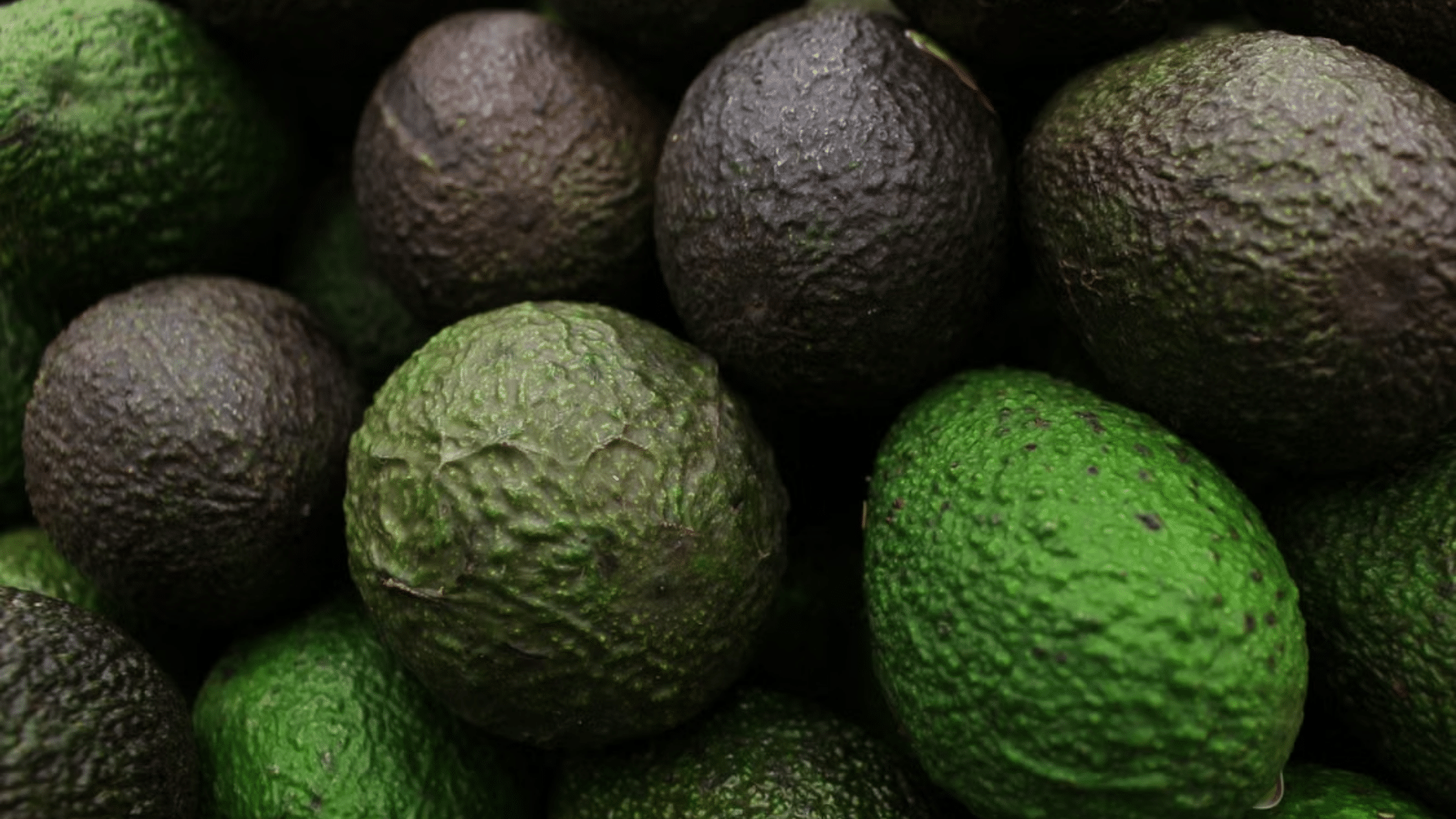
One of the biggest reasons scientists are interested in avocado peel is its antioxidant potential. Research comparing different parts of the fruit has found that peel extracts can have higher concentrations of phenolic compounds and greater antioxidant activity than the edible flesh. These compounds can help neutralize free radicals in laboratory testing, although researchers are still studying what benefits avocado peel may provide when incorporated into foods for people.
Polyphenols Are Hiding in the Part You Usually Toss
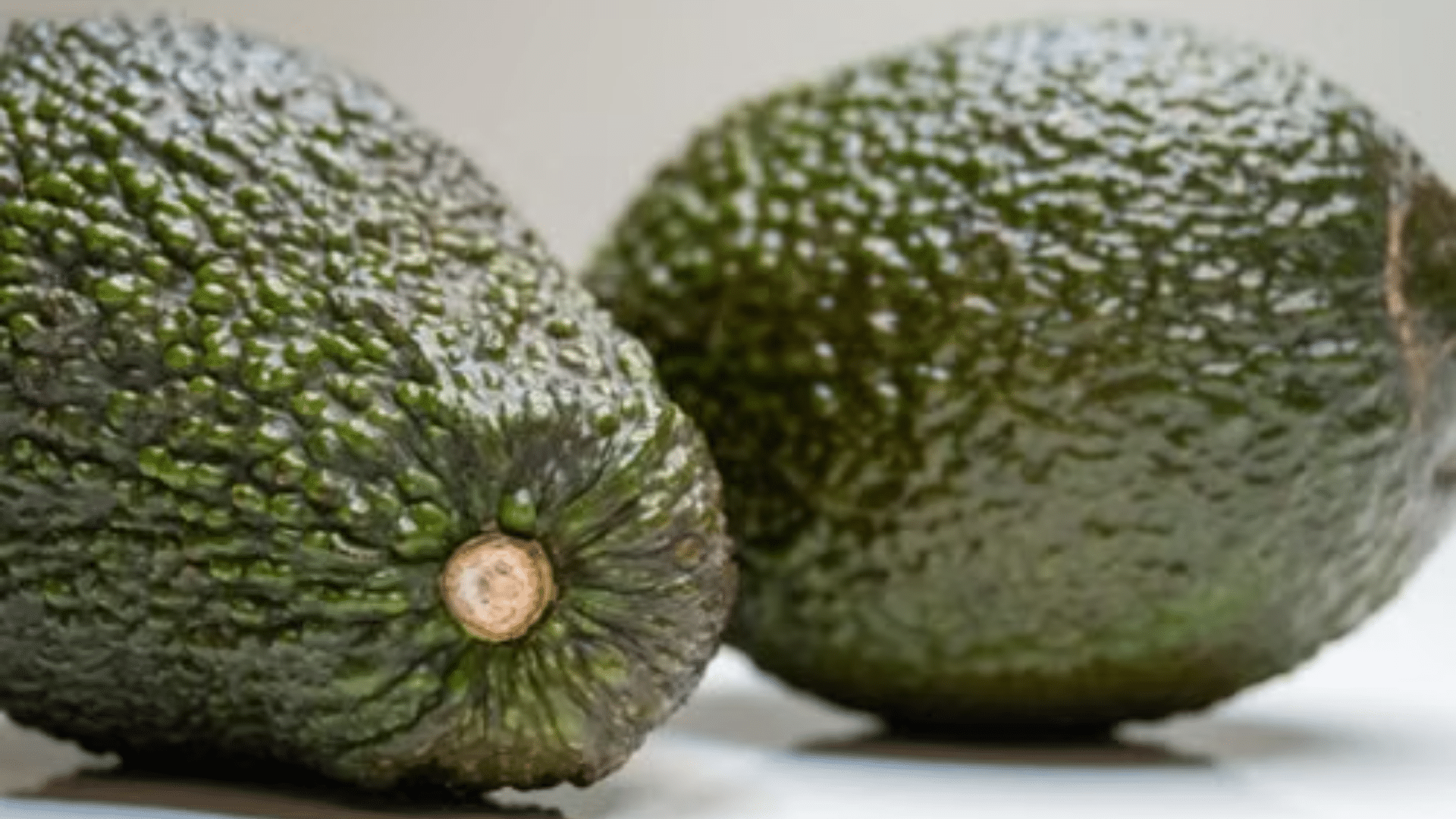
Avocado peels contain numerous polyphenols, a broad group of naturally occurring plant compounds that researchers study for their antioxidant properties. Scientists have identified catechin, epicatechin, procyanidins, chlorogenic acid, quercetin derivatives, and several other compounds in different avocado varieties. The exact amounts can vary depending on the variety, ripeness, growing conditions, and methods used to process and analyze the peel.
Some Avocado Peels Outperform the Flesh in Lab Tests
The creamy avocado flesh remains the part most commonly eaten, but laboratory research suggests the peel can outperform it in certain antioxidant measurements. One 2025 study comparing avocado peel and flesh found significantly greater in vitro antioxidant activity in extracts made from the peel, while the flesh performed better in the study’s anti-inflammatory testing. That does not mean eating the peel automatically produces those effects in the human body, but it helps explain why scientists see potential in this overlooked by-product.
Avocado Skin Also Contains Fiber and Other Nutrients
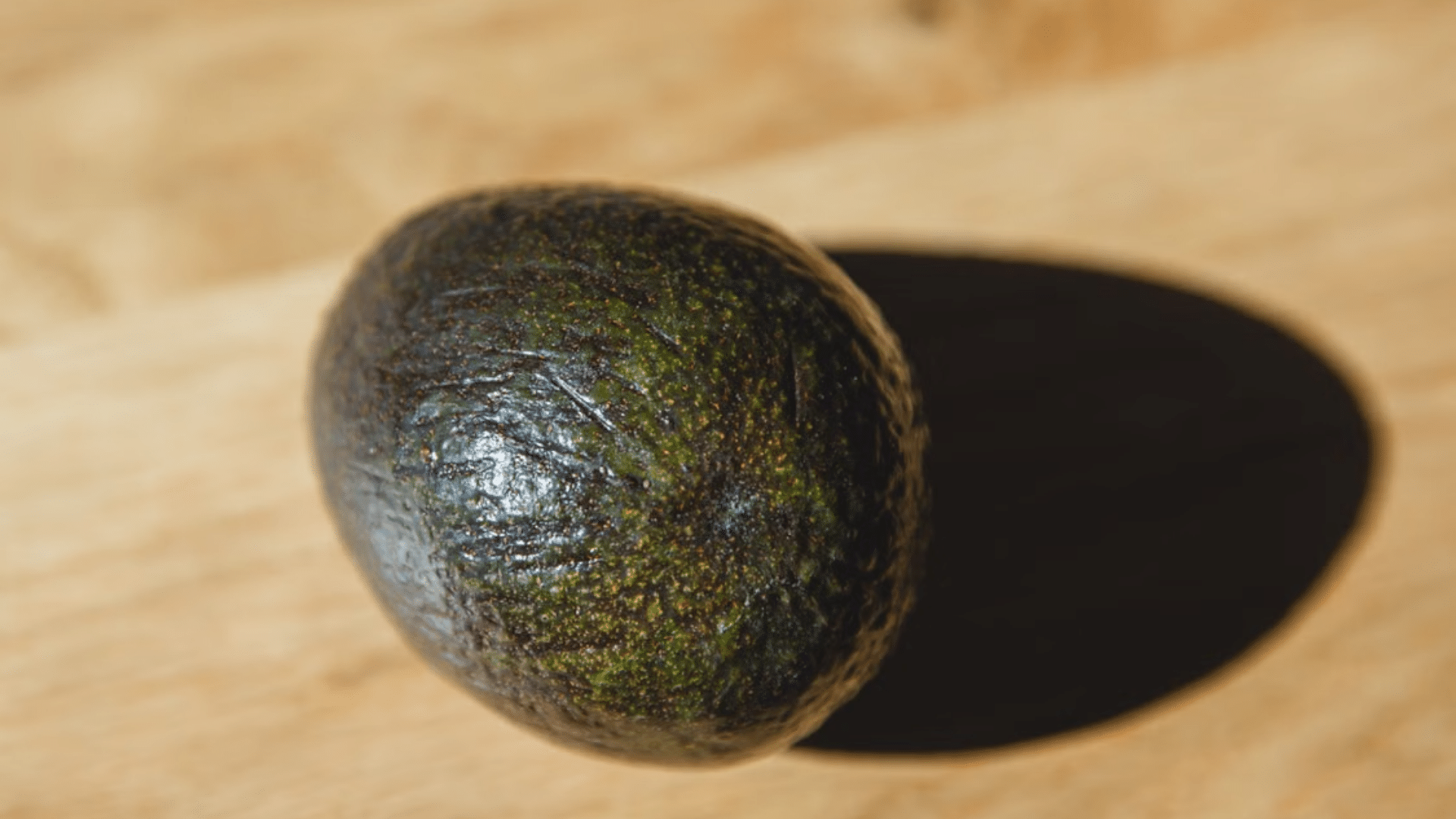
The peel is more than a source of antioxidants because analyses have also identified carbohydrates, fiber, protein, lipids, and minerals in it. Its nutritional composition varies substantially between avocado varieties and depending on whether researchers examine fresh, dried, or processed peel. Scientists are particularly interested in whether these components could eventually make avocado peel useful as an ingredient in functional foods rather than an unwanted by-product.
Scientists Are Studying Ways to Make the Peel More Useful
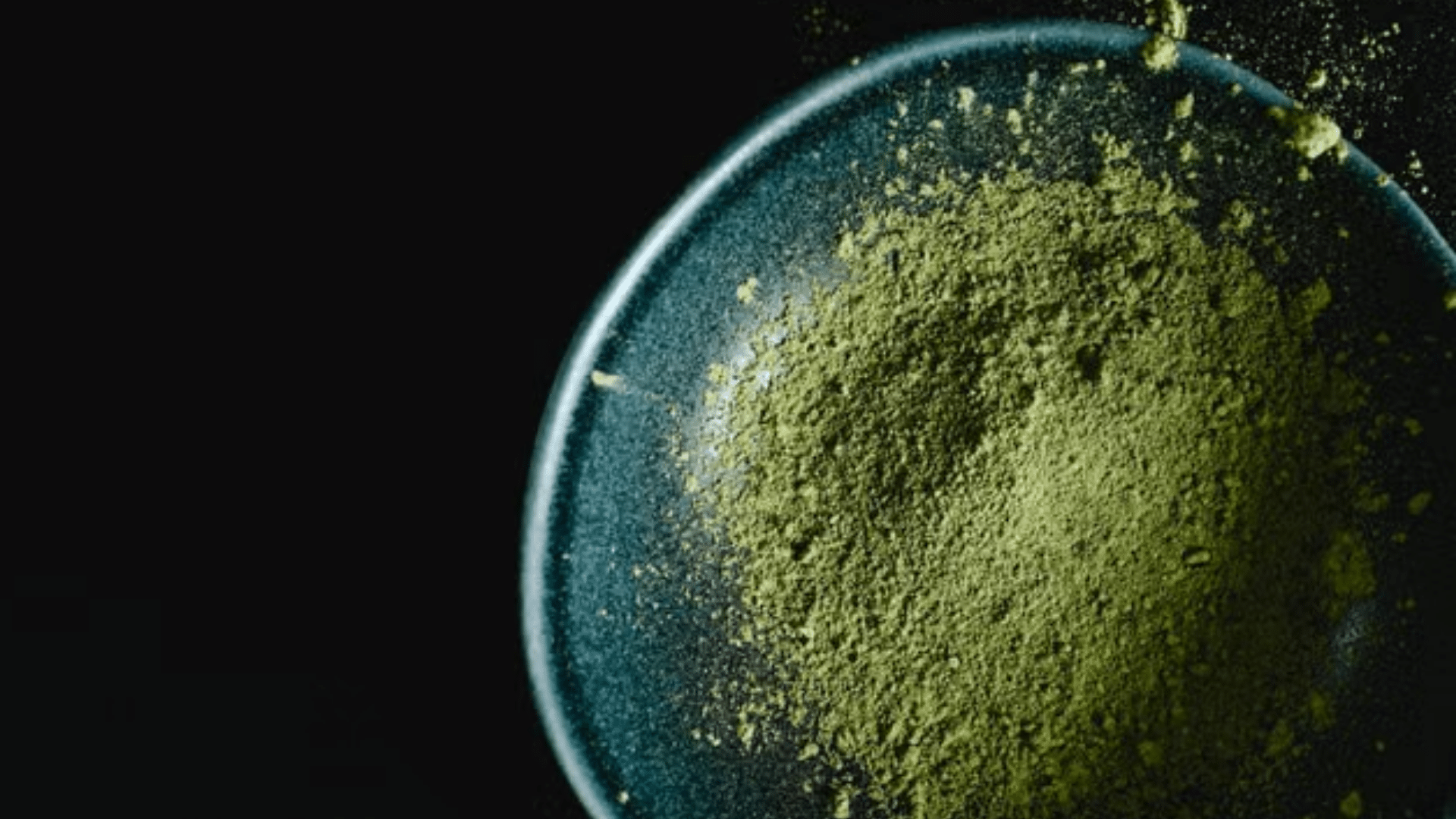
Researchers are exploring ways to transform avocado peel into powders, extracts, preservatives, and other ingredients that could potentially be incorporated into food products. Because the peel is naturally tough and bitter, processing it may be more practical than simply eating large pieces of raw skin. Reviews of the research suggest avocado by-products could eventually have applications in functional foods, nutraceuticals, cosmetics, and other products, although more work is needed before many of these uses become mainstream.
Using the Peel Could Help Reduce Avocado Waste
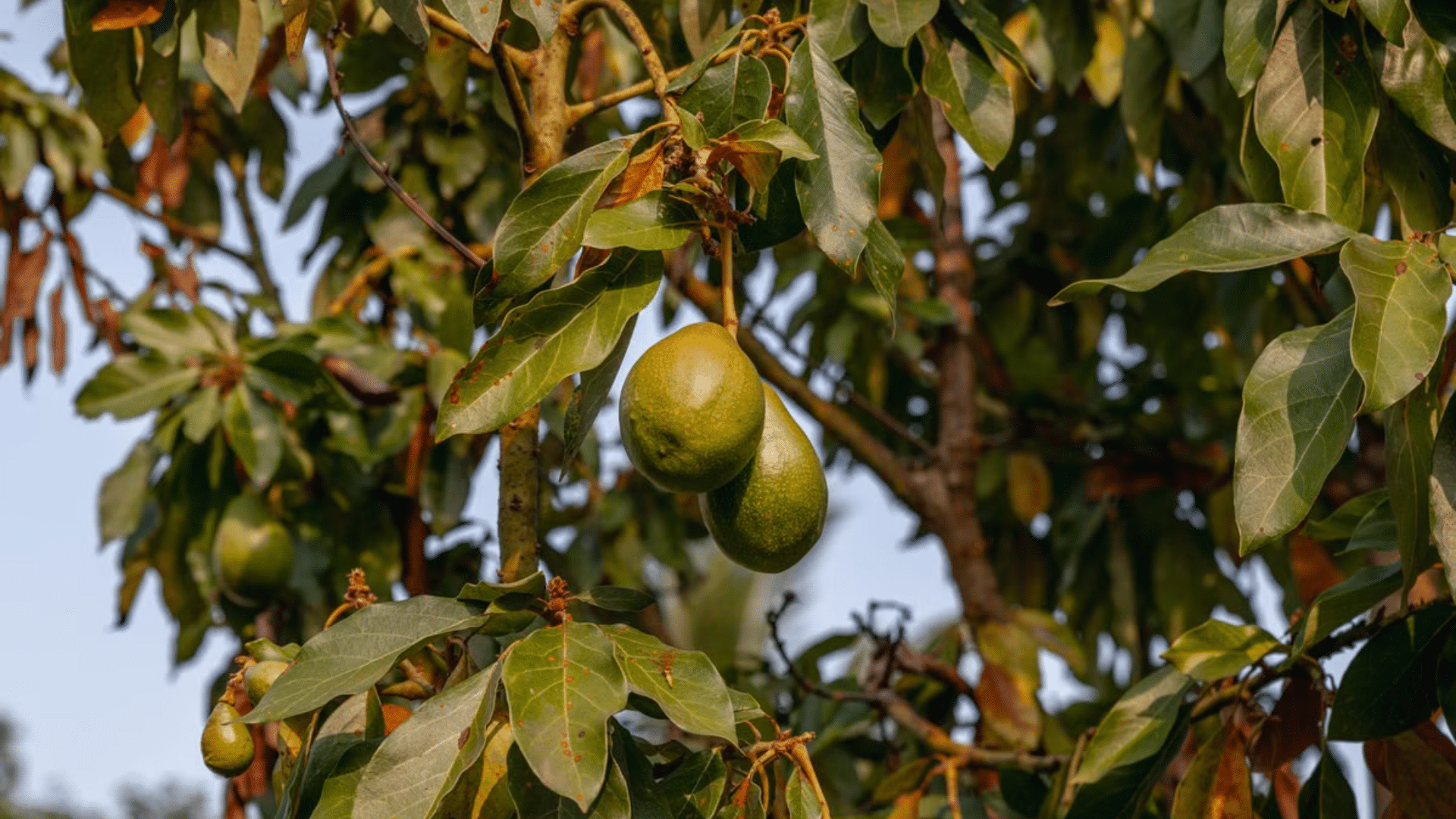
The potential benefits extend beyond nutrition because avocado processing creates enormous quantities of peels and seeds that are usually treated as waste. Research estimates that these discarded portions can represent a substantial share of the fruit’s total weight, creating an opportunity for food producers to recover useful compounds from material they would otherwise discard. Finding commercial uses for avocado peel could therefore support efforts to reduce food waste while creating new ingredients at the same time.
That Doesn’t Mean Everyone Should Start Eating Raw Peels
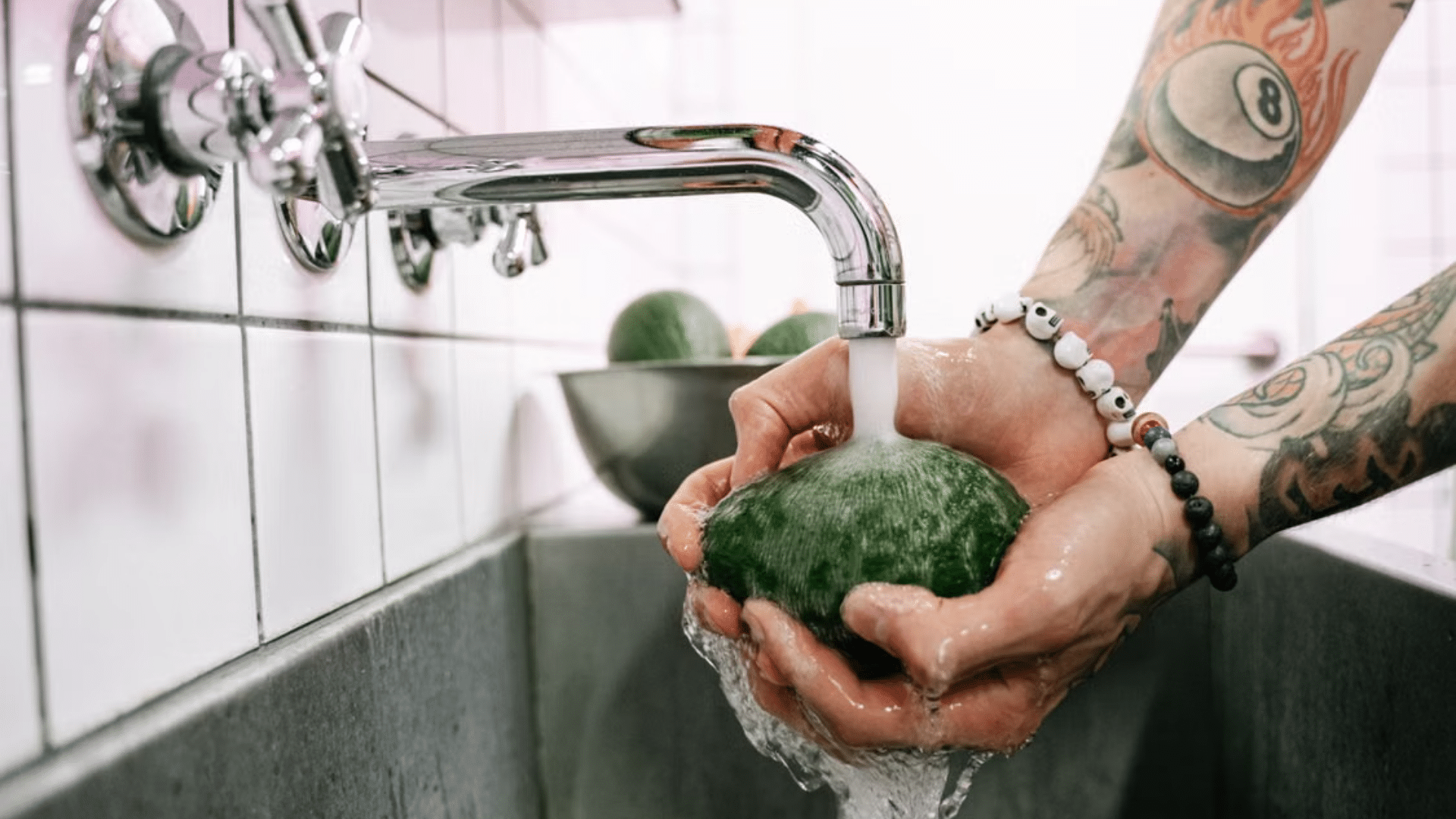
The promising research should not be interpreted as a recommendation to suddenly eat large amounts of raw avocado skin. Much of the evidence comes from laboratory experiments using specially prepared extracts, and recent scientific reviews note that questions remain about safety, bioavailability, processing, and appropriate human consumption. Researchers say additional studies are needed before strong health recommendations can be made about regularly eating avocado peel itself.
The Type of Avocado Can Make a Difference
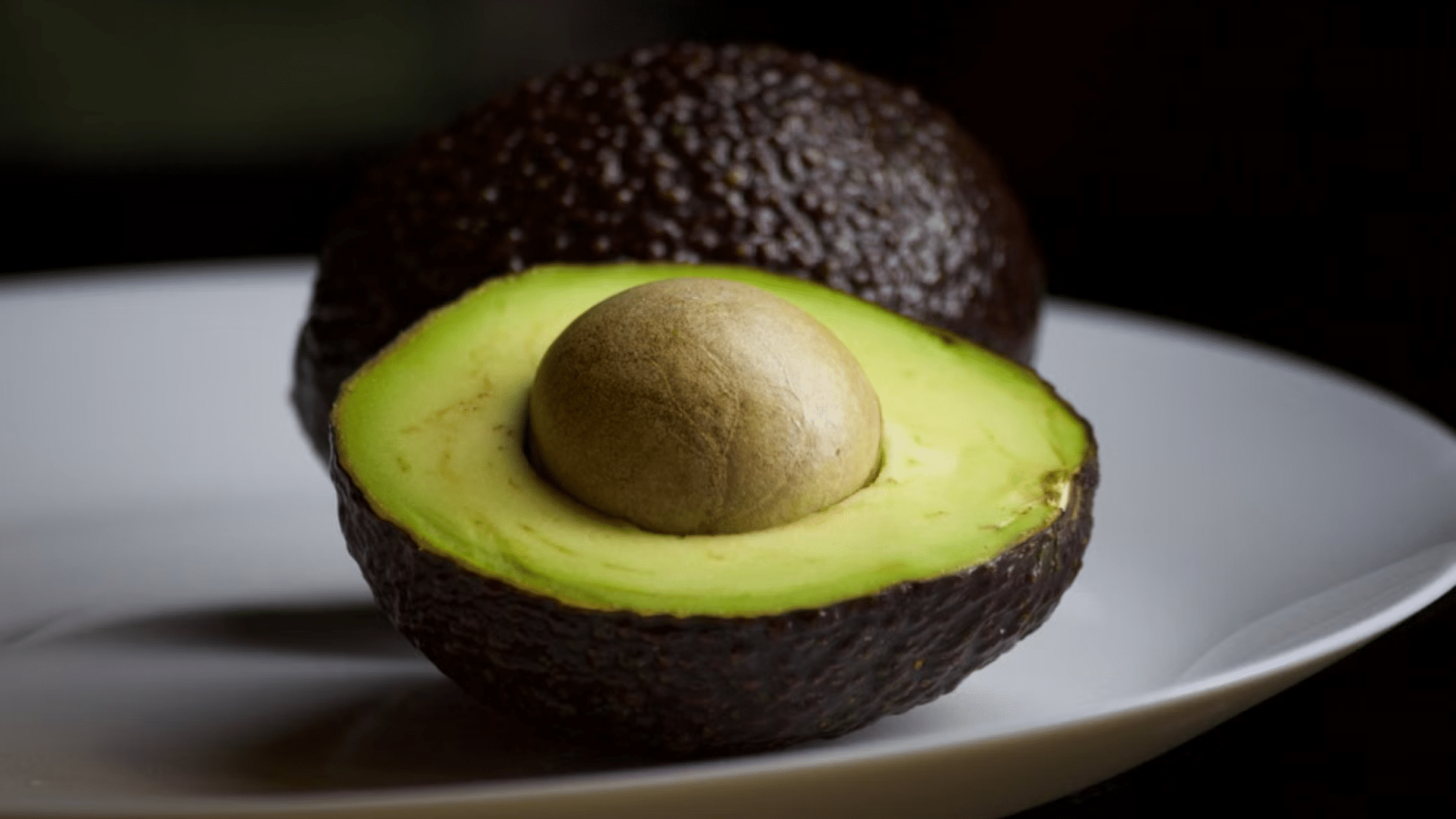
Not every avocado peel has exactly the same nutritional profile. Studies have found differences in phenolic compounds and antioxidant activity among varieties such as Hass, Reed, Wurtz, and Shepard, and ripeness can influence the results as well. In one Australian analysis, ripe Hass peel recorded particularly high total phenolic content and antioxidant activity, showing why research findings about one avocado variety cannot automatically be applied to every avocado on the grocery shelf.
Your Avocado Peel May Have More Potential Than We Realized
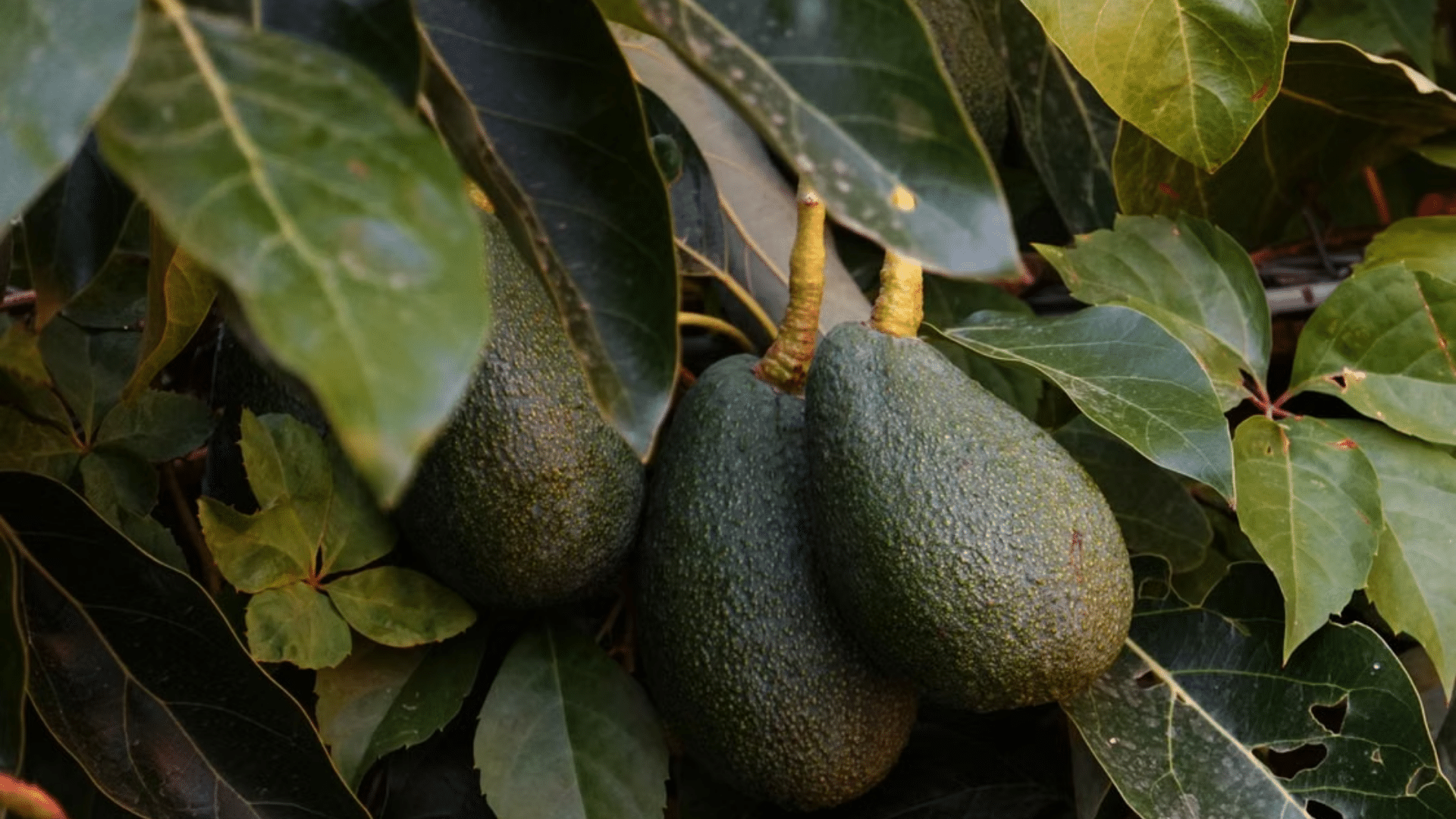
Avocado flesh is already valued for its nutritional benefits, but research is revealing that the part we routinely discard has an interesting nutritional story of its own. The peel contains fiber and a diverse collection of bioactive compounds with substantial antioxidant activity in laboratory studies, making it a promising candidate for future food and health-related applications. For now, the research is more compelling as evidence that avocado peel may be a valuable resource than as a reason to start eating raw skins with every avocado.