Ever Wonder What Chick-fil-A Does With Its Leftover Chicken?
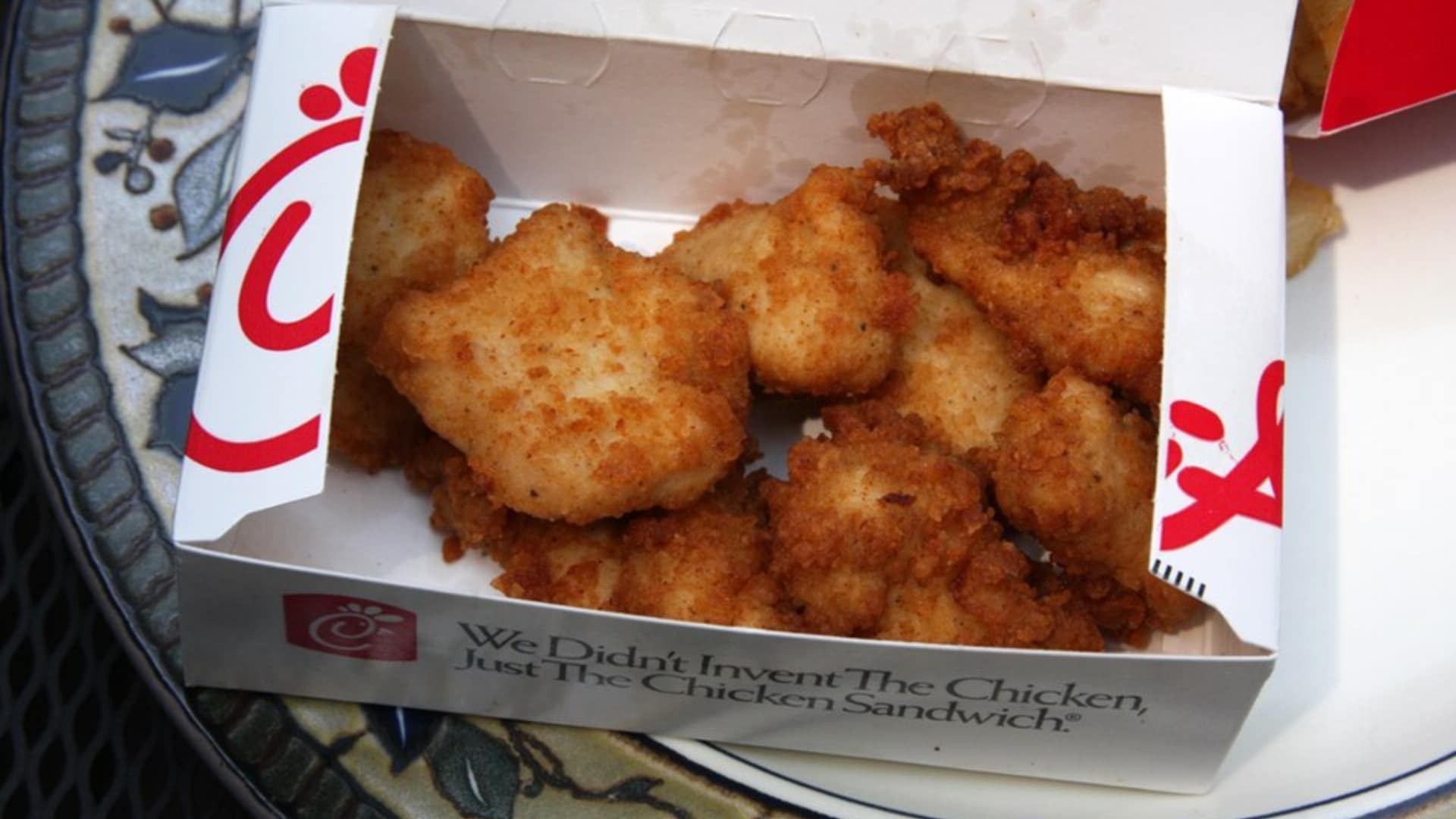

Roughly 40% of the food produced in America goes uneaten, according to Feeding America, and restaurants contribute plenty to that total. Every kitchen ends up with unsold food at some point, and a chain with thousands of locations ends up with a lot of it. Chick-fil-A has a standing answer for what happens to its leftover chicken. The story behind that answer begins with one frustrated restaurant owner in Tennessee.
Marshall Wilkins joined Chick-fil-A in 1981 and operated a restaurant in a Knoxville, Tennessee, mall. For years, his leftover food went where it went at most fast food chains: the trash. That bothered him, because hungry people lived in the same city. “It’s inevitable that we will have unsold products,” Wilkins said, according to Chick-fil-A. He started looking for somewhere better for that food to go.
In the early 1990s, there was no company program to lean on and no template for what he was about to try. He had surplus food, a staff to pack it, and the name of a local organization that fed people for a living. Then he picked up the phone.
A Phone Call to a Knoxville Soup Kitchen Turned Tuesdays Into “Chick-fil-A Days”
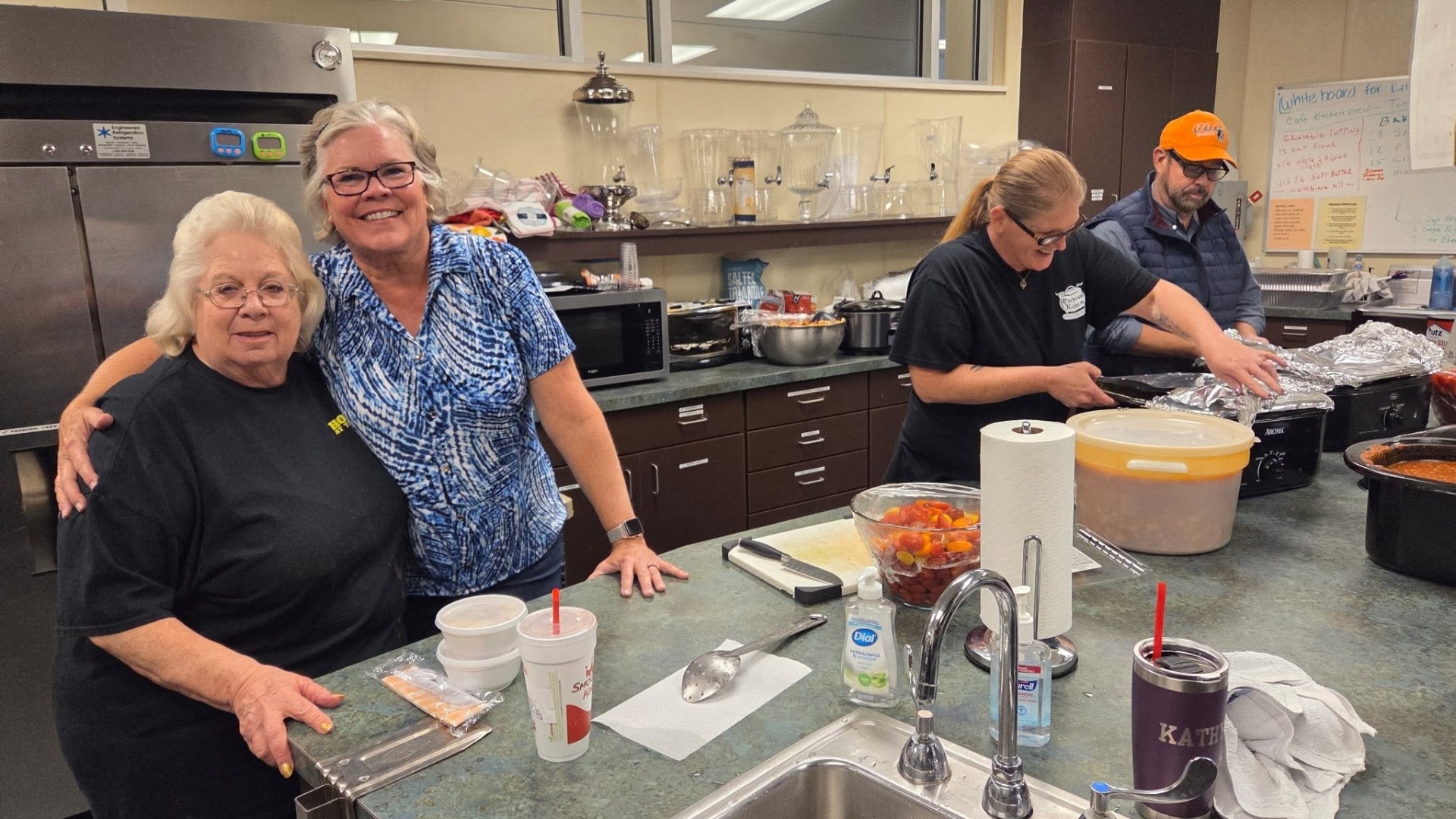
The number belonged to Knoxville Area Rescue Ministries, known as KARM, a nonprofit that runs soup kitchens. KARM said yes. Wilkins began with leftover chicken sandwiches and nuggets, and the two sides settled into a partnership that Chick-fil-A says lasted three decades. There was no program, no corporate backing and no name. It was one restaurant and one organization that could use what the kitchen had too much of.
Word spread among the people KARM served. “Tuesdays in Knoxville are known as Chick-fil-A days,” Wilkins said. Anyone looking for a hot meal could count on a decent shot at repurposed Chick-fil-A food that day. The arrangement stayed local for a while. Then Chick-fil-A’s corporate team learned what a Tennessee Operator had been doing every week, and they saw something that could work in other cities.
Wilkins soon connected with Food Donation Connection, a Knoxville company operating since 1992 that links food businesses with hunger relief agencies. That connection helped match other Chick-fil-A restaurants with soup kitchens and shelters in their own neighborhoods. The scattered arrangements were ready for something bigger. In 2012, Chick-fil-A made it official and gave the idea a name.
Nonprofits Are Turning Donated Chick-fil-A Nuggets Into Sweet and Sour Chicken and Other Hot Meals
The name was Shared Table. Each night except Sunday, when Chick-fil-A restaurants stay closed, crews package food that is still safe to eat. Items include chicken, eggs and biscuits, according to Springfield, Missouri, Operator Steve Lowery. Food Donation Connection finds charities within 5 to 10 miles of each restaurant and sets pickup schedules. The chicken leaves the building, and the real transformation happens in someone else’s kitchen.
Cooks at nonprofit partners treat the donations as ingredients. St Vinnys Bistro in San Antonio shared a recipe for sweet and sour nuggets built from extra Chick-fil-A nuggets. BeyondHome, a Denver-area nonprofit, contributed a chicken Alfredo pasta. Boca Helping Hands in Florida offers chicken nachos, and Project Understanding in California pairs chicken and eggs in a breakfast casserole that calls for half a can of soda.
St Vinnys Bistro has a story beyond its recipe. It serves three hot meals a day, and as of 2023, 12 of its 15 employees, including its executive chef, were former meal recipients who trained for food service jobs. Its recipe appears in Extra Helpings, a free digital cookbook Chick-fil-A released in October 2023 with 26 dishes. The company tallies every meal those kitchens produce, and the count has crossed one milestone after another.
50 Million Meals Later, Chick-fil-A’s Surplus Program Reaches More Than 2,700 Restaurants
Chick-fil-A says its nonprofit partners have created more than 50 million meals from donated food since 2012. More than 2,700 restaurants participate, working with over 1,600 nonprofits. Separately, the company reports that Chick-fil-A, Inc. and its restaurants have diverted more than 61 million pounds of food waste from landfills since 2020. The program also helped the company hit its goal of diverting 25 million pounds by 2025, ahead of schedule.
Not every leftover qualifies. Only food that is still safe to eat gets packed, and federal law makes the donating side easier. The Bill Emerson Good Samaritan Food Donation Act of 1996 shields restaurants from liability when they donate food in good faith to nonprofits, which addressed a fear of lawsuits that had kept many food businesses from giving surplus away. Local Owner-Operators decide for themselves whether to join.
Wilkins, who has worked with Chick-fil-A in Knoxville for more than four decades, describes the motive in plain business terms. In a 2023 interview, he said a restaurateur’s goal is profit, and “to make a profit, we try not to have waste.” More than 90 percent of Chick-fil-A restaurants now operate on that principle, and chicken that once went into a Knoxville trash can reaches plates within miles of where it was cooked.