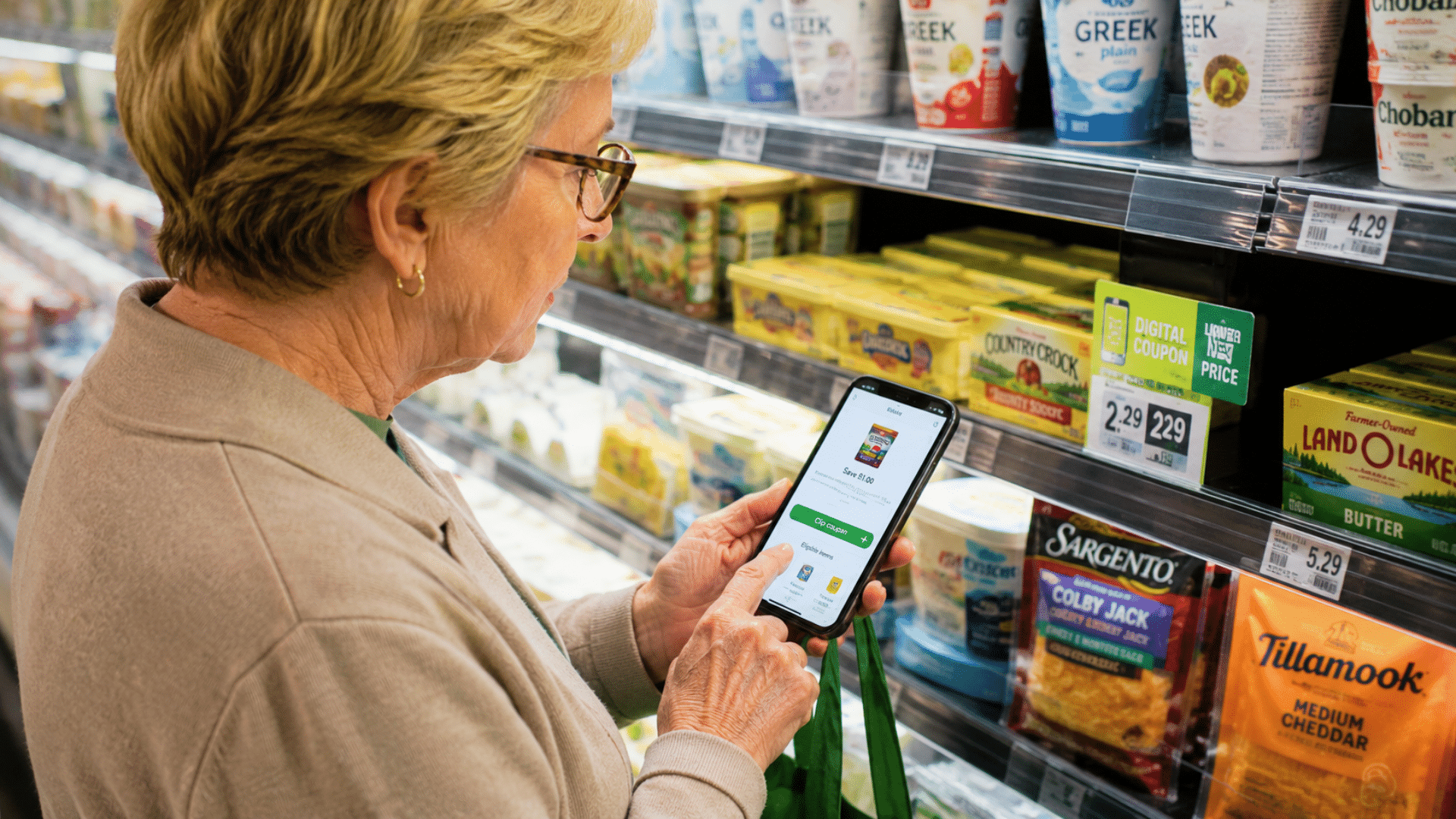
A grocery run that once meant pushing a cart, clipping paper coupons, and chatting with a cashier increasingly involves apps, digital discounts, self checkout machines, and fewer employees. For some baby boomers, those changes have made a familiar routine more frustrating. Surveys and consumer research suggest older shoppers often place greater value on human service, familiar brands, and traditional shopping experiences, creating tension as supermarkets become increasingly automated.
This article was created with the assistance of AI and reviewed by our editorial team for accuracy and clarity.
Self-Checkout Tops the List of Frustrations
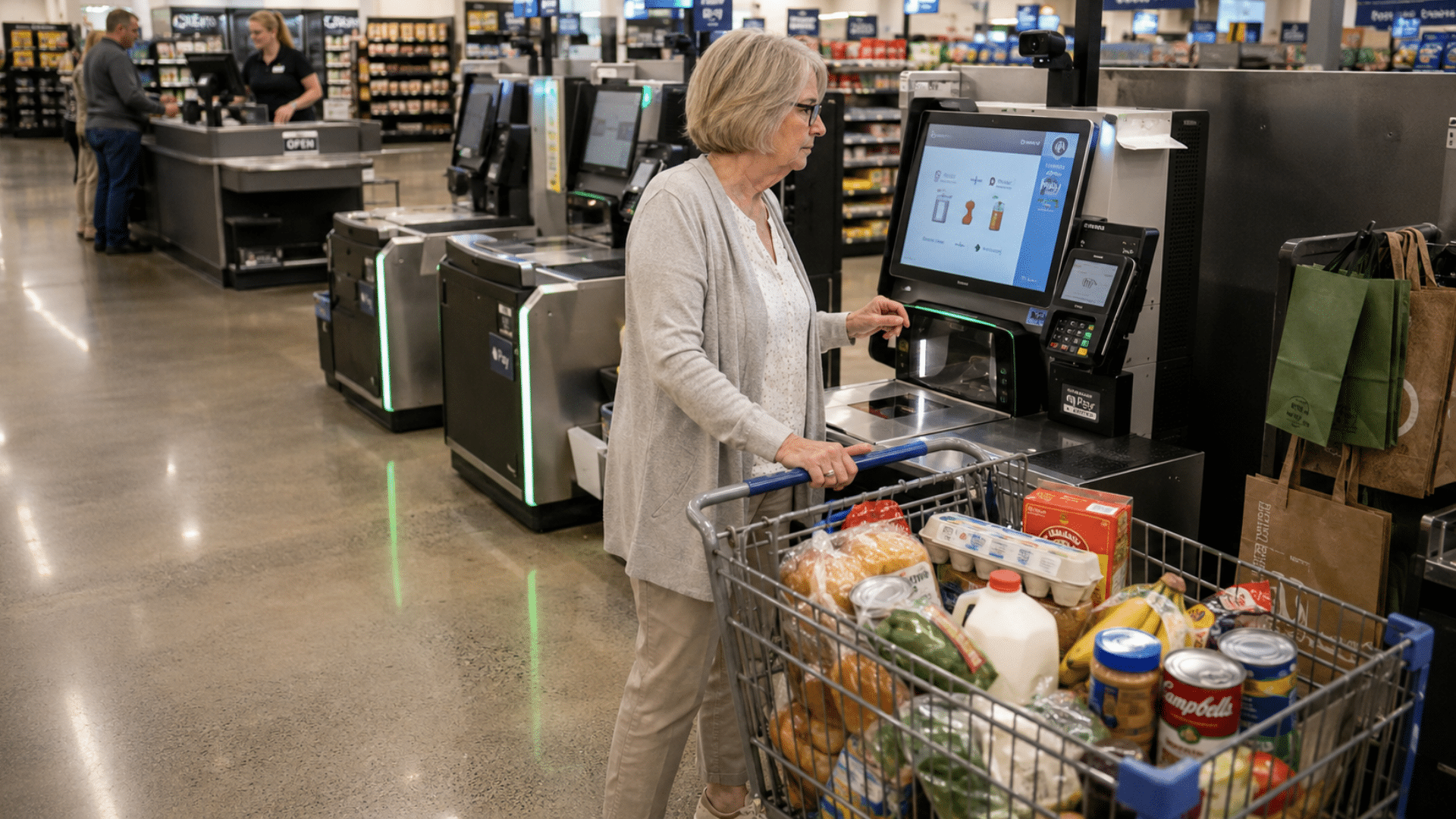
Self-checkout may promise shorter lines, but older shoppers appear much less enthusiastic about doing the cashier’s job themselves. One survey cited in a recent analysis found that 75% of shoppers 55 and older preferred a human cashier, while 46% of adults ages 18 to 34 would choose self-checkout. Produce lookups, unexpected machine errors, and the loss of personal interaction can turn a supposedly convenient checkout into an irritating final step.
Discount Stores Can Trade Service for Lower Prices
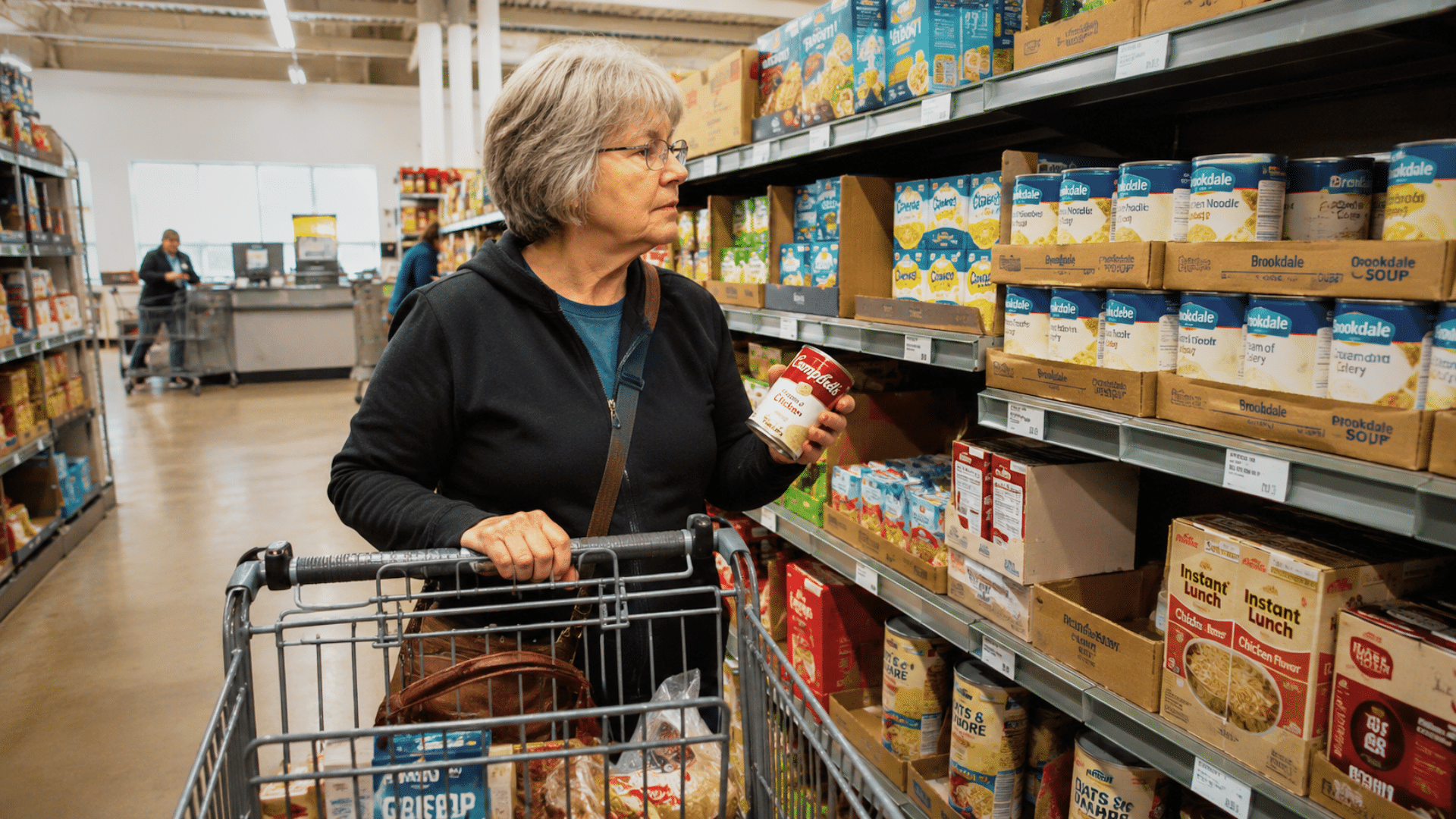
Aldi, Walmart, and other value focused retailers have reshaped grocery shopping around lower prices, private label products, and leaner operations. That formula does not appeal equally to every generation. Older shoppers have traditionally placed considerable importance on familiar products and service, while younger consumers have helped drive interest in cheaper private label alternatives. For shoppers accustomed to conventional supermarkets, saving a few dollars may feel less worthwhile when the experience sacrifices something they value.
Rearranged Aisles Can Turn a Quick Trip Into a Search
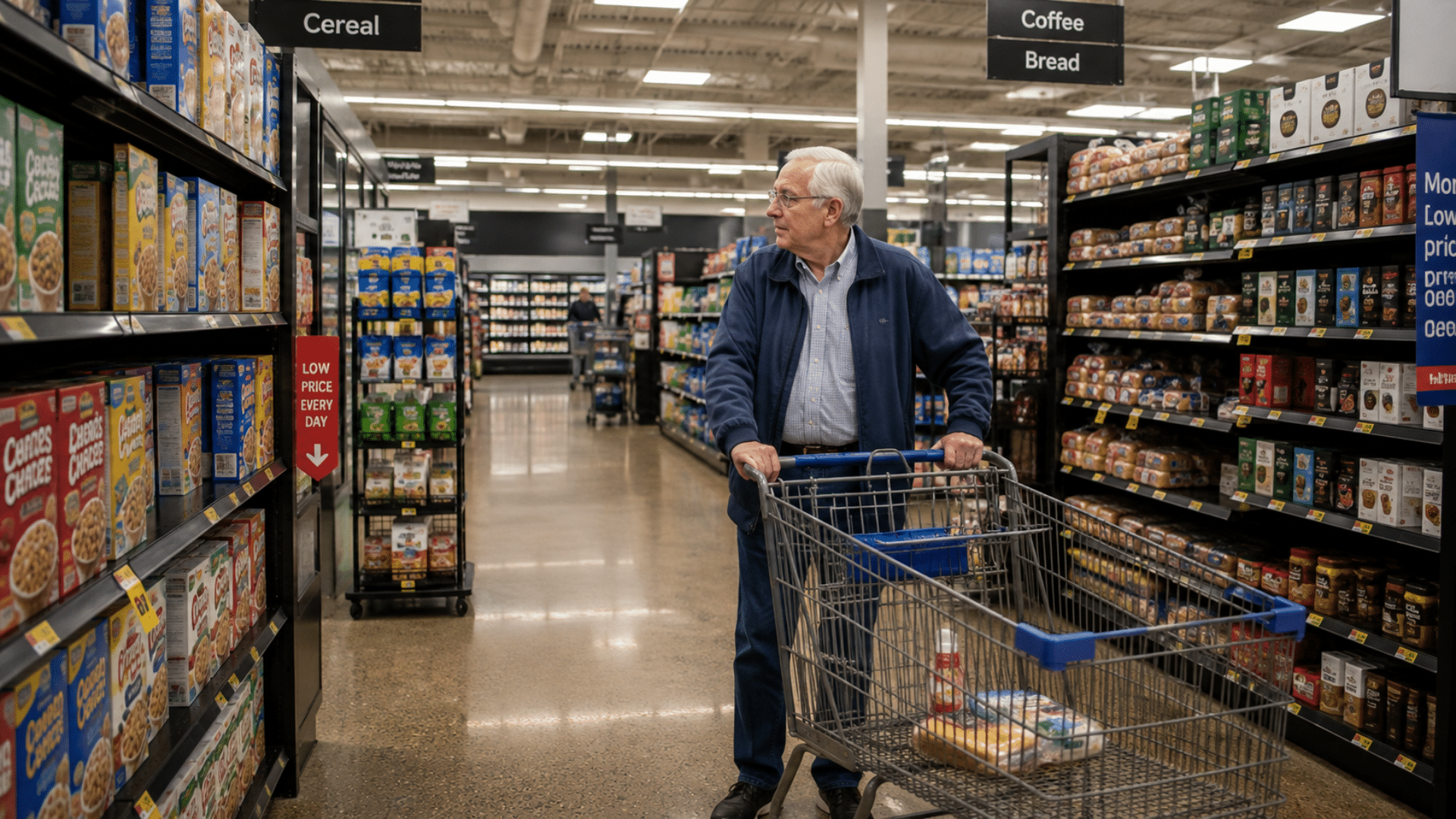
Moving cereal, bread, or coffee to another aisle may encourage customers to explore more of a store, but regular shoppers can find the practice maddening. Older adults may face an additional challenge when mobility makes unnecessary walking more difficult. Familiar layouts allow shoppers to plan an efficient route and find essentials quickly. Change that layout without warning, and a routine grocery trip can require considerably more time and effort than expected.
Digital Coupons Can Put Discounts Behind a Smartphone
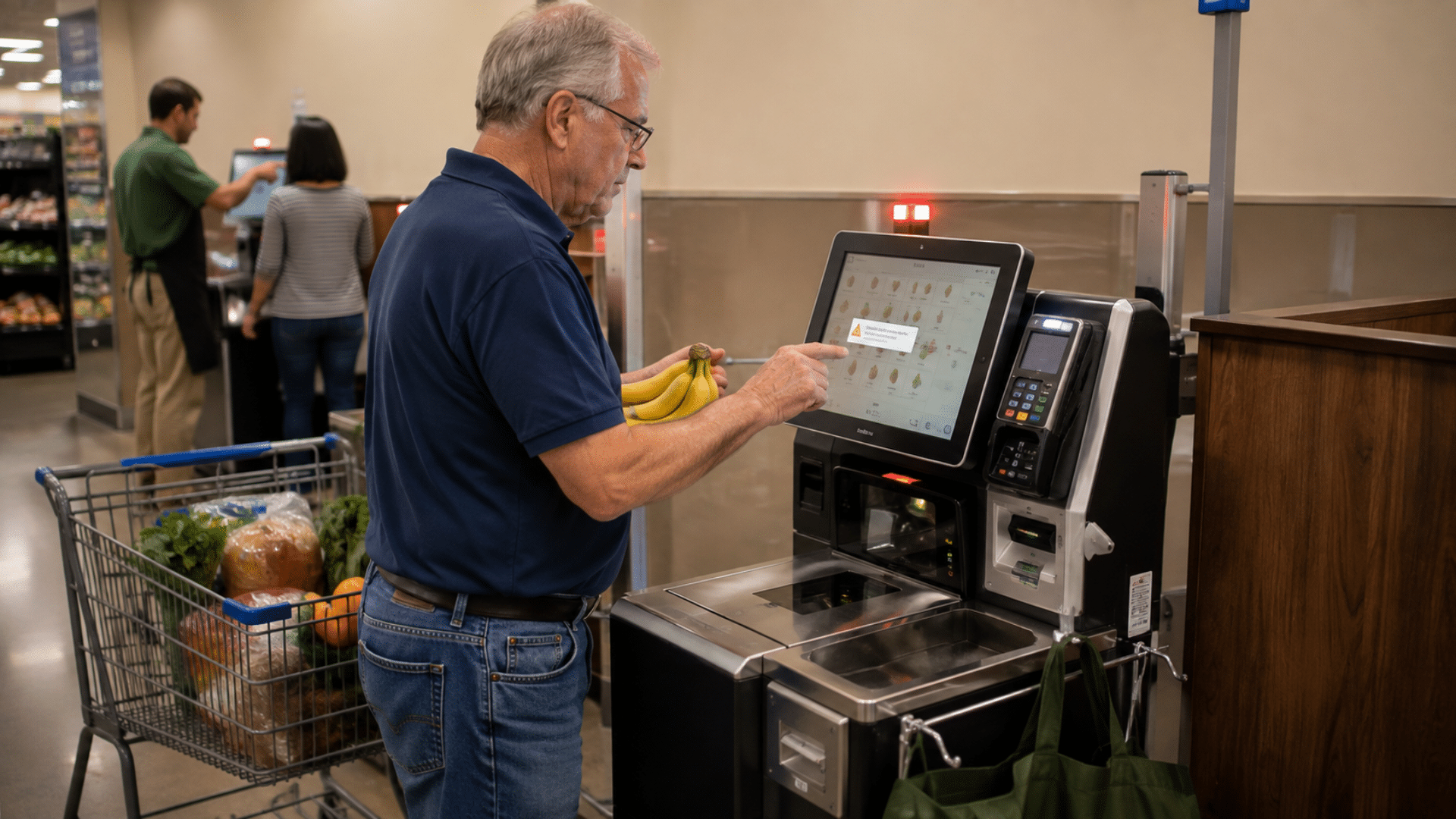
Weekly circulars and clipped coupons once made grocery discounts accessible with little more than a pair of scissors. Increasingly, special prices require loyalty accounts, apps, or digital coupons. Older Americans have rapidly embraced smartphones, but an age gap remains. Pew Research Center reported in 2025 that 78% of adults 65 and older owned smartphones, compared with 97% of adults under 30. That leaves millions of older Americans potentially facing an extra hurdle at the shelf.
A Bad Shopping Cart Can Become More Than an Annoyance
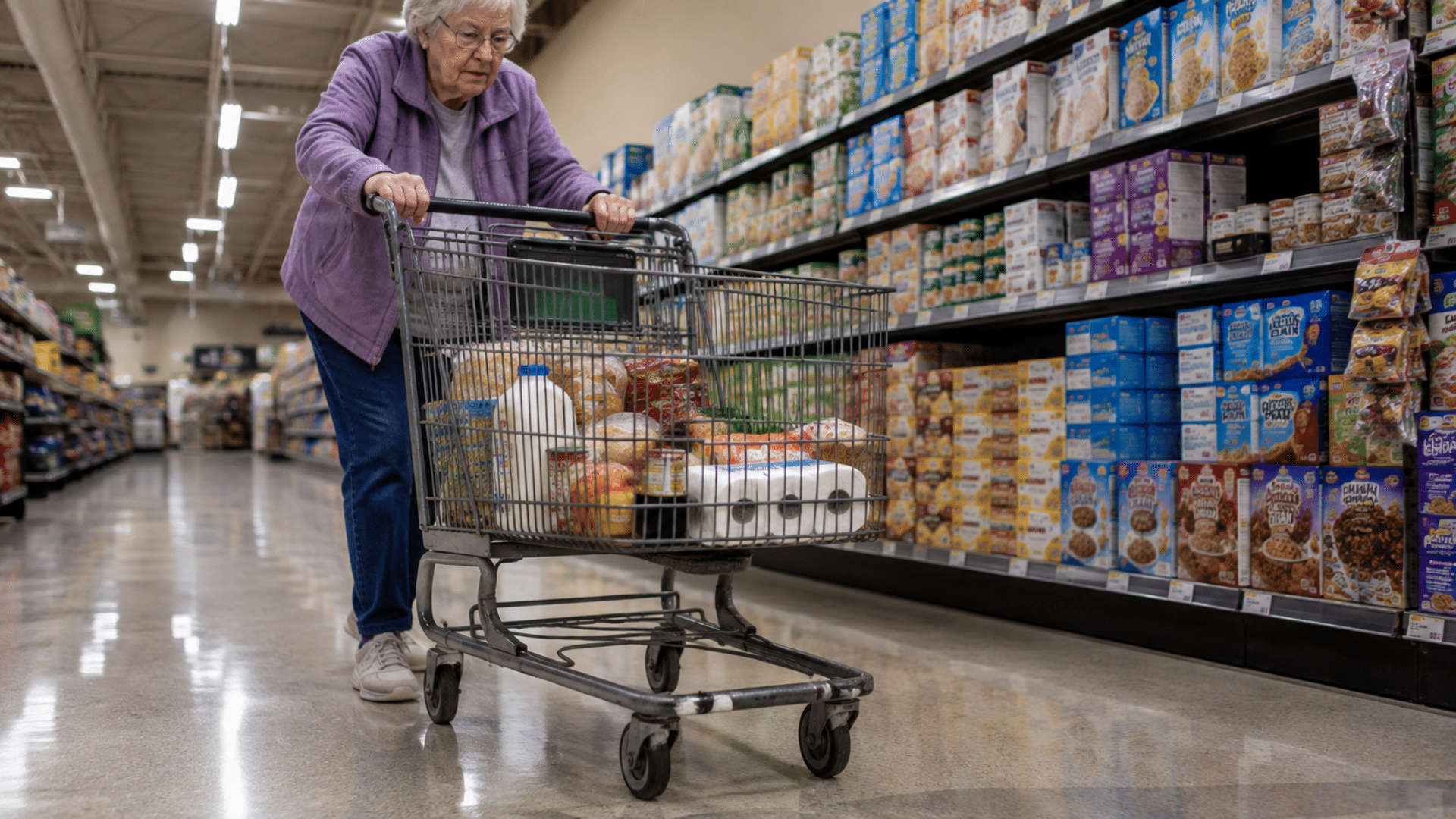
Everyone knows the frustration of grabbing a cart with a wheel that sticks, rattles, or stubbornly pulls sideways. For some older shoppers, the problem carries greater consequences. Grocery carts can provide useful support while navigating large supermarkets, particularly for customers who tire easily or have difficulty walking long distances. A poorly maintained cart can make that trip harder, turning a minor maintenance problem into something that affects how comfortably a customer can navigate the entire store.
Familiar Brands Still Carry Extra Weight With Boomers
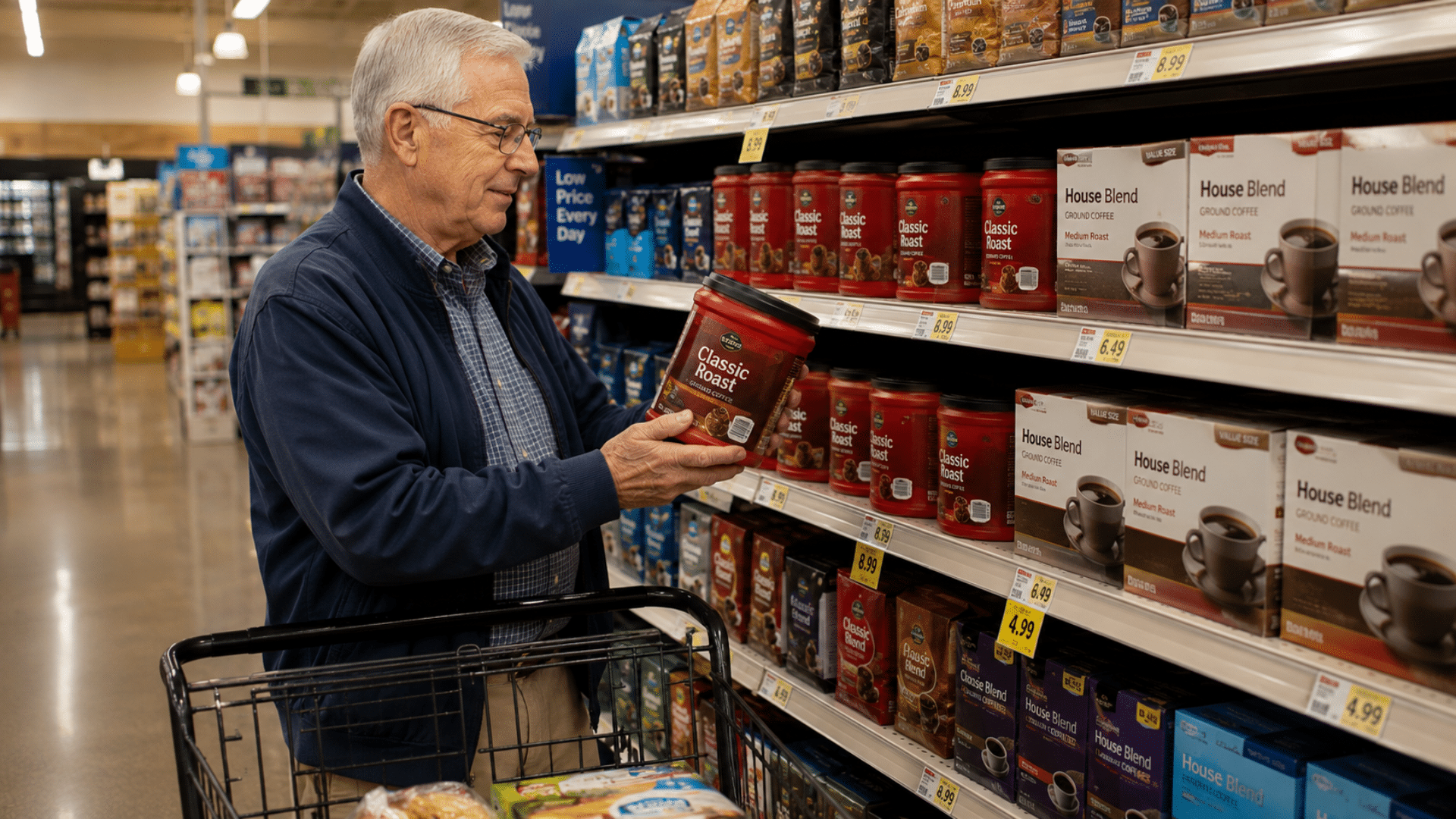
Store brands have become increasingly sophisticated, but boomers remain unusually loyal to products they already know. Consumer research firm Numerator found that 26% of boomers rarely or almost never consider switching from their favorite brand, making them 30% more likely than Gen Z shoppers to say the same. That loyalty can make stores dominated by unfamiliar private labels less appealing, even when the alternatives sitting beside those familiar names cost considerably less.
Empty Shelves and Fewer Employees Test Shoppers’ Patience
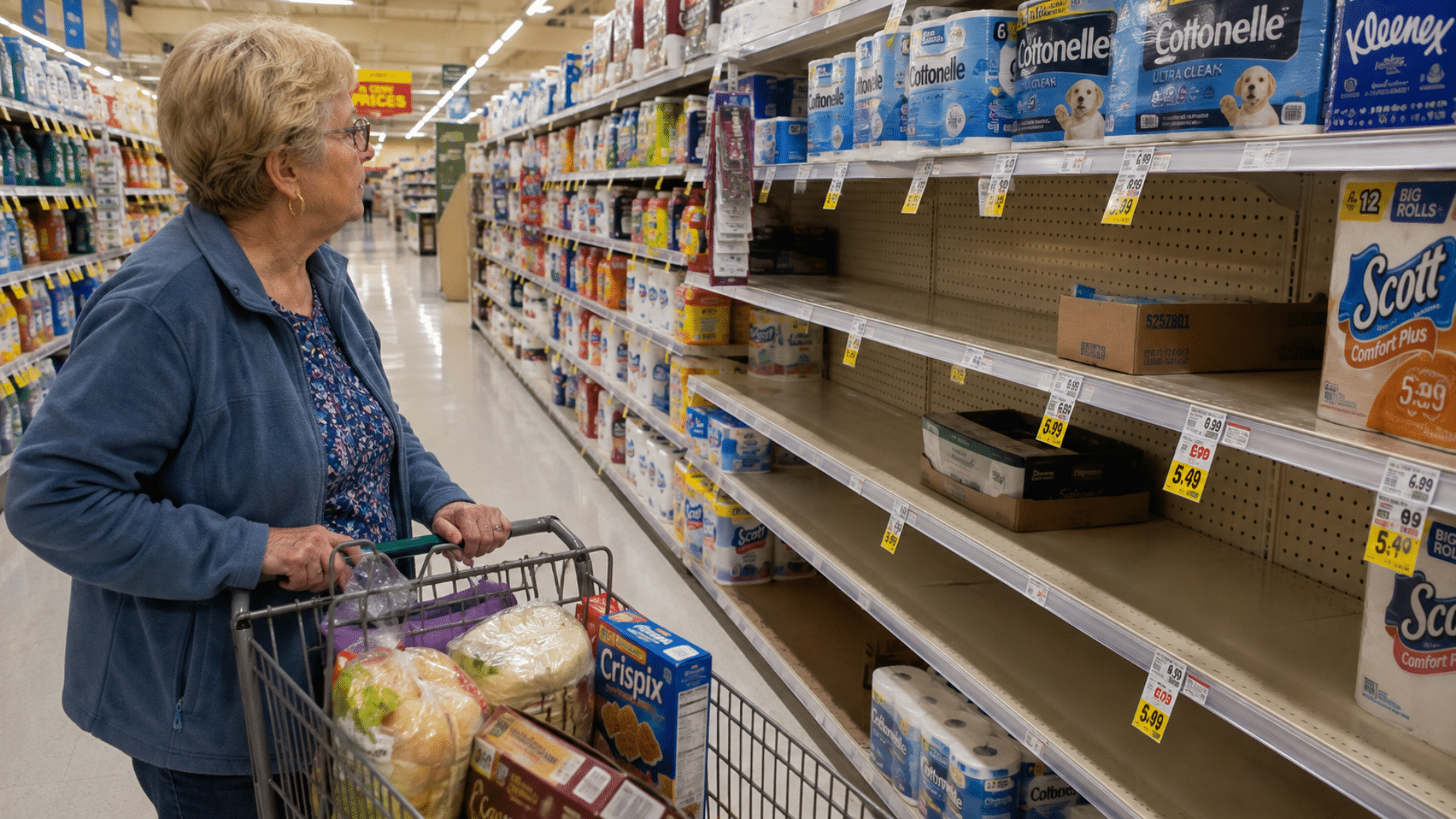
Finding an empty shelf is irritating when someone has planned a trip around a particular product or advertised deal. Getting help can also be harder when fewer employees are working nearby. For shoppers who place a high value on customer service, those problems compound quickly. An employee can check inventory, locate an alternative, or simply explain the situation. Increased automation removes some of those interactions, leaving customers to solve more problems themselves.
Bagging Your Own Groceries Marks Another Major Shift
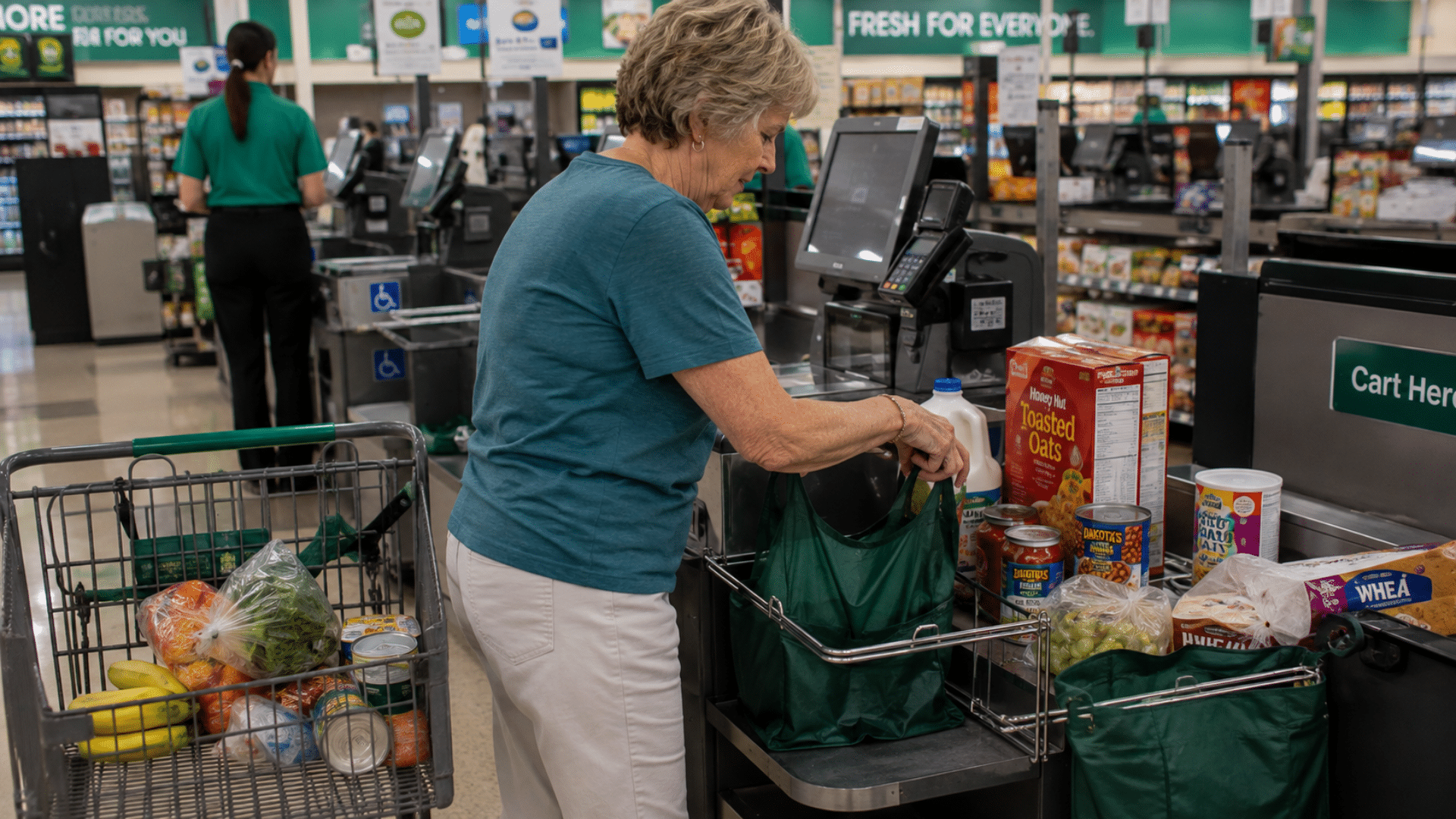
Dedicated grocery baggers were once a routine part of supermarket service, sometimes carrying purchases all the way to a customer’s car. That experience has become much less common as retailers streamline staffing and shift more work toward shoppers. Customers may now scan their purchases, pay at a machine, and bag everything themselves. For people who spent decades expecting assistance at checkout, today’s grocery trip can feel strikingly different from the service centered experience they remember.
Premade Meals Highlight a Bigger Generational Divide
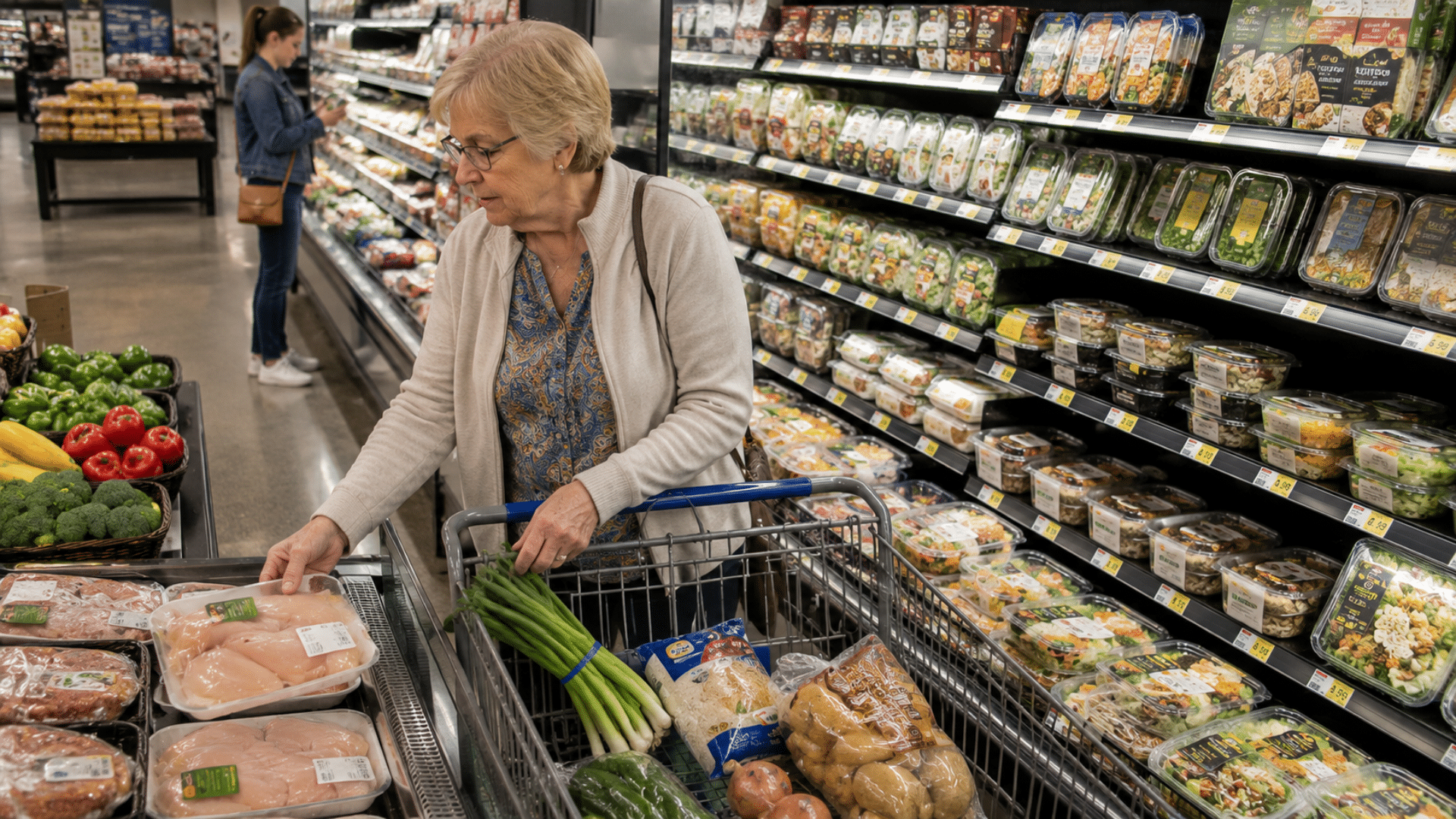
Precut produce, ready-made salads, and ready to cook meats have expanded as supermarkets cater to shoppers seeking faster meals. Younger customers appear particularly interested in that convenience. The source cites research finding that 45% of shoppers ages 15 to 24 sought ways to reduce meal preparation time, compared with 29% of those 65 and older. For many boomers, preparing food from scratch remains more familiar, closing out a list shaped largely by changing ideas of convenience.
Convenience Means Different Things to Different Generations
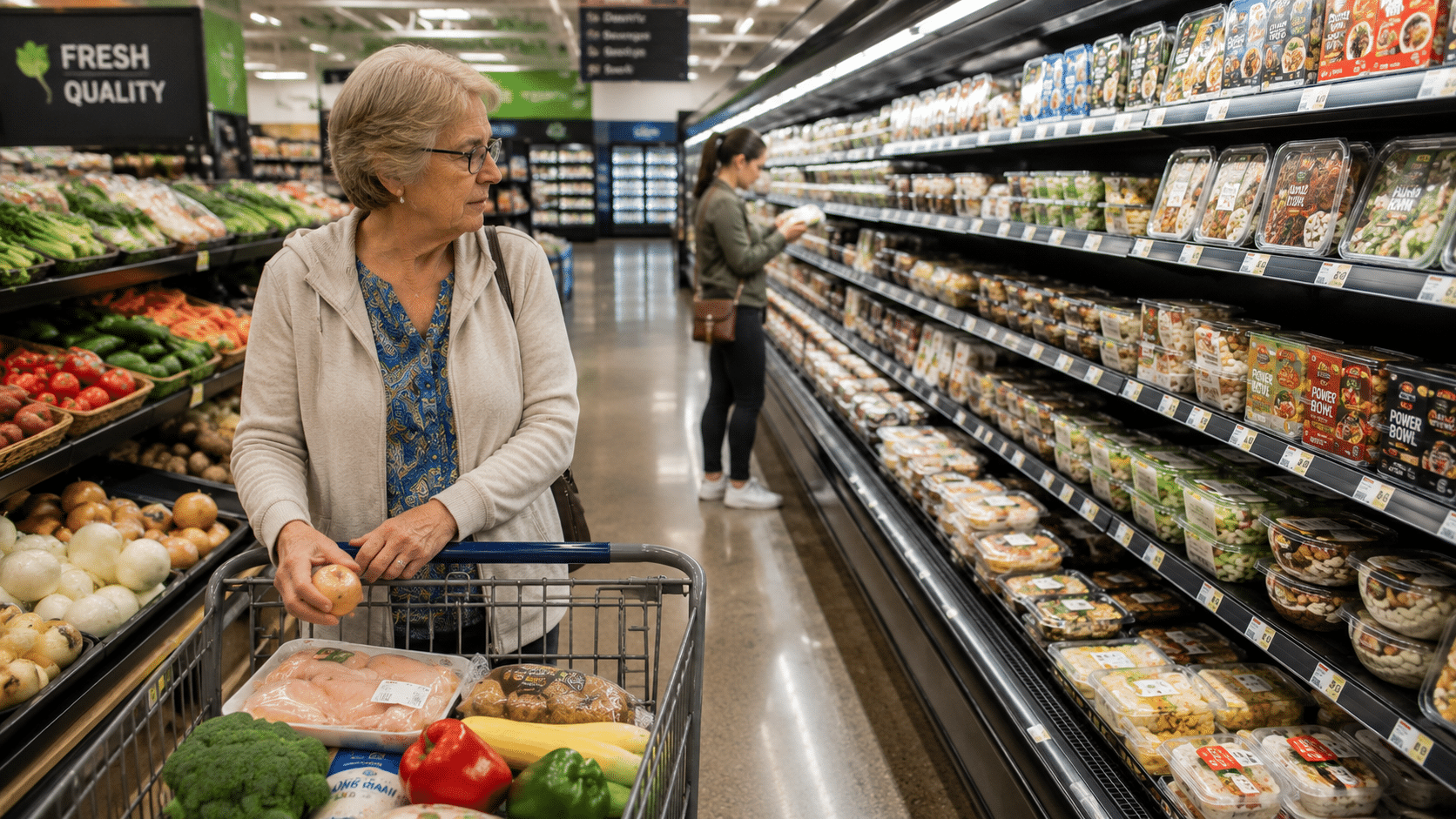
Ready made meals, digital deals, self checkout, private labels, and automated services all promise some combination of speed or savings. Yet convenience depends heavily on the shopper. Younger customers may appreciate technology that eliminates waiting and interaction, while some older shoppers value consistency, familiar products, and employees who can help. Grocery stores increasingly have to serve both expectations at once, because modernization works best when customers can still shop comfortably regardless of age or technological confidence.