Instant Noodles Have a Health Problem, But Why Can’t We Ever Give Them Up?
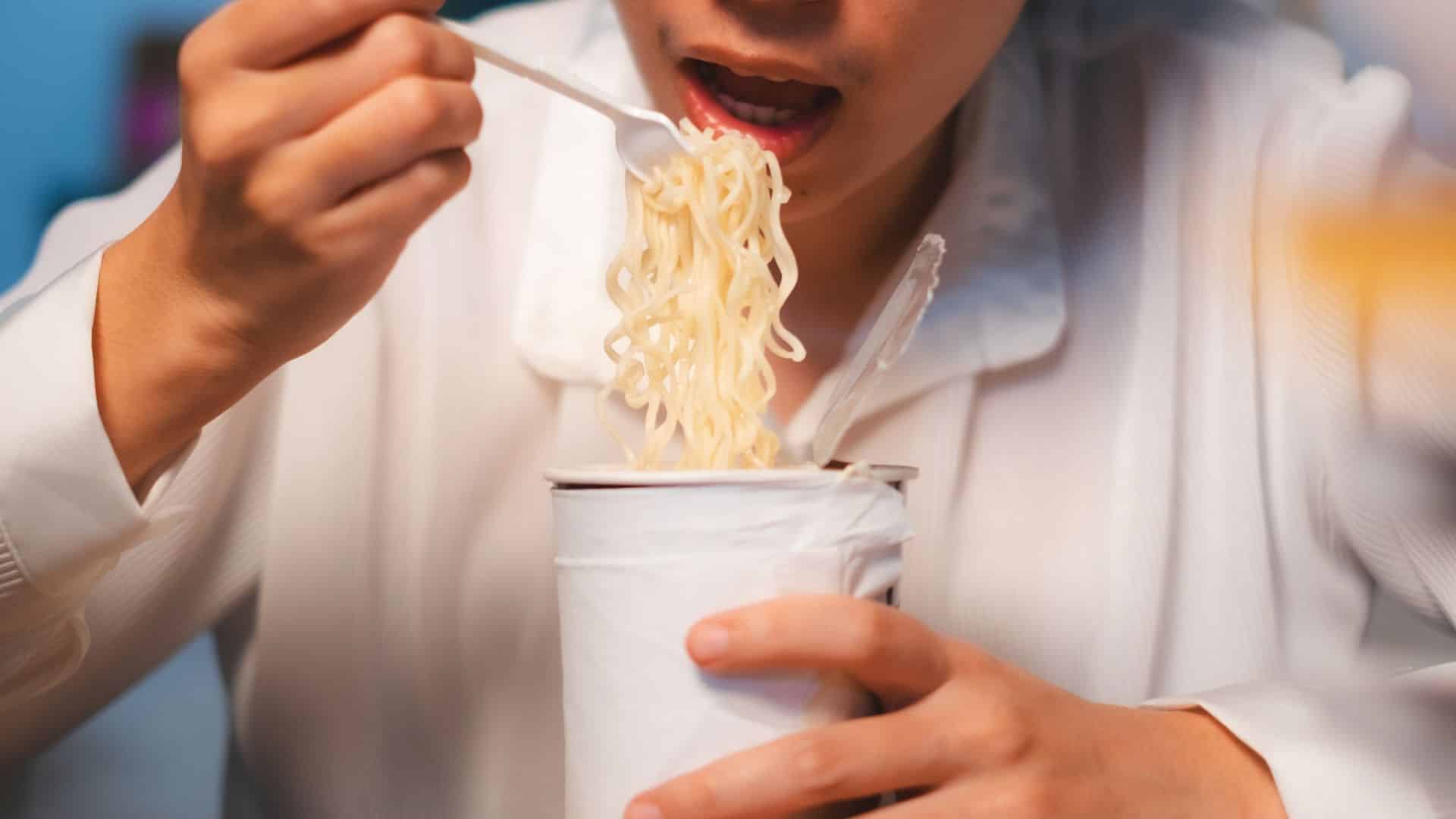

What is the first thing most people reach for when nobody is around to judge their dinner choices? For millions of people worldwide, the answer is instant noodles, according to a recent CNN feature on the phenomenon. These cheap, salty packets have fueled tired chefs, broke college students, and just about everyone in between for decades.
That popularity is not slowing down either, despite growing awareness of clean eating and plant based diets. The global instant noodle industry is projected to swell from $64.67 billion in 2025 to a staggering $98.46 billion by 2032, even as new studies keep surfacing linking regular consumption to dementia risk, heart disease, and hormonal imbalances.
Scientists studying ultra processed foods have a fairly simple explanation for why nobody seems willing to quit: addiction. Researchers point to the high energy density of instant noodles, meaning a lot of calories packed into very little food, combined with genuine hyperpalatability, that irresistible combination of salt, sugar, fat, and carbs working together to keep people coming back for more.
The Health Risks Behind the Craving
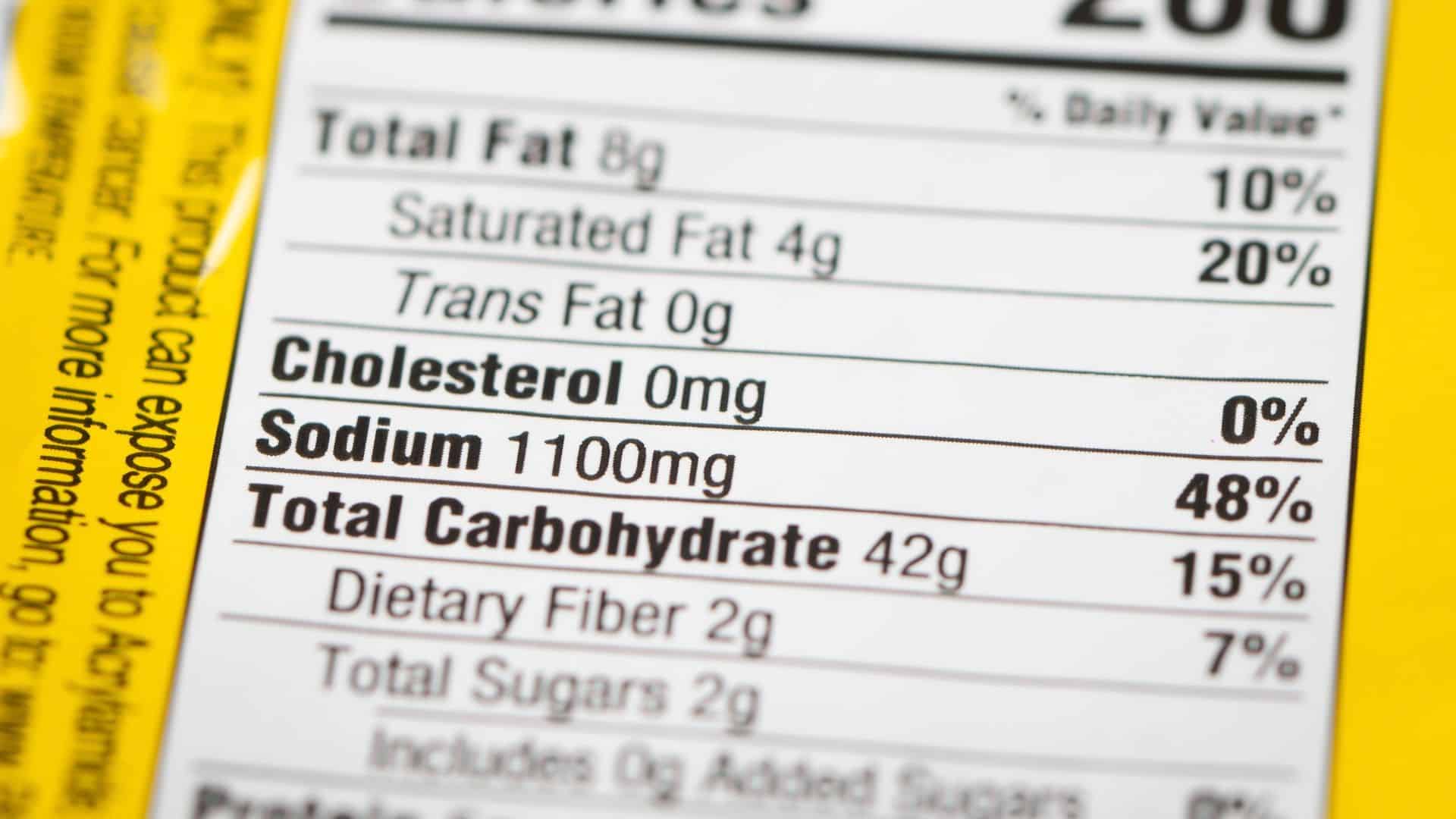
Sodium is where the concerns start. A single standard package of instant noodles can contain around 1,385 milligrams of sodium, according to nutritional data reported by Prodia, which is more than half of the World Health Organization’s recommended daily limit of 2,000 milligrams. That level of sodium consumed regularly can raise blood pressure and put ongoing strain on the heart.
Beyond sodium, frequent instant noodle consumption has been linked to an increased risk of metabolic syndrome, a cluster of conditions including high blood pressure, abnormal blood sugar, and excess abdominal fat. Because instant noodles are made primarily from refined carbohydrates, they can also cause rapid blood sugar spikes, particularly when eaten without any accompanying protein or fiber to slow digestion down.
The fried preparation process common to most instant noodle brands adds another layer of concern for heart health. According to a breakdown of the side effects from Kannappa Memorial Hospital, the combination of high sodium and processed saturated fats can raise LDL cholesterol levels over time, contributing to clogged arteries and a higher long term risk of cardiovascular disease.
So Why Can’t the World Quit Them?

Despite all of that, global demand for instant noodles has reached an all time high of 123 billion servings consumed every single year. China leads all countries in total consumption, devouring more than 43,800 million packs annually, while Vietnam holds the title for the highest per capita consumption at 81 servings per person each year.
Chef David Lai, owner of the acclaimed Hong Kong restaurant Neighborhood and a Nongshim brand ambassador, argues the appeal goes well beyond simple convenience. “They are also very democratic, everyone could afford it, a cheap dopamine hit,” Lai told CNN. He describes instant noodles as a legitimate ingredient in their own right, comparing them to dry pasta rather than dismissing them as inferior junk food.
Manufacturers are responding to health concerns by innovating rather than retreating. Nissin, the company that invented instant noodles back in 1958, has developed a Kanzen Meshi, or Complete Nutrition, product line that packs 33 essential nutrients into a standard noodle block. The goal, according to the company, is proving that a food can be both genuinely instant and genuinely nourishing at the same time.
How to Enjoy Them Without the Guilt
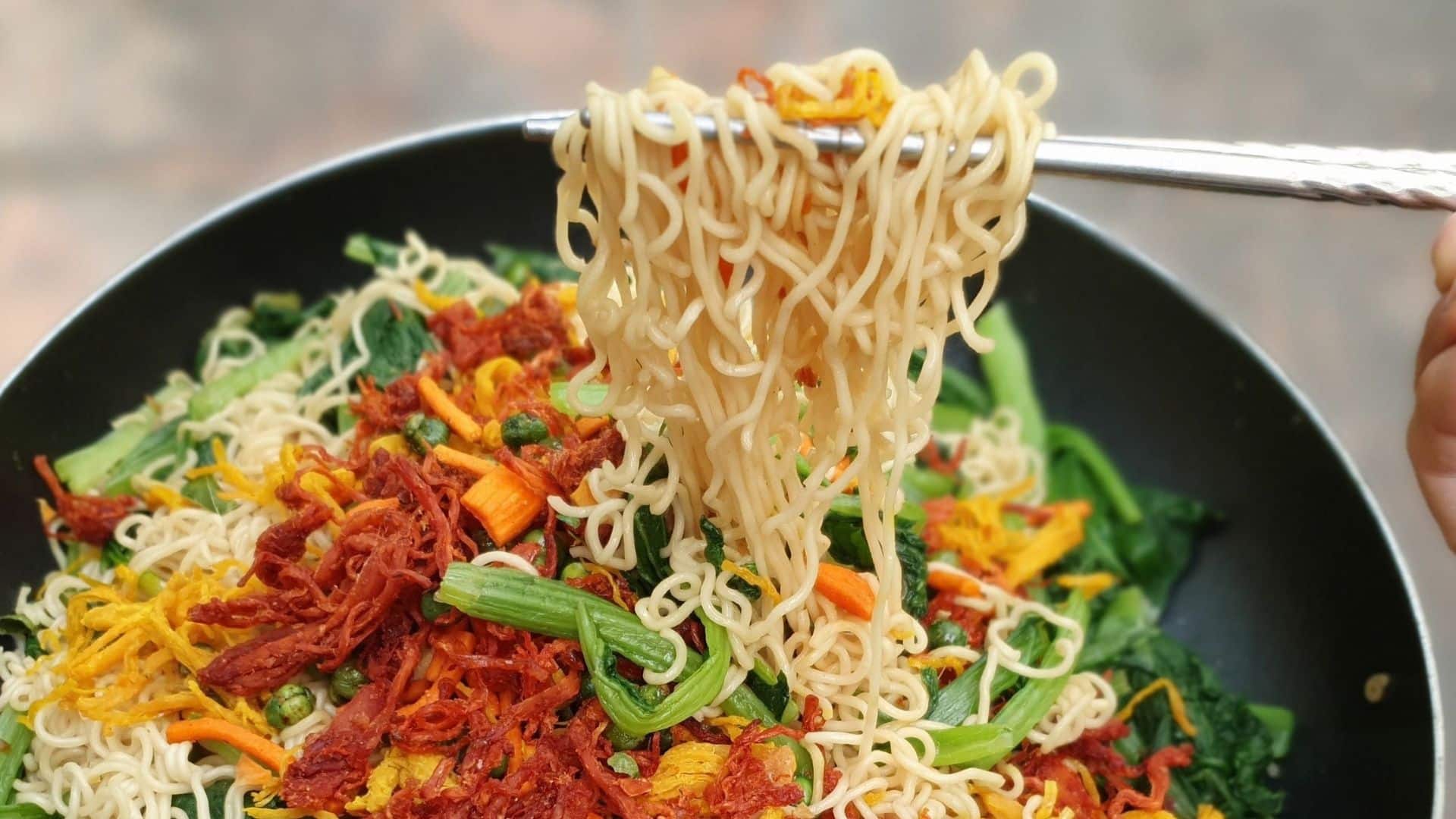
For most healthy people, occasional instant noodle consumption is not considered a serious health risk, with concerns really emerging when noodles become a frequent replacement for balanced meals. A few simple additions can meaningfully improve their nutritional value, including tossing in vegetables like spinach or bell peppers and adding a quality protein source such as eggs, tofu, or grilled chicken.
Using only part of the included seasoning packet is one of the easiest ways to cut sodium significantly while still keeping plenty of flavor, especially when supplemented with garlic, ginger, or a squeeze of lemon instead. Certain groups, including children, people with high blood pressure, and those managing diabetes, should be particularly mindful about how often instant noodles show up on their plate.
At the end of the day, moderation is what actually separates a harmless comfort food from a genuine health concern. Whether it is a quick meal after a long shift or a nostalgic craving nobody can shake, instant noodles are likely to remain a global favorite precisely because they deliver exactly what they promise: something warm, fast, and satisfying, right when it is needed most.