Is Starbucks Buying Chipotle? The Coffee Chain Finally Addressed the Rumors

Starbucks has officially denied that it plans to buy Chipotle Mexican Grill, putting an end to speculation about a potential deal between two of America’s biggest restaurant brands. The rumors gained attention after the Financial Times reported on October 8, 2026, that Starbucks had worked with advisers in recent months on a possible proposal to acquire the burrito chain. A Starbucks spokesperson subsequently clarified that the company was not buying Chipotle, emphasizing that management remains focused on its existing business strategy.
The possibility of a merger attracted attention partly because Starbucks CEO Brian Niccol previously served as Chipotle’s chief executive for six years before leaving in 2024 to take the top job at Starbucks. Investors quickly considered what a combination of the coffee giant and the fast-casual Mexican restaurant chain could look like, particularly under a leader familiar with both businesses. However, the companies have not announced an acquisition, and the original report did not establish that Starbucks had made a formal offer.
The speculation also had an immediate effect on Wall Street. Chipotle shares climbed as much as 8% after the takeover report surfaced, as investors considered the possibility that Starbucks might pay a premium to acquire the company. After Starbucks denied the rumors on October 12, Chipotle shares fell while Starbucks shares edged higher, reflecting investors’ changing expectations about whether a deal would happen.
Why a Starbucks and Chipotle Merger Seemed Possible
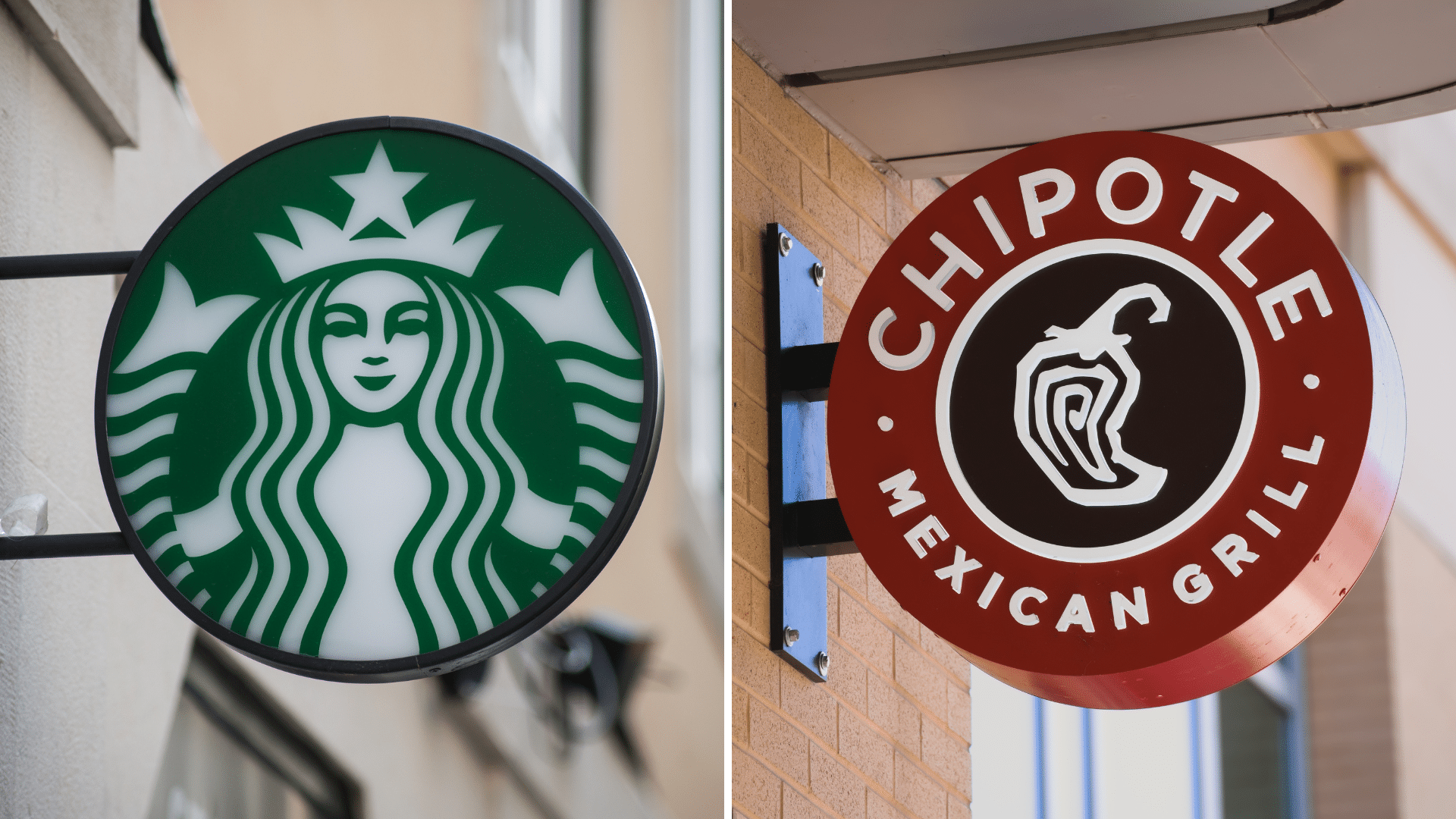
Brian Niccol’s history with Chipotle helped fuel the speculation because he led the chain through a period of growth and digital expansion before joining Starbucks in September 2024. His move attracted significant attention from investors, who hoped he could apply similar operational improvements to the coffee business. Since his departure from Chipotle, the burrito chain’s stock has lost roughly half its value at points, adding another dimension to discussions about its valuation and potential acquisition interest.
A takeover would have been an enormous transaction, with Chipotle’s market value estimated at approximately $47 billion in CBS News’ October 12 report. A deal of that scale could have become one of the largest restaurant acquisitions in history, far exceeding Burger King’s $11.4 billion purchase of Tim Hortons in 2014. Even for Starbucks, a company with substantial financial resources, such a purchase would raise major questions about financing, shareholder dilution and whether the combined businesses could generate enough benefits to justify the expense.
Industry analysts were skeptical that the two chains would benefit enough from a merger to justify the risks. TD Cowen analysts described the possibility as a low-probability outcome, pointing to Starbucks’ need to focus on its own turnaround rather than take on a costly acquisition. Although the companies might theoretically find opportunities in loyalty programs, international expansion or shared business operations, analysts questioned whether those potential benefits would outweigh the financial and operational challenges.
Starbucks Is Prioritizing Its Own Turnaround
Instead of pursuing Chipotle, Starbucks says it remains focused on its “Back to Starbucks” strategy, the plan introduced under Niccol to improve the customer experience and strengthen the company’s core business. The initiative emphasizes making cafés more welcoming, improving service and reducing wait times, while investing in store operations and bringing customers back more consistently. Starbucks has framed these changes as central to restoring sustainable growth rather than diverting management attention toward a major acquisition.
The company has reported signs of improvement under the strategy. Starbucks’ third-quarter earnings showed global comparable-store sales rising 7.9%, while North American company-operated comparable sales increased 8.1%, according to reporting on the results. Those figures offered encouragement that the turnaround was gaining traction, although the company still faces the challenge of maintaining customer traffic, controlling costs and delivering a consistent experience across its extensive store network.
Starbucks is also continuing to make difficult operational decisions as it works to improve performance. Recent reporting said the company planned to close 250 stores in the United States and Canada as part of its restructuring efforts, underscoring why analysts questioned whether a multibillion-dollar acquisition would be a sensible priority right now. The company has said it will provide more details about its fourth-quarter results and fiscal 2027 outlook later in October.
What Happens Next for Starbucks and Chipotle?
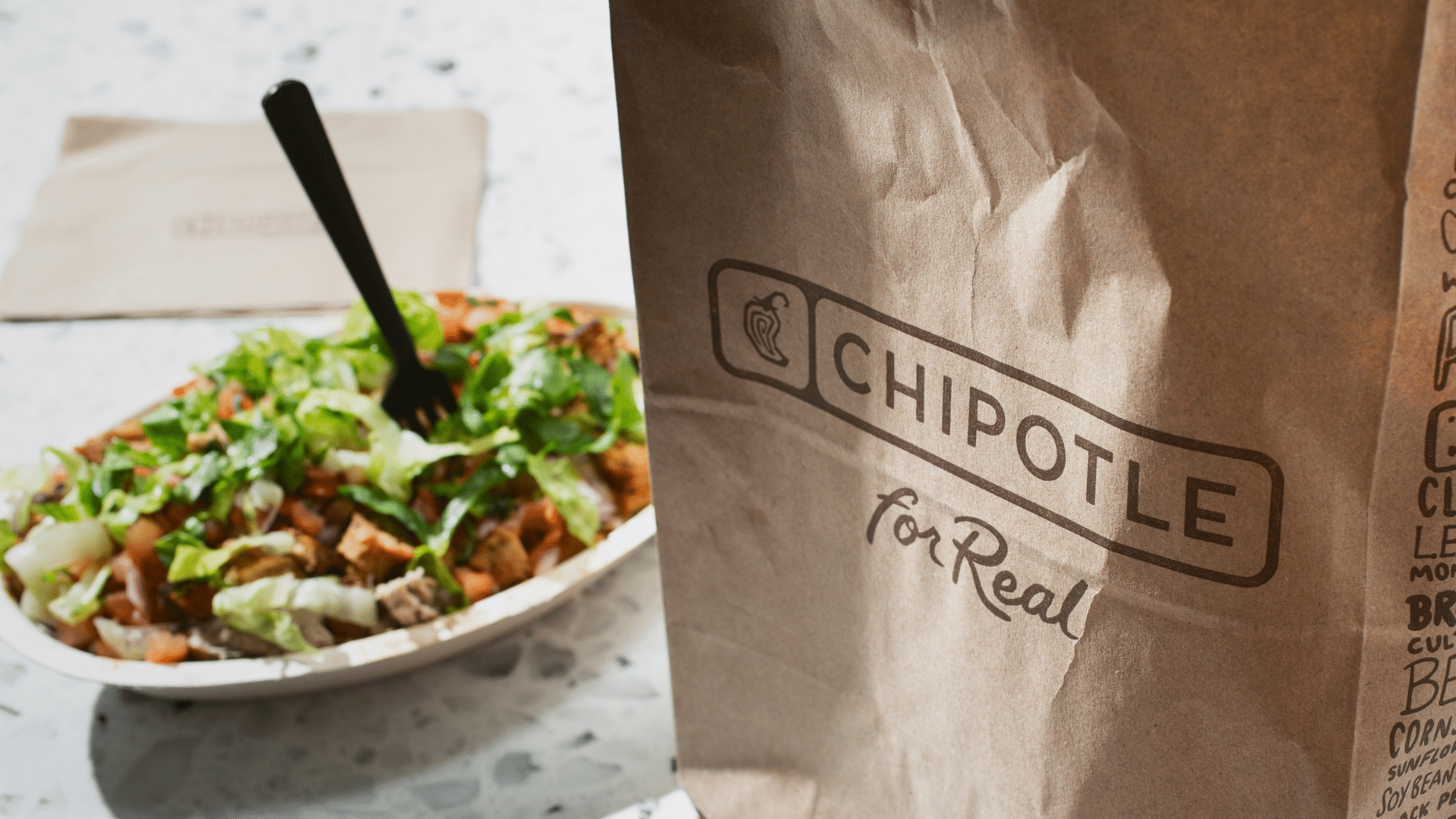
For now, customers should not expect Starbucks and Chipotle to become part of the same company. Starbucks has directly rejected the takeover speculation, and neither business has announced plans for a merger. Although the report briefly prompted investors to consider what a combined restaurant giant might look like, the coffee chain’s public position is that its attention remains on improving its own operations and long-term growth prospects.
Chipotle, meanwhile, continues to operate as an independent restaurant company and faces its own challenges, including softer consumer demand and rising food and labor costs across the restaurant industry. The initial takeover report demonstrated how quickly acquisition speculation can influence a company’s stock price, even before a deal is confirmed. Investors will continue watching both companies’ financial results and management decisions for signs of how their businesses are performing independently.
The episode ultimately highlights the pressure facing two major restaurant brands as they work to maintain growth in a competitive market. Niccol’s experience at both companies made a potential deal an intriguing possibility, but familiarity alone would not guarantee that a merger could deliver lasting value. With Starbucks publicly ruling out a Chipotle acquisition and reaffirming its existing strategy, the focus now returns to whether each chain can improve performance without combining forces.