Mamdani’s City-Owned Grocery Stores Won’t Require ID, Opening Low-Cost Groceries Even to Non-New Yorkers
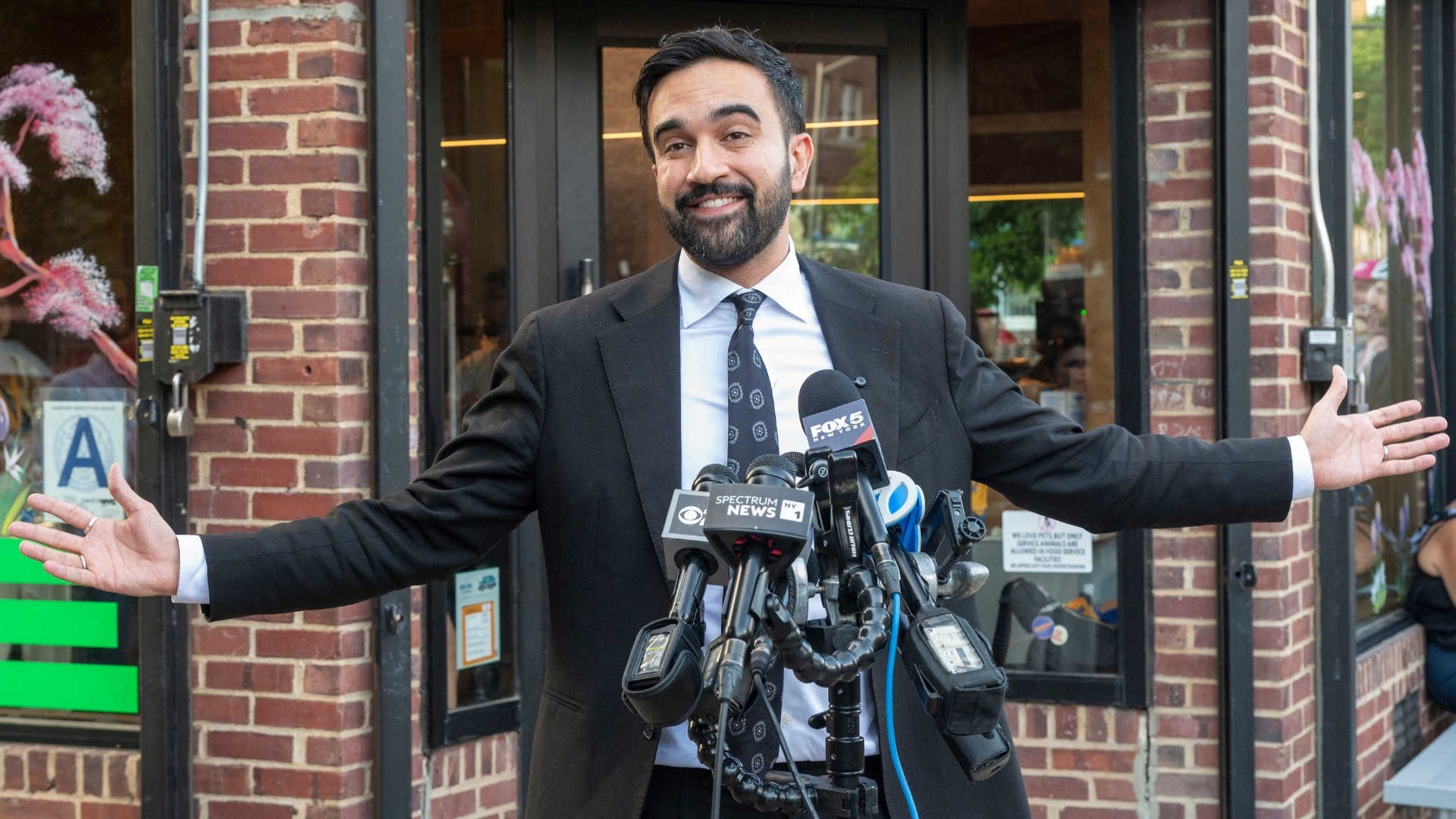

New York City is spending $70 million to build grocery stores that sell food 30% below retail prices. City Hall just confirmed a detail that’s fueling debate: shoppers won’t need to prove they live in New York, show identification, or verify their income to get the discount. A tourist from Ohio could walk in and pay the same low price as a lifelong Bronx resident.
Five Stores, One Core Basket of Discounted Staples

Mayor Zohran Mamdani’s administration is building five city-owned supermarkets, one for each borough, funded by taxpayers. The stores will sell a “core basket of goods,” including produce, meat, dairy, and bread, at 30% below standard retail prices, according to a New York Post report. Only two locations have been finalized. The first store, in Hunts Point, the Bronx, isn’t expected to open until at least 2027.
A Voluntary Card, Not a Residency Requirement
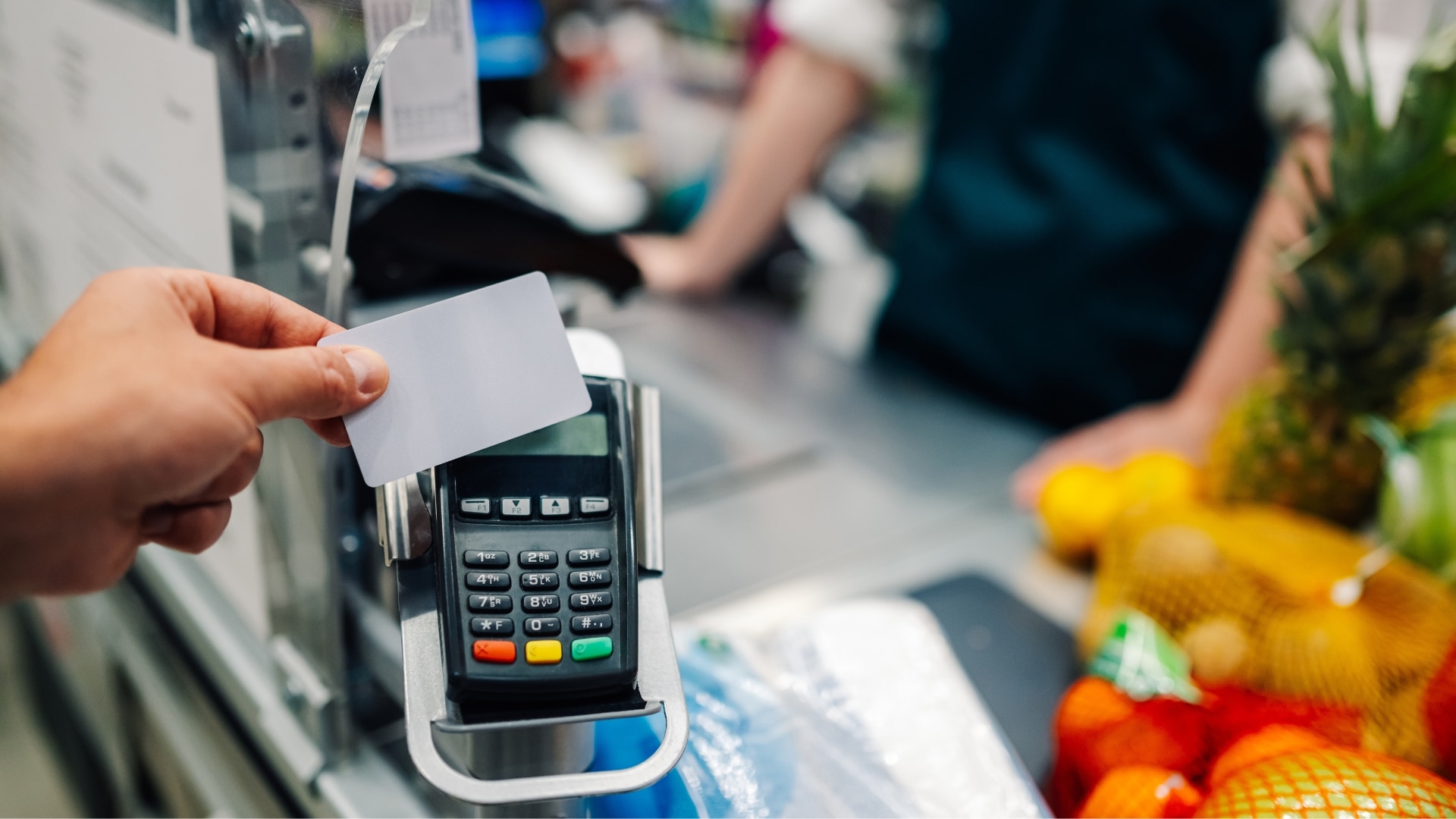
Facing questions about who would benefit from the discounts, Mamdani officials unveiled a “savings card” program last week. The card is free and voluntary. Request-for-proposal documents sent to businesses bidding to run the stores state the card must be made available to any individual who asks for one, and does not require proof that the shopper actually lives in New York City.
Pak’s “Library Card” Comment Sparks Confusion

On July 27, Jeanny Pak, interim president and CEO of the New York City Economic Development Corporation, told reporters the city wanted the program “focused on everyday New Yorkers” and floated something like a “library card-esque” system to track who was buying. Her comment led some outlets and critics to assume the city planned to check residency or require ID at checkout.
City Hall Sets the Record Straight
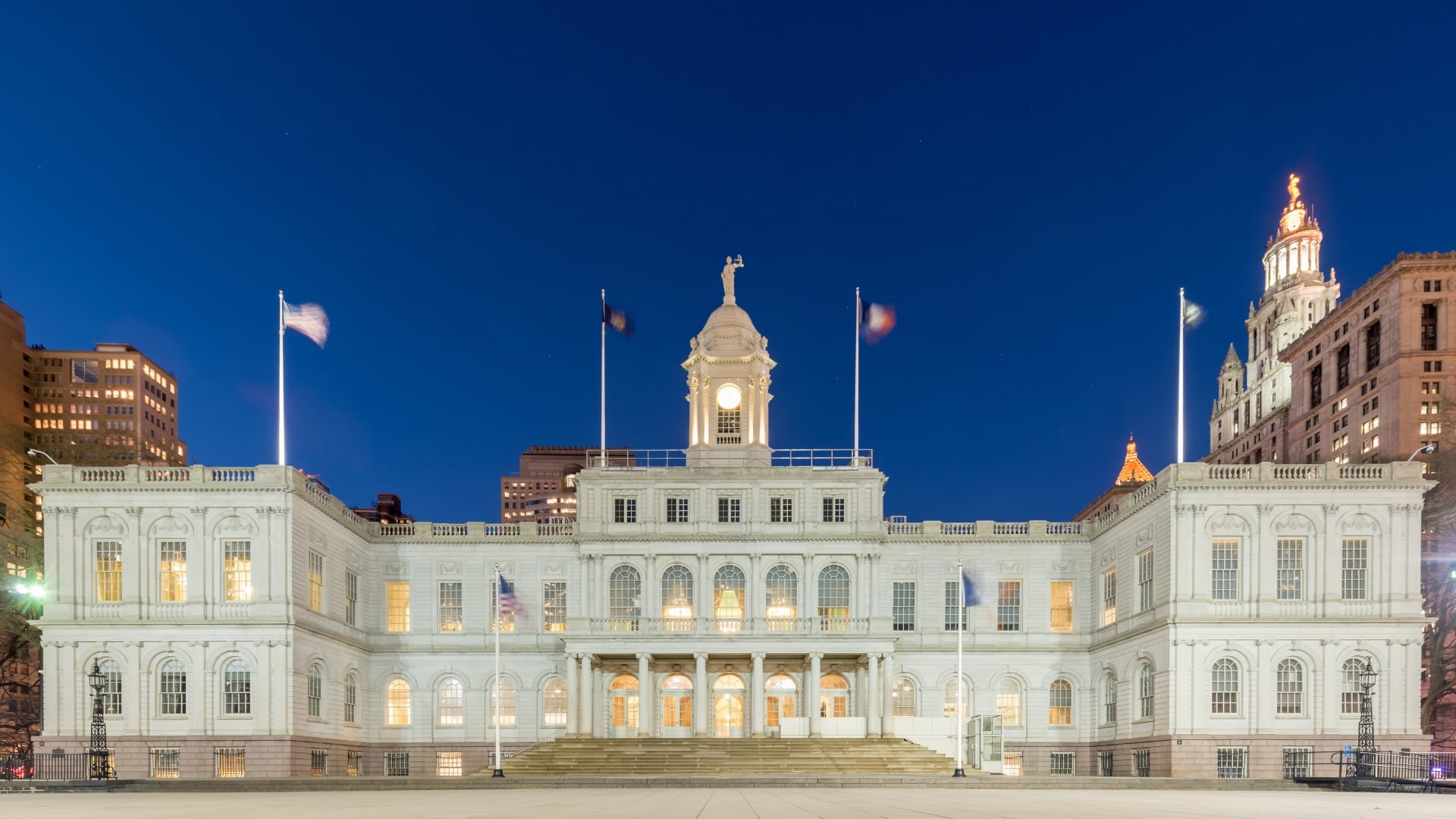
An administration spokesperson clarified that the program would work like an ordinary supermarket loyalty card, designed by whatever private operator runs each store, mainly to track supply and stop people from reselling discounted goods in bulk. “NYC Grocery stores will be open to everyone,” the spokesperson told the New York Post. “There will be no system to verify identity, residency, or income, and no one will be asked to show ID to shop.”
Backlash Erupts Over Perceived Hypocrisy

The clarification didn’t quiet critics. Conservative commentators and elected officials seized on the contrast between Mamdani’s opposition to voter ID laws and the initial suggestion that grocery shoppers might need identification. Senator Rick Scott of Florida called the situation hypocritical, and President Trump weighed in during a press availability, comparing the grocery card idea to the city’s snow-shoveling rules, according to a Forbes account of the reaction.
Why the City Wants a Card at All
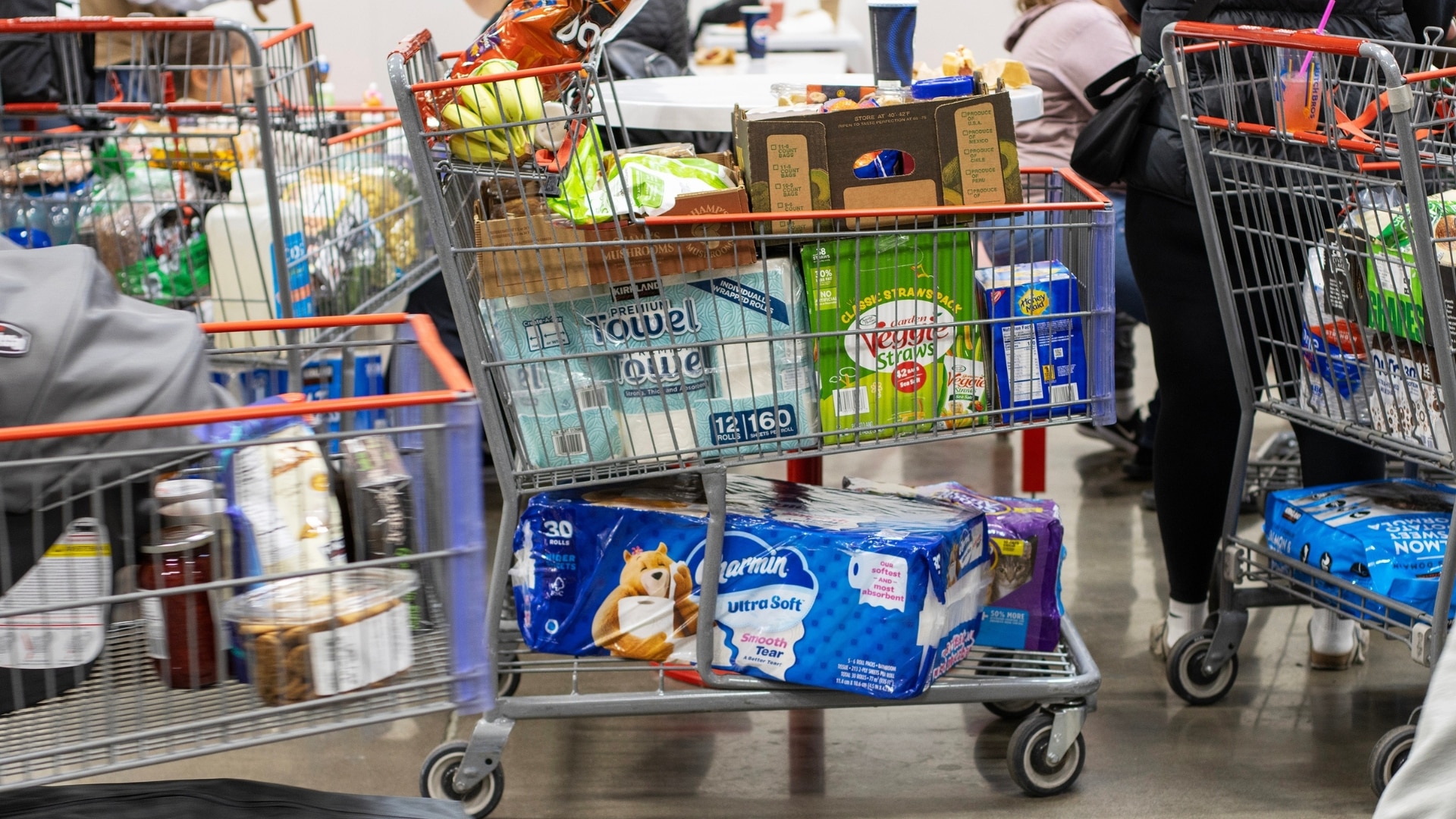
Despite the backlash, officials maintain there’s a practical reason for the voluntary card: preventing bulk buying and resale. Without some way to track purchases, city officials worry resellers could scoop up discounted staples and flip them for profit elsewhere, undercutting the program’s goal of helping “everyday New Yorkers” afford groceries, Pak said during the July 27 briefing.
No Enforcement Mechanism Has Been Finalized
The Mamdani administration has not settled on exactly how the private operators chosen to run each store will manage the card program day to day. The New York Sun reported that the mayor’s office is still pushing back on residency-requirement rumors even as the operational details, including how heavily the card will be promoted or enforced, remain unresolved ahead of the 2027 opening.
A Signature Piece of Mamdani’s Affordability Agenda

The grocery stores are central to Mamdani’s campaign promise to lower the cost of living in New York City. The democratic socialist mayor has framed the initiative as a direct government intervention against high supermarket prices, arguing that a public option can compete with private retailers on cost. Critics counter that subsidizing food for non-residents strains a program meant for city taxpayers.
An Open-Door Policy, By Design
City Hall’s position leaves no ambiguity: the discount is available to whoever walks through the door, New Yorker or not. The voluntary card exists to manage supply, not to gatekeep who qualifies for the savings. As the first store’s 2027 opening approaches, that open-access design remains the defining, and most contested, feature of Mamdani’s grocery experiment.