McDonald’s Denies AI Sets Menu Prices, But a New Lawsuit Is Challenging Its Pricing System
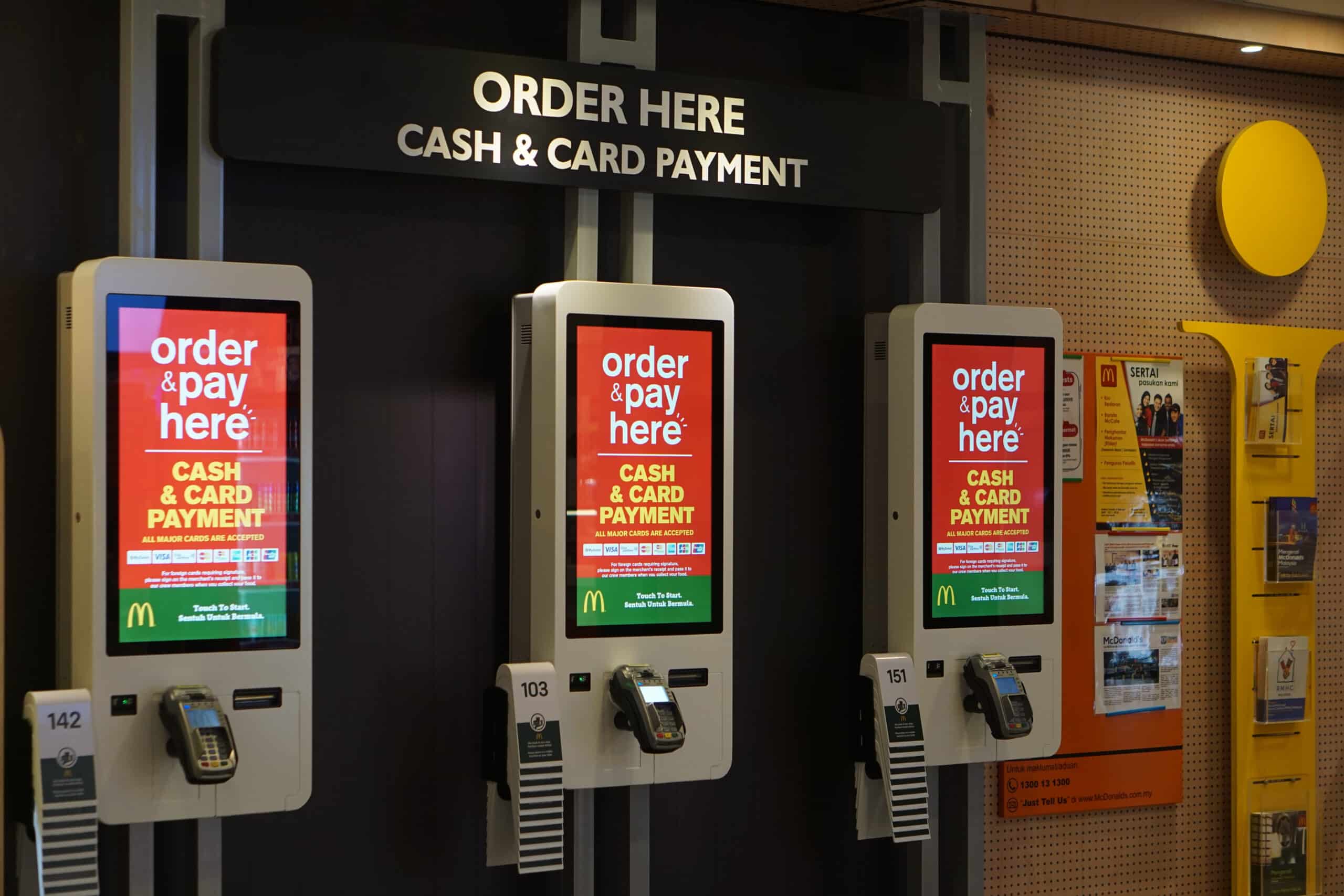

Two McDonald’s restaurants can sit only a few miles apart and still charge different prices. That is hardly new. Franchise owners have long had room to respond to local costs, competition and demand. But now the machinery behind those decisions is facing a much bigger question. McDonald’s says restaurant operators remain firmly in control. A customer suing the company says there is more happening behind those menu boards. And the argument comes down to a tool most diners never knew existed.
McDonald’s Had Already Tried to Set the Record Straight
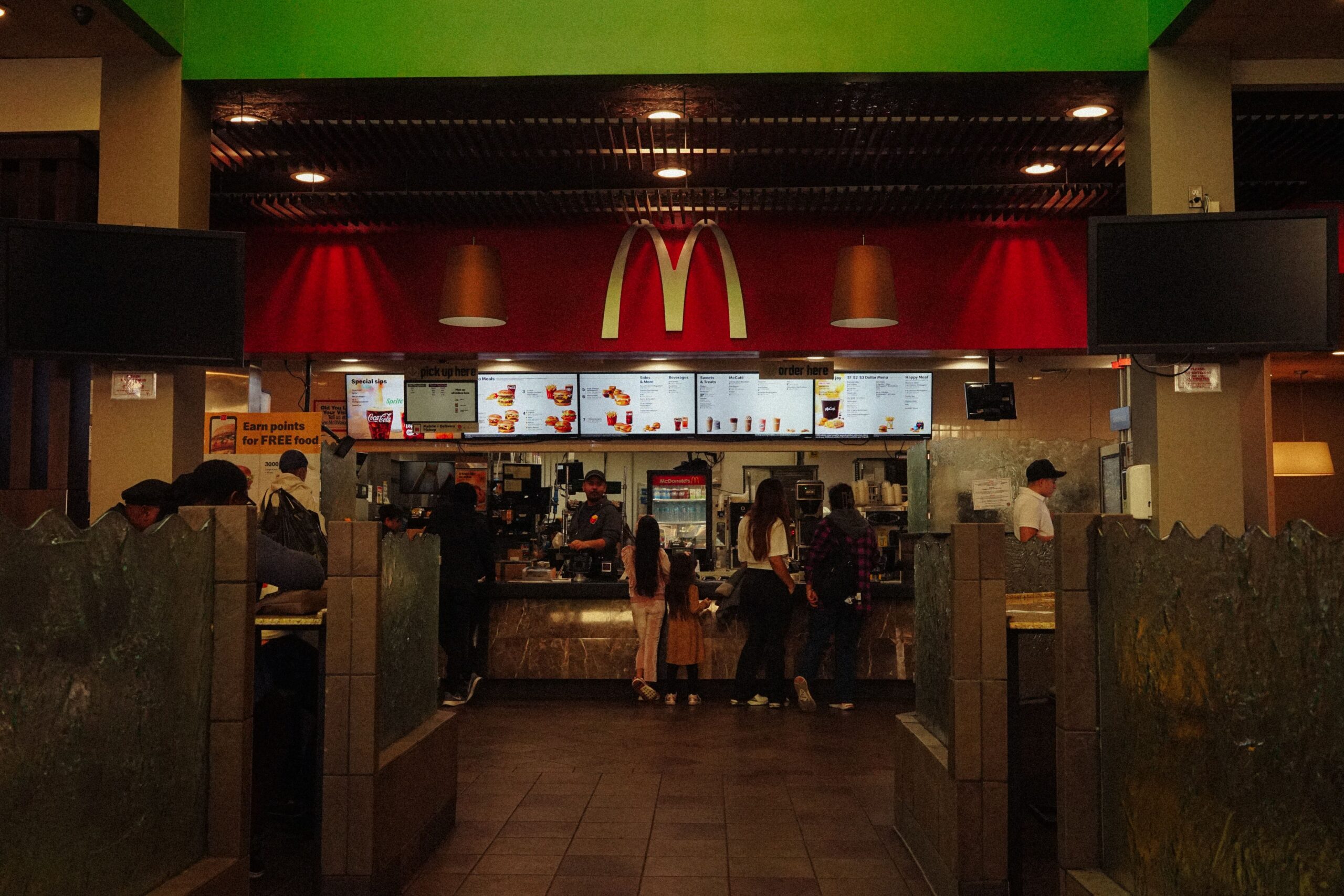
Just before the lawsuit arrived, McDonald’s pushed back against reports about its pricing practices with a blunt message: “AI does not set the price of a Big Mac or any other menu item.” The company says franchisees independently choose prices and that its technology only provides restaurant-specific recommendations. It also denies using dynamic pricing that changes in real time or setting personalized prices based on individual customers. Sounds straightforward. Then came the lawsuit, and its description of the system is considerably less simple.
Here’s What the Lawsuit Actually Alleges

Filed in federal court in Chicago, the proposed nationwide class action accuses McDonald’s of illegally coordinating menu prices among independently operated franchises and company-owned restaurants. Plaintiff Michael Thomas argues that a common pricing system uses algorithms trained on nonpublic information, reducing competition that should exist between restaurants. His lawyers put it more colorfully, accusing McDonald’s of using its data to “nickel-and-dime consumers down to the last French fry.” That is an allegation, not a finding. But what does the technology actually do?
The System Processes a Mountain of Data
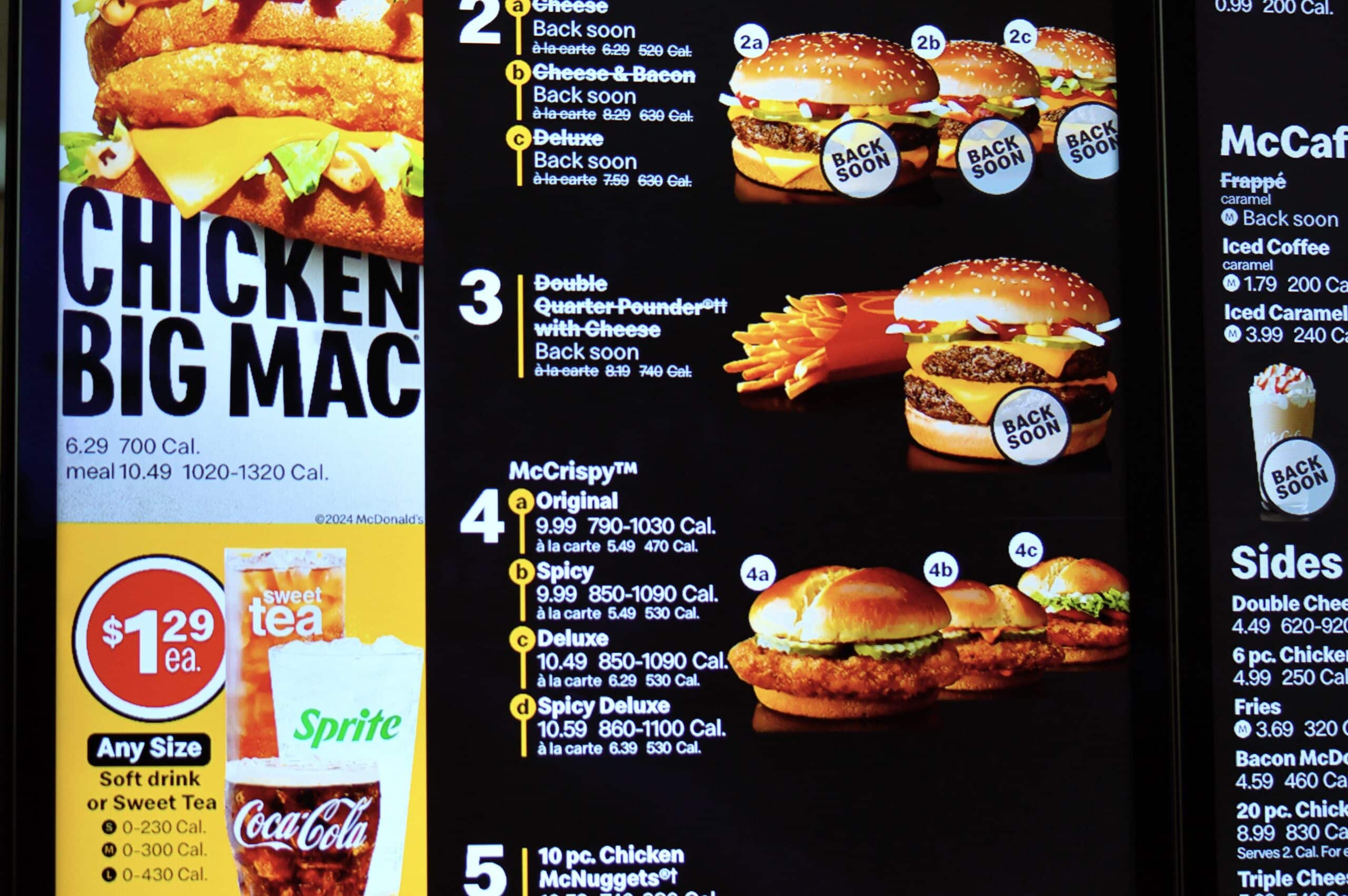
Reuters reported that McDonald’s pricing engine uses machine-learning algorithms to continually analyze millions of daily transactions across nearly 14,000 U.S. restaurants. Factors can include a restaurant’s sales, location, local demand and competitors’ prices, with the system producing recommendations for individual locations. McDonald’s told AP that it has used an AI-enhanced pricing tool for more than a decade. In the company’s telling, this is sophisticated advice. In the lawsuit’s telling, the problem is what happens when supposedly competing restaurants receive recommendations from the same system.
McDonald’s Says the Tool Cannot Make Anyone Listen

McDonald’s calls the allegations “filled with inaccuracies” and says it will vigorously defend itself. Its central defense is simple: recommendation does not equal control. Franchisees own and operate roughly 95% of its 14,000 U.S. restaurants and ultimately choose their menu prices. “All we do is provide the context of what’s going on,” a McDonald’s spokesperson told AP. There is evidence franchisees do reject corporate suggestions. And one recent example shows just how much independence they can exercise.
Even McDonald’s Can’t Just “Flip the Switch”

McDonald’s has been pushing value offerings as lower-income customers visit fast-food restaurants less often. Yet only 60% of U.S. restaurants were offering the company’s proposed menu of 10 items under $3 as of August. CEO Chris Kempczinski acknowledged why: “That’s not something that we just flip the switch on.” It requires discussions with franchisees. That supports McDonald’s argument that owners retain real decision-making power. The lawsuit, however, says McDonald’s still has significant leverage over those operators. That distinction could become crucial.
Reddit Immediately Saw a Familiar Fight
On r/technology, the lawsuit triggered a much broader debate about algorithmic pricing. User invyros boiled down the allegation: “They’re being accused of ‘price fixing’ basically.” Another commenter, VNM0601, compared the controversy with software used in rental pricing. That comparison isn’t proof against McDonald’s, but it explains why this case is attracting attention beyond fast food. Algorithm-assisted pricing has already become a legal battleground in industries including apartments and hotels. Now the argument has reached the drive-thru.
One Customer Says He Saw the Difference Himself

Thomas, the Illinois customer behind the lawsuit, says he frequently orders a Quarter Pounder with cheese, fries and a Coke and noticed different prices at McDonald’s locations near his home. Different prices alone are not evidence of illegal coordination. In fact, local variation is exactly what McDonald’s says its franchise system allows. The lawsuit instead focuses on whether nonpublic information flowing through a shared pricing platform improperly influences those independent decisions. That is a much harder question than simply asking why one Quarter Pounder costs more than another.
This Fight Is Bigger Than McDonald’s

Courts are increasingly confronting allegations that algorithms can help competitors coordinate prices without the old-fashioned image of executives secretly agreeing on numbers. Similar lawsuits have targeted pricing systems used for apartment rents and hotel rooms. States are also scrutinizing algorithmic and surveillance pricing. The legal question is becoming unavoidable: When does a data-driven recommendation stop being ordinary business advice and start interfering with genuine competition? McDonald’s insists its system stays firmly on the legal side of that line. The plaintiffs want a judge to examine it.
Now the Courts Get to Look Under the Hood
The lawsuit seeks class-action status, damages and restrictions against agreements the plaintiffs say limit competition. None of those allegations has been proven, and McDonald’s is preparing to fight them. But the case could matter well beyond burgers. Businesses everywhere are adding algorithms to decisions once made primarily by people, including what customers pay. The next question is not simply whether AI literally chooses your Big Mac price.It’s how much influence a pricing algorithm can have before a “recommendation” starts looking more like a decision made for you.