McDonald’s Is Asking Franchisees to Spend $800,000 on Restaurant Upgrades, and Some Aren’t Happy

McDonald’s is asking franchise owners to make a major financial commitment as the fast-food giant pushes ahead with a sweeping restaurant modernization plan. The company’s Restaurant NEXT initiative could require an additional investment of approximately $800,000 per traditional U.S. drive-through location, prompting some franchisees to question the costs and the details of the rollout. The upgrades are part of a broader $8.5 billion strategy intended to improve restaurant operations, technology, food quality and customer experience. While McDonald’s believes the investment could make restaurants more efficient and profitable, some operators are concerned about taking on substantial expenses without clear guarantees of higher sales.
The $800,000 Upgrade Is at the Center of the Dispute
McDonald’s estimates that implementing all Restaurant NEXT features at a traditional U.S. drive-through restaurant will require approximately $800,000 in additional investment. The figure covers a range of changes involving technology, kitchen equipment, restaurant operations and physical design. Some franchisees have reportedly expressed concern about the expense and the limited details initially provided about the program. For owners operating several locations, the proposed spending could represent a substantial financial commitment across their entire business.
Restaurant NEXT Is Part of a Larger Corporate Strategy
Restaurant NEXT forms part of McDonald’s broader McDonald’s NEXT strategy, which aims to strengthen the business through improvements to restaurants, menus, technology and the customer experience. The company unveiled the wider plan in September 2026 as it looked for ways to improve productivity and remain competitive in a challenging fast-food market. Its approach combines investments in physical locations with operational changes intended to help restaurants serve customers more efficiently. However, the scale of the plan means franchise owners must weigh the company’s long-term ambitions against their own immediate financial realities.
The New Spending Comes on Top of Regular Remodels
The proposed $800,000 investment is separate from the routine remodeling expenses that McDonald’s franchisees already face. Company executives have said a standard required lobby remodel at an average U.S. drive-through restaurant typically costs about $400,000 to $450,000. Those remodels generally occur on a recurring schedule, often around every 10 years under franchise requirements. When the regular renovation and Restaurant NEXT costs are considered together, a location could face approximately $1.2 million or more in spending over several years, depending on the work required.
Some Franchisees Are Pushing Back Against the Plan
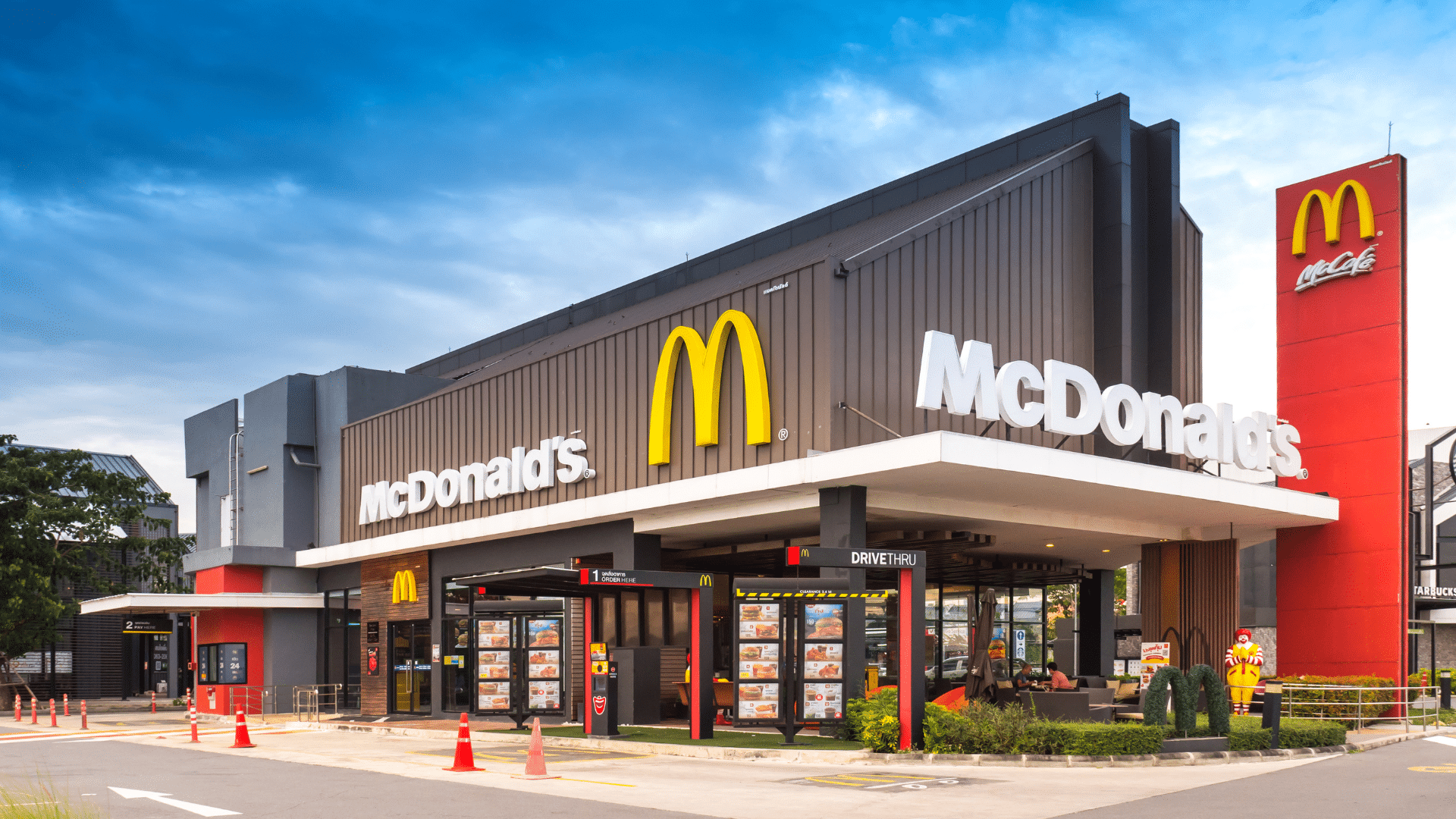
Some McDonald’s franchisees have reportedly questioned the scale of the required investment and asked for more information about what the upgrades would involve. Discussions among operators included concerns about the limited details available and whether the proposed spending would deliver sufficient benefits. Some of these conversations were organized through an elected association representing McDonald’s U.S. operators. The pushback does not necessarily mean franchisees oppose modernization, but it highlights the importance of understanding the financial obligations before committing to expensive changes.
Owners Are Worried About Taking on More Debt

An additional investment of $800,000 can be difficult to absorb, particularly for franchisees who already have loans, payroll expenses, rent and other operating costs. Owners may need to borrow money, use existing cash reserves or delay other projects to finance the upgrades. Debt can become especially challenging if customer traffic or sales do not increase enough to offset the added costs. For operators managing multiple restaurants, the financial exposure could be considerably larger than the price of renovating a single location.
McDonald’s Says the Investments Will Be Phased In
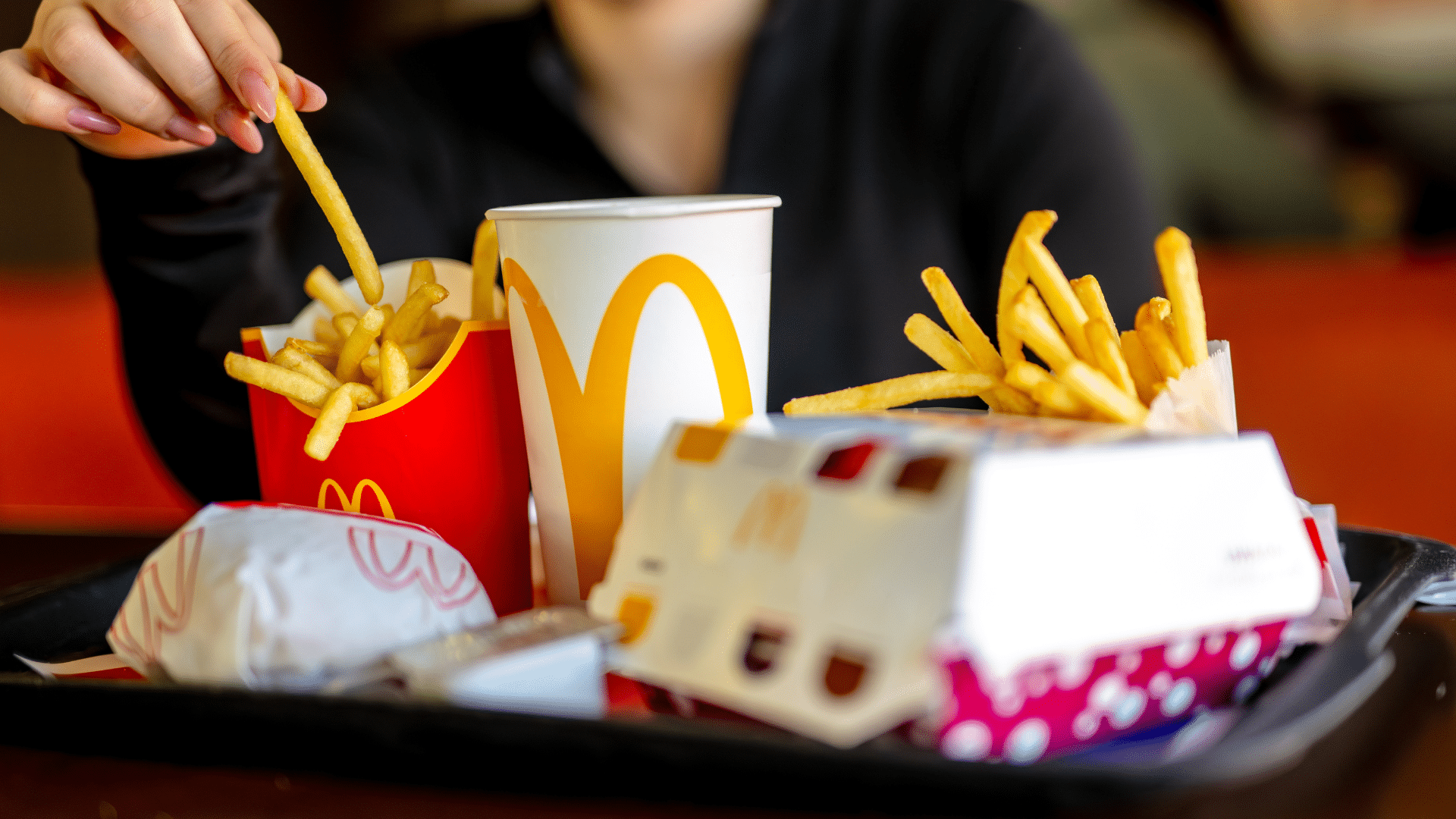
McDonald’s has indicated that the Restaurant NEXT investments will be phased in over time rather than completed everywhere at once. Company executives have said the timing will depend on market conditions and the readiness of individual franchisees. A gradual rollout could give operators more time to plan financing, schedule construction and coordinate equipment installation. Even so, franchisees may want clearer information about deadlines, eligibility for support and the exact upgrades required at each location.
The Company Has Set Aside Money to Help Franchisees
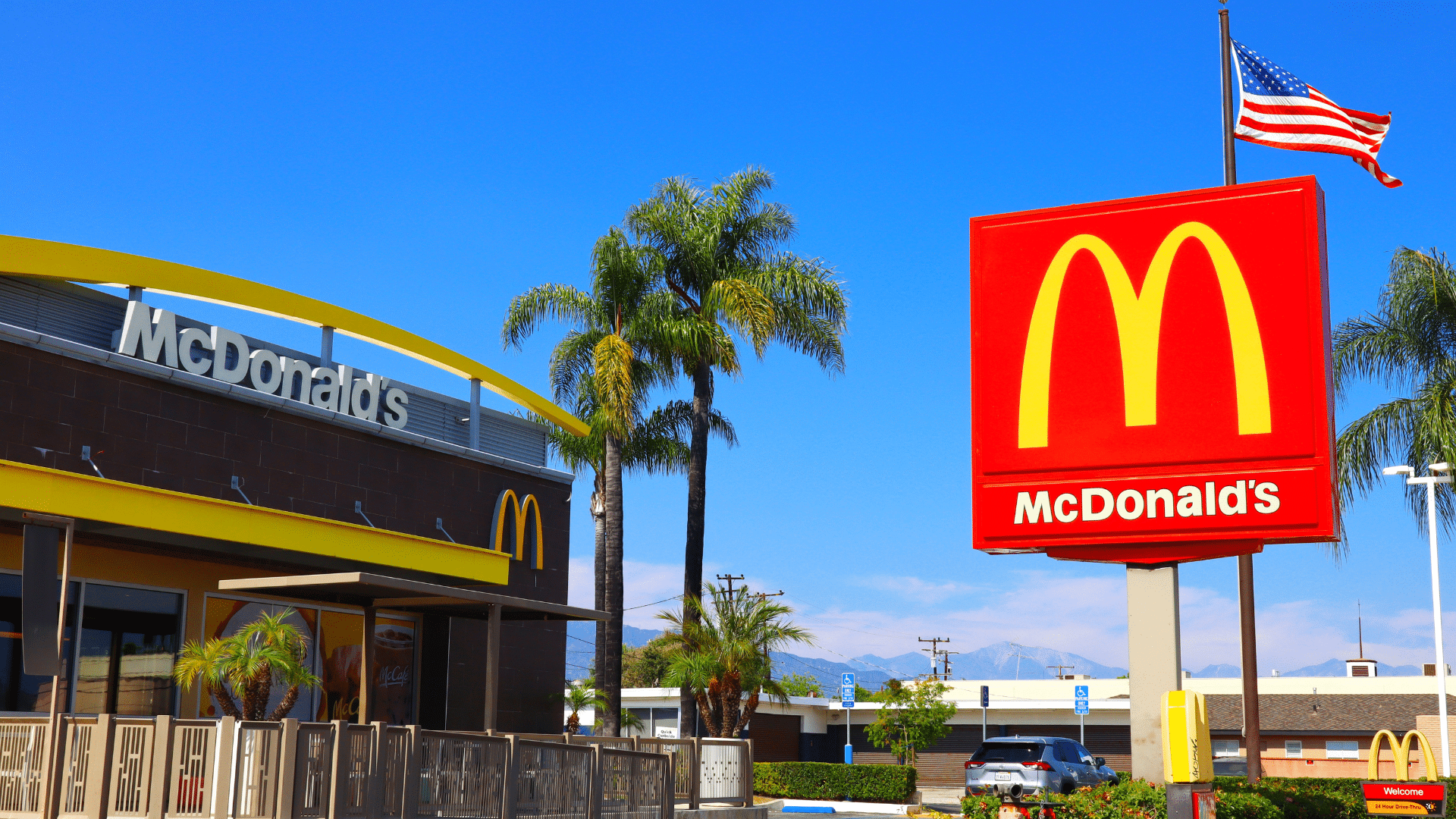
McDonald’s has outlined an $8.5 billion investment in partner support through 2036 as part of its broader effort to modernize restaurants and improve operations. The company has said that this support includes approximately $5 billion by 2030 for rent relief and capital assistance. The funding is intended to help franchisees manage some of the costs associated with remodeling and operational improvements. However, the existence of a support fund does not mean every restaurant will receive the same amount or have all its expenses covered.
New Technology Is a Major Part of the Overhaul
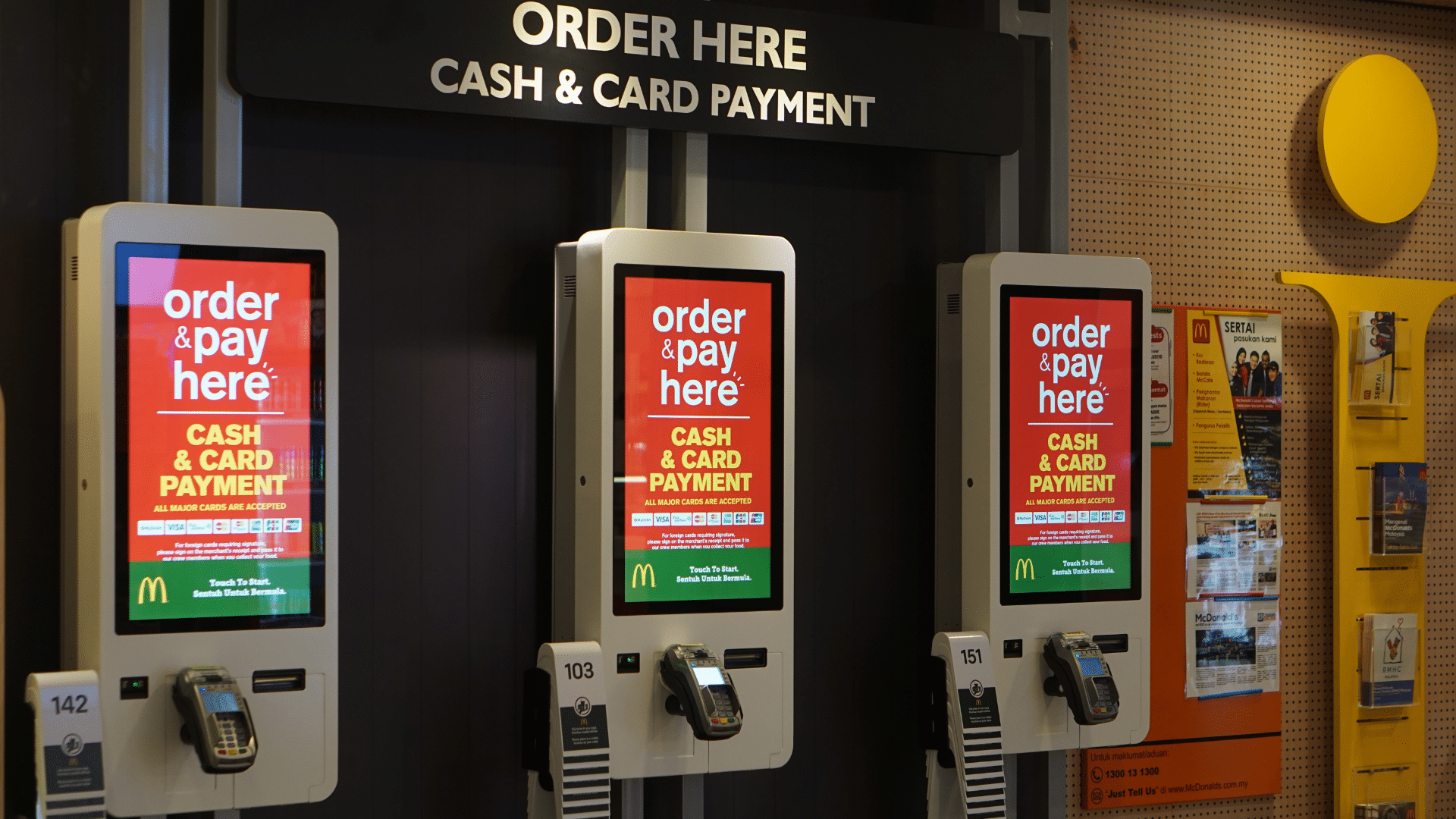
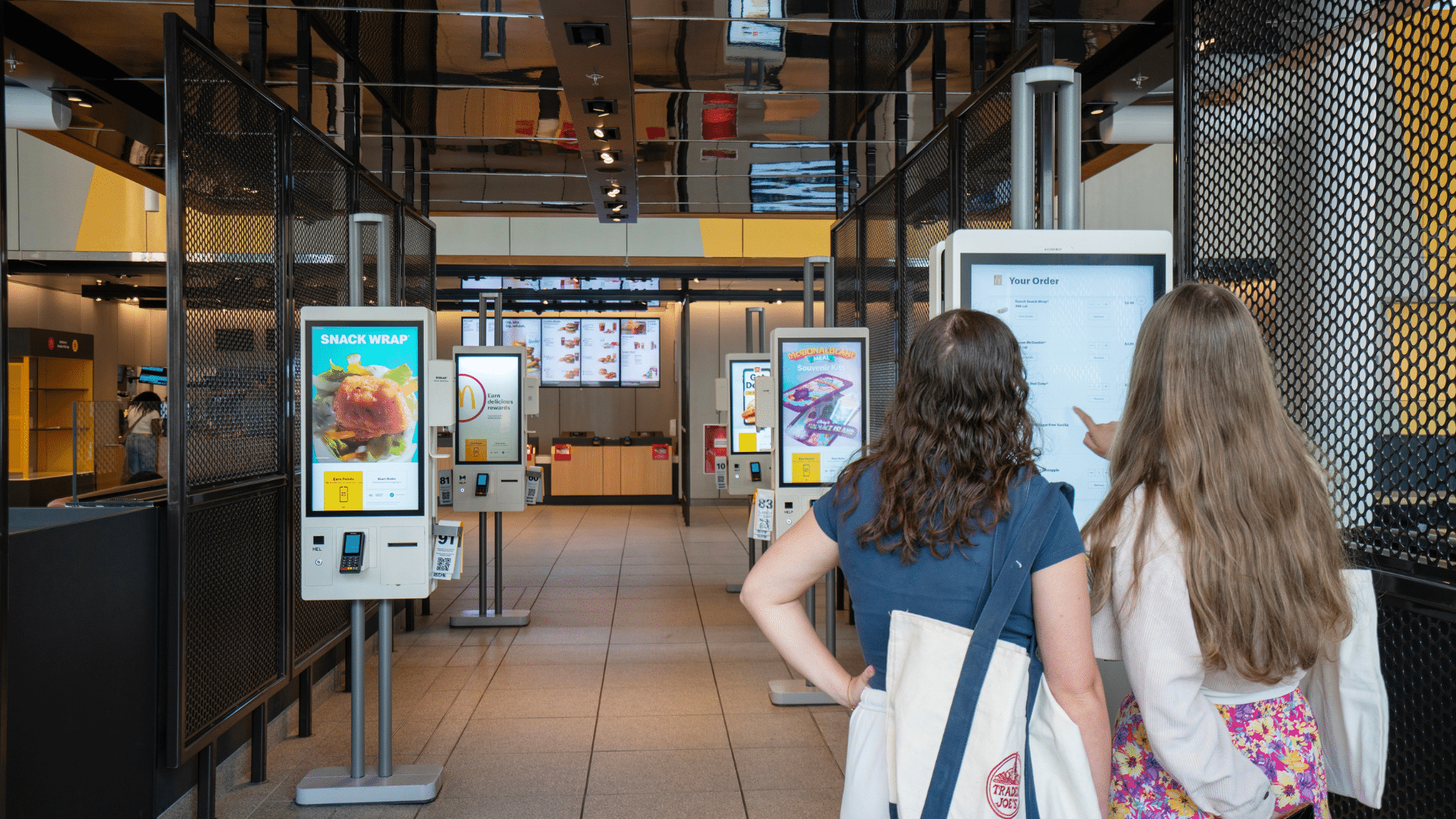
Restaurant NEXT includes technology upgrades designed to help restaurants manage orders, inventory and daily operations more effectively. McDonald’s has been investing in digital systems and artificial intelligence to assist employees and improve decision-making across its restaurant network. The goal is to reduce unnecessary manual work and help managers identify operational problems more quickly. Franchisees, however, must consider whether the promised improvements justify the upfront expense and whether the systems will perform consistently in their individual locations.
Kitchen Equipment and Restaurant Layouts Will Change
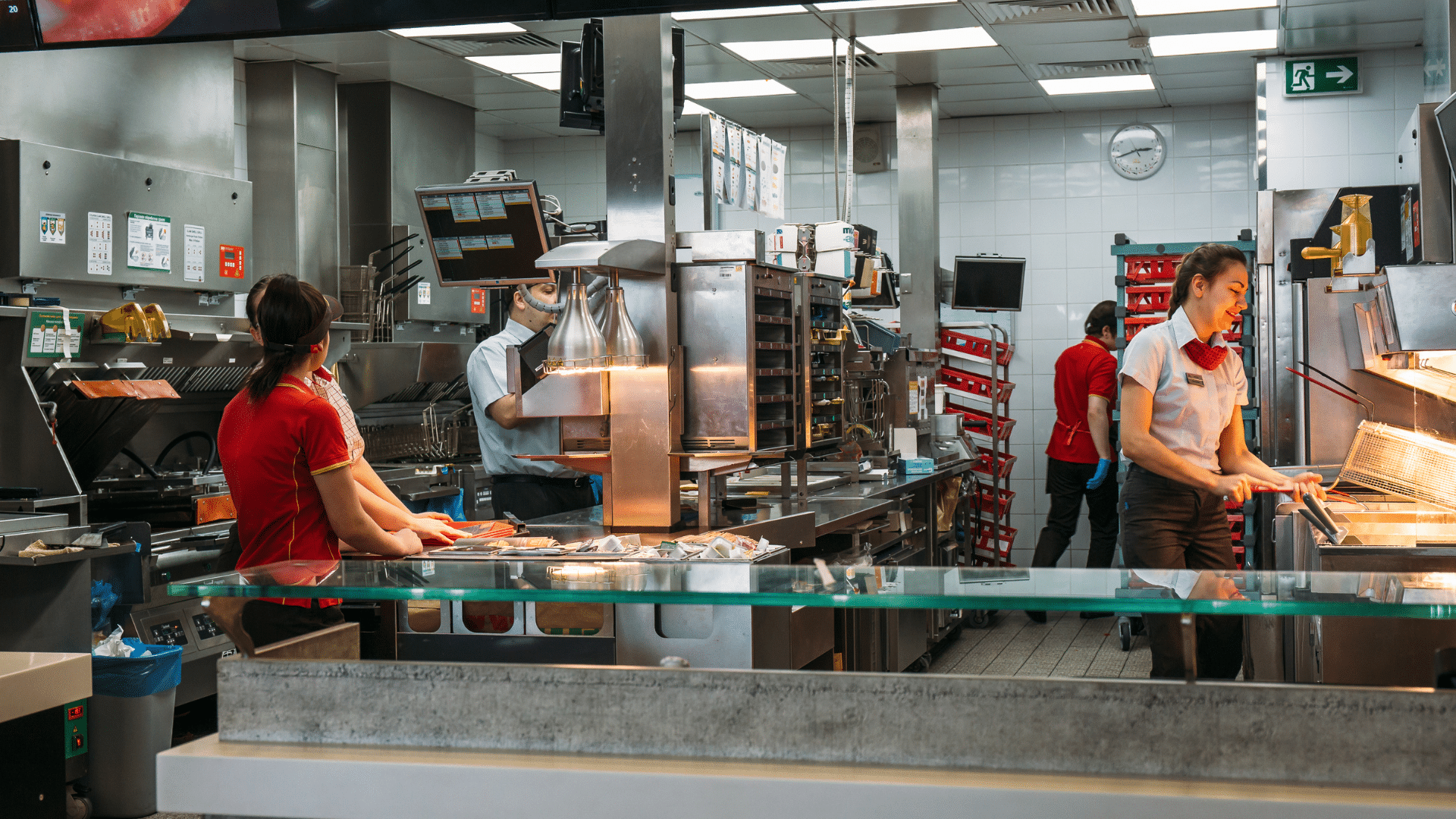
The upgrade plan includes improvements to kitchen equipment and the way workstations are organized. A more efficient layout could help employees prepare orders with fewer unnecessary movements and better coordination during busy periods. Updated equipment may also help restaurants manage high order volumes while maintaining consistent food quality. The benefits will depend on how well the new systems fit each restaurant’s size, staffing levels and existing workflow.
Artificial Intelligence Could Handle More Routine Tasks
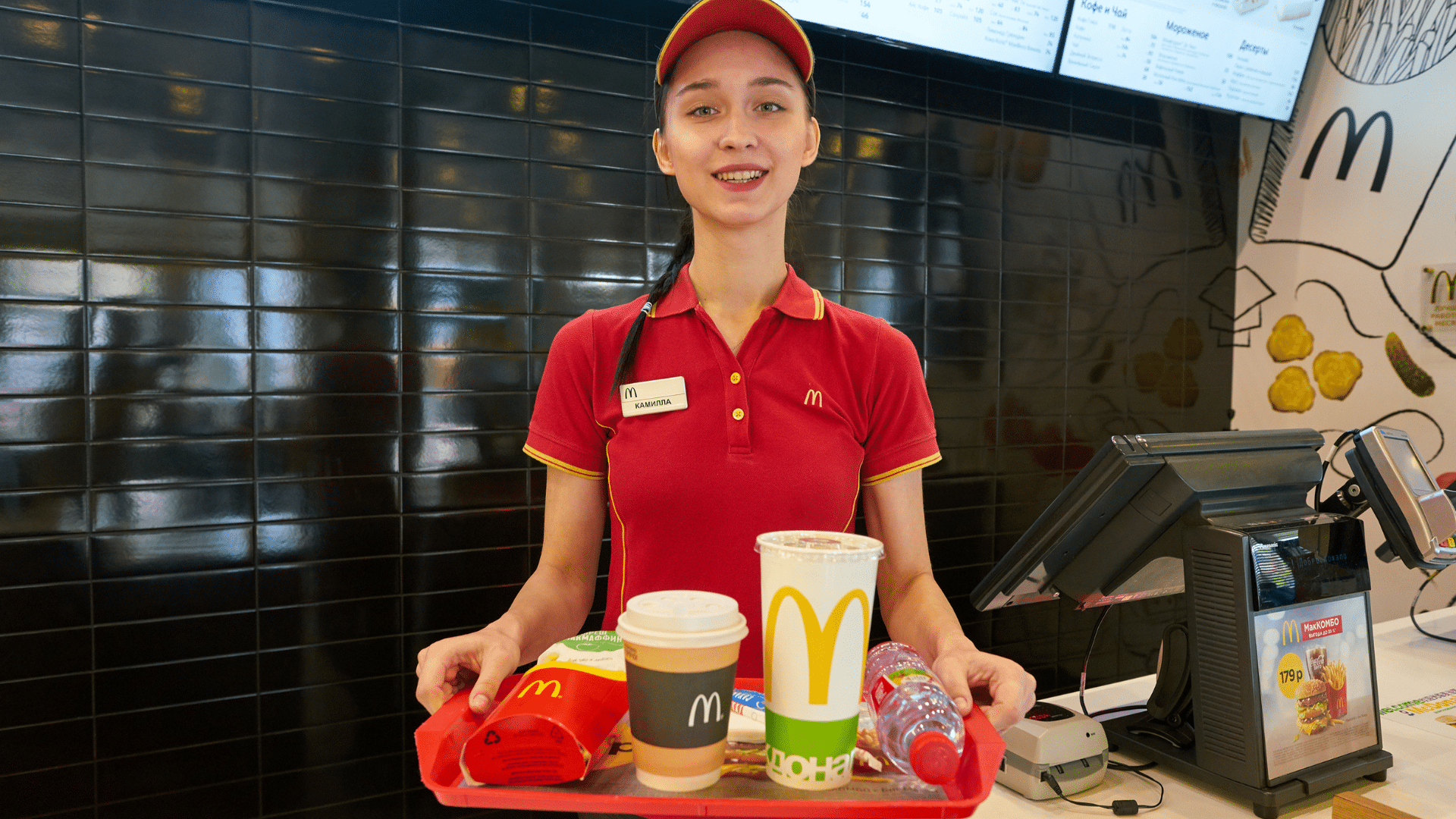
Artificial intelligence is another component of McDonald’s modernization plans, with systems intended to support restaurant management and selected customer-service tasks. The company’s ArchIQ system is part of its effort to use AI in restaurant operations, while its Archy drive-through assistant has been tested to help manage spoken orders. These tools are intended to support employees rather than replace every human interaction in the restaurant. Their practical value will depend on reliability, integration with existing systems and whether they improve service without creating new problems for workers or customers.
Automated Inventory Could Help Reduce Waste
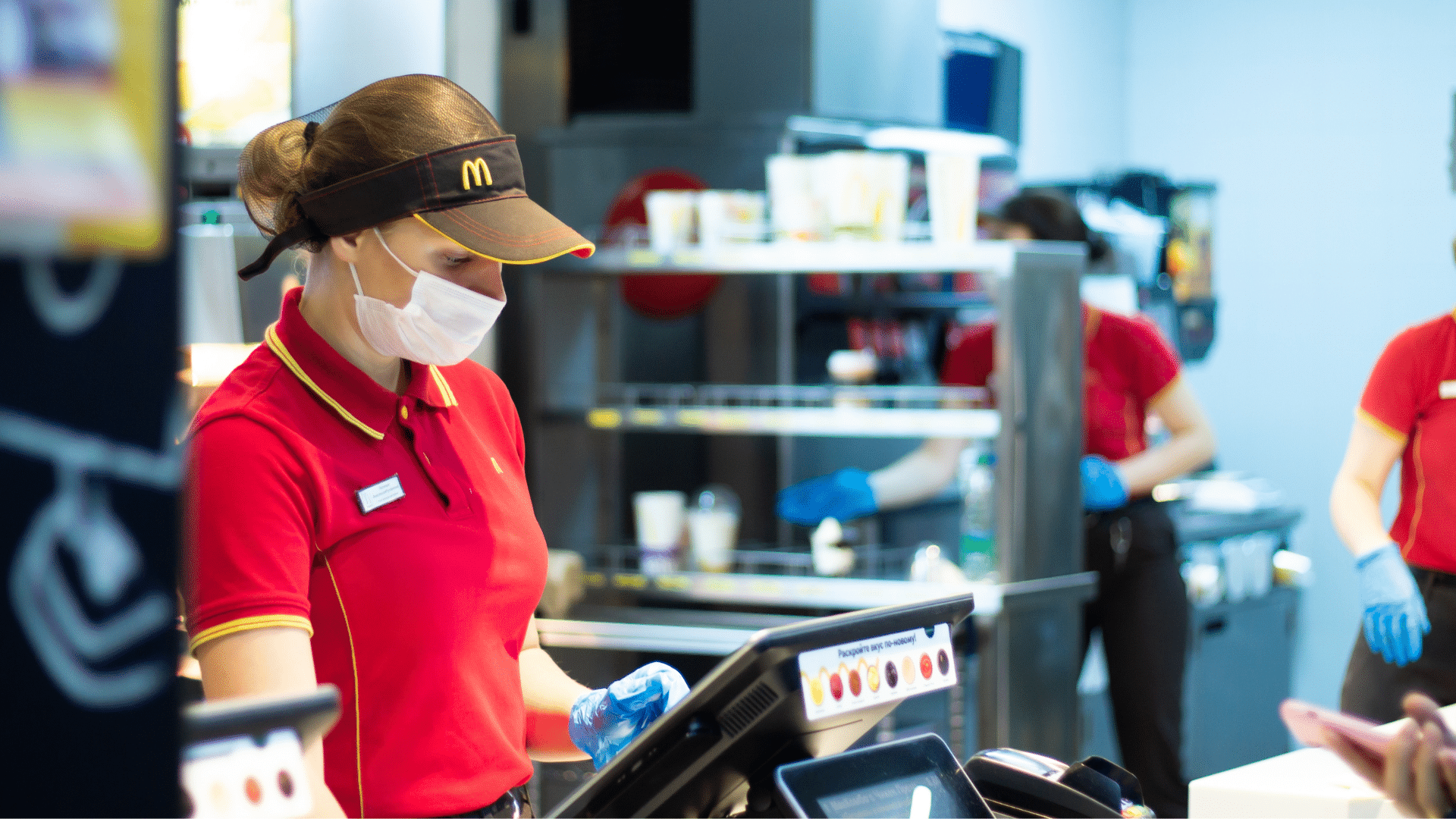
McDonald’s is also pursuing technology that could make inventory management more efficient. Better tracking can help managers understand which ingredients are being used quickly, which supplies need replenishing and where excess stock may be accumulating. More accurate inventory information could reduce waste, improve ordering decisions and help restaurants avoid running out of popular items during busy periods. Those potential savings could matter to franchisees, but the actual results will depend on the accuracy of the systems and how effectively employees use them.
The Company Expects Efficiency Gains to Offset Some Costs
McDonald’s executives have estimated that the efficiency improvements associated with the new investments could generate roughly $100,000 in annual cash-flow benefits for an average U.S. restaurant. The company believes savings and better operations could help franchisees recover some of the money spent on the upgrades over time. However, this figure is an estimate rather than a guaranteed return for every restaurant. Actual results could vary based on sales volume, labor costs, local demand, the effectiveness of the technology and how much each location spends.
Updated Designs Aim to Improve the Customer Experience
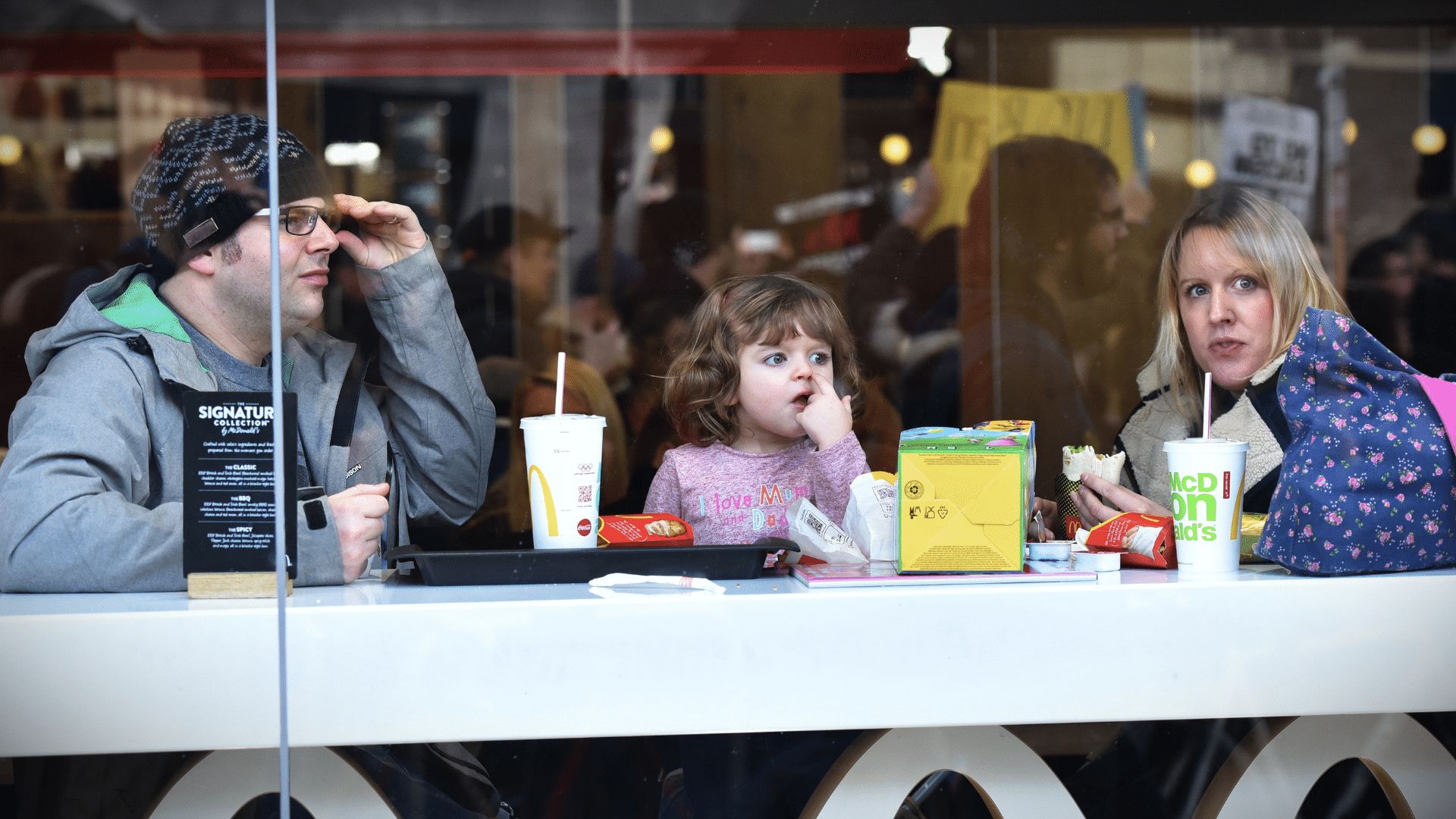
The physical redesigns are intended to make restaurants more functional and appealing to customers. Changes may include updated dining areas, improvements to service spaces and adjustments to how customers move through the restaurant. A more comfortable and efficient environment could encourage repeat visits and make ordering easier during busy periods. Still, the value of a new design depends on whether customers notice meaningful improvements in service, cleanliness, convenience and overall experience.
McDonald’s Is Trying to Win Back Budget-Conscious Customers
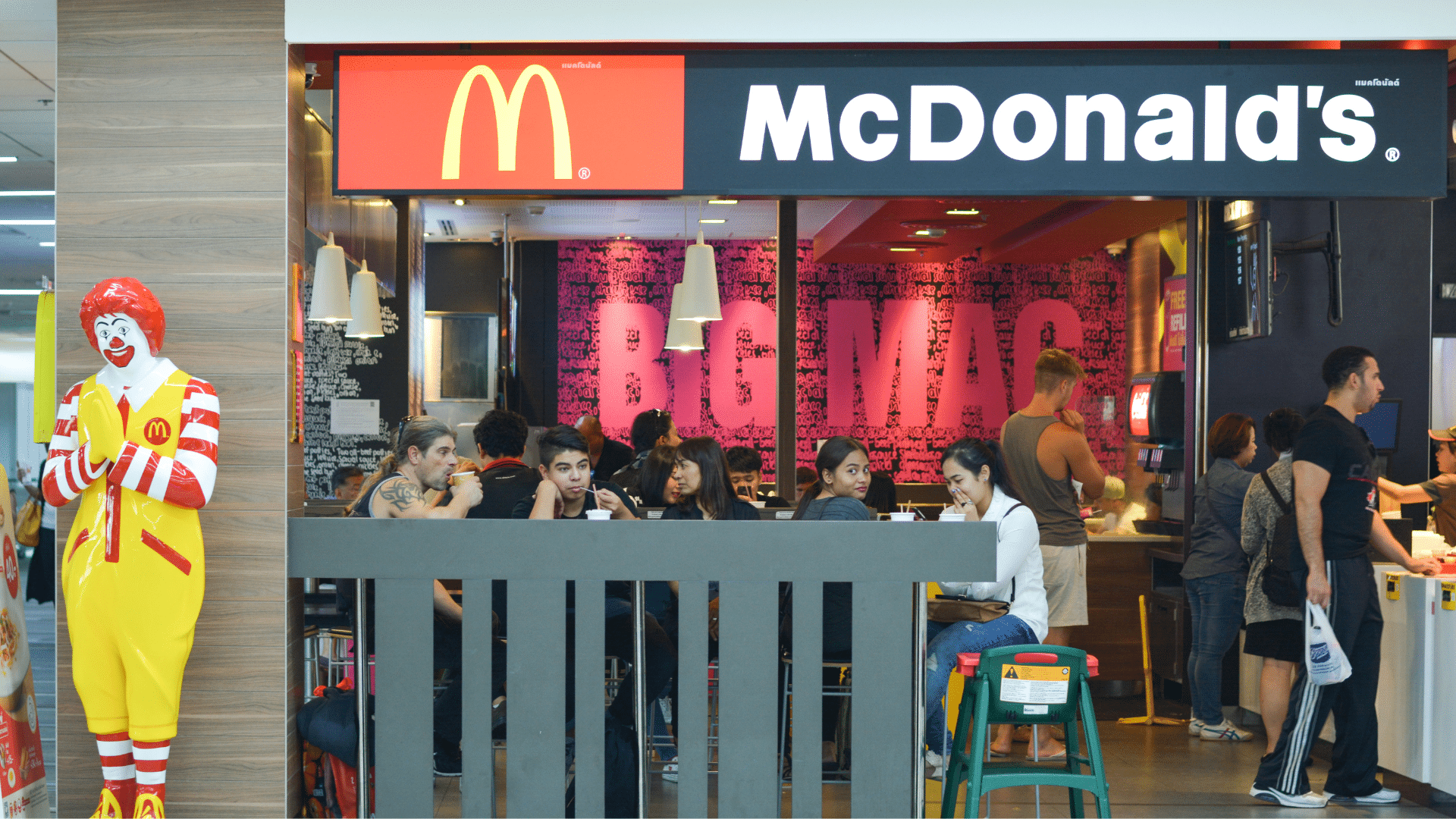
The modernization plan comes as McDonald’s continues to focus on value for customers who are watching their spending. Rising living costs have made many households more selective about restaurant visits, putting pressure on fast-food chains to offer affordable meals while maintaining quality. McDonald’s has promoted value-oriented bundles and is exploring additional ways to make entry-level menu items accessible. The company hopes that better operations and a stronger customer experience will help encourage visits, but higher renovation costs also create questions about how franchisees will balance investment with affordable pricing.
Franchise Owners Operate Independently but Must Follow Brand Standards
Most McDonald’s restaurants in the United States are operated by independent franchisees rather than directly by the corporation. These owners manage local operations and carry many of the costs associated with running their businesses, while also following the company’s franchise requirements and brand standards. This arrangement allows McDonald’s to expand its network while relying on local operators, but it can create tension when corporate initiatives require large new investments. The current dispute illustrates how decisions made at the corporate level can have substantial financial consequences for the people operating individual restaurants.
The Upgrade Plan Covers a Huge Restaurant Network
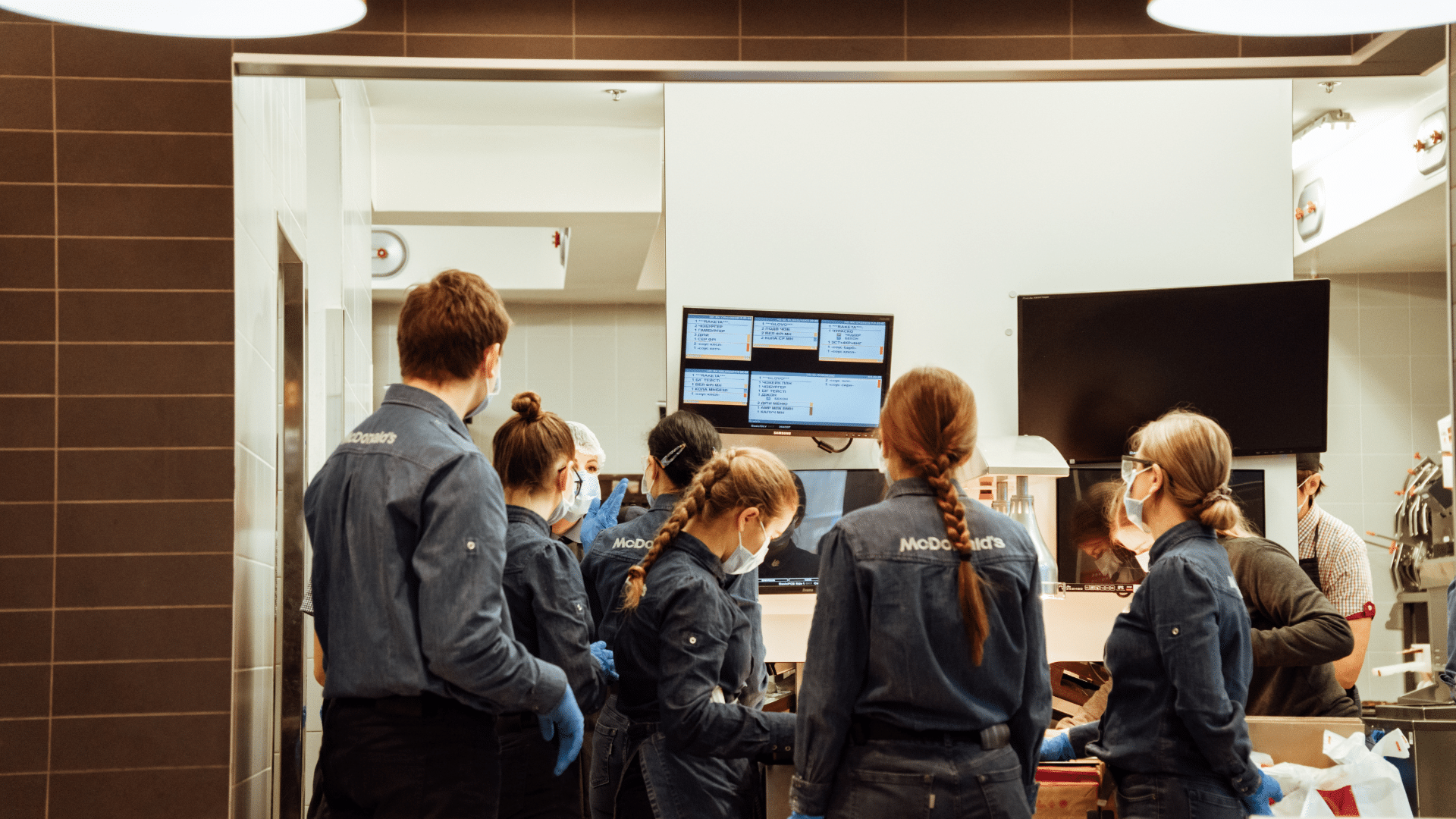
McDonald’s has described a modernization effort spanning more than 46,000 restaurants worldwide, although the estimated $800,000 Restaurant NEXT investment applies to a traditional U.S. drive-through location. The scale of the global network makes coordinating renovations, technology installations and operational changes a complex undertaking. Different restaurants may need different equipment or layouts depending on their age, size, market and existing systems. That variation is one reason clear rollout plans and realistic cost estimates matter to franchisees preparing to invest.
Franchisees Want Clearer Details About Costs and Returns
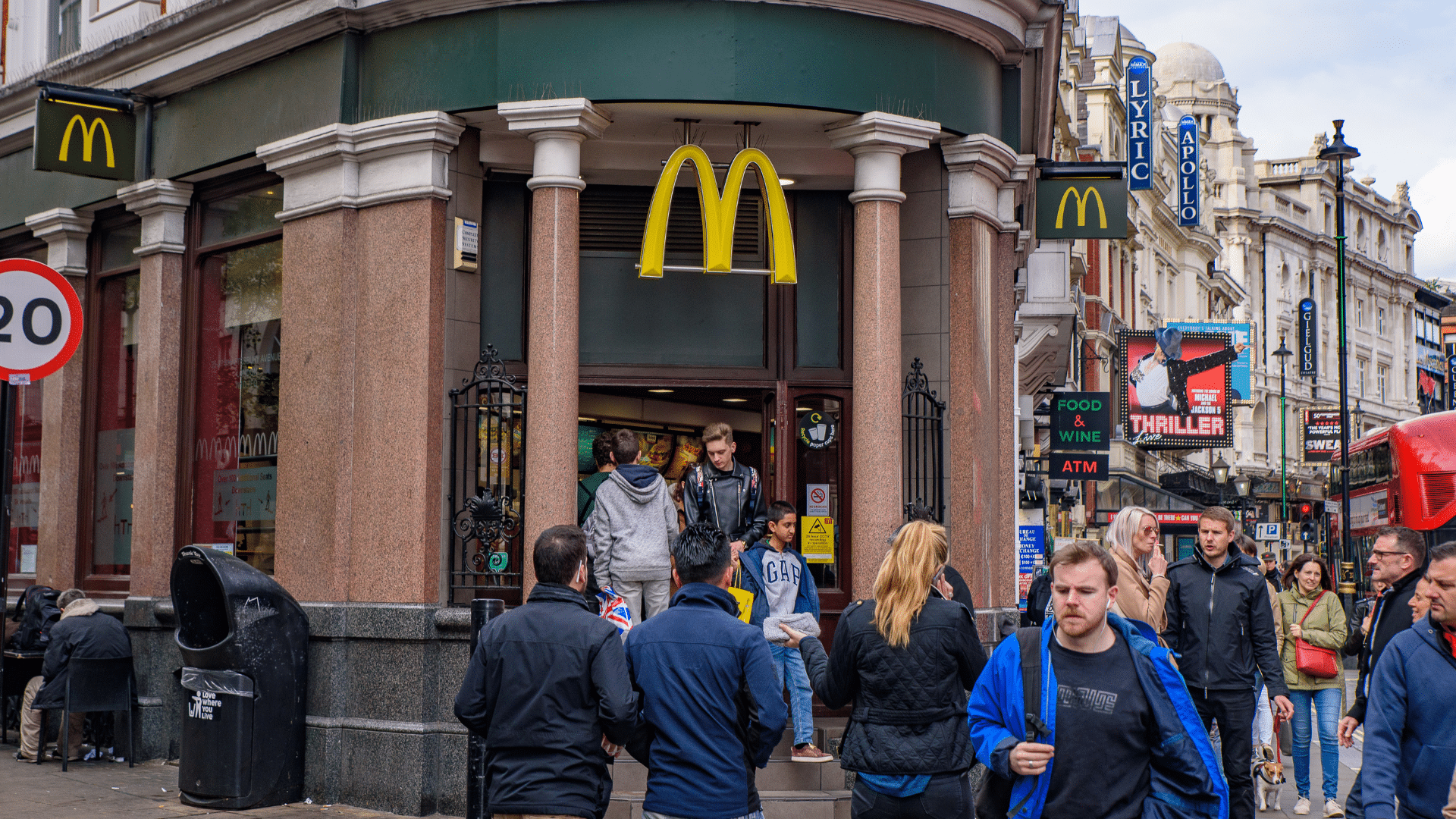
For franchisees, one of the biggest questions is whether the investment will produce enough additional revenue or savings to justify the expense. Owners may want detailed breakdowns of mandatory equipment, construction timelines, available financial support and the expected benefits for different restaurant types. Clearer information could help them compare costs, arrange financing and make more accurate long-term business plans. Without that clarity, some operators may remain concerned that they are being asked to commit significant resources before they can fully assess the risks.
The Rollout Could Shape McDonald’s Next Decade
McDonald’s plans to continue investing in its restaurants and franchise relationships over several years, with partner support extending through 2036. The company expects improvements in technology, operations and design to strengthen performance and help the brand compete in a changing fast-food industry. Franchisees’ willingness to invest will be important because they operate much of the U.S. network and bear a significant share of location-level costs. How McDonald’s communicates the plan, supports operators and demonstrates measurable benefits could influence how smoothly the modernization effort progresses.
A Costly Bet on the Future of McDonald’s Restaurants
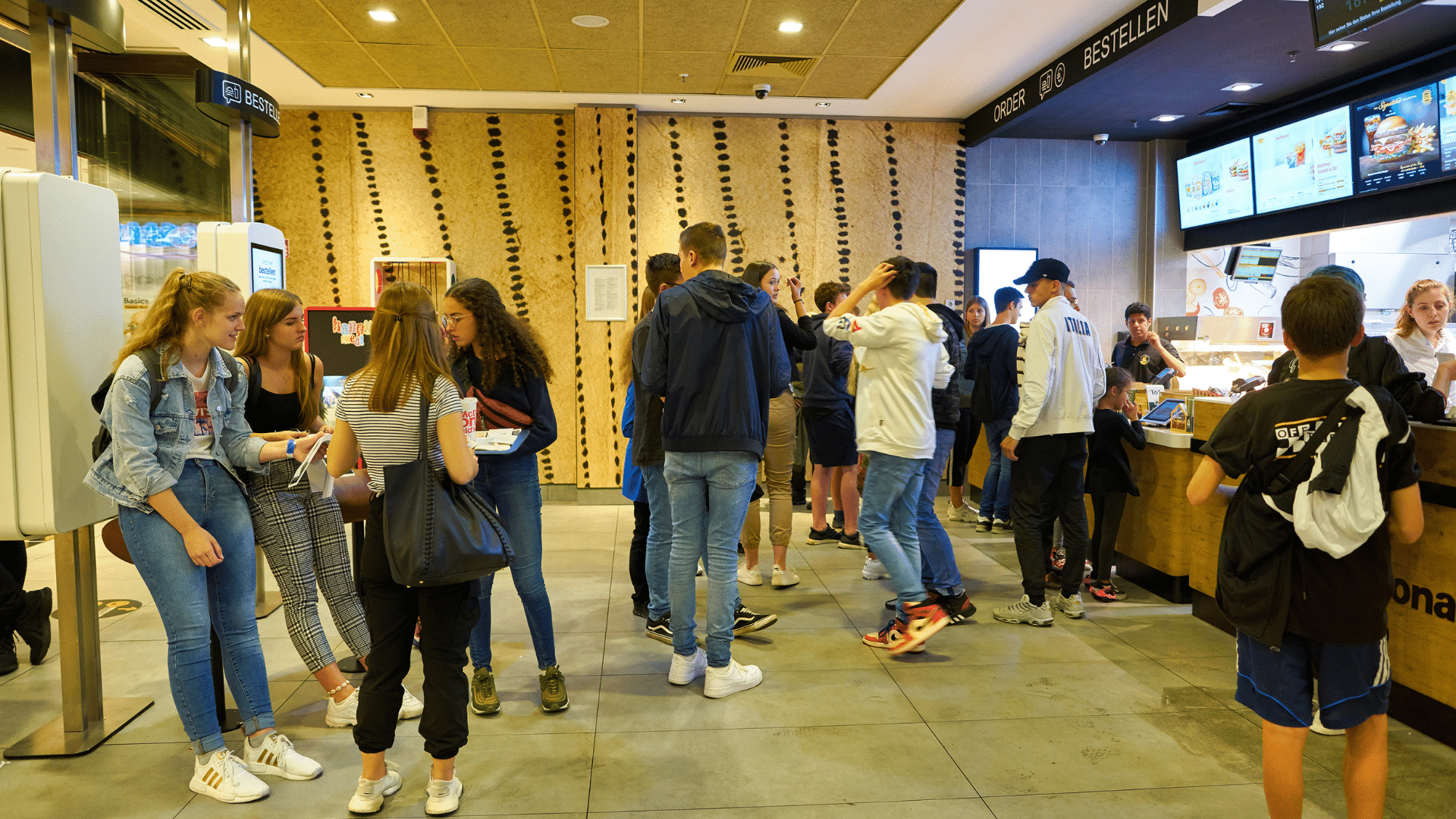
McDonald’s is betting that a major investment in technology, kitchen equipment and restaurant design can make its locations more efficient and attractive to customers. For franchisees, however, the estimated $800,000 additional cost per traditional U.S. drive-through restaurant raises serious questions about financing, timelines and the likelihood of a return. The company’s planned financial support and phased rollout may ease some of the pressure, but they do not eliminate the need for operators to evaluate their own budgets. The outcome will depend on whether the upgrades deliver practical improvements that justify the expense while helping McDonald’s maintain customer value and franchisee confidence.