McDonald’s Is Going All In on Chicken and AI as It Fights to Win Diners Back
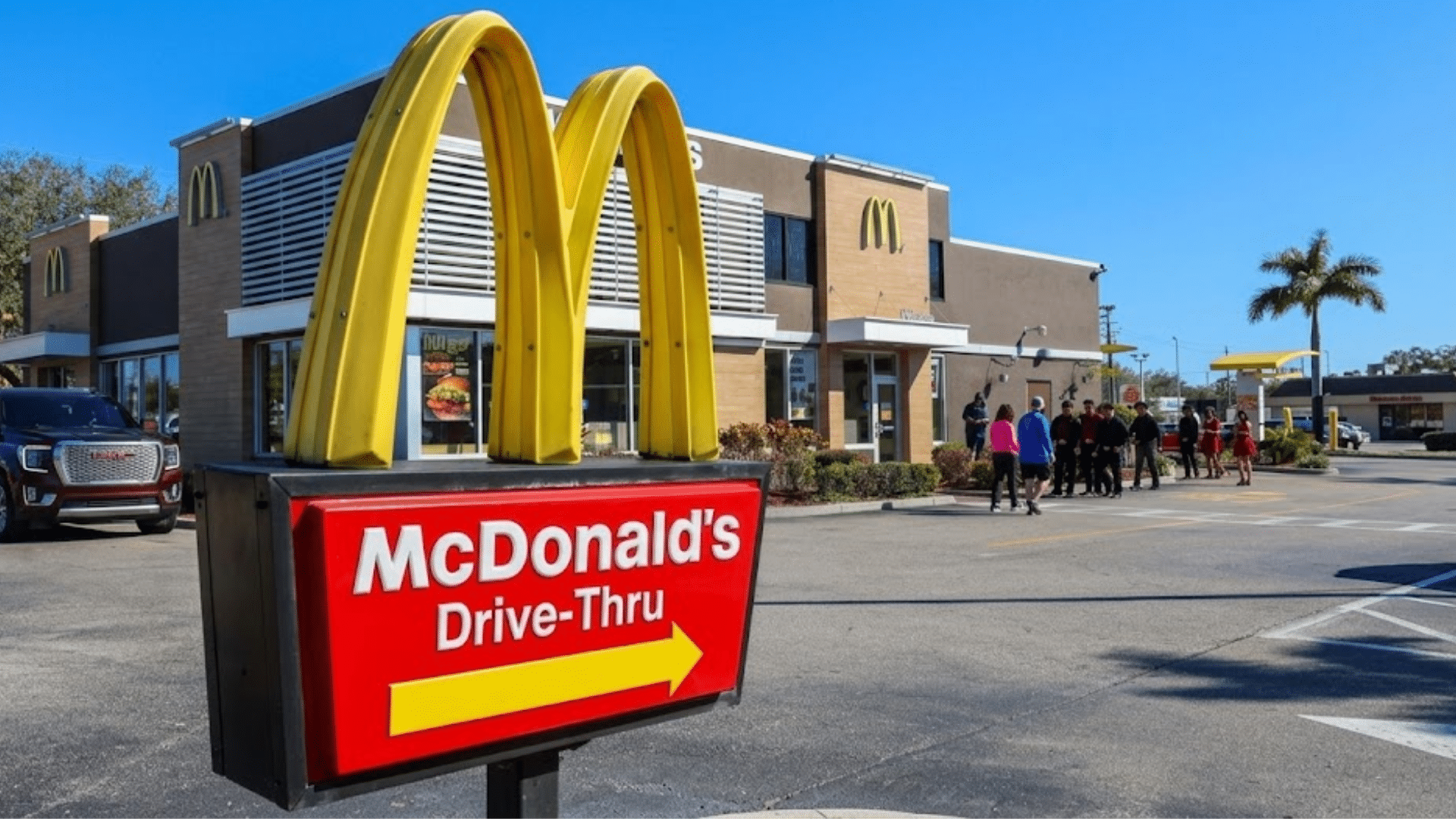

McDonald’s built its global reputation on the burger, but the company’s newest turnaround strategy leans heavily on something else entirely, chicken, alongside a serious investment in artificial intelligence. At an investor day event in Chicago, the fast food giant unveiled an ambitious, multi pronged plan aimed squarely at winning back customers who’ve increasingly been choosing rivals like Burger King instead. The scale of this commitment is genuinely significant, and the fact that McDonald’s felt compelled to make such a dramatic move says a lot about how competitive the fast food landscape has actually become. Here’s exactly what the company is planning, and why.
This article was created with the assistance of AI and reviewed by our editorial team for accuracy and clarity.
The Rough Quarter That Triggered This Overhaul

This overhaul didn’t emerge out of nowhere. It followed a genuinely difficult second quarter for McDonald’s, one that saw U.S. same-store sales grow just 0.8 percent. For comparison, Burger King posted same-store sales growth of 8.5 percent over that same period, a striking gap that made clear McDonald’s was losing meaningful ground to at least one major competitor. That kind of traffic erosion, customers simply visiting less often, is exactly the pressure that tends to push a company as large as McDonald’s toward a genuinely dramatic, expensive response rather than smaller, incremental adjustments.
Breaking Down the 8.5 Billion Dollar Commitment
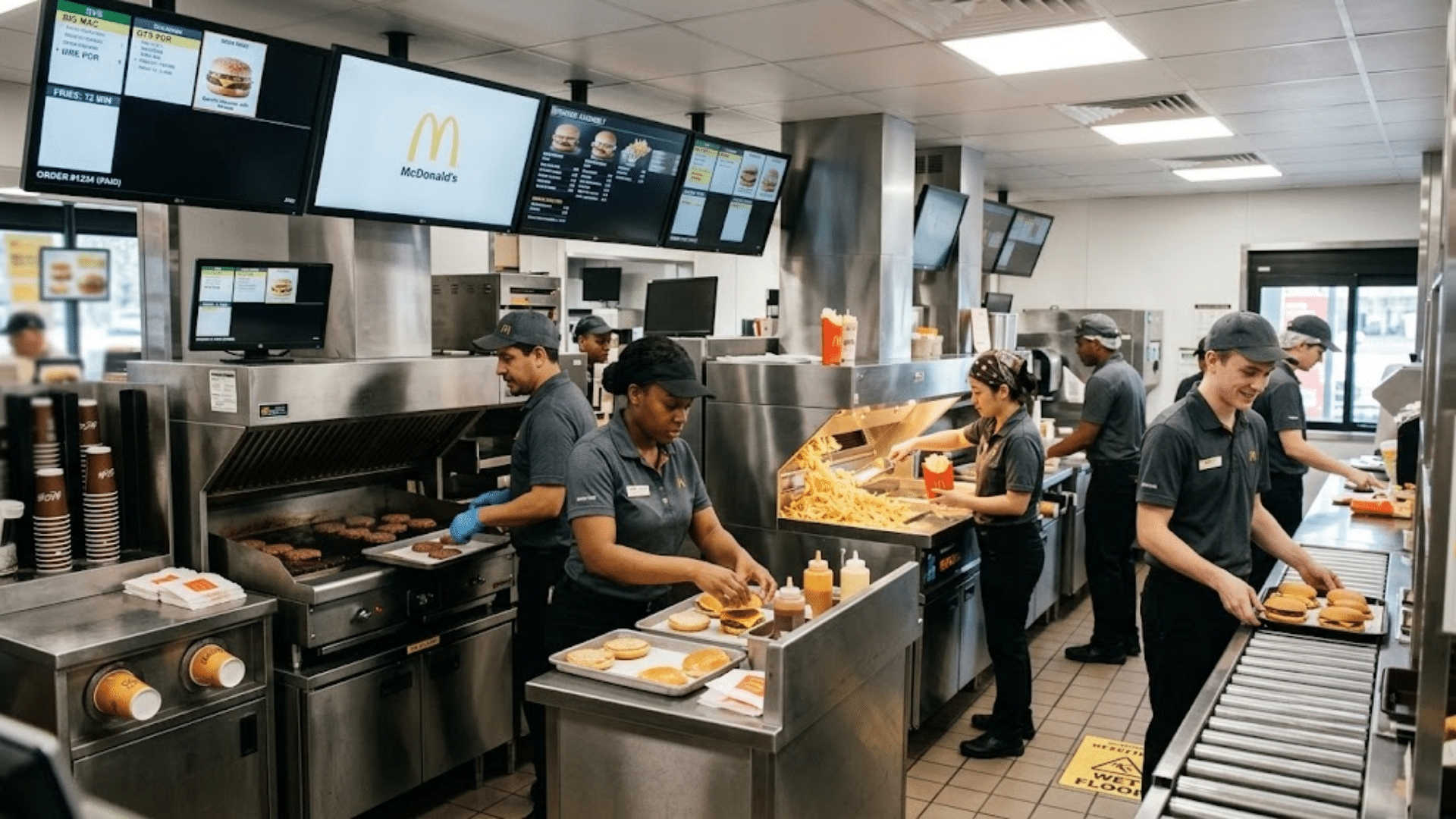
The financial scale of this plan is substantial. McDonald’s committed to investing approximately 8.5 billion dollars in support for franchisees through 2036, with roughly 5 billion dollars of that total expected to be deployed by 2030. The funding will flow through a combination of rent relief and direct capital support, specifically aimed at helping franchise owners afford restaurant technology upgrades and physical store remodels. McDonald’s CFO Ian Borden described the underlying opportunity as clear and genuinely compelling, expecting the investment to generate strong returns for both individual franchise operators and the broader company alike.
Meet ArchIQ, McDonald’s New AI Powered Kitchen Brain
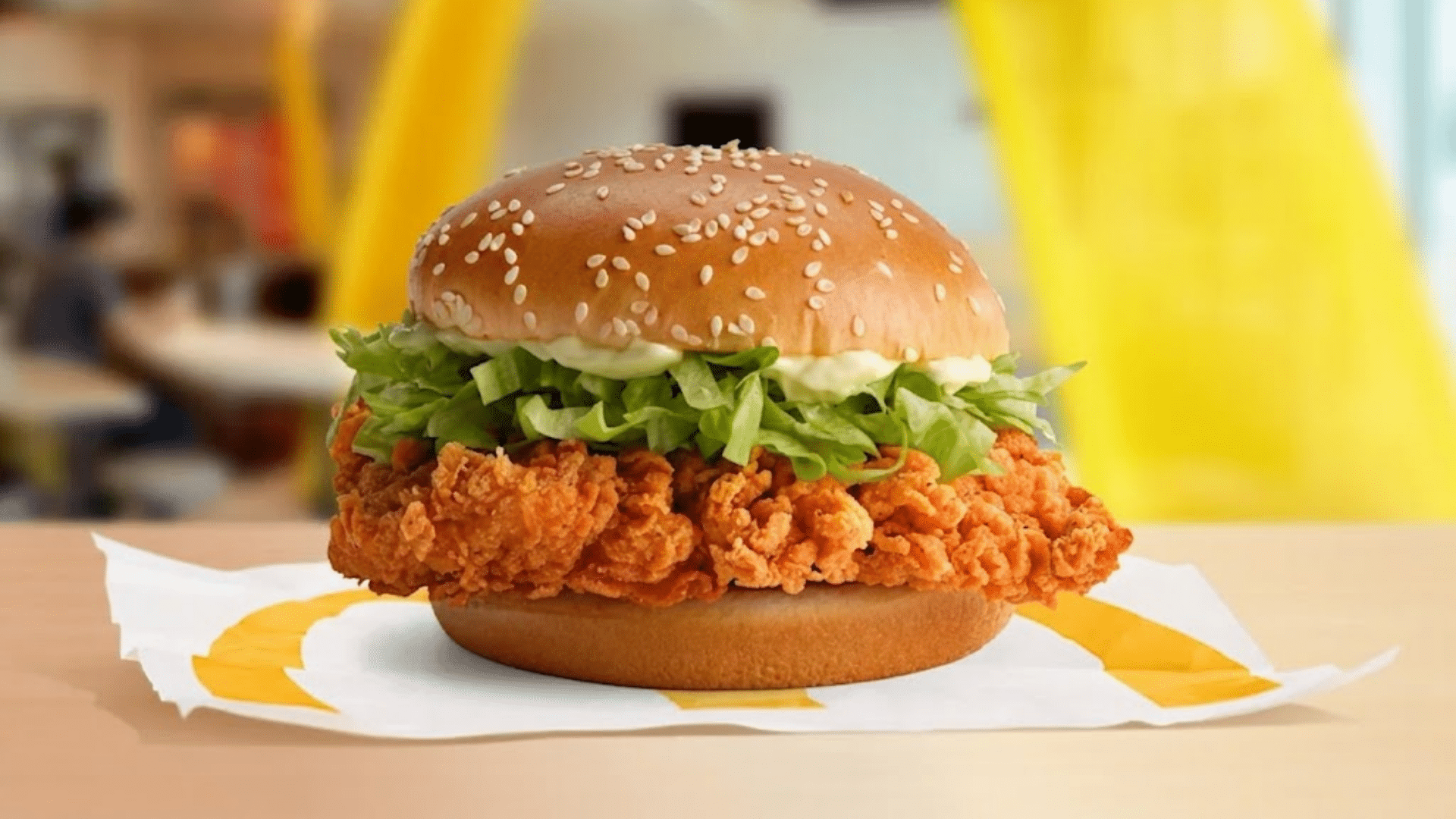
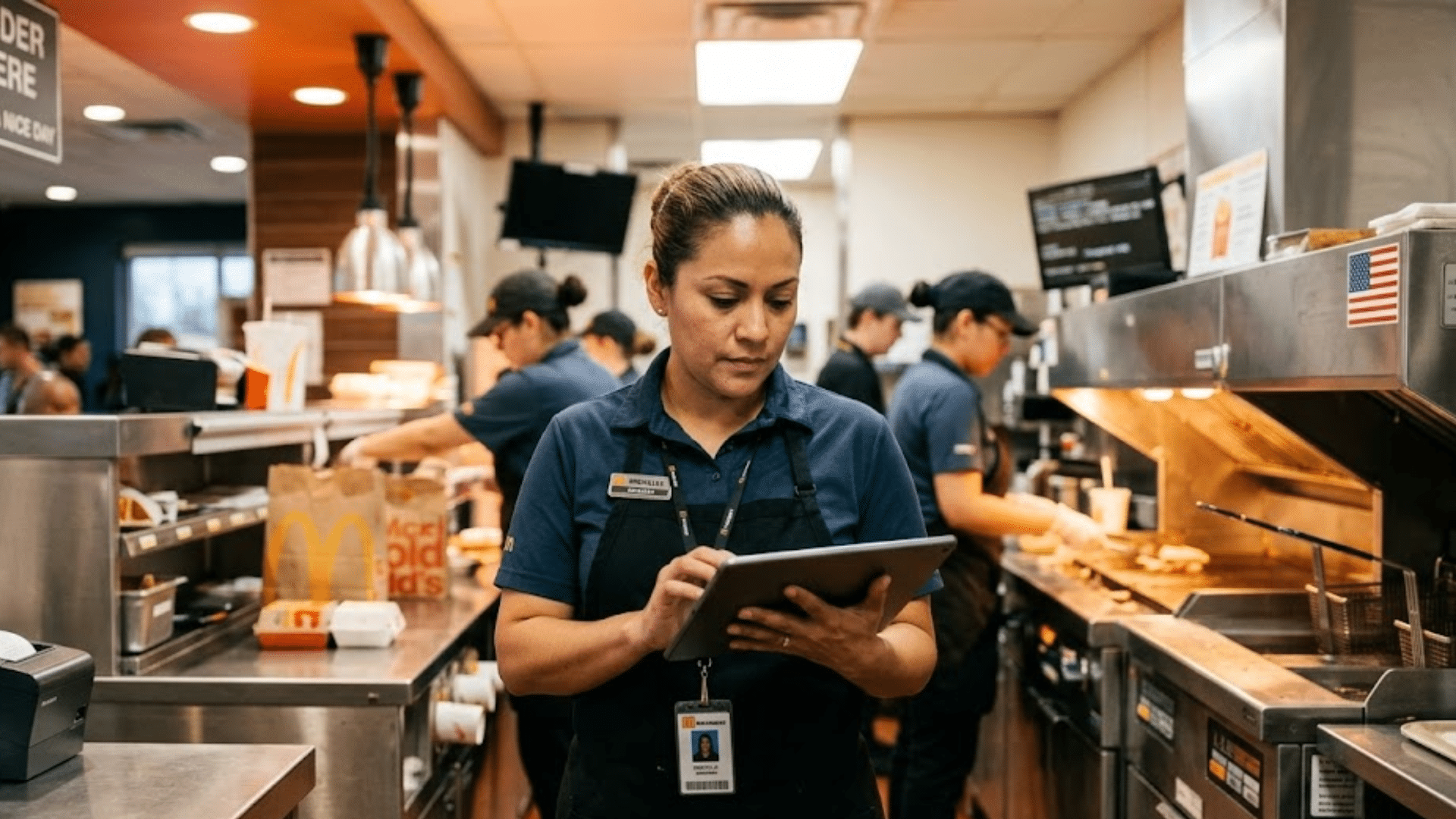
A central piece of this strategy involves deploying AI technology called ArchIQ across more restaurant locations. This generative AI system, built in partnership with Google Edge, is designed to integrate directly into restaurant kitchens and drive-thrus, helping streamline operations behind the scenes. The technology’s reach extends into surprisingly specific territory too, including monitoring equipment like the McFlurry machine to help prevent the kind of embarrassing, viral outages that became something of a running joke online in years past. Borden noted this new AI partnership represents a meaningfully different technology platform compared to the company’s previous collaboration with IBM, which ended back in 2024.
Why Chicken Is Getting Such Serious Attention
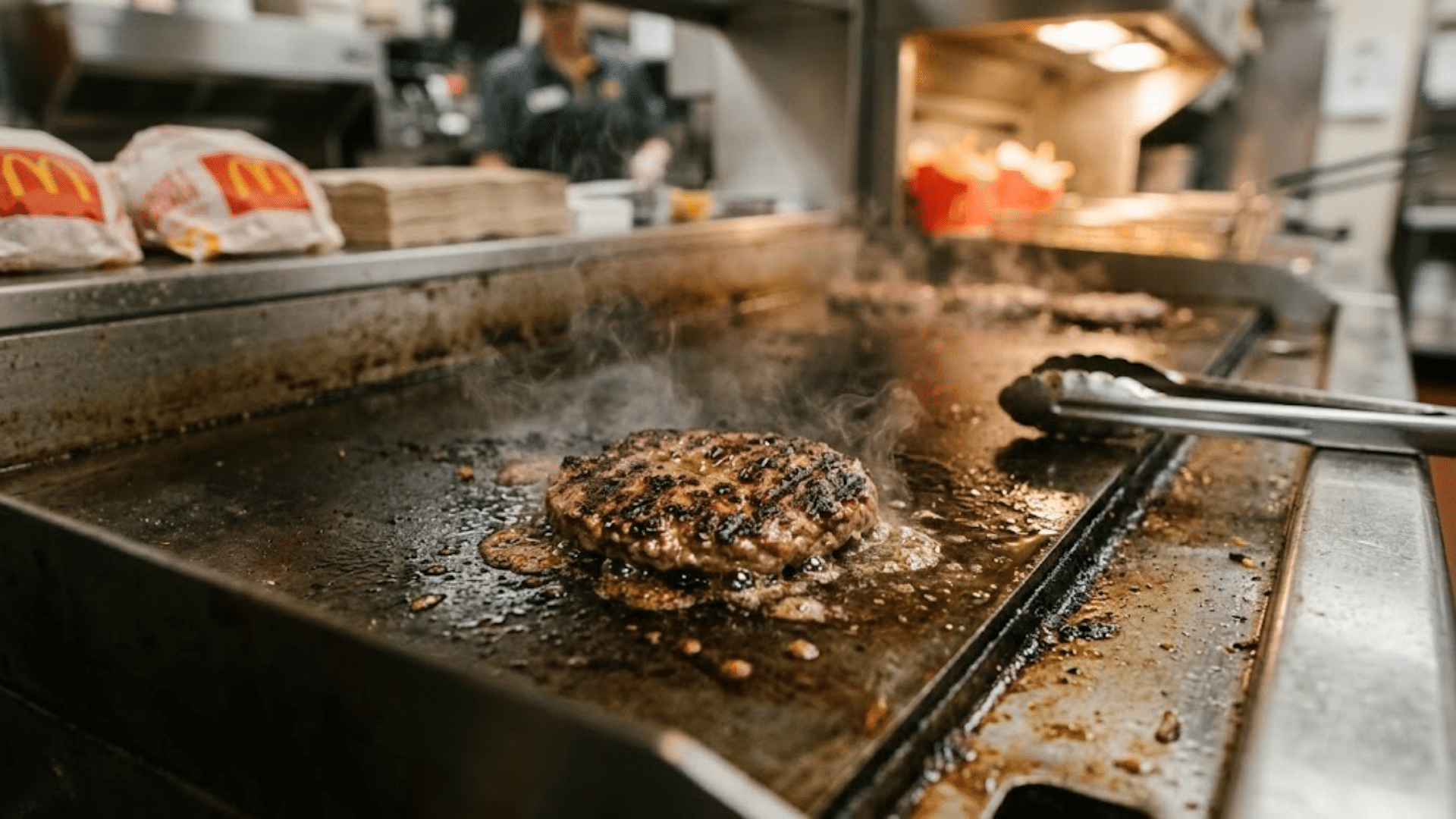
McDonald’s is putting real weight behind its chicken lineup as a core growth driver, targeting 1.5 percent market share growth specifically within the chicken category. The company has already achieved deployment of its McCrispy sandwich across nearly all of its major global markets, and brought back the fan favorite Snack Wraps in the United States, a move that strengthened the company’s competitive position and helped grow category share across its top 10 markets worldwide. That said, not every observer is convinced this particular bet will pay off. Following the announcement, McDonald’s stock actually fell more than 5 percent, with at least one analyst specifically noting the company has historically struggled to truly break through on chicken related menu innovation.
Beef Still Isn’t Being Left Behind
Despite all the attention chicken is receiving, McDonald’s isn’t abandoning its core burger business either. The company continues rolling out its Best Burger initiative, now active in 85 markets and on track to reach nearly every McDonald’s market globally by the end of 2026. Customers experiencing these hotter, juicier burgers have shown improved satisfaction scores and stronger repeat visit patterns, according to the company. The Big Arch, a heartier burger option, has also gained real traction, earning a permanent spot on the United Kingdom menu after strong performance during limited time promotional runs across multiple markets.
Bringing Back a Nostalgic Restaurant Look
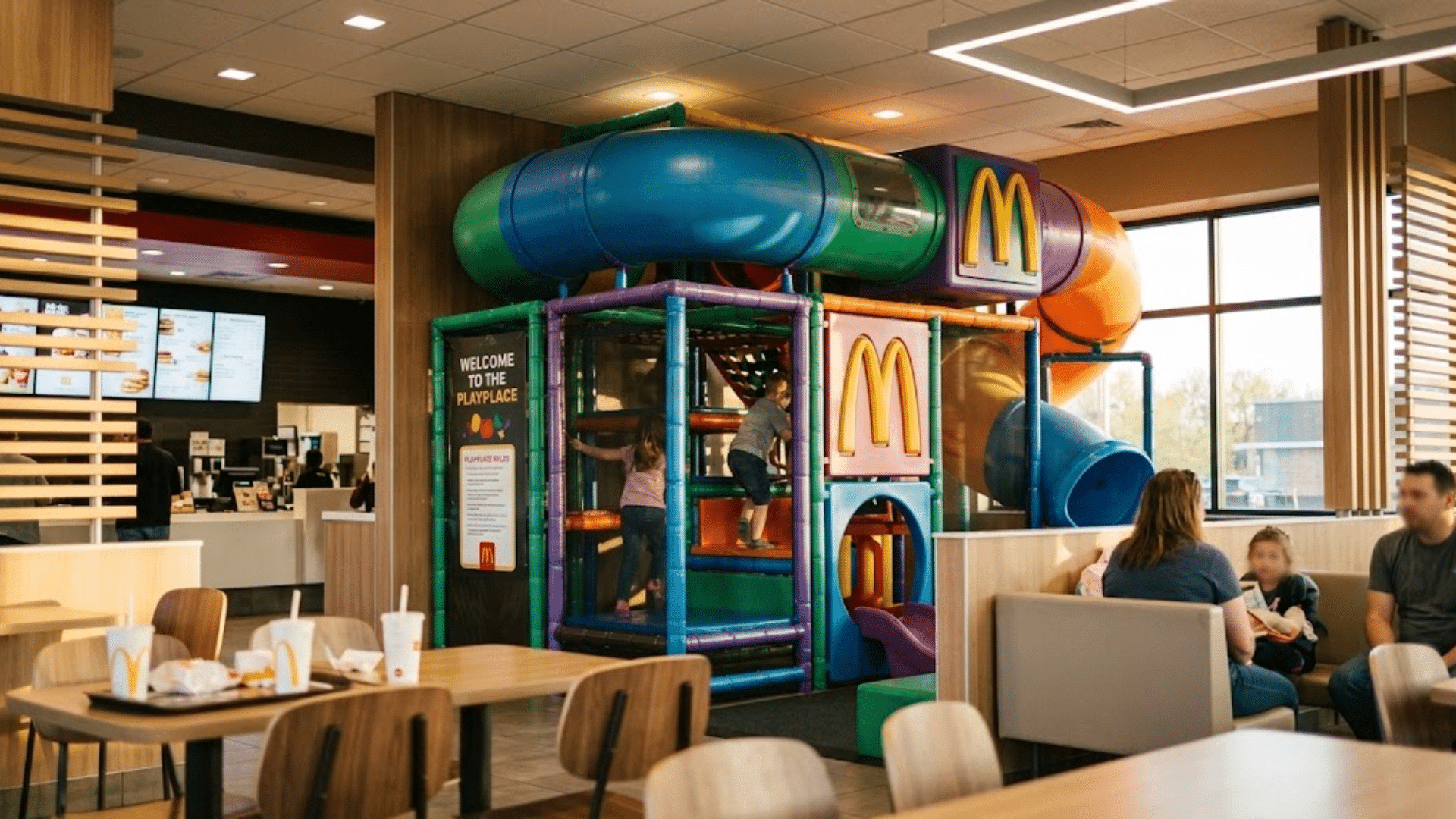
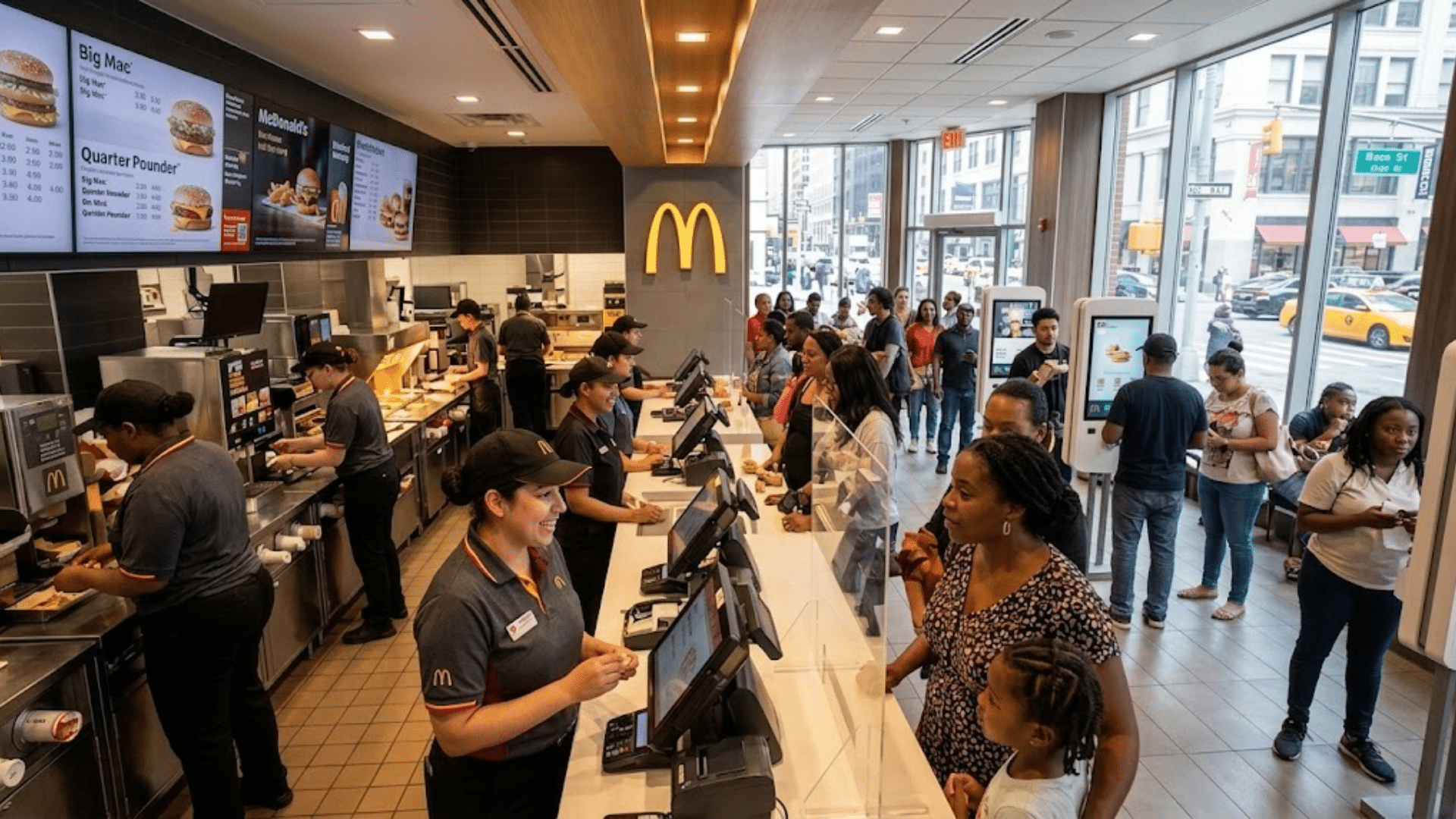
Beyond the menu itself, McDonald’s is making a notable change to how its restaurants actually look and feel. The company plans to move away from its widely criticized modern gray box restaurant design, instead reintroducing design elements reminiscent of 1990s era McDonald’s locations. That includes bringing back small children’s play areas featuring slides, climbing structures, and other playful elements that many customers apparently remember fondly from earlier decades. Jill McDonald, the company’s executive vice president and global chief restaurant experience officer, explained that customer feedback consistently pointed toward wanting McDonald’s to feel fun again, injecting more personality back into the overall restaurant experience.
New Menu Categories Beyond the Classics
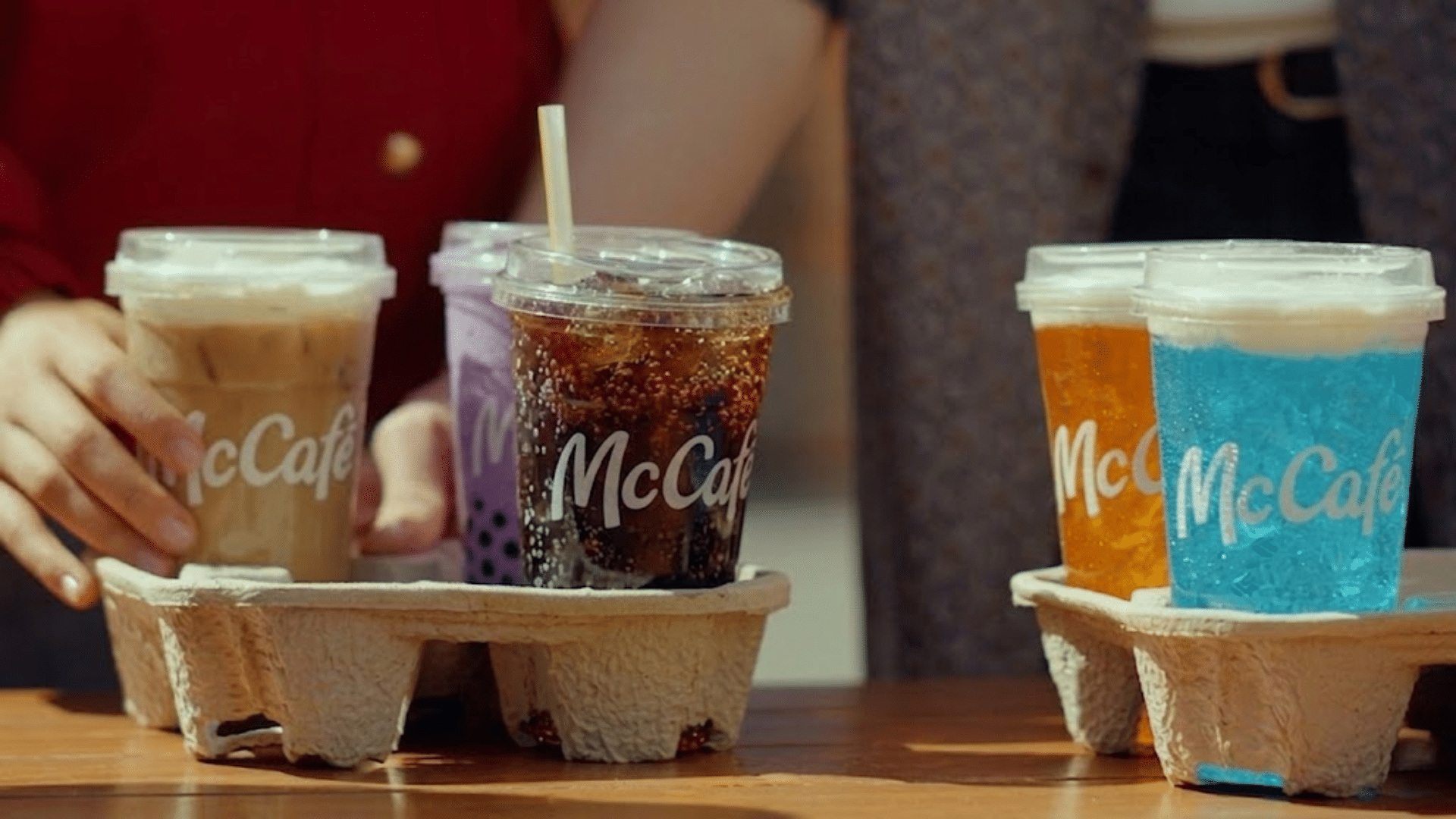
McDonald’s growth strategy also includes expanding into menu territory the chain hasn’t historically emphasized as heavily. The company is targeting growing consumer demand for beverages and higher protein meal options, testing new products including burger and chicken bowls along with egg based items. Craft sodas have specifically been identified as a key area of focus within the beverage category going forward. This kind of menu diversification reflects broader shifts in what customers are looking for across the fast food industry more generally, extending well beyond the traditional burger and fries combination McDonald’s has long been most closely associated with.
A New Initiative Launching in Early October
As part of this broader strategy, McDonald’s announced a new program called Make It Golden, set to begin on October 5. While full details of the initiative weren’t extensively outlined at the investor event itself, it’s being positioned as part of the company’s broader “McDonald’s > Next” strategic direction, tying together the various threads of this turnaround effort, technology upgrades, menu innovation, and restaurant experience improvements, into a single, cohesive push aimed at reigniting customer traffic across the chain’s massive global footprint.
Will This Multi Billion Dollar Bet Actually Pay Off
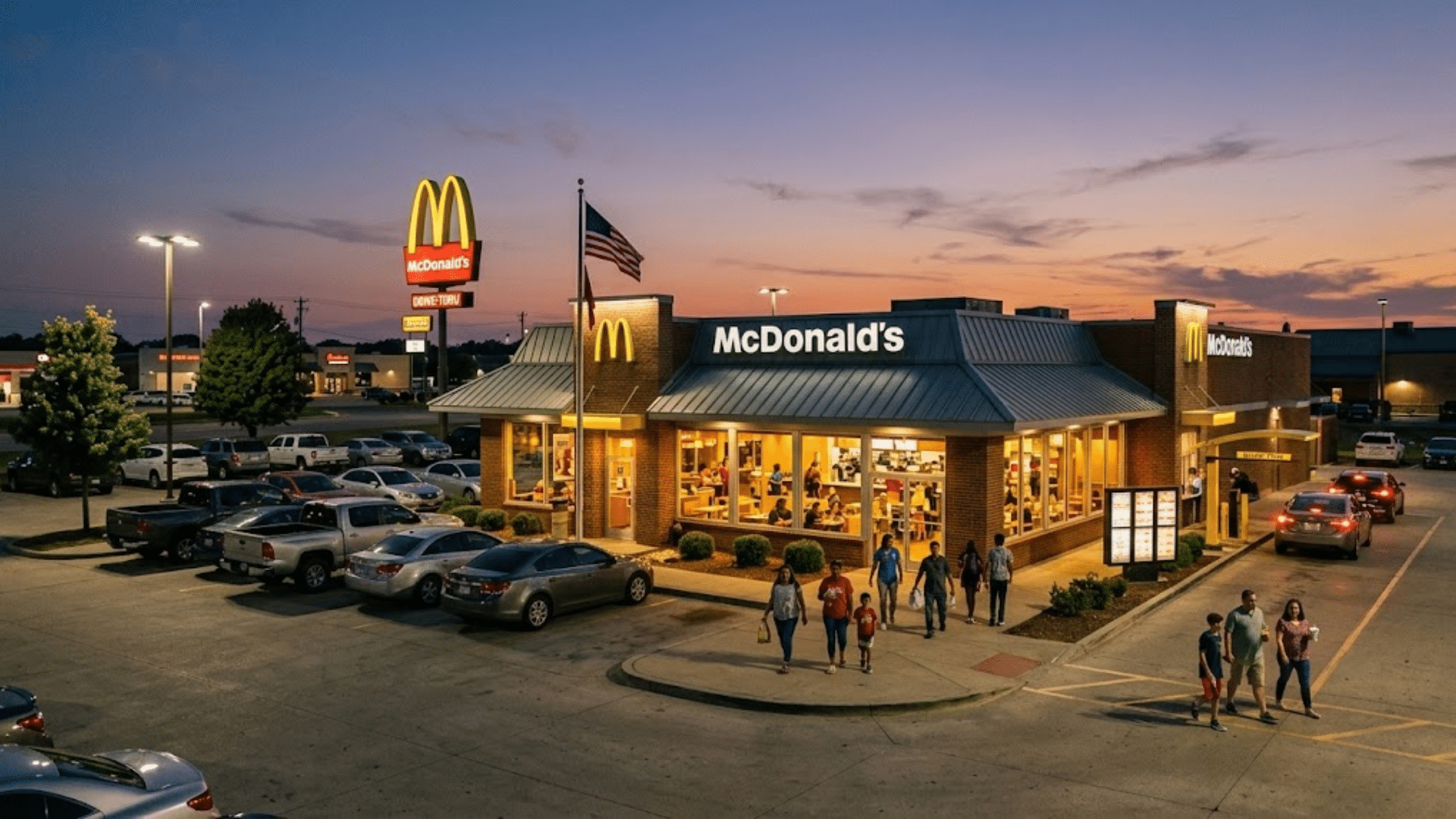
Taken together, McDonald’s newest strategy represents one of the most sweeping overhauls the company has attempted in years, touching everything from kitchen technology to restaurant design to core menu offerings. The scale of investment alone, 8.5 billion dollars committed through 2036, signals just how seriously McDonald’s leadership is treating the competitive threat posed by chains like Burger King. Whether chicken, AI powered kitchens, and nostalgic playgrounds prove to be the right combination remains genuinely uncertain, as reflected by investors’ skeptical initial reaction. But with same-store sales growth clearly lagging key competitors, McDonald’s has made it unmistakably clear it isn’t willing to simply wait and see whether customers eventually come back on their own.

